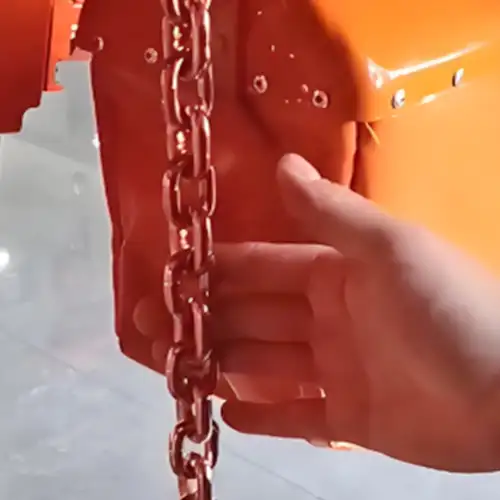
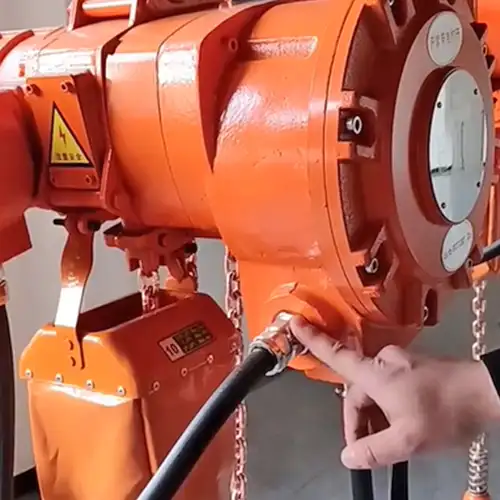
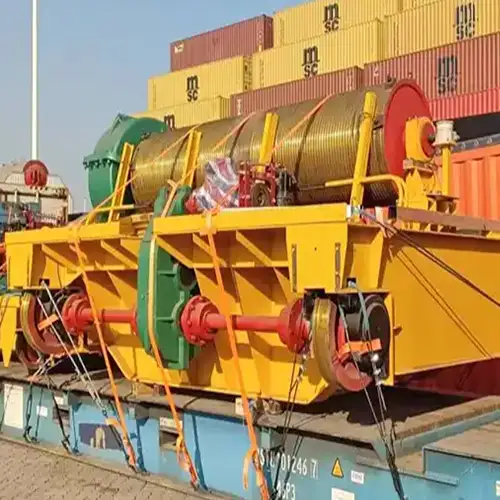
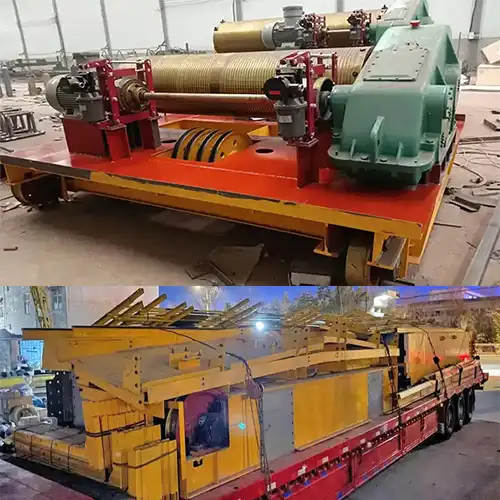
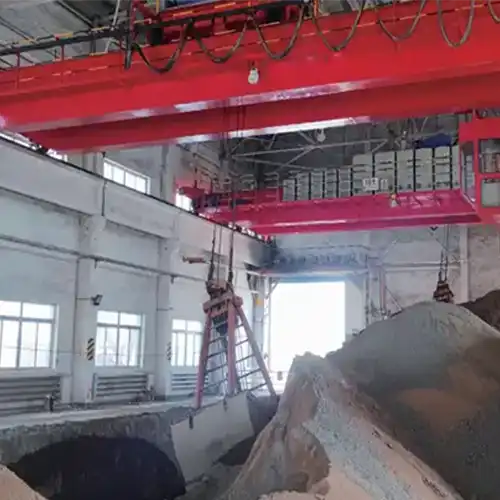
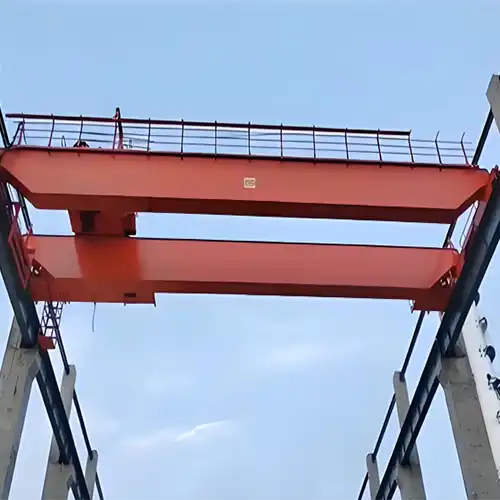
Customized Explosion-Proof Lifting Equipment

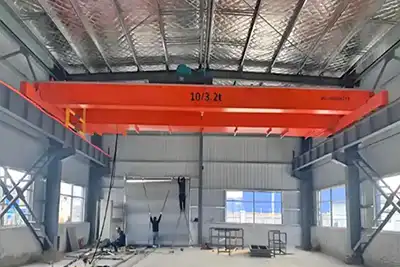
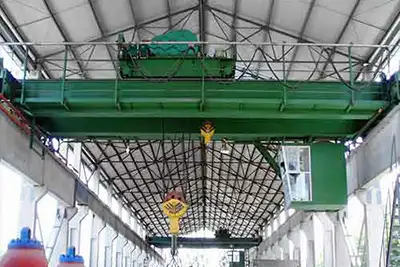
Explosion-Proof Overhead Cranes for Gas & Dust Hazardous Areas
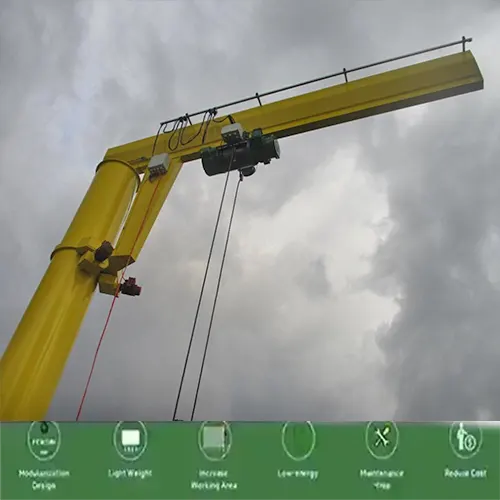
Single & Double Girder EOT Cranes, Gantry Cranes & Jib Cranes Solutions

Yuantai designs and manufactures explosion-proof overhead cranes for lifting and material handling in industrial areas where flammable gases, vapors or combustible dust may be present. These cranes are used in oil and gas facilities, petrochemical plants, chemical factories, pharmaceutical production, paint shops, mining operations and other hazardous environments.

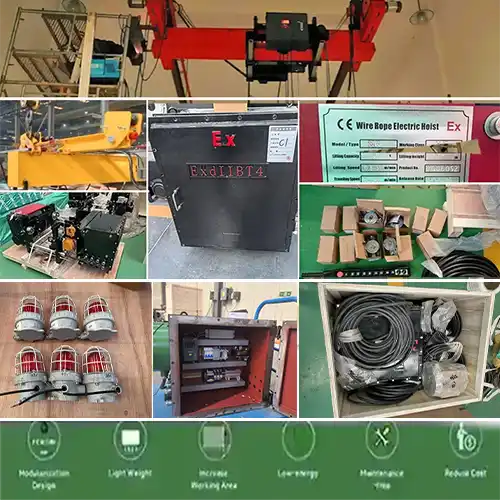
An explosion-proof crane requires more than an explosion-protected hoist. The hoisting mechanism, trolley, bridge travel system, motors, brakes, electrical controls and power supply must be selected to suit the hazardous-area classification and operating conditions.

Overives of Yuantai Explosion Proof Cranes and Hoists

Yuantai can configure single-girder and double-girder overhead cranes with explosion-proof hoists, travel mechanisms and electrical systems according to the lifting capacity, span, lifting height, duty cycle and applicable safety requirements of each project.

General Technical Specifications of Explosion-Proof Cranes

Explosion-proof cranes are customized according to lifting requirements, hazardous-area classification and site conditions. The following are the main specifications to consider when selecting an explosion-proof crane:

  • Crane Type: Single-girder, double-girder, gantry or jib crane.
  • Lifting Capacity: 0.5–550 tons, customized.
  • Span: Customized according to runway dimensions.
  • Lifting Height: Designed according to site requirements.
  • Working Duty: ISO A3–A8 / FEM 1Am–5M.
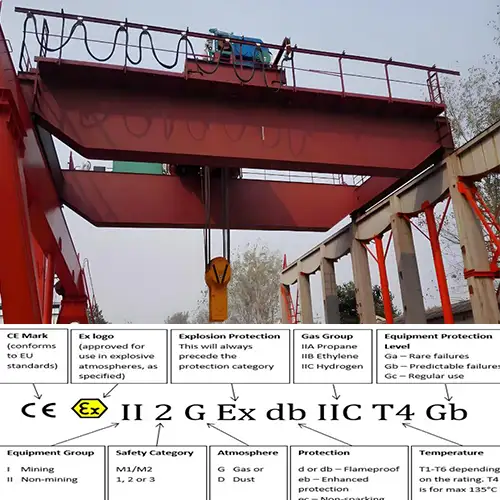
  • Explosion-Proof Zone: Gas Zone 1/2 or Dust Zone 21/22.
  • Gas/Dust Group: IIA, IIB, IIC or applicable dust groups.
  • Temperature Class: T1–T6, according to hazardous-area requirements.
  • Protection Standard: ATEX, IECEx or applicable local standards.
  • Power Supply: Customized voltage, frequency and phase.
  • Control Method: Pendant, wireless remote or cabin control.
  • Protection Rating: Suitable IP rating for electrical components.
  • Working Environment: Indoor/outdoor, temperature, humidity, dust and corrosion conditions.
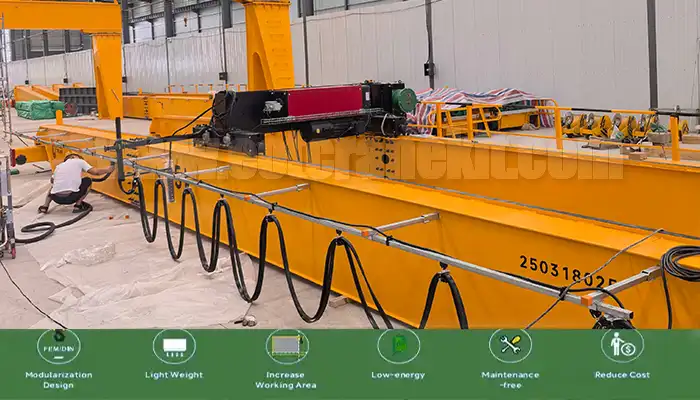
Two-Dimension Figure on Approved Drawing

These specifications provide a starting point for crane selection. The final configuration should be confirmed through engineering assessment, especially the explosion-proof classification, equipment certification, working duty and environmental requirements.

Need an explosion-proof crane for your plant? Send us your lifting capacity, span, lifting height and hazardous-area classification. Our engineering team can review the requirements and recommend a suitable crane configuration.

Hot Sale Types of Explosion Proof Overhead Cranes and Hoists

Different industrial facilities have different lifting requirements. Some need a complete overhead crane system for regular production, while others require a gantry crane for outdoor equipment handling or an explosion-proof hoist for a specific workstation.

Yuantai supplies several types of explosion-proof lifting equipment. The crane structure, hoisting mechanism, traveling system and electrical components can be selected according to the required capacity, working environment and applicable explosion-protection standards.
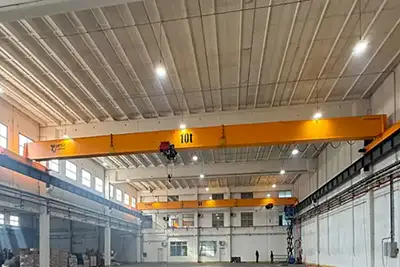
Explosion-Proof Overhead Cranes

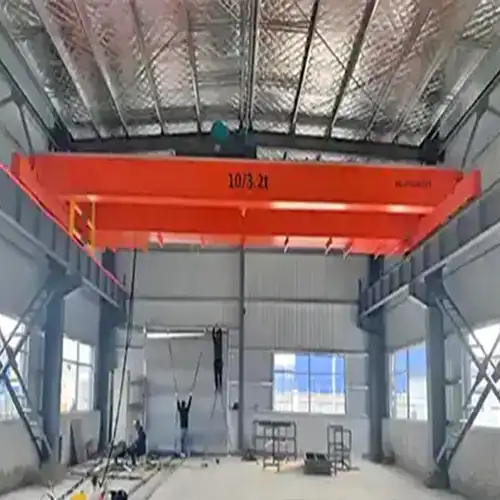
Single-girder and double-girder overhead cranes for indoor hazardous industrial workshops. Suitable for lifting machinery, pumps, valves, production equipment and heavy components.

View Explosion-Proof Overhead Cranes
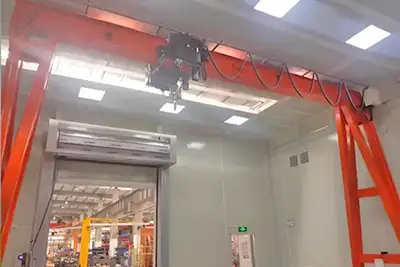
Explosion-Proof Gantry Cranes

Customized gantry lifting systems for outdoor yards, equipment storage areas and industrial facilities where hazardous-area protection is required. Available configurations depend on the project layout and operating conditions.
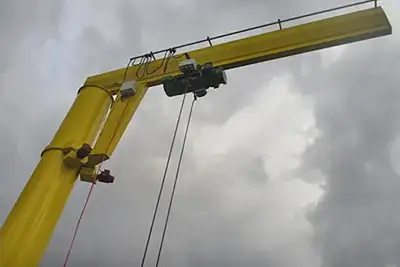
Explosion-Proof Jib Cranes

Wall-mounted and pillar-mounted jib cranes for localized lifting at maintenance stations, machinery workshops and production workstations.
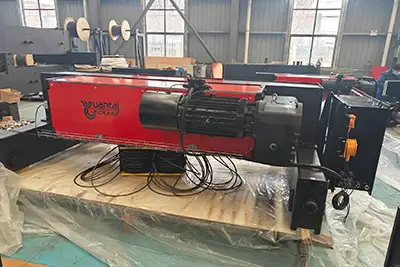
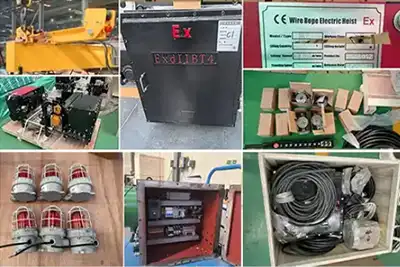
Explosion-Proof Electric Hoists

Explosion-proof wire rope hoists and chain hoists for lifting applications requiring certified explosion-protection configurations. They can be supplied for new crane systems or suitable existing lifting structures.

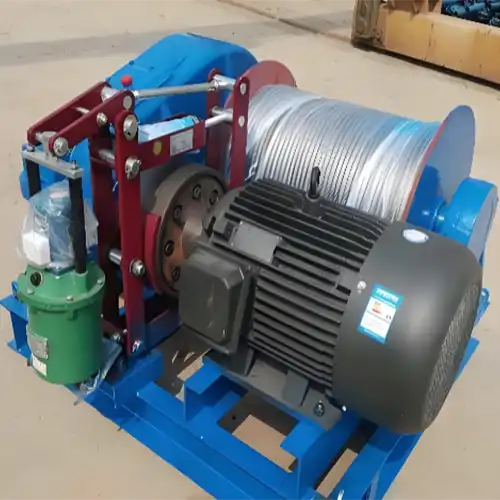
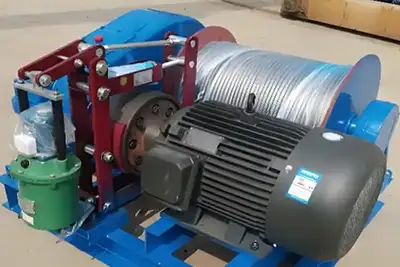
Explosion-Proof Winches

Customized explosion-proof winching equipment for industrial lifting and pulling applications. Hoisting capacity, rope arrangement, operating speed and motor configuration are selected according to the application.

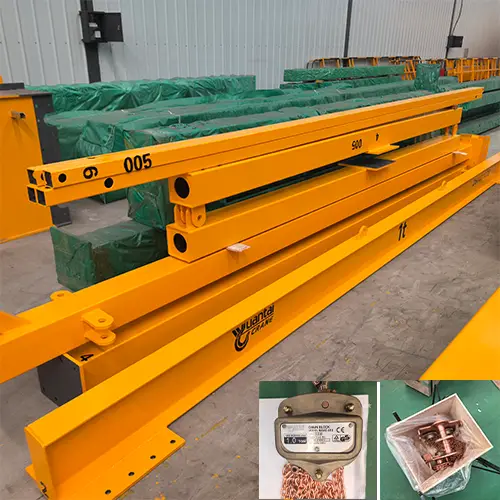
Explosion-Proof Crane Kits and Components - check single girder-explosion proof overhead crane kit

Explosion-proof hoisting mechanisms, motors, brakes, electrical equipment and traveling mechanisms for crane manufacturers, OEM customers and industrial equipment suppliers.

Your Trusted Explosion-Proof Crane Manufacturer & Supplier

Explosion-Proof Crane Types for Industrial Applications
Single Girder & Double Girder Explosion-Proof Overhead Cranes

Explosion-proof overhead cranes are widely used in industrial workshops where materials and equipment need to be lifted and moved along a fixed runway. The choice between a single-girder and double-girder crane depends on lifting capacity, span, lifting height, duty requirements and available building clearance.

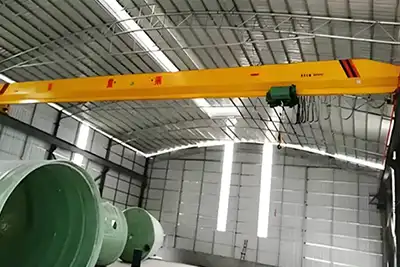
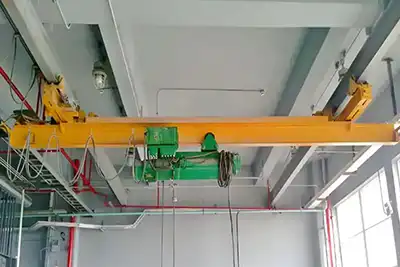
Single-Girder Explosion-Proof Overhead Crane

A single-girder explosion-proof overhead crane uses one main bridge girder with an explosion-proof electric hoist running along the beam. It is commonly selected for light- and medium-duty lifting applications where the load, span and operating frequency are within the design limits of the crane.

Typical applications include machinery maintenance, equipment assembly, spare parts handling and material movement in smaller hazardous-area workshops.
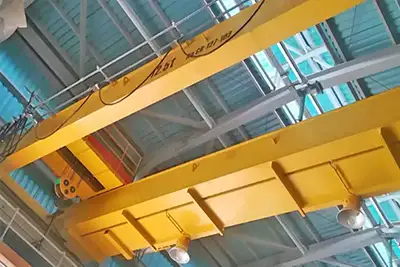
Double-Girder Explosion-Proof Overhead Crane

A double-girder explosion-proof overhead crane uses two main bridge girders and can be equipped with an explosion-proof trolley and hoisting mechanism. This arrangement is suitable for heavier loads, larger spans, higher lifting requirements and more demanding operating conditions.

For lifting capacities above 20 tons, a double-girder arrangement is generally the starting point for evaluation, although the final design depends on the actual load, span, duty class and installation conditions.
Comparison Single-Girder Crane Double-Girder Crane
Bridge structure One main girder Two main girders
Hoisting arrangement Electric hoist Electric trolley or open winch
Typical application Light- and medium-duty lifting Medium- and heavy-duty lifting
Installation space Often suitable for buildings with more limited headroom Depends on girder depth, trolley arrangement and building clearance
Selection factors Load, span, lifting height and duty Load, span, duty, lifting height and structural requirements

Both crane types can be configured for hazardous industrial environments. The explosion-protection requirements must cover the applicable hoisting, traveling, electrical and control equipment, rather than only the bridge structure.

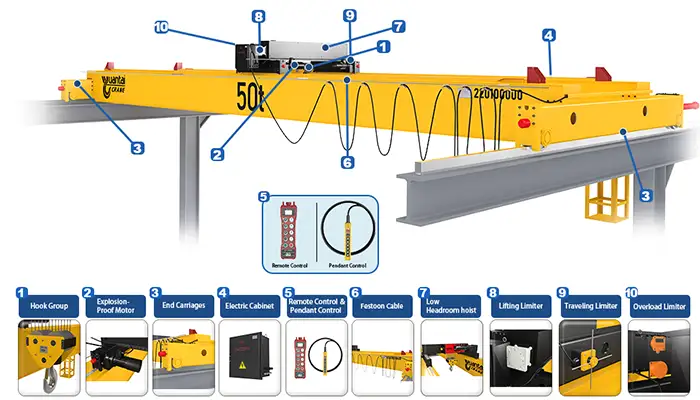
European Style Explosion-Proof Overhead Crane Components and Safety Features

An explosion-proof crane is a complete lifting system. Installing an explosion-proof electric hoist on a standard crane does not automatically make the entire crane suitable for a hazardous area.

Motors, brakes, electrical enclosures, switches, controls, wiring and other equipment must be evaluated as part of the overall system. The exact protection requirements depend on the crane design, hazardous-area classification and applicable standards.

Explosion-proof crane safety depends on more than the hoist motor. All electrical and mechanical components must be suitable for the hazardous area and working conditions.

Key components to consider include:

  • Explosion-Proof Electric Hoist: Lifting capacity, speed and explosion-proof rating.
  • Hoisting Motor: Protection type, gas or dust group and temperature class.
  • Traveling Motors: Explosion protection for bridge and trolley movements.
  • Braking System: Reliable braking and load holding.
  • Electrical Control Panel: Certified enclosure and safe electrical connections.
  • Limit Switches: Protected hoisting and travel limit controls.
  • Power Supply: Suitable cables, conductor rails and connections.
  • Grounding and Bonding: Proper grounding and static electricity control.
  • Mechanical Components: Suitable materials, surface temperatures and friction control.

The final component configuration should match the hazardous-area classification, applicable explosion-protection standards and site operating conditions. All required equipment certificates should be confirmed before procurement.
Your Trusted Explosion-Proof Crane Manufacturer & Supplier

Featured Explosion-Proof Cranes & Hoists by Yuantai Crane
Reliable Lifting Solutions & Real Projects for Hazardous Industries

Yuantai Crane supplies explosion-proof overhead cranes, jib cranes, gantry cranes and electric hoists for hazardous industrial environments. Our lifting equipment is designed for oil and gas, petrochemical, chemical and power industries, with customized configurations to meet different lifting requirements and hazardous area classifications.

Featured Products & Solutions:

  • Explosion-proof overhead and gantry cranes
  • Explosion-proof jib cranes
  • Explosion-proof wire rope and chain hoists
  • Customized explosion-proof crane systems
  • Real industrial projects and application cases

Looking for a reliable explosion-proof crane supplier? Contact Yuantai Crane for technical consultation and a customized lifting solution.
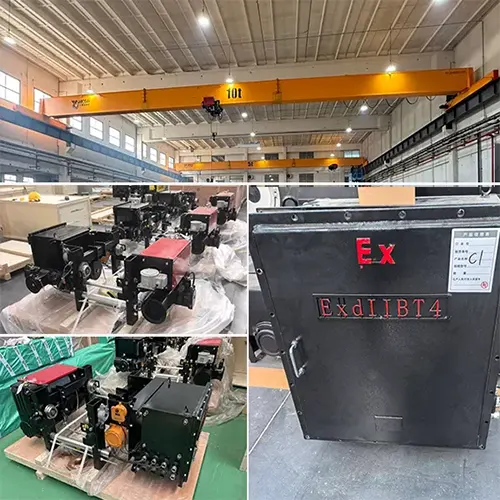
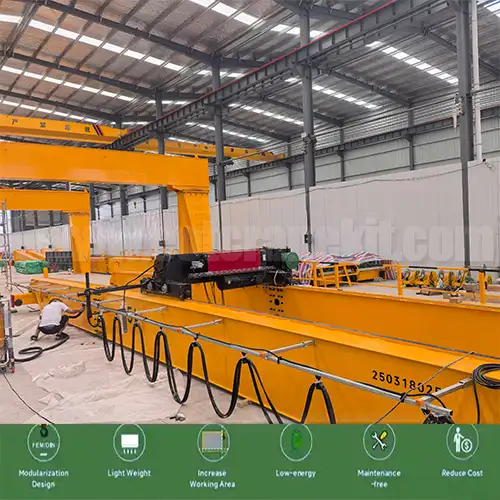
Explosion-Proof Overhead Crane | European-Style EOT Crane

Explosion-Proof Overhead Crane | European-Style EOT Crane

European-style explosion-proof overhead cranes for hazardous industrial environments. Compact single girder EOT cranes with reliable lifting performance.

Explosion-Proof Overhead Bridge Cranes & Crane Kits | 3–80 Ton | CNEX China Manufacturer

Explosion-Proof Overhead Bridge Cranes & Crane Kits | 3–80 Ton | CNEX China Manufacturer

Buy European-style explosion-proof overhead bridge cranes and crane kits from China. 3–80 ton. Custom hazardous-area lifting solutions for oil & gas, chemical, mining, and grain industries. Request a quote.

5 Ton Explosion-Proof Jib Crane for Gas & Power Industry

5 Ton Explosion-Proof Jib Crane for Gas & Power Industry

A 5 ton explosion-proof jib crane supplied for an engineering contractor in Indonesia, featuring a BCD explosion-proof hoist, 6 m lifting height and 360° rotation.

1 Ton Manual Gantry Crane with Explosion-Proof Chain Hoist

1 Ton Manual Gantry Crane with Explosion-Proof Chain Hoist

1 ton manual gantry crane with explosion-proof chain hoist supplied for a Norway project. 5.5 m lifting height for industrial material handling.

Explosion-Proof Overhead Crane Kit | 5 Ton Overhead Crane Kit Pakistan

Explosion-Proof Overhead Crane Kit | 5 Ton Overhead Crane Kit Pakistan

Yuantai supplied 3 sets of 5-ton explosion-proof crane kits in Pakistan. Explore NLX hoists, 5.5m lift, 400V power and project pricing.

CNEX-Certified Explosion-Proof Cranes, ExProof Overhead Cranes

CNEX-Certified Explosion-Proof Cranes, ExProof Overhead Cranes

Learn why CNEX-certified overhead cranes ensure safety, reliability, and compliance. A practical buyer’s guide for hazardous industrial environments.

Explosion Proof Electric Winches for Hazardous Environments

Explosion Proof Electric Winches for Hazardous Environments

Explosion-proof and corrosion-resistant electric winches for hazardous environments. Ensure safety, compliance, and reliable lifting operations.

LHB Double Girder Explosion-Proof Crane with BCD Exproof Hoist

LHB Double Girder Explosion-Proof Crane with BCD Exproof Hoist

Safe & reliable explosion-proof cranes 5 to 40 tons, equipped with BCD hoist for hazardous industrial lifting environments.Get your explosion proof crane!

Explosion-Proof Electric Chain Hoists for Combustible Dust Zones

Explosion-Proof Electric Chain Hoists for Combustible Dust Zones

Safe, compliant lifting solutions customized for hazardous dust zones—ideal for industries requiring certified explosion-proof electric chain hoists.

Explosion-Proof Electric Chain Hoist for Explosive Gas Zones

Explosion-Proof Electric Chain Hoist for Explosive Gas Zones

Certified explosion-proof electric chain hoist, 1 to 50 ton, designed for safe lifting in IIC & IIB gas hazardous areas.Get custom explosion proof hoist !

Explosion-Proof Open Winch Trolley for Double Girder Cranes

Explosion-Proof Open Winch Trolley for Double Girder Cranes

Explosion proof open winch for sale. Safe, durable crane trolley with sealed explosion-proof motor, brake & controls for hazardous gas & dust environments.

Open Winch Explosion Proof Overhead Crane 40Ton -Case in Germany

Open Winch Explosion Proof Overhead Crane 40Ton -Case in Germany

40 ton explosion proof overhead crane with open winch, designed for safe heavy lifting in hazardous German industries. Get custom 40 ton overhead crane !

European Open Winch Explosion Proof Overhead Crane for Heavy Lift

European Open Winch Explosion Proof Overhead Crane for Heavy Lift

Heavy-duty overhead crane designed for safe, reliable lifting in hazardous environment, featuring modular open winch systems & explosion-proof compliance.

Explosion-Proof Cranes for Chemical, Mining & Dust-Prone Industry

Explosion-Proof Cranes for Chemical, Mining & Dust-Prone Industry

1 to 50 Ton Explosion-Proof Cranes for Chemical, Mining & Dust-Prone Industries. Check what plant engineers need to know for safe cranes dust prone zone.

 50/10 Ton Explosion-Proof Crane for Sale- Key Safety Features

50/10 Ton Explosion-Proof Crane for Sale- Key Safety Features

50 ton explosion proof overhead crane for sale. Check essential safety features of 50/10 ton explosion-proof crane for hazardous, high-risk industry use.

Your Trusted Explosion-Proof Crane Manufacturer & Supplier

Featured Explosion-Proof Cranes & Hoists by Yuantai Crane
Reliable Lifting Solutions & Real Projects for Hazardous Industries

Explosion-proof overhead cranes are used in industrial facilities where flammable gases, vapors or combustible dust may create an explosion risk. Common applications include oil and gas, petrochemical, chemical manufacturing, pharmaceutical, mining and paint production. Each industry has different lifting requirements and hazardous-area conditions. Expand the sections below to see typical loads, crane types, lifting capacities and important technical requirements for each application.

Explosion-Proof Cranes for the Oil and Gas Industry

Oil and gas facilities use heavy equipment such as pumps, compressors, valves, pipeline components and pressure vessels. These items need to be lifted during installation, inspection, repair and routine maintenance.

Explosion-proof overhead cranes are commonly used in pump repair workshops, equipment maintenance buildings and other designated hazardous areas. Single-girder overhead cranes with explosion-proof electric hoists are suitable for many lighter loads. For heavier equipment, buyers may need a double-girder crane with an explosion-proof trolley or open winch.

Explosion-proof gantry cranes and jib cranes are also options where the workshop layout or lifting arrangement requires a different crane structure.

Typical Loads and Crane Capacities in Oil and Gas Facilities

The following table shows common equipment weights and preliminary crane capacity ranges for oil and gas maintenance and equipment handling.

Equipment / LoadTypical Load WeightCrane TypeSuggested Capacity
Industrial pumps and pump assemblies0.5–5 tonsSingle-girder overhead crane with explosion-proof electric hoist1–5 tons
Large centrifugal pumps2–10 tonsSingle- or double-girder overhead crane3–10 tons
Industrial valves and valve assemblies0.2–5 tonsExplosion-proof overhead crane or explosion-proof jib crane1–5 tons
Compressor packages and skids5–30 tonsDouble-girder overhead crane with explosion-proof trolley or open winch10–40 tons
Pipeline equipment and heavy fittings1–15 tonsSingle- or double-girder overhead crane3–20 tons
Pressure vessels and heavy machinery10–50 tons or moreDouble-girder overhead crane with explosion-proof open winch20–63 tons or as required
Outdoor equipment and maintenance loads0.5–50 tonsExplosion-proof gantry crane5–50 tons

Note: These figures are preliminary selection references, not fixed crane specifications. Final capacity must cover the heaviest load and lifting accessories, including spreader beams. Span, lifting height, working duty and installation conditions must also be considered.

Important Technical Requirements

  • Hazardous area: Confirm whether the crane will operate in Zone 1 or Zone 2, where applicable.
  • Gas group: Check whether the required gas group is IIA, IIB or IIC.
  • Temperature class: Confirm the required class, such as T3 or T4, based on the site hazard assessment.
  • Explosion-proof components: Check the hoisting and travel motors, brakes, control panel, switches and other electrical equipment.
  • Working duty: Consider lifting frequency, load conditions and daily operating hours.
  • Outdoor conditions: Check corrosion protection, weather protection and ambient temperature for outdoor installations.

Yuantai Project Reference: 7.5 Ton Explosion-Proof Overhead Crane in Nigeria

Yuantai supplied a 7.5-ton explosion-proof single-girder overhead crane for an industrial customer serving the oil and gas sector in Nigeria.

The crane is used for maintenance work, including the inspection, repair and reassembly of industrial valves, pumps and heavy machinery. It provides a lifting solution for equipment maintenance in the customer's industrial facility.

This project is a practical example of a 7.5-ton explosion-proof overhead crane used in oil and gas equipment maintenance.

Other target markets: Saudi Arabia, UAE, Qatar, Oman, Kuwait and other oil-producing countries have demand for explosion-proof lifting equipment. These are potential markets, not additional confirmed Yuantai project references.

Explosion-Proof Cranes for Petrochemical Plants

Petrochemical plants process flammable gases, liquids and chemical materials. Their production equipment includes reactors, heat exchangers, compressors, pumps and pressure vessels, many of which need to be lifted during installation, inspection and maintenance.

Double-girder explosion-proof overhead cranes are often considered for heavy equipment handling because they can accommodate larger lifting capacities and different hoist arrangements. Single-girder cranes and explosion-proof electric hoists are also suitable for smaller maintenance tasks and lighter loads.

The right crane depends on the equipment weight, lifting height, workshop dimensions and hazardous-area classification.

Typical Loads and Crane Capacities in Petrochemical Plants

The following table provides preliminary load and crane capacity references for common petrochemical equipment.

Equipment / LoadTypical Load WeightCrane TypeSuggested Capacity
Process pumps and motors0.5–8 tonsSingle-girder overhead crane with explosion-proof electric hoist1–10 tons
Heat exchanger bundles3–20 tonsDouble-girder overhead crane with explosion-proof trolley or open winch5–25 tons
Compressor assemblies5–40 tonsDouble-girder overhead crane with explosion-proof trolley and optional auxiliary hoist10–50 tons
Reactor components5–40 tonsDouble-girder overhead crane with explosion-proof hoisting system10–50 tons
Pressure vessels and large equipment10–60 tons or moreDouble-girder overhead crane with explosion-proof open winch20–80 tons or as required
Maintenance tools and spare parts0.2–3 tonsSingle-girder overhead crane or explosion-proof jib crane0.5–5 tons
Outdoor equipment and stored components5–40 tonsDouble-girder gantry crane with explosion-proof trolley10–50 tons

Note: These are preliminary selection ranges. The final crane capacity must account for the heaviest load, lifting accessories and spreader beams. The crane must also meet the site's hazardous-area and operating requirements.

Important Technical Requirements

  • Gas classification: Confirm the Zone, gas group and temperature class required for the installation area.
  • Lifting capacity: Check the weight of reactors, heat exchangers, compressors and other equipment.
  • Working duty: Consider how often the crane operates and whether it is used for production or occasional maintenance.
  • Lifting height: Check building headroom, equipment height and required hook travel.
  • Main and auxiliary hoists: Consider whether two lifting hooks are needed for equipment positioning or maintenance.
  • Outdoor installation: Check corrosion protection and weather protection for cranes installed outside production buildings.

Potential export markets: Saudi Arabia, UAE, Qatar, Kuwait, India and other countries with established petrochemical industries. Add specific Yuantai project references only where confirmed project records are available.

Explosion-Proof Cranes for Chemical Manufacturing

Chemical factories may handle flammable solvents, gases, liquids and combustible powders. Equipment such as mixing tanks, reactors, storage vessels, pumps and motors needs to be lifted during production line installation, equipment replacement and maintenance.

For lighter loads, an explosion-proof chain hoist or wire rope hoist may be sufficient. Larger reactors, mixing tanks and processing equipment may require a single- or double-girder explosion-proof overhead crane.

The crane configuration should match both the load and the hazards in the production area. Solvent handling, for example, may create a gas or vapor hazard, while powder processing may require protection against combustible dust.

Typical Loads and Crane Capacities in Chemical Factories

The following table covers common chemical production equipment and preliminary crane capacity ranges.

Equipment / LoadTypical Load WeightCrane TypeSuggested Capacity
Chemical pumps and motors0.2–5 tonsSingle-girder overhead crane with explosion-proof electric hoist0.5–5 tons
Mixing tanks and agitators1–10 tonsSingle- or double-girder overhead crane with explosion-proof hoist2–12.5 tons
Reaction vessels3–30 tonsDouble-girder overhead crane with explosion-proof trolley or open winch5–40 tons
Storage tanks and tank components2–20 tonsOverhead crane or gantry crane with explosion-proof hoist5–25 tons
Production machinery and skids1–15 tonsSingle- or double-girder overhead crane with explosion-proof hoist2–20 tons
Heavy chemical processing equipment20–50 tonsDouble-girder overhead crane with explosion-proof open winch25–63 tons
Maintenance and workstation loads0.2–5 tonsExplosion-proof jib crane or chain hoist or wire rope hoist0.5–5 tons

Note: These figures are preliminary selection references. Final capacity and configuration depend on the actual load, lifting accessories, span, lifting height, working duty and hazardous-area classification.

Important Technical Requirements

  • Process materials: Identify flammable liquids, solvents, gases and combustible powders used in production.
  • Hazardous area: Confirm the Zone classification for the crane installation location.
  • Corrosion protection: Consider chemical exposure, humidity and the surrounding working environment.
  • Equipment dimensions: Check the size, weight and lifting points of reactors, tanks and mixing equipment.
  • Lifting performance: Specify the required lifting speed and positioning accuracy.
  • Dust protection: For powder-handling areas, check the dust group, surface temperature and required enclosure protection.

Potential export markets: India, Indonesia, Thailand, Vietnam, Saudi Arabia, Germany and other countries with chemical manufacturing industries. These are potential market areas rather than confirmed Yuantai explosion-proof project locations.

Explosion-Proof Cranes for Pharmaceutical Manufacturing

Some pharmaceutical production processes involve flammable solvents, alcohol-based materials and combustible powders. Explosion-proof lifting equipment may be needed in designated solvent-handling and powder-processing areas where an explosive atmosphere can occur.

Many pharmaceutical lifting applications involve smaller equipment and limited installation space. Explosion-proof chain hoists, wire rope hoists, jib cranes and compact single-girder overhead cranes are common options to consider.

For larger production facilities, overhead cranes may also be used to install and maintain reactors, mixing vessels, dryers and other processing equipment.

Typical Loads and Crane Capacities in Pharmaceutical Facilities

The following table shows common pharmaceutical production equipment and preliminary lifting capacity references.

Equipment / LoadTypical Load WeightCrane TypeSuggested Capacity
Small production motors and pumps0.1–1 tonExplosion-proof electric chain hoist or wire rope hoist0.25–2 tons
Mixing and blending equipment0.5–3 tonsSingle-girder overhead crane or jib crane with explosion-proof hoist1–5 tons
Pharmaceutical reactors and vessels1–10 tonsSingle- or double-girder overhead crane with explosion-proof hoist2–12.5 tons
Dryers and processing machinery1–8 tonsSingle-girder overhead crane with compact explosion-proof wire rope hoist2–10 tons
Production skids and equipment assemblies2–10 tonsSingle- or double-girder overhead crane with explosion-proof trolley3–12.5 tons
Heavy production equipment5–15 tonsDouble-girder overhead crane with explosion-proof trolley10–20 tons
Local maintenance and workstation loads0.1–3 tonsWall-mounted or pillar-mounted explosion-proof jib crane0.25–3 tons

Note: These figures are indicative. Final crane capacity should be based on the actual equipment weight, lifting accessories, installation layout, working duty and hazardous-area classification. Cleaning, corrosion resistance and contamination control may also affect the crane design.

Important Technical Requirements

  • Explosion hazards: Determine whether the risk comes from solvent vapors, combustible dust or both.
  • Zone classification: Confirm the hazardous-area classification of the production room.
  • Hygiene requirements: Check whether stainless steel surfaces or special surface finishes are needed.
  • Cleaning: Consider cleaning methods, lubrication points and contamination control.
  • Dust and temperature protection: Specify suitable enclosure protection and maximum equipment surface temperatures.
  • Installation space: Check available headroom and hoist dimensions, particularly in compact production buildings.

Potential export markets: India, Germany, Switzerland, Singapore, Indonesia and other pharmaceutical manufacturing markets. These are potential markets, not confirmed Yuantai explosion-proof pharmaceutical project locations.

Explosion-Proof Cranes for Mining and Dust-Handling Facilities

Mining, coal processing and other bulk-material handling operations can produce combustible dust. Fine particles may remain suspended in the air or build up on machinery and structures, creating an explosion risk under certain conditions.

Where a facility has a classified combustible dust area, explosion-protected overhead cranes, gantry cranes and electric hoists may be needed for equipment maintenance and material handling.

One important point: ordinary dust protection is not the same as explosion protection. A high IP rating alone does not mean that a crane is certified for a combustible dust hazardous area.

Typical Loads and Crane Capacities in Mining Facilities

Mining and processing facilities handle heavy equipment such as crushers, conveyor drives, pumps, screening machines and mill components. The following table provides preliminary lifting capacity references.

Equipment / LoadTypical Load WeightCrane TypeSuggested Capacity
Conveyor motors and gearboxes0.2–5 tonsSingle-girder overhead crane with explosion-proof wire rope hoist1–5 tons
Crusher and screening machine components2–20 tonsDouble-girder overhead crane with explosion-proof trolley5–25 tons
Mining pumps and mechanical equipment0.5–10 tonsSingle- or double-girder overhead crane1–12.5 tons
Mill components and processing machinery5–30 tonsDouble-girder overhead crane with explosion-proof open winch10–40 tons
Heavy mining equipment assemblies20–50 tons or moreDouble-girder overhead crane or gantry crane25–63 tons or as required
Material handling attachments0.5–5 tonsExplosion-proof overhead crane or explosion-proof jib crane1–10 tons
Outdoor mining equipment and spare parts5–30 tonsSingle- or double-girder explosion-proof gantry crane10–40 tons

Note: These figures are for preliminary selection. Final crane capacity depends on the heaviest load, lifting attachments, installation layout, working duty and hazardous-area classification. Vibration, abrasive dust, humidity and outdoor conditions may also affect the design.

Important Technical Requirements

  • Dust hazard: Identify the combustible dust and its applicable dust group.
  • Zone classification: Check whether the installation area is classified as Zone 21 or Zone 22.
  • Surface temperature: Confirm the maximum permitted equipment surface temperature.
  • Dust ingress protection: Check the required enclosure protection and the risk of dust accumulation.
  • Electrical components: Confirm that motors, brakes, switches and electrical enclosures meet the required protection standard.
  • Working conditions: Consider vibration, abrasive dust, corrosion and heavy-duty operation.
  • Outdoor installation: Check wind loads, ambient temperature and runway structure requirements.

Potential export markets: Indonesia, Australia, South Africa, India, Vietnam and other mining and bulk-material handling markets. Not every mining or coal-handling area requires an explosion-proof crane; the actual dust and gas hazards must be assessed first.

Explosion-Proof Cranes for Paint and Coating Workshops

Paint manufacturing and industrial coating processes may involve flammable solvents, vapors and combustible materials. In classified hazardous areas, explosion-proof cranes and hoists may be needed to move workpieces, production equipment and maintenance components.

Typical lifting tasks include moving metal structures, fabricated parts, mixing tanks, pumps and coating machinery between production and processing stations.

For lighter loads, a single-girder overhead crane with an explosion-proof electric hoist is often worth considering. Heavier workpieces and large steel structures may require a double-girder overhead crane or a different lifting arrangement.

Typical Loads and Crane Capacities in Paint and Coating Workshops

The following table shows common equipment and workpiece weights, together with preliminary crane capacity references.

Equipment / LoadTypical Load WeightCrane TypeSuggested Capacity
Paint production pumps and motors0.2–2 tonsSingle-girder overhead crane with explosion-proof hoist or chain hoist0.5–3 tons
Paint mixing tanks1–8 tonsSingle- or double-girder overhead crane2–10 tons
Coating equipment and machinery1–5 tonsSingle-girder overhead crane with explosion-proof electric hoist2–6.3 tons
Fabricated metal workpieces0.5–10 tonsSingle- or double-girder overhead crane1–12.5 tons
Large steel structures and assemblies5–20 tonsDouble-girder overhead crane with explosion-proof trolley or open winch10–25 tons
Local workstation and maintenance loads0.2–3 tonsExplosion-proof jib crane with wall- or pillar-mounted hoist0.5–5 tons

Note: These are indicative selection ranges, not fixed specifications. Final crane capacity should be based on the heaviest load, lifting attachments, span, lifting height and working duty. The explosion-proof configuration must also match the site's gas or dust classification and temperature requirements.

Important Technical Requirements

  • Flammable materials: Identify the solvents and vapors used in the coating process.
  • Hazardous area: Confirm the Zone classification, gas group and temperature class.
  • Workpiece dimensions: Check the size, weight and center of gravity of suspended workpieces.
  • Hoist and electrical protection: Check the motors, brakes, controls and switches.
  • Corrosion resistance: Consider the chemicals and environmental conditions in the workshop.
  • Lifting path: Check available headroom and clearance around coating and drying production lines.

Potential export markets: Turkey, India, Indonesia, Thailand, Vietnam and other countries with automotive, metal fabrication, paint and industrial coating industries. These are potential markets rather than verified Yuantai explosion-proof crane deliveries.

Compare Explosion-Proof Cranes Across Different Industries

Not sure which explosion-proof crane is suitable for your factory? The following table gives a quick comparison of common crane types, lifting capacities, handled equipment and selection requirements across six industrial sectors.

IndustryCrane TypesCapacityTypical LoadsKey Selection Factors
Oil & GasSingle- and double-girder overhead cranes, gantry cranes and jib cranes1–63 tonsPumps, valves, compressors, pressure vesselsGas group, Zone 1/2, temperature class, duty class, Ex certification
PetrochemicalSingle- and double-girder overhead cranes and gantry cranes1–80 tonsReactors, heat exchangers, compressors, process equipmentHazardous-area classification, lifting height, capacity, working class
Chemical ManufacturingSingle- and double-girder cranes, jib cranes and electric hoists0.5–63 tonsMixing tanks, reactors, pumps, motors, storage vesselsGas/dust hazards, corrosion resistance, electrical protection
PharmaceuticalExplosion-proof chain hoists, compact overhead cranes, jib cranes0.25–20 tonsMixers, reactors, dryers, pumps, production equipmentSolvent vapors, combustible dust, cleaning and hygiene requirements
Mining & Dust HandlingSingle- and double-girder cranes, gantry cranes and jib cranes1–63 tonsConveyor motors, crushers, gearboxes, mill componentsDust group, Zone 21/22, surface temperature, IP rating, duty class
Paint & CoatingSingle- and double-girder cranes, jib cranes and chain hoists0.25–25 tonsMixing tanks, pumps, workpieces, coating equipmentFlammable vapors, gas group, temperature class, corrosion protection

Use these ranges as a starting point when comparing crane configurations. The actual capacity and explosion-proof protection must be confirmed according to your load details and hazardous-area assessment.

Before requesting a quotation, confirm the lifting capacity, span, lifting height, working duty and hazardous-area classification. The gas or dust group and temperature class are also important when selecting the explosion-proof hoist, motors, brakes and electrical controls.

Why Choose Yuantai Explosion-Proof Cranes?

Buying an explosion-proof crane involves more than comparing lifting capacity and price. You also need to check the manufacturer's engineering experience, component selection, manufacturing quality and ability to meet your project's explosion-protection requirements. Yuantai Crane provides customized lifting equipment for industrial customers, overseas distributors and EPC contractors.

  • Crane Manufacturing Since 1984: Experience in manufacturing overhead cranes, gantry cranes, jib cranes, electric hoists and customized lifting systems.
  • Customized Crane Design: Single-girder, double-girder, gantry and jib crane configurations based on lifting capacity, span, lifting height and working conditions.
  • Explosion-Proof Component Selection: Hoists, motors, brakes, control panels and electrical components selected according to the specified hazardous-area requirements.
  • Manufacturing and Inspection: Structural fabrication, machining, assembly, electrical installation and testing according to project specifications.
  • Certification Requirements: Technical review of applicable ATEX, IECEx and other project-specific certification requirements.
  • Overseas Project Support: Technical drawings, specifications, crane configuration review and export coordination for international customers.

Whether you need a 1-ton explosion-proof jib crane for a small maintenance station or a heavy-duty double-girder overhead crane for a petrochemical plant, our engineering team can help review your application and prepare a suitable technical proposal.

Contact Yuantai Crane with your lifting requirements, workshop drawings and hazardous-area classification to discuss your project and request a customized explosion-proof crane quotation.

FAQs About Explosion-Proof Overhead Cranes

Choosing an explosion-proof overhead crane requires more than checking the lifting capacity. Buyers also need to consider the hazardous area, gas or dust classification, explosion-proof protection, working conditions and project requirements. Below are answers to common questions about explosion-proof crane applications, technical specifications, prices and purchasing.

1. Which industries use explosion-proof overhead cranes?

Explosion-proof overhead cranes are commonly used in oil and gas, petrochemical, chemical, pharmaceutical, mining, paint and coating industries where flammable gases, vapors or combustible dust may be present.

Typical lifting applications include handling pumps, valves, compressors, reactors, storage tanks and other heavy industrial equipment in hazardous areas. Yuantai Crane provides explosion-proof overhead cranes and hoists for different industrial applications, with configurations selected according to the actual working environment.

What to do next: Tell us your industry, the materials handled and the equipment you need to lift so our engineering team can recommend a suitable crane type.

2. Can explosion-proof overhead cranes be used in Zone 1, Zone 2, Zone 21 and Zone 22 areas?

Yes, Yuantai Crane can provide explosion-proof overhead crane configurations for different gas and dust hazardous areas, including Zone 1, Zone 2, Zone 21 and Zone 22.

Zone 1 and Zone 2 apply to gas or vapor hazards, while Zone 21 and Zone 22 apply to combustible dust. The crane's explosion-proof design must match the area's classification, gas or dust group and required temperature class.

What to do next: Provide your hazardous-area classification, gas or dust group and temperature class so our engineers can check the required explosion-proof protection.

3. How much does an explosion-proof overhead crane cost?

The price of an explosion-proof overhead crane depends on its lifting capacity, span, lifting height, working duty and required explosion-proof protection.

For example, a 5-ton single-girder explosion-proof crane for a maintenance workshop will have a different price from a 20-ton double-girder crane for a petrochemical plant. Explosion-proof motors, hoists, electrical components and certification requirements also affect the total cost.

What to do next: Send Yuantai Crane your required capacity, span, lifting height, working duty, power supply and hazardous-area classification to receive a suitable configuration and price quotation.

4. Should I choose a single-girder or double-girder explosion-proof overhead crane?

A single-girder explosion-proof overhead crane is generally suitable for lighter loads, while a double-girder crane is usually preferred for heavier loads, greater lifting heights and more demanding working conditions.

The right choice also depends on the workshop span, available headroom, hook travel and working frequency. Yuantai Crane can recommend a suitable single-girder or double-girder design based on your actual lifting requirements and installation conditions.

What to do next: Provide your lifting capacity, span, lifting height and workshop dimensions so our engineering team can help you select the right crane structure.

5. What certifications should an explosion-proof overhead crane have?

The required certifications depend on the destination country, project specifications and hazardous-area classification. ATEX and IECEx are important certification schemes for many international hazardous-area projects.

Buyers should also check the explosion-proof marking, gas or dust group and temperature class. For example, Ex d, Ex de and Ex t represent different protection methods, so the selected equipment must match the actual site conditions. It is also important to confirm whether certification covers the complete crane or only individual electrical components.

What to do next: Tell Yuantai Crane which certification your project requires and provide the hazardous-area details so we can check the applicable explosion-proof configuration and documentation.

6. What information do I need to provide when requesting an explosion-proof crane quotation?

To request an explosion-proof overhead crane quotation from Yuantai Crane, you should provide the lifting capacity, crane span, lifting height, runway length, working duty, power supply and hazardous-area classification.

It is also helpful to provide the gas or dust group, temperature class, indoor or outdoor installation conditions and required certification. With these details, our engineering team can evaluate the application and prepare a suitable crane configuration and commercial quotation.

Information RequiredExample or Explanation
Crane typeSingle-girder overhead crane, double-girder overhead crane, gantry crane or jib crane.
Lifting capacityFor example, 5 ton, 7.5 ton, 10 ton, 20 ton or 40 ton.
SpanDistance between the runway rails or required working width.
Lifting heightRequired hook lifting height.
Working classExpected working frequency, daily operating hours and load conditions.
Hazardous-area classificationGas or dust environment, Zone classification and equipment protection requirements.
Gas or dust groupFor example, IIA, IIB, IIC or the applicable dust group.
Temperature classFor example, T3 or T4, if specified by the project.
Certification requirementsATEX, IECEx, CNEX or other applicable project requirements.
Power supplyFor example, 380V, 400V or 415V, 50Hz or 60Hz, 3-phase.
Installation locationIndoor or outdoor, workshop dimensions and ambient conditions.
Destination countryRequired for export, electrical configuration and applicable compliance review.

What to do next: Send us your technical requirements or workshop drawings, even if some details are not yet confirmed. Our engineering team can review the information and help identify the specifications still needed.

You do not need to have every technical detail ready before contacting us. If you have a preliminary specification sheet, hazardous-area classification document or workshop drawing, you can send it to our team for an initial review.

Yuantai Cranes

Overhead Crane Manufacturer with CE, ISO, SGS, CNEX Certificates.

  • Main Specifications - Capacity: 0.5–550 tons | Span: up to 40m | Speed: 0.8–12 m/min | Duty: A3–A7 | Power: 380–690V, 50/60Hz | Control: pendant/remote/cabin
  • Full engineering: FEA/PLC/VFD + in-house build + global delivery + on-site support, for workshops, factories, EPC contractors, industrial projects, etc.
  • Support: design, manufacturing, testing, service – end-to-end, customized lifting solutions worldwide.

How to Get an Accurate Crane Price for Your Application?
Tips: Copy the spec list, fill in your details, and paste it into the form on the right/ down-below for a quick price.

  • Crane type:_____ . (e.g., overhead crane, gantry crane, jib crane)
  • Max weight to lift:_____ tons. (e.g., 2t, 5t, 10t, 20t, 50t)
  • Lifting height:_____ m. (How high does the hook need to reach?
  • Workshop width (span):_____ m . (Distance between the two crane rails)
  • Travel distance:_____ m . (How long does the crane need to move along the runway?)
  • Control type:_____. (Pendant / remote / cabin Control)
  • Power supply:_____. (Local voltage & frequency – e.g., 380V, 50Hz, 3-phase)
  • What will it be used for?_____ (e.g., steel fabrication, concrete products, mold handling, general manufacturing, etc.)
  • Any special requirements?_____ (e.g., extreme temperature, dusty or explosive environment, special paint color, etc.)

Just leave a message via the contact form and our hoist and crane engineer will contact you with in 24working hours.

Get Your Custom Quote–Quick & Easy

Fill in what you know. Skip what you don't – we'll help.Any question will be reply with 24 working hours