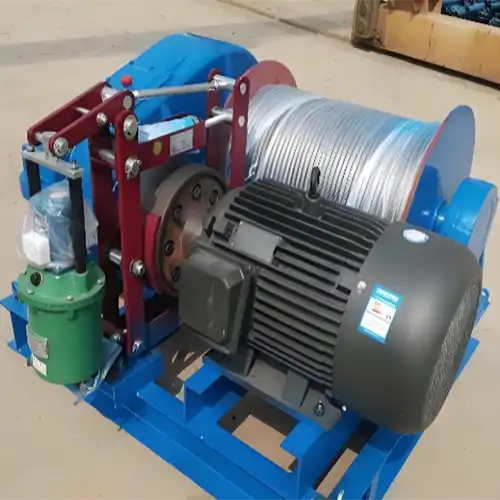
Explosion Proof Electric Winches for Hazardous Environments
Explosion-proof and corrosion-resistant electric winches for hazardous environments. Ensure safety, compliance, and reliable lifting operations.
| Crane Type | Explosion-Proof Electric Winch for Hazardous Environments, with Corrosion-Resistant Design, Ex-Proof Motor & Safety Protection System, Power Supply: 220V–380V/50Hz/3Ph, ISO M4–M6 / FEM 1Am–3m |
| Crane Capacity | 0.5–50 Ton (Common: 1 Ton, 3 Ton, 5 Ton, 10 Ton, 20 Ton) |
| Span Length | Wire Rope Length: 20–200 m (Common: 50 m, 100 m, 150 m) |
| Coverage Area Type | Coverage Type: Fixed Lifting & Pulling Coverage. Installed on cranes, platforms, equipment frames or customized support structures for hazardous environment operations. |
| Application | Used in oil & gas facilities, chemical plants, mines, offshore platforms, shipyards and hazardous industrial areas for safe pulling, lifting and positioning operations. |
| Certifications | CE / ISO / SGS / Other third-party inspection |
| Customization | Options include explosion-proof electric winch, corrosion-resistant electric winch, ExdIIBT4 / ExdIICT4 motor, stainless steel components, galvanized wire rope, VFD control, remote control and customized hazardous environment winch solutions. |
Crane Manufacturer: Yuantai Cranes – 30+ Years Professional Crane Manufacturer from China
Category: Explosion Proof Cranes
Tags: electricwinch
Your Trusted Explosion Proof Electric Winch Manufacturer & Supplier
Electric Winches for Hazardous Environments
Safety, Compliance, and Reliability
Quick Takeaway:
- Safety first: Explosion-proof winches prevent sparks and ignition in flammable or dusty environments.
- Durable and reliable: Corrosion-resistant models withstand chemicals, moisture, and saltwater.
- Regulatory compliance: Designed to meet ATEX, IECEx, and other hazardous area standards.
- Operational efficiency: Properly specified winches reduce downtime and maintenance costs.
- Wide applications: Ideal for chemical plants, mining operations, and offshore platforms.
Introduction
Working in industries like chemical processing, mining, or offshore operations comes with unique safety challenges. Lifting and pulling heavy loads in these environments requires more than just standard equipment. Electric winches for hazardous environments are built to handle the risks safely.
These winches are engineered to operate in explosive atmospheres and corrosive conditions, reducing the chance of accidents and protecting both personnel and assets. Choosing the right winch is not only about compliance—it’s about keeping your team safe and your operation running without interruptions.
Benefits of using hazardous environment electric winches:
- Minimize the risk of sparks or explosions in volatile atmospheres
- Protect workers from potential injuries
- Meet international safety standards like ATEX, IECEx, and NEC
- Reduce maintenance costs and prevent unplanned downtime
Hazardous Environments
Before selecting a winch, it’s essential to understand the type of hazards your facility presents. Hazardous environments are workplaces where flammable, explosive, or corrosive materials are present. Using ordinary lifting equipment in these conditions can lead to serious incidents.
What qualifies as a hazardous environment?
- Areas with flammable gases or vapors
- Spaces where combustible dust can accumulate
- Zones exposed to corrosive liquids or chemicals
Typical applications:
- Chemical plants: Handling flammable liquids, powders, or pressurized containers
- Offshore platforms: Lifting materials and tools in areas with explosive gases and saltwater exposure
- Mining operations: Moving heavy machinery or materials in coal, metal, or mineral dust zones
Key risks:
- Fire or explosion from sparks or overheated components
- Corrosion leading to equipment failure
- Injuries to workers
- Unplanned downtime impacting productivity
Explosion-Proof Electric Winches
In hazardous industries, ordinary electric winches simply aren’t enough. When you’re dealing with flammable gases, vapors, or combustible dust, even a small spark can trigger a serious accident. That’s why explosion-proof electric winches are designed with specialized features to prevent ignition and ensure safe operation.
What Makes a Winch Explosion-Proof
Explosion-proof winches are built to contain any sparks or heat that could ignite the surrounding environment. Key design features include:
- Enclosed motors and controls: Prevent sparks from escaping, keeping the surrounding atmosphere safe
- Flameproof housings: Certified for hazardous zones under standards like ATEX and IECEx
- Specialized brakes and clutches: Reduce the risk of overheating and accidental ignition during operation
These engineering features make explosion-proof winches reliable even in the most volatile conditions, such as chemical processing plants or offshore oil rigs.
Benefits of Explosion-Proof Winches
Investing in an explosion-proof winch brings multiple advantages for industrial operations:
- Reduced ignition risk: Protects workers and facilities from fires and explosions
- Regulatory compliance: Meets international safety standards and local hazardous area regulations
- Consistent performance: Operates reliably under extreme conditions, ensuring smooth lifting and pulling tasks
- Lower operational risk: Minimizes downtime due to safety incidents or equipment failures
For operations in hazardous zones, explosion-proof winches are not optional—they are essential for safety, compliance, and reliability.
Corrosion-Resistant Electric Winches
In many hazardous industries, exposure to moisture, chemicals, or salt can quickly degrade standard lifting equipment. Corrosion-resistant electric winches are designed to withstand these harsh conditions, keeping your operations safe and efficient over the long term.
Materials and Coatings
These winches are built from materials and finishes that resist corrosion and wear:
- Stainless steel drums, gears, and fasteners: Prevent rust and mechanical failure in wet or chemical-heavy environments
- Powder-coated or epoxy-painted surfaces: Add a protective barrier against moisture, acids, and chemicals
- Marine-grade alloys: Specifically designed for offshore applications where saltwater and humidity are constant challenges
Benefits of Corrosion-Resistant Winches
Using corrosion-resistant winches provides clear operational and safety advantages:
- Longer service life: Resists rust and material degradation, even in chemically aggressive or wet environments
- Lower maintenance requirements: Fewer repairs and replacements mean reduced downtime and costs
- Reliable operation: Maintains safety and performance under harsh conditions, protecting both personnel and cargo
- Adaptable to multiple industries: Suitable for offshore platforms, chemical plants, mining operations, and other corrosive work environments
Investing in corrosion-resistant winches ensures your lifting equipment remains reliable, safe, and compliant—even in the toughest conditions.
Key Considerations for Buyers
Selecting the right electric winch for hazardous environments requires careful attention to both operational needs and safety requirements. Not all winches are created equal, and overlooking critical factors can lead to accidents, downtime, or costly retrofits.
Load Capacity and Line Speed
The winch should be rated for the maximum weight and lifting speed your operation demands. Overloading a winch not only increases wear but can also create serious safety hazards. Always consider the peak load and factor in a safety margin.
Hazard Classification
Verify that the winch is compatible with your work environment's hazard zone. Look for certified models rated for:
- Zone 1 / Zone 2 (ATEX)
- Class I / Class II (NEC/NEMA)
Proper hazard classification ensures that the equipment won't ignite flammable gases, vapors, or dust.
Control Systems
Choose winches with controls designed for hazardous areas. Features may include:
- Explosion-proof push buttons
- Remote control operation to keep personnel at a safe distance
- Emergency stop functions that meet hazardous area standards
Environmental Resistance
Consider the conditions the winch will face daily:
- Salt spray or humidity: Especially important for offshore applications
- Chemical exposure: From acids, solvents, or other corrosive materials
- Extreme temperatures: High or low temperatures can affect performance and lifespan
Maintenance and Service
- Availability of certified replacement parts
- Manufacturer support and technical guidance
- Ease of maintenance procedures without compromising safety
Practical Applications
Electric winches designed for hazardous environments are widely used across industries where safety and reliability are non-negotiable. Their specialized design ensures operations can continue without putting personnel or equipment at risk.
Chemical Plants
- Lift drums, tanks, and containers safely
- Handle hazardous chemicals without risk of sparks or spills
- Reduce downtime caused by equipment failure or safety incidents
Mining Operations
- Move heavy machinery and materials safely
- Work efficiently in dusty or potentially explosive atmospheres
- Ensure worker safety while maintaining operational productivity
Offshore Platforms
- Safe lifting and winching of tools, equipment, and materials
- Protection against corrosion from salt spray and harsh weather
- Reliable operation even under extreme offshore conditions
Conclusion
Investing in explosion-proof and corrosion-resistant electric winches is more than a regulatory requirement—it’s a key part of keeping your operation safe and efficient. The right winch protects personnel, prevents accidents, and ensures that lifting and pulling tasks can be carried out reliably, even in the most challenging hazardous environments.
When selecting a winch, consider load capacity, hazard classification, environmental resistance, and maintenance support to make sure your equipment meets both safety standards and operational demands.
Next steps: Partner with certified winch manufacturers who specialize in hazardous environment solutions. They can help you choose models that match your specific industry, environment, and workflow needs, ensuring long-term safety and performance.

Yuantai Cranes
Overhead Crane Manufacturer with CE, ISO, SGS, CNEX Certificates.
- Main Specifications - Capacity: 0.5–550 tons | Span: up to 40m | Speed: 0.8–12 m/min | Duty: A3–A7 | Power: 380–690V, 50/60Hz | Control: pendant/remote/cabin
- Full engineering: FEA/PLC/VFD + in-house build + global delivery + on-site support, for workshops, factories, EPC contractors, industrial projects, etc.
- Support: design, manufacturing, testing, service – end-to-end, customized lifting solutions worldwide.
How to Get an Accurate Crane Price for Your Application?
Tips: Copy the spec list, fill in your details, and paste it into the form on the right/ down-below for a quick price.
- Crane type:_____ . (e.g., overhead crane, gantry crane, jib crane)
- Max weight to lift:_____ tons. (e.g., 2t, 5t, 10t, 20t, 50t)
- Lifting height:_____ m. (How high does the hook need to reach?
- Workshop width (span):_____ m . (Distance between the two crane rails)
- Travel distance:_____ m . (How long does the crane need to move along the runway?)
- Control type:_____. (Pendant / remote / cabin Control)
- Power supply:_____. (Local voltage & frequency – e.g., 380V, 50Hz, 3-phase)
- What will it be used for?_____ (e.g., steel fabrication, concrete products, mold handling, general manufacturing, etc.)
- Any special requirements?_____ (e.g., extreme temperature, dusty or explosive environment, special paint color, etc.)
Just leave a message via the contact form and our hoist and crane engineer will contact you with in 24working hours.
Get Your Custom Quote–Quick & Easy
Fill in what you know. Skip what you don't – we'll help.Any question will be reply with 24 working hours