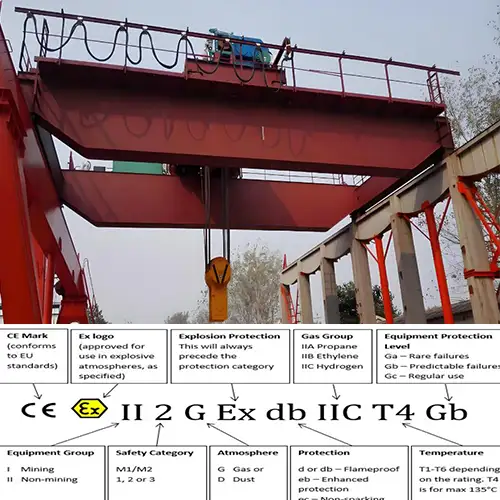
CNEX-Certified Explosion-Proof Cranes, ExProof Overhead Cranes
Learn why CNEX-certified overhead cranes ensure safety, reliability, and compliance. A practical buyer’s guide for hazardous industrial environments.
| Crane Type | CNEX-Certified Explosion-Proof Overhead Crane for Hazardous Material Handling, with Explosion-Proof Electric Hoist System, Power Supply: 220V–380V/50Hz/3Ph, ExdIIBT4 / ExdIICT4, ISO A5–A6 / FEM 2m–3m |
| Crane Capacity | 3–320 Ton (Common: 5 Ton, 10 Ton, 20 Ton, 50 Ton) |
| Span Length | 10–40 m (Common: 15 m, 20 m, 25 m, 30 m) |
| Lifting Height | 6–30 m (Common: 8 m, 10 m, 12 m, 15 m, 20 m) |
| Coverage Area Type | Coverage Type: Rectangular Working Area Coverage. Installed on indoor runway beams or customized support structures for safe lifting operations in hazardous zones. |
| Application | Used in oil & gas plants, chemical factories, petrochemical facilities, pharmaceutical plants, mining areas and hazardous workshops where explosive gases, vapors or dust may occur. |
| Certifications | CE / ISO / SGS / Other third-party inspection |
| Customization | Options -CNEX-certified explosion-proof overhead crane, explosion-proof single girder crane, double girder bridge crane, explosion-proof electric hoist, ExdIIBT4 / ExdIICT4, anti-corrosion treatment, VFD & customized hazardous environment cranes |
Crane Manufacturer: Yuantai Cranes – 30+ Years Professional Crane Manufacturer from China
Category: Explosion Proof Cranes
Tags: explosionproofcrane
Your Trusted Explosion Proof Overhead Crane Manufacturer & Supplier
CNEX-Certified Explosion-Proof Cranes
A Buyer's Guide to Safety and Reliability
Introduction
Explosion-proof cranes are essential for safe operations in hazardous industrial environments. Certification proves that these cranes meet strict safety standards, and CNEX (GB 3836) is China's national standard ensuring verified protection and long-term reliability for buyers.
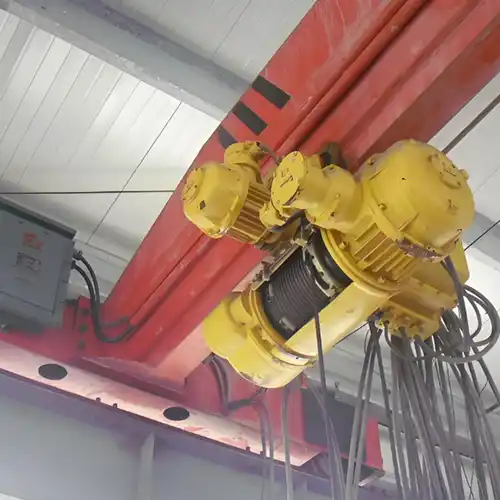
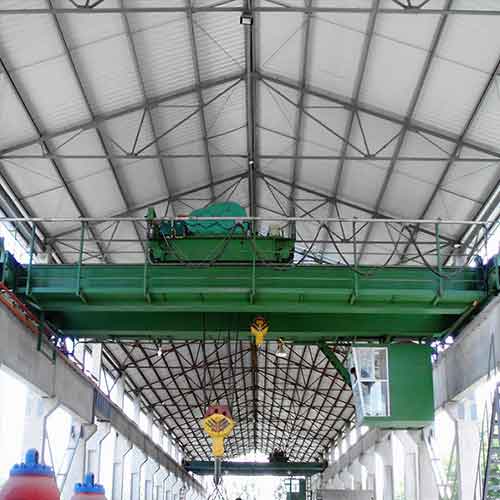
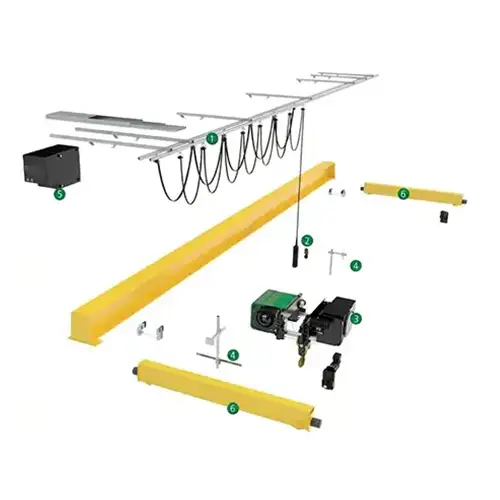
European style explosion proof crane with exploison proof low headroom hoist trolley and explosion proof open winch trolley
Why Explosion-Proof Cranes Matter
In industrial environments like chemical plants, refineries, steel mills, or mining sites, safety is not optional—it's critical.
Explosion-proof cranes are specially designed to operate in hazardous areas where sparks, heat, or friction could ignite flammable gases, dust, or vapors.
Using a standard crane in these environments can be extremely risky. One wrong move could damage equipment, halt production, or even cause serious accidents.
In short: these cranes are built to protect your people, your facility, and your operations.
The Role of Certification
Certification is more than paperwork—it's proof that the crane has been tested and approved for safe use in explosive atmospheres.
A certified crane ensures:
- Electrical and mechanical systems are explosion-proof.
- Critical components like motors, hoists, and control units meet strict safety standards.
- Reduced risk of accidents, downtime, and costly repairs.
For buyers, certification is a practical way to verify that the crane will perform safely and reliably under real working conditions.
What CNEX Certification Means
CNEX is China's official certification for explosion-proof equipment, based on the GB 3836 national standard.
It covers:
- Electrical apparatus like motors, drives, and control panels.
- Mechanical components such as hoists and braking systems.
- Complete crane systems operating in explosive zones.
CNEX-certified cranes are tested for:
- Flameproof enclosures and spark control.
- Overload protection and mechanical integrity.
- Safe operation in Zone 0, 1, or 2 hazardous areas.
Why Buyers Should Care
Choosing a CNEX-certified crane gives buyers confidence in:
- Safety: Protects staff and prevents accidents in hazardous zones.
- Reliability: Cranes are tested to operate consistently under tough conditions.
- Compliance: Meets Chinese safety standards, which are recognized internationally.
- Investment: Reduces maintenance costs and equipment downtime over time.
Whether you are a domestic industrial buyer or an export client in a region with limited regulations, CNEX certification shows that the crane has real, verifiable protection.
Quick Takeaways
- Explosion-proof cranes are essential for hazardous industrial environments.
- Certification proves that the crane is safe and reliable.
- CNEX (GB 3836) is China's national standard for explosion-proof equipment.
- CNEX-certified cranes offer verified protection, long-term reliability, and peace of mind for buyers.
What CNEX Certification Means for Buyers
CNEX certification provides buyers with confidence that their cranes are safe, reliable, and compliant for operation in explosive or hazardous industrial environments.
Definition and Scope
CNEX stands for China National Explosion-Proof Certification. It is the official standard that ensures industrial equipment, including cranes, is safe to use in explosive or hazardous environments.
CNEX covers both electrical and mechanical components, meaning that everything from motors and control panels to hoists and full crane systems is tested to prevent sparks, overheating, or mechanical failure.
The certification is based on the GB 3836 series of national standards, which set out the design, testing, and inspection requirements for equipment operating in explosive atmospheres.
Key points buyers should know:
- Applies to complete crane systems, not just individual parts.
- Includes electrical components like motors, drives, and control panels.
- Covers mechanical systems, including hoists, brakes, and load-handling devices.
- Designed to protect personnel and facilities in hazardous zones.
Certification Process
Getting CNEX certification isn't just a formality—it's a thorough process that verifies the crane's ability to operate safely in hazardous conditions.
The main steps include:
- Design Verification: Checks that both electrical and mechanical systems meet explosion-proof requirements.
- Laboratory Testing: Equipment is tested for flameproofing, spark prevention, and overload protection under controlled conditions.
- Documentation & Labeling: Certified cranes come with official documents and CNEX labels to prove compliance.
- Periodic Re-Certification: Ensures ongoing reliability and safety over the crane's operational life.
This process gives buyers confidence that the crane will perform safely under real-world conditions, not just in theory.
Hazard Zone Classification
CNEX certification also specifies which hazardous areas the crane is safe to operate in. Understanding these zones is important for choosing the right crane.
- Zone 0: Areas where explosive gases or vapors are present continuously or for long periods.
- Zone 1: Areas where explosive gases or vapors are likely to occur during normal operation.
- Zone 2: Areas where explosive gases or vapors are not likely to occur, but if they do, it is for a short time only.
CNEX-certified cranes are tested and marked for the appropriate zone. This ensures that the crane's electrical and mechanical systems are built to prevent ignition in that specific environment.
Practical advice for buyers:
- Always check the crane's certified zone against your facility's hazardous area classification.
- Ensure all critical components (motor, hoist, control system) are included in the certification.
- Use the zone classification as a reference when planning crane placement and operation.
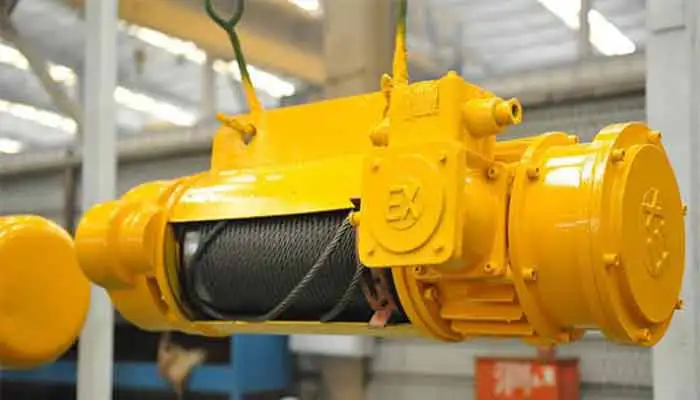
Explosion proof wire rope electric hoist
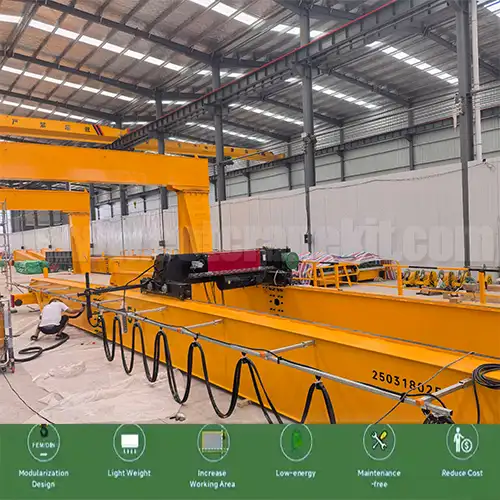
15 ton explosion proof crane project for your reference
Safety Mechanisms Ensured by CNEX
CNEX certification reflects real, tested safety measures built into every crane. These mechanisms protect personnel and equipment, ensuring safe operation in hazardous areas.
Electrical Safety
Electrical components are often the main source of sparks or heat in a crane. CNEX-certified cranes include:
- Explosion-proof motors and control units: Motors are sealed and designed to operate safely even in explosive atmospheres.
- Encapsulation and flameproof housings: Critical electrical parts are enclosed to prevent sparks from escaping and igniting surrounding gases or dust.
- Prevention of short circuits and overheating: Electrical systems are carefully designed to avoid common causes of fire or explosions.
Why this matters for buyers:
These protections mean you can operate the crane in chemical or dust-prone areas without constantly worrying about sparks, unexpected stops, or equipment failure.
Mechanical Safety
Mechanical failure can be just as dangerous as electrical sparks. CNEX certification ensures:
- Structural integrity: Crane girders, trolleys, and hoists are built to handle the rated load without bending or cracking.
- Load-limiting devices and emergency brakes: Prevents overloads that could cause accidents or damage equipment.
- Protection against friction and sparks: Moving parts are designed to minimize heat and friction that could ignite flammable substances.
Practical takeaway for buyers:
A CNEX-certified crane won't just lift heavy loads—it will do so safely, even under continuous use in harsh industrial conditions.
Integrated Safety Systems
Safety is strongest when electrical and mechanical systems work together. CNEX-certified cranes often include:
- Monitoring systems: Track crane operation and detect abnormal conditions before they become dangerous.
- Emergency stop functions: Allow operators to halt operations immediately if needed.
- Fail-safe mechanisms: Ensure the crane defaults to a safe state during power failure or system malfunction.
Why it matters:
For buyers, integrated safety means fewer surprises. The crane can handle unexpected events without putting personnel or production at risk.
Key Takeaways
- CNEX ensures electrical safety with explosion-proof motors and flameproof enclosures.
- CNEX guarantees mechanical reliability through robust structures, load limits, and spark prevention.
- CNEX-certified cranes integrate electrical and mechanical systems for full operational safety, including monitoring and emergency stops.
- Buyers can trust that these cranes are ready for real-world, hazardous industrial conditions.
Reliability and Operational Benefits
Investing in a CNEX-certified explosion-proof crane is more than buying lifting equipment—it's ensuring long-term safety, reliability, and operational efficiency in hazardous industrial environments.
Consistent Performance in Harsh Environments
CNEX-certified cranes are tested for extreme conditions before they leave the factory. This includes:
- High temperatures and heavy heat exposure.
- Dusty or powder-laden environments, common in chemical or cement plants.
- High humidity or wet conditions that could compromise standard cranes.
- Presence of flammable gases or vapors in Zone 0, 1, or 2 areas.
Buyer benefit: You can trust that the crane will operate safely and reliably every day, without unexpected failures or safety hazards.
Reduced Downtime and Maintenance Costs
Because CNEX-certified cranes are designed and tested for durability, they require less frequent repair or emergency maintenance.
- Electrical systems are protected against sparks, short circuits, and overheating.
- Mechanical systems, including hoists and brakes, are built to withstand repeated heavy use.
- Integrated monitoring and fail-safe features help prevent small issues from becoming major problems.
Practical advantage: Lower downtime means higher productivity and fewer interruptions in your operations.
Long Service Life in High-Risk Environments
Industrial environments are tough on equipment. CNEX certification ensures that your crane has the structural and electrical integrity to last for years.
- Heavy-duty steel and reinforced girders resist wear and deformation.
- Motors and hoists are engineered for repeated loads without overheating.
- Components are designed to maintain performance even in corrosive or hazardous atmospheres.
Buyer takeaway: Investing in a CNEX-certified crane reduces the need for frequent replacements, saving time and money over the life of the crane.
Confidence in Component Performance
CNEX certification gives buyers peace of mind that every critical component will function safely under challenging conditions:
- Electrical motors and control units operate reliably in explosive zones.
- Hoists and trolleys handle heavy loads without mechanical failure.
- Safety systems such as load limiters and emergency stops are fully functional when needed.
In short: CNEX-certified cranes let you focus on production, not constant worry about equipment failure or hazardous incidents.
Key Takeaways
- CNEX certification ensures cranes perform consistently in heat, dust, humidity, and explosive atmospheres.
- Reduces downtime and maintenance costs through robust design and monitoring systems.
- Extends service life even in high-risk industrial environments.
- Provides buyers with confidence that electrical and mechanical components will operate safely and reliably.
Why CNEX Certification Matters to Buyers
CNEX certification isn't just a regulatory requirement—it's a practical tool for buyers to ensure safety, reliability, and long-term value. Whether operating domestically or exporting cranes internationally, CNEX provides clear benefits.
Domestic Buyers
For industrial buyers within China, CNEX certification ensures that your crane meets national safety standards.
- Regulatory Compliance: Certified cranes meet the requirements of GB 3836, keeping your operations within legal safety frameworks.
- Personnel Safety: Protects workers from sparks, explosions, or mechanical failures in hazardous zones.
- Operational Reliability: Reduces unexpected downtime and ensures smooth production workflows.
- Lower Liability and Insurance Risk: Using certified cranes can help reduce insurance costs and legal exposure in the event of an accident.
Buyer insight: Domestic buyers can operate with confidence, knowing their crane is legally compliant and built to safely handle hazardous materials.
Export Buyers
For buyers outside of China, CNEX certification provides technical credibility, especially in regions with minimal regulation.
- Verified Safety: Shows that the crane has been independently tested for explosion-proof performance.
- Differentiation: CNEX certification distinguishes your crane offering as a safe, proven solution in the global market.
- Easier Project Approval: International projects that require verified safety or hazard protection often prefer or require certified equipment.
Practical takeaway: Export buyers can rely on CNEX as a recognized benchmark for crane safety, making it easier to secure approval and gain trust from overseas clients.
Investment Protection
CNEX certification is not just about safety—it protects your business and investment over time.
- Avoid Costly Failures: Reduces the risk of accidents that can damage equipment or halt production.
- Long-Term Efficiency: Certified cranes are built for reliable performance under tough conditions, minimizing maintenance and downtime.
- Better ROI: Investing in CNEX-certified cranes means fewer replacements, repairs, and operational interruptions.
Key point: For buyers, CNEX-certified cranes represent both safety and practical value—they protect people, equipment, and your bottom line.
Key Takeaways
- Domestic buyers benefit from regulatory compliance, safety, and reduced liability.
- Export buyers gain international credibility, easier approvals, and verified protection.
- Investment protection comes from reduced accidents, longer crane life, and reliable operations.
- CNEX certification is a clear signal that the crane is safe, reliable, and built to last.
Buyer Considerations Before Purchase
Choosing an explosion-proof crane is not just about price or brand—it's about making sure it will perform safely and reliably in your specific environment. CNEX certification is important, but there are several practical steps buyers should take before committing.
Verify Certification Documents and Labeling
Always check the CNEX certificate and the official labeling on the crane.
- Ensure the certificate is current and issued by an authorized CNEX testing body.
- Confirm that the label matches the certificate and clearly identifies the crane and its components.
- Watch out for incomplete or unclear documentation—this can be a red flag for non-compliant equipment.
Tip for buyers: Never rely solely on a verbal claim of certification—request the official documents.
Confirm Hazard Zone Classification
Not all CNEX-certified cranes are suitable for every environment. Check the hazard zone classification.
- Zone 0, 1, or 2: Make sure the crane is rated for the specific type of explosive atmosphere in your facility.
- Match crane selection to your plant's conditions, whether it's flammable gases, vapors, or dust.
Practical note: Using a crane rated for a lower-risk zone in a high-risk area can be extremely dangerous.
Ensure All Critical Components Are Certified
A certified crane is only as safe as its parts. Verify that all key components have CNEX approval.
- Motors and drives
- Hoists and trolleys
- Control systems, including panels and switches
Why it matters: Even if the crane body is certified, uncertified components could compromise safety.
Evaluate Maintenance and Support
Check whether the supplier offers ongoing support for maintenance, spare parts, and re-certification.
- Availability of replacement parts locally or via fast shipping.
- Guidance on periodic inspections or re-certification requirements.
- Access to service technicians familiar with CNEX standards.
Buyer insight: A crane may be safe today, but lack of support can make it risky and costly over time.
Align Crane Selection With Your Workflow
Finally, make sure the crane meets your operational needs.
- Lifting capacity: Does it handle your maximum loads safely?
- Span and coverage: Will it reach all required areas of your facility?
- Environment: Consider temperature, dust, humidity, and frequency of use.
Tip: CNEX certification ensures safety, but you still need the crane to fit your workflow and production requirements.
Key Takeaways
- Always verify CNEX certification documents and labeling.
- Match the crane's hazard zone classification to your facility.
- Confirm all critical components are certified.
- Ensure ongoing maintenance, parts availability, and re-certification support.
- Align the crane's capacity and design with your operational needs.
Target Markets
CNEX-certified explosion-proof cranes are designed to meet the needs of buyers who operate in hazardous environments. Understanding who benefits most from these cranes can help you evaluate whether they are the right choice for your operation.
Domestic Industrial Buyers
Within China, industrial buyers in high-risk sectors rely heavily on CNEX certification to meet safety standards and protect personnel.
Key sectors include:
- Chemical and Petrochemical Plants: Handling flammable liquids, gases, and powders safely.
- Mining Operations: Lifting heavy loads in dusty, potentially explosive atmospheres.
- Steel Mills: Operating in high-temperature, dust-heavy environments.
- Power Plants: Safely moving materials where flammable gases or dust may be present.
Practical note: For domestic buyers, CNEX certification is not just a safety measure—it ensures compliance with national safety regulations and reduces liability.
Export Buyers
For buyers outside of China, CNEX-certified cranes provide verified safety and credibility, especially in regions with minimal regulatory oversight.
Why export buyers benefit:
- Offers proof of technical safety in hazardous environments.
- Differentiates your crane offering from non-certified alternatives.
- Simplifies approval for international projects requiring explosion-proof equipment.
Buyer insight: CNEX certification can make your crane selection more credible and trustworthy for overseas clients and projects.
Project Types
CNEX-certified cranes are suitable for a wide range of industrial projects, including:
- New Installations: For facilities being built in hazardous environments.
- Plant Upgrades: Replacing older cranes with safer, certified alternatives.
- Replacement Cranes: For hazardous zones where safety, reliability, and compliance are critical.
Practical takeaway: Whether starting fresh or upgrading existing equipment, CNEX certification ensures that your crane meets both operational and safety needs.
Key Takeaways
- Domestic buyers in chemical, petrochemical, mining, steel, and power sectors benefit from regulatory compliance and operational safety.
- Export buyers gain credibility and verified protection in regions with limited regulations.
- CNEX-certified cranes are suitable for new installations, upgrades, and replacements in hazardous environments.
- Choosing CNEX-certified cranes ensures both safety and practical value for a wide range of industrial applications.
Quick Reference
To make this guide even more practical for buyers, consider including these helpful tools. They make it easier to verify CNEX certification, compare components, and select the right crane for your facility.
Quick Reference Table: Key CNEX Standards vs. Crane Components
A simple table helps buyers understand which parts of the crane are covered by CNEX certification and what standards apply:
| Component | CNEX Standard | What It Ensures |
|---|---|---|
| Motor | GB 3836-2 | Explosion-proof operation; prevents sparks and overheating |
| Hoist | GB 3836-4 | Load integrity; safe lifting in hazardous zones |
| Control Panel | GB 3836-1 | Flameproof enclosures; reliable electrical operation |
| Trolley & Girders | GB 3836-5 | Mechanical strength; structural integrity under load |
Buyer benefit: Quickly see which parts are certified and understand the practical protections each component provides.
Checklist for Buyers: Confirming CNEX Certification and Suitability
Before purchasing, buyers should run through a short checklist:
- Is the CNEX certificate official and current?
- Does the certification cover all critical components (motor, hoist, controls)?
- Is the crane rated for your hazardous zone (Zone 0, 1, or 2)?
- Are maintenance, spare parts, and re-certification services available?
- Does the crane match your lifting capacity, span, and operational workflow?
Practical takeaway: Using a checklist ensures you select a crane that is both safe and fit for your operation.
Practical Tip: Align Crane Selection With Your Hazardous Zone and Load Requirements
- Identify the exact type of hazardous environment in your facility (gas, vapor, dust).
- Match the crane's zone classification to your facility's conditions.
- Confirm that the crane's lifting capacity and span meet operational needs, not just the maximum theoretical load.
- Factor in frequency of use and maintenance access to prevent downtime.
Buyer insight: Even a fully certified crane can be unsafe or inefficient if it's not suited to your specific facility requirements.
Key Takeaways for Buyers
- Quick reference tables simplify understanding CNEX standards for each crane component.
- Checklists ensure you verify certification, hazard zone suitability, and operational fit.
- Practical alignment tips help match the crane to your environment and workflow.
- Using these add-ons makes CNEX-certified crane selection safer, easier, and more reliable.
Conclusion
CNEX certification is more than just a mark on a certificate. It represents real safety, tested reliability, and compliance with strict standards for operating in hazardous industrial environments. For buyers, it's a practical assurance that the crane has been designed and verified to prevent accidents, protect personnel, and maintain smooth operations.
Choosing a CNEX-certified explosion-proof crane helps you:
- Make informed purchasing decisions based on verified technical standards.
- Minimize operational risk by ensuring both electrical and mechanical components are safe.
- Maintain continuous production with equipment designed for tough conditions.
Practical takeaway for buyers: Prioritizing CNEX-certified cranes isn't just about regulatory compliance—it's about long-term protection, efficiency, and peace of mind. By choosing certified solutions, you're investing in safety, reliability, and operational performance that lasts.
Key Takeaways
- CNEX certification guarantees real-world safety and crane reliability.
- Certified cranes reduce risk and support operational continuity.
- Investing in CNEX-certified cranes provides long-term protection and efficiency for industrial operations.
- Buyers can trust that all critical components are tested and verified for hazardous environments.

Free consultation to Confirm Parameters & Specifications and Get
Latest Crane Price & Crane Rate.
- Types of overhead cranes : _______?
- Optional: Overhead travelling crane, goliath gantry crane,Slewing jib crane, Single girder or double girder crane,small portable crane or kbk crane, etc.
- Capacity of overhead crane: _______?
- Optional: 0.25ton, 0.5 ton, 1 ton, 2 ton, 3ton, 5 ton, 10 ton,15ton, 20ton, 25 ton, 30ton,35ton, up to 550ton, etc.
- Crane span & lifting height : _______?
- Crane travelling length : _____?
- Control of overhead crane:_______?
- Optional: pendant/ remote/cabin control
- Voltage supply of overhead crane:_____?
- Eg,: 380V50/60HZ,3Phase or others,etc.
- Application/usage of crane:_______?
- Eg,: Steel mill, ,injection mold, cement,stone, concrete,granite, general manufacturing, etc.
Just leave a message via the contact form and our hoist and crane engineer will contact you with in 24working hours.
Get In Touch