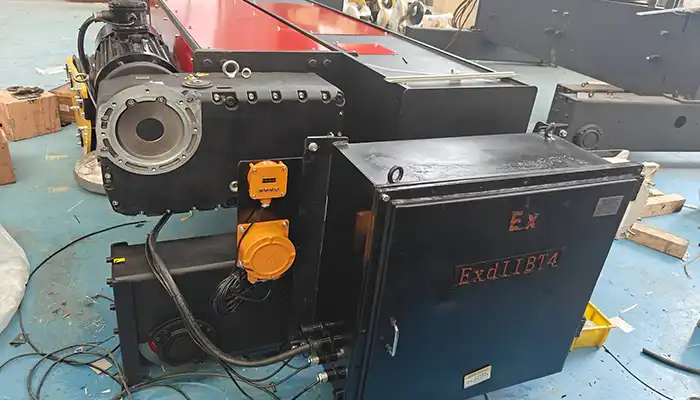
Custom Explosion-Proof Cranes for Multi-Hazard Plants
menu_open
Content Quick Link
Customizing Explosion-Proof Cranes for Multi-Hazard Environments
Key Takeaway
Selecting the right explosion-proof crane for multi-hazard environments means combining explosion-proof, chemical-resistant, and high-temperature features into a single, reliable system. A properly customized explosion-proof overhead crane or explosion-proof bridge crane ensures safety, compliance, and smooth, uninterrupted production in steel mills, chemical plants, and metal processing facilities. These cranes are not just about lifting heavy loads—they are about protecting workers, equipment, and your entire production process.
Choosing the right explosion-proof crane for multi-hazard environments is about more than lifting capacity—it's about safety, compliance, and reliability.
Why it matters:
- Protects workers, equipment, and production processes.
- Ensures uninterrupted operations in steel mills, chemical plants, and metal processing facilities.
Core Features to Look For:
- Explosion-proof design: Prevents sparks or ignition in hazardous zones.
- Chemical-resistant components: Guards against corrosion from fumes or liquids.
- High-temperature adaptations: Maintains performance near furnaces or hot materials.
Practical Advice for Buyers:
- Prioritize cranes tailored to your plant's specific hazards.
- Consider explosion-proof overhead cranes or bridge cranes with integrated protections.
- Work with experienced suppliers to ensure safe, compliant, and long-lasting solutions.
Introduction
In today's industrial world, plants are more complex than ever. You have steel mills with molten metal, chemical plants handling corrosive liquids, and metal processing workshops exposed to dust, heat, and flammable gases. In such environments, using a standard overhead crane or hoist is risky and often non-compliant. That's where explosion-proof hoist cranes and explosion-proof bridge cranes come in—they're designed specifically for hazardous zones, where sparks, heat, or corrosive substances could cause serious accidents.
Explosion-proof cranes differ from regular cranes in several key ways:
- Electrical Safety: The motors, switches, and control systems are fully enclosed and certified for explosive atmospheres.
- Mechanical Protection: Critical moving parts are shielded to prevent sparks and withstand harsh conditions.
- Compliance: Built to meet ATEX, IECEx, NEC, or other local and international hazardous environment standards.
For crane buyers, understanding these differences is crucial. Not every overhead crane can operate safely in an area with flammable gases or corrosive chemicals. A wrong choice can lead to costly downtime, regulatory issues, or even dangerous incidents.
The purpose of this guide is simple: to help buyers in steel, chemical, or metal processing industries understand how to select or customize explosion-proof cranes that can handle multiple hazards at once. By the end, you should know what to look for in a crane, which features are non-negotiable, and how to ensure the system fits your plant's unique conditions.
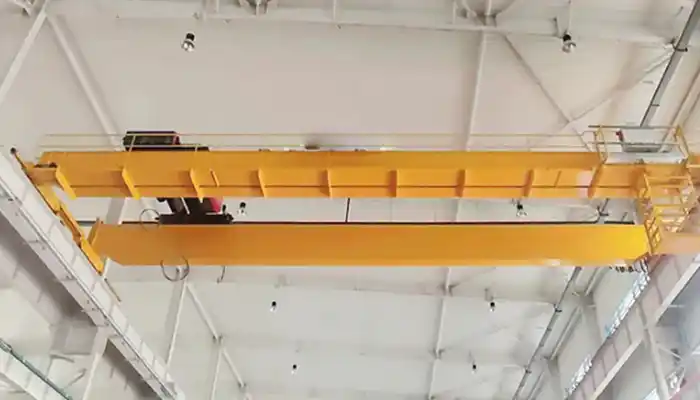
Explosion proof overhead cranes for sale , Tailored Euroepan style Overhead Cranes with Low Headroom Explosion proof Hoist
Multi-Hazard Risks for Explosion-Proof Cranes
Operating cranes in hazardous industrial environments goes beyond lifting heavy loads. For buyers of explosion-proof overhead cranes, explosion-proof bridge cranes, or explosion-proof hoist cranes, understanding the types of risks is essential to choose the right equipment.
Explosion Hazards
Plants handling flammable gases, vapors, or combustible dust are high-risk zones for explosions. Selecting the right explosion-proof crane begins with understanding these hazards.
Hazard Classifications:
- Zone 0: Explosive atmosphere present continuously or long-term.
- Zone 1: Likely to occur during normal operations.
- Zone 2: Possible only under abnormal conditions.
Why it matters:
- Explosion-proof overhead cranes prevent sparks that could ignite flammable substances.
- Certified explosion-proof bridge cranes comply with ATEX, IECEx, or NEC standards, reducing accident risk.
Chemical Hazards
Corrosive chemicals in processing plants can damage crane structures, hoists, and control systems over time.
Practical Considerations:
- Use corrosion-resistant materials, such as stainless steel or specialized alloys.
- Apply protective coatings like epoxy or polyurethane on bridge, trolley, and hoist parts.
- Seal electrical components to prevent chemical ingress.
Benefits for Buyers:
- Ensures long-term functionality of explosion-proof bridge cranes.
- Reduces frequent maintenance and replacement costs.
High-Temperature Hazards
High temperatures from furnaces, molten metal, or industrial processes can affect crane performance.
Design Features for High-Temperature Areas:
- Heat-resistant wires and cabling for hoist cranes.
- Specialized lubricants for gears and bearings.
- Motor housings designed to handle elevated ambient temperatures.
Why it's important:
- Prevents equipment failures caused by overheating.
- Keeps explosion-proof hoist cranes operational near furnaces or hot surfaces.
Combined Hazards
Many plants feature overlapping hazards, such as flammable dust, corrosive chemicals, and heat.
What Buyers Should Know:
- Components must resist multiple hazards simultaneously.
- Explosion-proof motors, chemical-resistant coatings, and heat-tolerant parts must be integrated without compromising performance.
- Maintenance schedules should check for corrosion, wear, and heat-related damage.
- Operators need training to handle cranes safely in combined hazard zones.
Takeaway: Selecting the right explosion-proof crane for multi-hazard environments means planning for all hazards together, not separately. This ensures safety, compliance, and reliable operation in steel, chemical, or metal processing plants.
Core Customization Strategies for Explosion-Proof Cranes
When selecting or designing an explosion-proof crane for a multi-hazard environment, the key is to address each hazard type while maintaining safe and efficient operation. Below are practical strategies that buyers should consider.
Explosion-Proof Electrical and Mechanical Features
Explosion-proof cranes rely on specialized electrical and mechanical components to prevent sparks or ignition in hazardous zones.
Key Design Considerations:
- Motors and Drives: Fully enclosed, explosion-proof motors rated for hazardous zones.
- Switches and Controls: Certified explosion-proof switches, push buttons, and control panels.
- Mechanical Protection: Enclosed gears and moving parts to prevent friction sparks.
- Compliance: Ensure the crane meets ATEX, IECEx, NEC, or other relevant international safety standards.
These features are essential for explosion-proof overhead cranes and bridge cranes operating near flammable gases, vapors, or combustible dust.
Chemical-Resistant Design
In chemical processing or metal finishing plants, exposure to corrosive liquids or fumes can shorten the lifespan of a crane if not properly addressed.
Practical Solutions:
- Material Selection: Stainless steel, corrosion-resistant alloys, or coated components for the bridge, hoist, and trolley.
- Protective Coatings: Epoxy or polyurethane layers to prevent chemical damage.
- Electrical Sealing: Enclosures and cable glands designed to prevent chemical ingress.
With these adaptations, explosion-proof bridge cranes and hoist cranes can operate reliably in corrosive environments with minimal maintenance.
High-Temperature Adaptations
High heat from furnaces, molten metal, or other industrial processes can affect wires, brakes, lubrication, and electrical systems.
Important Features for Heat-Tolerant Cranes:
- Wire Ropes and Cables: Use heat-resistant materials to prevent stretching or melting.
- Brakes and Bearings: High-temperature rated lubricants and friction materials.
- Enclosures: Insulated or ventilated motor housings to maintain safe operating temperatures.
These features allow high-temperature explosion-proof hoist cranes to lift safely and reliably in hot production areas.
Integrating Multi-Hazard Solutions
The most effective cranes combine protection against explosions, chemicals, and heat in one system without sacrificing performance.
Integration Tips:
- Combine explosion-proof motors, chemical-resistant coatings, and heat-tolerant mechanical components.
- Verify that lifting capacity, span, and operational speed are not compromised.
- Conduct testing in the plant environment to ensure all hazards are addressed simultaneously.
Takeaway: A well-integrated custom explosion-proof bridge crane or hoist crane provides long-term safety, compliance, and uninterrupted production, even in complex multi-hazard facilities.
Material and Component Considerations
When selecting an explosion-proof crane, the choice of materials and components is critical. The right components ensure the crane withstands multiple hazards—explosion risk, chemical exposure, and high temperatures—without frequent maintenance or downtime.
Wire Ropes, Chains, and Hoists
The lifting system is the heart of any crane. For multi-hazard environments, you need components that are not only strong but resistant to heat, chemicals, and dust.
Key Points for Buyers:
- Wire Ropes: Use heat-resistant and corrosion-resistant ropes for high-temperature and chemical environments.
- Chains: Select alloy or stainless steel chains with protective coatings.
- Hoists: Choose explosion-proof hoist cranes rated for your plant's zone classification, with sealed motors and gears.
These choices directly impact safety, load reliability, and operational efficiency.
Bearings, Gears, and Drums
Mechanical parts are often the first to fail under harsh conditions if not properly protected.
Best Practices:
- Bearings: High-temperature and corrosion-resistant bearings extend service life.
- Gears: Use precision gears with protective coatings to prevent wear from chemical exposure or dust.
- Drums: Ensure hoist drums are coated or made from alloys that resist both heat and corrosion.
Proper selection here ensures your explosion-proof bridge crane or overhead crane operates smoothly and safely over years of heavy-duty use.
Electrical Enclosures
Electrical systems in hazardous zones must be fully protected to prevent sparks or failures.
Key Considerations:
- Sealed Enclosures: Protect motors, control panels, and wiring from dust, moisture, and chemicals.
- Cooling and Insulation: Ensure heat dissipation for high-temperature environments.
- Certification: Verify ATEX, IECEx, or NEC compliance for all electrical enclosures.
Well-designed electrical components keep the crane running safely and reduce downtime, while meeting legal and safety standards for hazardous areas.
Takeaway
Choosing the right materials and components is as important as the crane design itself. From hoists and wire ropes to gears, bearings, and electrical enclosures, every element should be rated for explosion-proof, chemical-resistant, and high-temperature conditions to ensure safe and reliable operation.
Installation and Operational Best Practices
Installing and operating an explosion-proof crane correctly is just as important as selecting the right model. Proper installation, regular maintenance, and trained operators ensure that your explosion-proof overhead cranes, bridge cranes, or hoist cranes remain safe and reliable in multi-hazard environments.
Optimizing Crane Placement
Placement of the crane within the plant can greatly reduce exposure to hazards and prolong equipment life.
Practical Tips:
- Position cranes away from direct contact with flammable gases, chemical splashes, or heat sources where possible.
- Ensure sufficient clearance above and around the crane for safe operation and emergency access.
- Align runways and travel paths to minimize exposure to dust, fumes, or corrosive materials.
Careful placement reduces the risk of accidents and limits the frequency of maintenance caused by harsh environmental conditions.
Preventive Maintenance
Regular maintenance is critical for cranes operating in explosive, chemical, or high-temperature environments.
Recommended Practices:
- Inspect explosion-proof hoist cranes and bridge cranes for wear, corrosion, and overheating.
- Check wire ropes, chains, gears, and bearings for damage or chemical corrosion.
- Verify electrical systems, enclosures, and control panels for proper sealing and function.
- Schedule maintenance based on manufacturer recommendations and plant conditions.
A proactive maintenance routine keeps cranes operational, ensures compliance with safety regulations, and avoids unexpected downtime.
Operator Training
Even the best crane will fail if operators do not understand how to handle it safely in hazardous conditions.
Key Training Areas:
- Proper operation of explosion-proof overhead cranes and bridge cranes.
- Awareness of plant-specific hazards: flammable gases, chemical exposure, and heat zones.
- Emergency procedures and shutdown protocols.
- Routine inspections and reporting of abnormalities before they escalate.
Well-trained operators help maintain safety, reduce risks, and extend the life of your crane system.
Takeaway
Correct installation, preventive maintenance, and operator training are essential steps in protecting both people and equipment. Following these best practices ensures that explosion-proof cranes perform safely and efficiently in multi-hazard industrial environments.
Case Studies for Reference
Practical examples help crane buyers understand how explosion-proof cranes perform in real-world multi-hazard environments. Here are some scenarios where customization and careful planning make a big difference.
Steel Plant: Handling Hot Slabs
Steel mills often deal with molten metal, high temperatures, and airborne dust—all of which can create hazardous conditions.
How Explosion-Proof Overhead Cranes Help:
- Heat-resistant wire ropes and hoists allow safe handling of hot steel slabs.
- Explosion-proof motors and electrical systems prevent sparks in dusty, flammable atmospheres.
- Protective coatings on bridges and trolleys resist dust and minor chemical corrosion.
Practical Result: Cranes operate reliably near furnaces and in dusty zones, reducing downtime and protecting both workers and equipment.
Chemical Plant: Lifting Corrosive Materials
Chemical processing plants present challenges from acids, caustics, and other corrosive substances that can degrade standard cranes quickly.
Key Features of Chemical-Resistant Explosion-Proof Hoist Cranes:
- Stainless steel or alloy structural components resist corrosion from chemical vapors and spills.
- Sealed explosion-proof electrical housings prevent ingress of hazardous fumes.
- Coated hoist drums and trolleys extend component life under continuous chemical exposure.
Practical Result: Cranes lift corrosive chemicals safely without frequent maintenance, ensuring continuous production and regulatory compliance.
Metal Processing: High Heat and Flammable Dust
Metal processing facilities often combine heat, sparks, and flammable dust, creating a multi-hazard scenario.
Custom Explosion-Proof Bridge Crane Solutions:
- Heat-tolerant hoists and brake systems handle elevated temperatures from metalworking processes.
- Explosion-proof motors and control systems prevent ignition in areas with combustible dust.
- Integration of chemical- and dust-resistant coatings for all exposed surfaces.
Practical Result: Custom explosion-proof bridge cranes operate safely in combined hazardous conditions, maintaining efficiency and reducing risk to personnel and plant equipment.
Takeaway
These case studies show how different multi-hazard environments require targeted customization of explosion-proof cranes. For buyers, understanding your plant's specific hazards—heat, chemicals, dust, and flammable gases—is essential to selecting a crane that is safe, reliable, and compliant.
Buyer Considerations
Selecting the right explosion-proof crane requires more than just looking at load capacity or span. Buyers must consider plant hazards, supplier expertise, compliance, and long-term support. These factors ensure that explosion-proof overhead cranes, bridge cranes, or hoist cranes operate safely and reliably in multi-hazard environments.
Map All Hazards in Your Plant
Before requesting quotations, it's crucial to understand the specific hazards in your facility.
Practical Steps:
- Identify flammable gases, combustible dust, or vapors in each zone.
- Note areas with corrosive chemicals or fumes.
- Document high-temperature locations near furnaces, molten metal, or hot surfaces.
- Use this information to specify zone classifications (ATEX/NEC Zones 0, 1, or 2).
A clear hazard map helps suppliers recommend cranes with the correct explosion-proof rating, coatings, and heat resistance.
Choose Experienced Suppliers
Not all crane manufacturers have expertise in multi-hazard environments.
What to Look For:
- Proven experience with custom explosion-proof overhead cranes, bridge cranes, or hoist cranes.
- Ability to integrate multiple protective features—explosion-proof, chemical-resistant, and high-temperature components—into a single crane.
- References or case studies from similar industrial environments.
Experienced suppliers can guide you in selecting the right crane configuration and avoid costly mistakes.
Confirm Safety Compliance
Compliance with international standards is non-negotiable in hazardous zones.
Checklist for Buyers:
- ATEX, IECEx, NEC, or local hazardous area certifications.
- Explosion-proof electrical and mechanical components verified by recognized testing agencies.
- Documentation for all coatings, materials, and protective features.
Proper certification ensures safety for personnel and avoids regulatory penalties.
Evaluate Long-Term Support
A crane's reliability depends on more than its initial design; maintenance and support are equally important.
Key Considerations:
- Availability of spare parts for explosion-proof overhead cranes and hoists.
- Access to preventive maintenance services tailored to multi-hazard conditions.
- Training programs for operators to handle cranes safely in explosive, chemical, or high-temperature zones.
Ensuring long-term support reduces downtime, prolongs equipment life, and keeps production running smoothly.
Takeaway
A well-informed buyer considers hazards, supplier expertise, compliance, and maintenance from the start. Doing so ensures that the selected explosion-proof crane will be safe, reliable, and fully suited to the unique challenges of your plant.
Conclusion
Selecting an explosion-proof crane for a multi-hazard environment is not a simple plug-and-play decision. Each plant has its own combination of risks—flammable gases, chemical exposure, and high temperatures—that demand a carefully customized solution.
Key Points for Buyers:
- Customization is Essential: Off-the-shelf cranes may not withstand all hazards. Tailored designs ensure safety and reliability.
- Integrated Protection: Combining explosion-proof, chemical-resistant, and heat-tolerant features safeguards personnel, equipment, and production lines.
- Maximizing ROI: Choosing cranes with hazard-specific designs, verified compliance (ATEX, IECEx, NEC), and support from experienced suppliers reduces downtime and maintenance costs.
- Practical Advice: Work closely with your crane supplier to match your plant's hazards with the right explosion-proof bridge crane or explosion-proof hoist crane, ensuring safe and continuous operations.
Final Thought: A well-designed multi-hazard explosion-proof crane is an investment in safety, productivity, and long-term reliability. Buyers who plan carefully, consider all environmental risks, and partner with knowledgeable suppliers get cranes that deliver consistent performance in the most challenging industrial conditions.

Article by Bella ,who has been in the hoist and crane field since 2016. Bella provides overhead crane & gantry crane consultation services for clients who need a customized overhead travelling crane solution.Contact her to get free consultation.