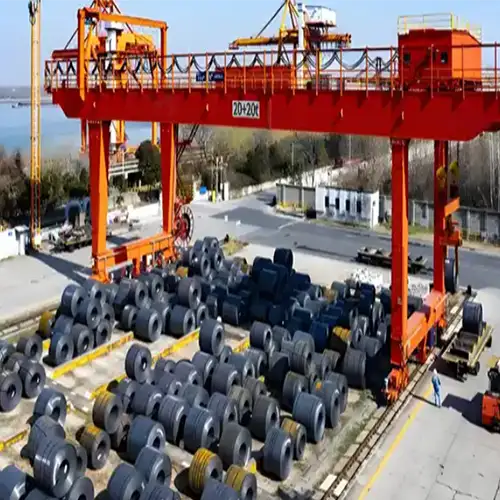
Gantry Cranes for Sale Qatar, Select Gantry Crane for Your Needs
Check reliable gantry cranes designed to handle Qatar’s toughest lifting tasks with ease and efficiency—built for your needs.
| Crane Type | Qatar Gantry Crane System: Single Girder / Double Girder / Full Gantry / Semi-Gantry / Goliath / Rail-Mounted / Rubber-Tyred / Portable / Truss |
| Crane Capacity | Typical Qatar Gantry Range: 1–32 ton for single girder gantry cranes · 3–550 ton for double girder gantry cranes · Larger or specialized configurations available according to project requirements. |
| Coverage Area Type | Outdoor or Partially Covered Working Areas: Ports and container yards · Steel stockyards · Prefabrication yards · Construction sites · Industrial yards · Roadside logistics areas · Workshops · Warehouses · Manufacturing facilities , etc. |
| Application | Typical Handling: Containers / Cargo · Steel Plates / Sheets · Rebar Bundles · Steel Beams / Sections · Pipes · Prefabricated Components · Modular Construction Units · Machinery Components · Heavy Equipment · Bulk Materials |
| Certifications | CE / ISO / SGS / Other third-party inspection |
| Customization | Single Girder / Double Girder / Full Gantry / Semi-Gantry / Goliath / Rail-Mounted / Rubber-Tyred / Portable / Truss · Hoist: Electric Chain Hoist / Wire Rope Hoist/ Open-Winch Trolley · Mobility: Ground Rail / Rubber Tyres/ Portable Casters · |
Crane Manufacturer: Yuantai Cranes – 30+ Years Professional Crane Manufacturer from China
Category: Qatar
Tags: qatar
Your Trusted Overhead Gantry Crane Manufacturer & Supplier
Gantry Cranes for Sale Qatar, Select Your Gantry Crane for Your Needs
Introduction
Why gantry cranes are essential in Qatar, what buyers should consider, and key regions of demand
Why Gantry Cranes Are Essential in Qatar's Heavy Lifting
Gantry cranes are a reliable choice when you need to move heavy materials like steel sheets, containers, or rebar bundles. They work well in outdoor yards, ports, and prefab sites where other lifting equipment might not be enough. These cranes bring strength and flexibility to everyday operations, making your work faster and safer.
- Handle large, heavy loads smoothly
- Reduce manual labor and increase efficiency
- Provide consistent lifting with less risk of material damage or injury
What Buyers Should Consider When Choosing Gantry Cranes
Choosing the right crane involves more than just looking at lifting capacity. Qatar's climate is a big factor: the heat is intense, dust is everywhere, and coastal areas bring humidity that can wear down equipment faster. Your crane should be built to handle these conditions.
- Look for cranes made with heat-resistant and dust-proof components
- Check for corrosion protection if you're near the coast
- Think about how often you'll use the crane and what loads you lift regularly
- Consider the layout of your site and whether the crane fits your space and workflow
Key Regions in Qatar Where Gantry Cranes Are in Demand
Demand for gantry cranes is highest in several important areas of Qatar. The capital city and its busy ports have lots of container and cargo handling. Coastal towns nearby have prefab yards and steel stockyards with open spaces suited for gantry cranes. Inland areas with large yards and roadside facilities also rely heavily on these cranes to keep materials moving efficiently.
- Busy port zones with heavy container traffic
- Prefabrication yards requiring flexible lifting options
- Steel stockyards with large outdoor spaces
- Roadside and industrial yards needing dependable lifting solutions
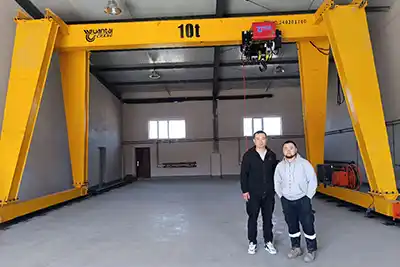
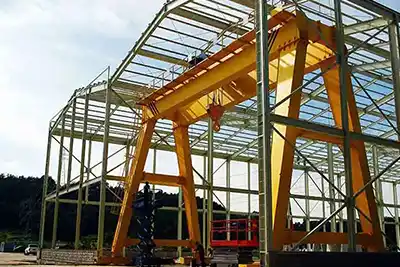
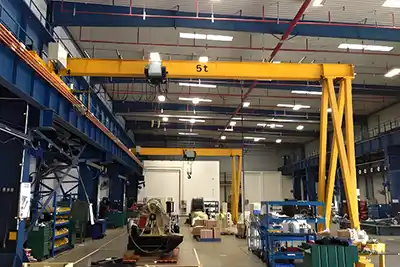
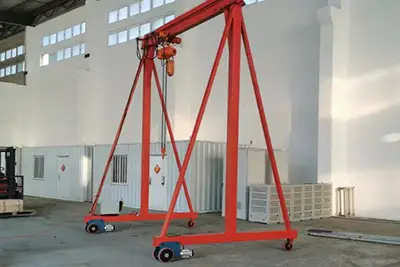
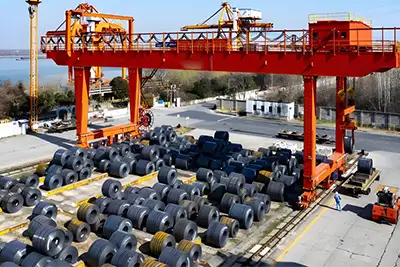
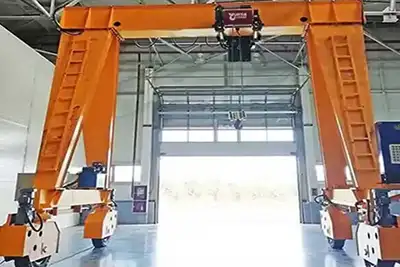
Regional Demand and Environmental Considerations
Understanding regional demand and environmental factors for gantry cranes in Qatar
Why Knowing Regional Demand Matters
Understanding where gantry cranes are most used in Qatar can really help when planning your purchase or maintenance. If your facility is in a busy area where many cranes operate, you'll usually find it easier to get parts and service fast. Suppliers also tend to keep more cranes and spare parts in stock near these busy spots, so repairs happen quicker.
On the other hand, if you're in a less active area, you might face longer wait times for deliveries or technical support. So, knowing which region you're in helps set realistic expectations and makes it easier to choose suppliers who are prepared for your location.
- Busy industrial areas get faster service and spare parts
- Suppliers focus their support where demand is highest
- Planning based on regional demand avoids unexpected delays
How Qatar's Heat and Dust Affect Your Gantry Crane
The weather in Qatar can be tough on cranes, especially because of the long, hot summers and frequent dust. When the temperature climbs, electrical parts like motors and control systems can overheat if they aren't designed to handle the heat. This can cause sudden breakdowns or shorten the life of the equipment.
Mechanical parts such as gears and brakes also suffer because heat speeds up wear and tear. Dust is everywhere in open yards and port areas. If dust gets inside motors or electrical boxes, it can cause blockages or even short circuits. This means your crane might stop working unexpectedly, leading to costly downtime.
If your crane is near the coast, salty air brings humidity that causes corrosion. Rust can weaken structural parts and make maintenance more frequent and expensive.
- High temperatures can cause motors and electronics to fail faster
- Dust buildup can jam moving parts and damage electrical systems
- Coastal humidity promotes rust and corrosion on metal surfaces
What to Look for When Choosing a Crane for Qatar's Environment
Because of these challenges, it's important to pick a gantry crane that's built tough for Qatar's heat, dust, and coastal conditions.
- Look for cranes with heat-resistant motors and electrical parts that keep working even in high temperatures
- Make sure the crane's motors, gearboxes, and control panels have dust-tight seals to keep dirt out
- If your site is near the sea, ask about corrosion-resistant paint and stainless or treated steel parts
- Choose cranes that are designed for easy maintenance, so cleaning dust and checking parts won't slow you down
- Talk to your supplier about regular maintenance plans focused on cleaning dust and checking for heat damage
By choosing the right crane and keeping up with maintenance, you'll save time and money by avoiding unexpected breakdowns and extending your crane's life.
Match Your Operational Needs to Right Gantry Crane Types
Align your facility, industry, and load requirements with the appropriate gantry crane type in Qatar
Industry Applications
Different industries have different lifting needs, so understanding your specific application helps you pick the right gantry crane.
In port-side logistics, the main focus is on handling containers efficiently. These cranes need to run for long hours with minimal downtime. Reliability and smooth operation are key to keeping the workflow steady and avoiding costly delays.
For prefab yards, the lifting tasks vary a lot. You might handle modular units, construction materials, or different-sized loads. Flexibility in crane operation is important here, along with the ability to work in both open and partially covered spaces.
In steel stockyards, the loads are heavy and sometimes awkward, like steel sheets and rebar bundles. The crane needs to be strong and precise to handle these safely without damaging the materials or slowing down production.
- Port-side logistics: prioritize continuous operation and container handling speed
- Prefab yards: need cranes that adapt to various load types and partial coverage
- Steel stockyards: require strong, precise handling of heavy steel and rebar bundles
Facility Characteristics to Assess
The physical features of your facility will affect which type of gantry crane suits you best.
If your site is fully outdoor, cranes must be built tough to handle weather, dust, and temperature swings. For partially covered areas, semi-gantry cranes might be a good fit since they can work with one side supported and still offer protection from the elements.
The size and layout of your yard or workshop matter a lot. A larger space allows for bigger cranes with longer spans and more lifting capacity. Smaller or cramped spaces might need compact or semi-gantry cranes that save space while still delivering enough power.
Finally, check your access to rails or the possibility of installing them. Rail-mounted gantry cranes offer smooth, precise movement but need a proper runway, which can add cost and time. If rails aren't possible, wheel-based or semi-gantry cranes might be more practical, offering easier installation and flexibility.
- Outdoor vs. partially covered areas affect crane protection and design
- Yard size and layout determine crane span and travel path
- Availability or feasibility of rail installation impacts crane mobility and cost
Scale and Capacity Planning
Choosing the right lifting capacity for your gantry crane starts with understanding how much weight you actually need to move. It's not just about what you lift most of the time—your decision should also account for the heaviest loads you handle occasionally. A mismatch here can lead to delays, mechanical strain, or even safety issues. Take the time to assess both your average and peak lifting needs before selecting a crane.
- Know your day-to-day average lifting weight
- Identify the heaviest loads you handle, even if rarely
- Plan your crane size to handle both with ease
Planning ahead also matters. Many buyers underestimate future needs and end up needing a larger crane just a few years down the road. If you expect your production to grow or your material types to change, it's better to plan for that now instead of scrambling for an upgrade later.
- Think about future capacity needs, not just current ones
- Account for potential changes in product size, weight, or volume
- Avoid early crane replacement by choosing a slightly larger model from the start
It's also wise to build in a safety margin when choosing your crane's capacity. A common approach is to add about 20 to 30 percent over your known maximum weight. This buffer allows for safe lifting without overloading the equipment and gives you flexibility for those heavier-than-expected jobs.
- Add a 20–30% safety margin to your maximum load
- Helps prevent overloading and mechanical wear
- Makes your crane more adaptable to occasional heavy-duty use
What Are You Lifting? Load Types and Handling Tips
Understand Qatar's common load types and choose the right gantry crane for safe and efficient handling
Matching Your Gantry Crane to Qatar's Common Load Types
In Qatar, most gantry crane users operate in environments like port zones, roadside steel yards, and prefab construction sites. The types of materials handled in these industries are typically heavy, long, or awkward in shape—and often exposed to outdoor conditions. Choosing the right crane setup means understanding exactly what you're lifting, how often, and under what conditions. This helps reduce damage, downtime, and safety risks.
Containers: Common in Port Logistics and Transport Hubs
In ports like Doha and Al Wakrah, containers are a regular part of operations. These loads are heavy, standardized in size, and need to move quickly.
- Use a gantry crane with a wide span to straddle container lanes or loading zones
- Make sure the hoist has enough lifting power—20 to 40 tons is typical for full containers
- Choose cranes with high lifting speed and durable gear systems for fast handling
- Consider anti-sway or soft-start features for safer container placement, especially in wind-exposed areas
Rebar Bundles: Common in Steel Yards and Construction Sites
Rebar is widely used in Qatar's construction and infrastructure projects, especially in expanding cities like Al Rayyan and Al Khor. These bundles are long, uneven, and often stacked outdoors.
- Look for compatible lifting attachments such as C-hooks, rebar clamps, or magnet systems
- Ensure your crane has stable lateral movement for long loads
- Lifting multiple bundles? Verify weight distribution and choose the right sling or grab system
- Dust and scale on the rebar can cause slipping—grabs should be tested for local conditions
Steel Sheets: Heavy, Flat, and Prone to Damage
Steel plates and sheets are commonly handled in fabrication yards and steel service centers across Qatar. These materials require both power and precision.
- Choose a crane with smooth, controlled hoisting and lowering functions
- Avoid sudden starts and stops—especially on hot days when steel expands slightly and becomes more sensitive
- Flat sheets are often slippery—consider spreader beams or vacuum lifters if appropriate
- Damaged sheets can lead to material waste—precision matters, especially for high-quality fabrication jobs
Practical Gantry Crane Type Selection
Guide to selecting the right gantry crane type based on Qatar's facility layouts, load needs, and environment
Overview: Choosing the Right Gantry Crane
Choosing the right type of gantry crane isn't just about the lifting weight—it's about how your site is set up, how often you operate, and what kind of environment the crane will work in. In Qatar, where industrial facilities often combine open yards with partial coverage, and where climate and space constraints matter, matching the crane type to your actual conditions is key.
Rail-Mounted Gantry Cranes (RMGs)
Rail-mounted gantry cranes are best suited for large, open yards where long and straight runways are available. These cranes offer precise and repeatable movement, which is ideal for handling heavy loads like shipping containers, steel coils, or bulk cargo. In Qatar's larger port areas and industrial zones, RMGs are often used for high-volume operations.
However, installing rails adds cost and time, especially if your yard wasn't built with them in mind. You'll need proper foundation work, alignment, and maintenance access. But once installed, RMGs provide excellent long-term value due to their durability and efficiency.
- Ideal for large yards with straight-line movement requirements
- Requires dedicated rail foundations—adds cost if not pre-installed
- Excellent for continuous, heavy-duty use like container handling or repetitive steel transport
- Provides high stability and accurate positioning over long distances
Semi-Gantry Cranes
Semi-gantry cranes are a great fit when your facility has one side supported by a wall or column, and the other side free for ground operation. In Qatar, where some yards are partially covered or use long sheds with one open side, this type of crane helps save space and installation effort.
These cranes reduce structural costs since they only need one rail or track. The other side can run on wheels or a fixed leg along the ground. They're often used in mixed-use areas, like prefabrication plants or steel processing lines, where space is limited but overhead lifting is still essential.
- Ideal for areas with one-sided coverage, like wall-supported sheds
- Saves on steel structure and rail installation compared to full gantry cranes
- Useful in indoor-outdoor combinations, especially where sunshade or weather protection is partial
- Good for lighter lifting tasks and less intensive material handling
Truss Gantry Cranes
Truss gantry cranes use a lightweight lattice structure, which makes them easier and more cost-effective to install. While they don't have the same lifting capacity as box-type cranes, they are strong enough for lighter-duty operations like moving steel beams, rebar, or prefab components.
In Qatar, these cranes are often chosen for mid-sized yards or construction sites that don't have full-time crane use. Because they weigh less, they place less load on the supporting surfaces and don't require as deep a foundation.
- Best for medium-duty or occasional lifting applications
- Ideal for steel fabrication, prefab assembly, and lighter materials
- Easier and quicker to install—good choice for temporary or expanding yards
- Lower operational and maintenance costs than full gantry types
Environmental and Maintenance Considerations in Heat Regions
Tips for keeping gantry cranes running safely and efficiently in Qatar's harsh climate
Overview: Harsh Working Conditions
Gantry cranes used in Qatar often work in extreme heat, high dust, and in many cases, salty coastal air. These environmental factors can cause wear much faster than in milder climates. Both the crane design and the ongoing maintenance plan must be adapted to the local climate. Ignoring these challenges can lead to overheating, electrical faults, or early equipment failure.
Choose the Right Crane Components
When selecting a crane for outdoor use in places like Doha, Al Khor, or Al Wakrah, ensure the components are rated for extreme conditions.
- Select motors, gearboxes, and control panels rated for high-temperature operation
- Look for dust-resistant enclosures, especially in sandy or construction-heavy zones
- Ensure cables, seals, and bearings are designed for high-heat endurance
Routine Maintenance
Regular maintenance is essential to keep cranes running safely. Focus on areas affected by heat and dust, particularly during peak summer months.
- Lubricate all moving parts frequently; grease dries out faster in high heat
- Check electrical components for signs of overheating or dust buildup
- Replace worn-out seals or filters more often than in cooler regions
- Inspect brakes and motor enclosures for trapped dust or corrosion
Extra Protection in Coastal Areas
For cranes operating near the sea, corrosion is a bigger threat. Salt in the air can damage unprotected surfaces and electrical connections.
- Use cranes with anti-corrosion coatings like epoxy or marine-grade paint
- Install sealed electrical boxes and stainless-steel fasteners
- Rinse exposed surfaces periodically to remove salt deposits (where safe to do so)
Operator Training for Extreme Heat
Even with the right crane and maintenance plan, operators must manage heat-related risks. Proper training reduces unexpected breakdowns.
- Instruct operators to monitor warning indicators for overheating
- Avoid prolonged full-load lifting during peak afternoon heat
- Use heat-resistant gloves and safety gear to reduce operator fatigue
- Schedule heavy lifting for early morning or late afternoon when possible
Application
Selecting a 25-Ton Rail-Mounted Gantry Crane for Doha Port
Project Background
Let's take a practical example from Doha's busy port area. A logistics company needed a gantry crane solution for handling containers and large steel components with daily lifting activity. After reviewing their requirements, a 25-ton rail-mounted gantry crane was chosen to support their growing operations.
Before making the final decision, the team followed a structured process to ensure the crane matched both their technical and site conditions. Environmental factors and long-term maintenance were also part of the discussion—this is crucial in a hot, dusty, and coastal location like Doha.
Key Steps in the Crane Selection Process
Choosing the right crane involves more than just picking a lifting capacity. Here's what was evaluated during the planning stage:
- Yard layout: The site had a long, straight handling path perfect for a rail-mounted system
- Lifting frequency: The crane would operate daily, often with full loads, requiring a design built for continuous use
- Weather exposure: Full sun and dust exposure meant selecting heat-resistant electricals and sealed gearboxes
- Power supply: A stable 3-phase power source was already available, simplifying the integration of a heavy-duty hoist
Environmental and Technical Considerations
The selection process also accounted for Doha's high ambient temperatures, coastal humidity, and airborne dust. To ensure durability, the crane was equipped with weather-resistant coatings, sealed electrical panels, and components designed for heavy-duty outdoor applications.
Outcome: Operational Gains and Long-Term Reliability
After installation, the benefits became clear. The crane improved turnaround times for unloading and stacking containers. More importantly, its durable build and weather-ready design helped reduce breakdowns and downtime—even during the hottest months.
- Increased handling speed by matching crane span to yard layout
- Fewer service interruptions due to proper sealing and component selection
- Lower long-term repair costs by addressing environmental wear from day one
- Better operator safety with smoother controls and consistent lifting performance
Buyer Tips and Send an Inquiry
Before You Buy, Get the Full Picture of Your Site
Site Evaluation Before Purchase
Choosing the right gantry crane starts long before placing an order. It begins with understanding your facility's layout, how your operation runs day to day, and what external factors (like heat, dust, or humidity) may affect equipment life. A detailed site survey—either done in-house or with your supplier's help—will prevent costly mistakes later.
- Walk the full travel path where the crane will operate
- Check ground conditions for rail installation or wheel load support
- Measure key clearances, entry points, and material flow
- Identify zones with direct sun, sand exposure, or coastal humidity
Involve Your Crane Supplier Early in the Process
The earlier you bring your supplier into the planning stage, the better. Good suppliers do more than sell—they offer advice, design support, and technical input to help you avoid mismatches between crane design and operating environment. Especially in Qatar, where climate conditions are a real challenge, local adaptation matters.
- Share drawings, lifting requirements, and photos of your facility
- Ask about protective features specifically for Qatar's conditions
- Don't settle for one-size-fits-all—insist on a solution made for your use
Ask for Local References, Case Studies, or Demonstrations
Before placing your order, it's helpful to see how similar cranes have performed in the region. Whether it's a nearby port, prefab yard, or steel stockyard, seeing a crane in action under similar conditions can give you confidence.
- Request case studies or examples of cranes working in Doha, Al Wakrah, Al Khor, or Al Rayyan
- If possible, visit a local installation to observe performance and ask operators for feedback
- Look for testimonials that specifically mention dust, heat, or heavy-use environments
Plan the Full Budget—Not Just the Crane
Many buyers focus only on the crane price, but the full investment includes installation, commissioning, long-term maintenance, and potential upgrades. Planning for these from the beginning prevents budget overruns later.
- Include rail installation or foundation prep if needed
- Account for transportation, customs, and on-site assembly costs
- Factor in future expansions—choose a crane that's scalable
- Request a full quotation package, including optional add-ons and maintenance support
Ready to Move Forward? Send Us Your Inquiry
If you're considering a gantry crane for your project in Qatar, now's a good time to take the next step. Whether you're in a port yard, steel yard, or prefab facility, we can help you choose a crane tailored to your load, site, and environment.
Contact us today with the following details:
- Lifting capacity required
- Length and width of the operating area
- Load types (e.g., containers, rebar, steel sheets)
- Power supply availability
- Indoor, outdoor, or partially covered setup
- Any photos or layout drawings you can share
We'll review your needs and get back to you with a personalized solution, pricing, and lead time.
Conclusion
Choosing the Right Gantry Crane in Qatar Comes Down to Practical Fit
Selecting a gantry crane for operations in Qatar isn't just about picking a model from a catalog. The heat, dust, and working environment across industrial zones like Doha, Al Wakrah, Al Khor, and Al Rayyan demand that every crane be matched carefully to the job it’s expected to perform. Whether you're lifting containers at a port, handling steel in a yard, or moving prefabricated components, your crane has to be durable, efficient, and safe—day after day, under the sun.
Key Takeaways for Crane Buyers in Heat-Exposed Regions
If there’s one lesson that stands out, it’s this: choose based on how and where you’ll use the crane—not just the lifting capacity on paper. A crane that performs well indoors in a mild climate may struggle in Qatar’s outdoor heat and dust.
- Always start with a detailed understanding of your load types and how often you lift them
- Match crane type to your facility layout—rail-mounted for long yards, semi-gantry for mixed coverage, truss types for lighter work
- Make sure every component—from motors to electrical cabinets—is built for high temperatures and protected from dust
- Plan for corrosion resistance if you’re near coastal or port areas
- Include serviceability and future growth in your selection process—not just current capacity
Work With Suppliers Who Understand Your Operating Environment
The best outcomes happen when you work with a supplier who doesn’t just sell cranes—but understands your challenges. In Qatar, that means suppliers who know how heat affects electrical systems, how dust gets into gearboxes, and how to design cranes that hold up over time in harsh outdoor environments.
- Look for suppliers with real experience in Qatar or similar Middle Eastern environments
- Ask for design customizations based on your location—not just standard models
- Don’t be afraid to request layout advice, case studies, or long-term support options
A well-chosen gantry crane not only lifts your materials—it lifts the overall efficiency, safety, and reliability of your operations. Take the time to plan it right, and the benefits will show in every load lifted, every hour saved, and every breakdown avoided.


Yuantai Cranes
Overhead Crane Manufacturer with CE, ISO, SGS, CNEX Certificates.
- Main Specifications - Capacity: 0.5–550 tons | Span: up to 40m | Speed: 0.8–12 m/min | Duty: A3–A7 | Power: 380–690V, 50/60Hz | Control: pendant/remote/cabin
- Full engineering: FEA/PLC/VFD + in-house build + global delivery + on-site support, for workshops, factories, EPC contractors, industrial projects, etc.
- Support: design, manufacturing, testing, service – end-to-end, customized lifting solutions worldwide.
How to Get an Accurate Crane Price for Your Application?
Tips: Copy the spec list, fill in your details, and paste it into the form on the right/ down-below for a quick price.
- Crane type:_____ . (e.g., overhead crane, gantry crane, jib crane)
- Max weight to lift:_____ tons. (e.g., 2t, 5t, 10t, 20t, 50t)
- Lifting height:_____ m. (How high does the hook need to reach?
- Workshop width (span):_____ m . (Distance between the two crane rails)
- Travel distance:_____ m . (How long does the crane need to move along the runway?)
- Control type:_____. (Pendant / remote / cabin Control)
- Power supply:_____. (Local voltage & frequency – e.g., 380V, 50Hz, 3-phase)
- What will it be used for?_____ (e.g., steel fabrication, concrete products, mold handling, general manufacturing, etc.)
- Any special requirements?_____ (e.g., extreme temperature, dusty or explosive environment, special paint color, etc.)
Just leave a message via the contact form and our hoist and crane engineer will contact you with in 24working hours.
Get Your Custom Quote–Quick & Easy
Fill in what you know. Skip what you don't – we'll help.Any question will be reply with 24 working hours