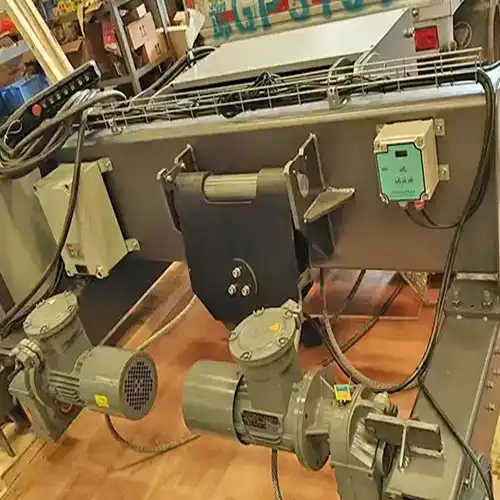
Choosing the Right Explosion-Proof Bridge Crane: A Buyer's Guide
Learn key factors like environment, capacity, certifications, and customization to select the best explosion-proof bridge crane for safety and efficiency.
| Crane Type | Explosion-Proof Bridge Cranes, including Single Girder (1–20 ton) and Double Girder (20–80 ton); Working Duty: ISO A3–A8 / FEM 1Am–5m; Power Supply: 380/400/415 V, 3 Ph, 50 Hz. |
| Crane Capacity | 1–80 ton, selected according to maximum load, load distribution and duty cycle |
| Span Length | Typically 7.5–35 m+, designed around the building structure, runway and working area |
| Lifting Height | Typically 6–30 m+, based on building height, process requirements and required hook height |
| Coverage Area Type | Hazardous production areas, process workshops, maintenance bays, storage areas and other classified lifting zones |
| Application | Oil & gas, petrochemical, chemical plants, mining, paint and coating facilities, combustible dust areas, hazardous workshops and maintenance areas |
| Certifications | CE / ISO / SGS / Other third-party inspection |
| Customization | 1–20 ton Single Girder; 20–80 ton Double Girder · Duty: ISO A3–A6 · Span: 7.5–35 m+ · Lift: 6–30 m+ · Hazardous Area: Gas Zone 1/2; Dust Zone 21/22, ·380/400/415 V, 3 Ph, 50 Hz · Indoor / Outdoor / Corrosive / High Humidity / High Temperature |
Crane Manufacturer: Yuantai Cranes – 30+ Years Professional Crane Manufacturer from China
Category: Featured
Tags: exproofcrane
Your Trusted Overhead Crane Manufacturer & Supplier
Choosing the Right Explosion-Proof Bridge Crane: A Buyer's Guide
Learn key factors like environment, capacity, certifications, and customization to select the best explosion-proof bridge crane for safety and efficiency.
Overview of Explosion-Proof Bridge Cranes
What are explosion-proof bridge cranes?
Explosion-proof bridge cranes are lifting systems built to safely handle materials in hazardous environments. These environments may have flammable gases, vapors, or dust. The cranes are designed to prevent sparks or heat from igniting any dangerous substances present. They are used in industries like oil, gas, chemicals, and mining where safety is crucial.
Why are they necessary in hazardous environments?
In workplaces with volatile materials, even the smallest spark can lead to disasters. Explosion-proof bridge cranes are engineered with special safety features to contain any sparks or heat. They are built to ensure that no ignition occurs during operation. Without these cranes, workers would face increased risks when moving heavy loads in dangerous areas.
Importance of Choosing the Right Explosion-Proof Crane
Safety Compliance with Industry Regulations
Choosing the right explosion-proof crane is essential for safety compliance. These cranes must meet strict standards, like ATEX and IECEx, which are set to reduce the risk of ignition in hazardous zones.
- Ensures legal compliance with safety regulations
- Prevents accidents and injuries by reducing risk factors
- Helps your business meet industry certifications and standards
By selecting a crane that meets these regulations, you are not only complying with the law but also safeguarding your workers and assets. It's important to choose a crane that is specifically designed for the hazards present in your environment.
Operational Efficiency and Cost Savings
The right explosion-proof crane boosts operational efficiency and reduces long-term costs. When selecting a crane, it's important to consider:
- Lifting capacity: Ensure the crane can handle the required loads safely.
- Speed and performance: Choose a crane that operates at the right speed for your tasks.
- Durability: A well-built crane will require less maintenance and last longer.
By investing in a crane that matches your needs, you can cut down on downtime and prevent unnecessary repairs. Over time, this leads to cost savings. With less maintenance and fewer disruptions, your operation will run more smoothly and efficiently.
Long-Term Reliability and Maintenance Considerations
Explosion-proof cranes are a significant investment, so reliability and durability are key. Selecting the right crane ensures fewer repairs and longer lifespan. Here are some factors to consider:
- Materials and construction: Look for high-quality, corrosion-resistant materials.
- Warranty and support: Choose a manufacturer that offers solid warranties and after-sales support.
- Routine maintenance: Proper upkeep is crucial for extending the crane's life and preventing costly repairs.
By choosing a crane built for long-term performance, you ensure a steady, efficient operation. Regular maintenance will help prevent downtime and keep your crane running efficiently for years to come.
Explosion-Proof Cranes
What Makes a Crane Explosion-Proof?
Key Components That Ensure Explosion-Proof Functionality
An explosion-proof crane is specifically designed to prevent any ignition of hazardous substances in a volatile environment. Several key components make this possible:
- Explosion-proof enclosures: These enclosures are sealed to contain sparks or heat inside, ensuring they don't come into contact with flammable gases or dust.
- Flameproof wiring: All electrical components are housed in protective enclosures that prevent any spark from escaping.
- Anti-spark materials: Cranes are made with non-sparking components, reducing the risk of fire or explosion.
- Sealed electrical connections: Electrical connections are sealed to prevent any exposure to flammable gases or liquids.
- Grounding and bonding systems: These systems are crucial for preventing static electricity buildup, which can also cause sparks.
These features collectively work to ensure that the crane doesn't trigger an explosion, even in the presence of dangerous materials.

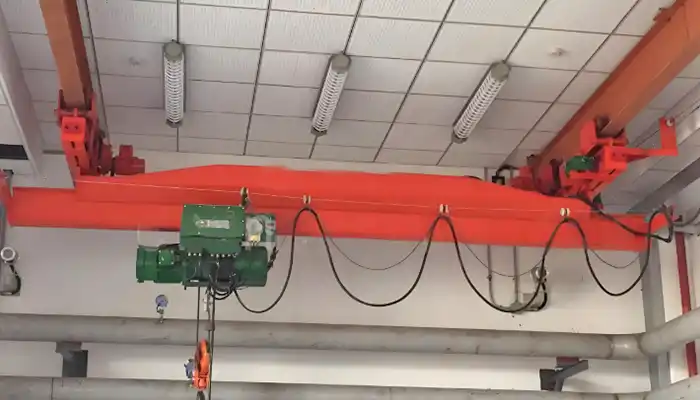
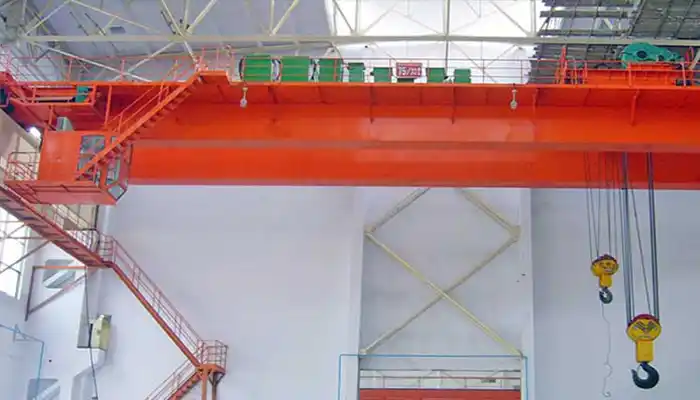
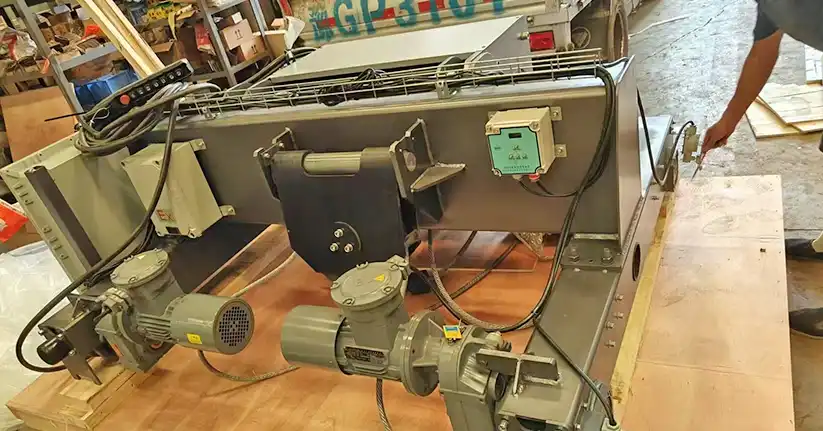
Materials and Design Standards
The materials used in explosion-proof cranes must be able to withstand extreme conditions without compromising safety. The crane's design is built with:
- Corrosion-resistant materials: In hazardous environments, such as chemical plants, the crane is exposed to corrosive elements. Materials like stainless steel or specially treated metals are often used to resist corrosion.
- Durable coatings: Protective coatings prevent external damage from dust, moisture, and other environmental factors.
- Fire-resistant components: These prevent ignition in the event of a malfunction.
All of these materials and design elements come together to ensure that the crane performs safely and reliably, even in the most dangerous environments.
Key Safety Standards and Certifications
ATEX, IECEx, and Other International Standards
Explosion-proof cranes must meet global safety standards to ensure they are safe for use in hazardous areas. Some of the most important certifications are:
- ATEX: The ATEX (Atmospheres Explosibles) directive is a European Union regulation that sets guidelines for equipment used in explosive atmospheres. Cranes with ATEX certification are built to prevent any ignition sources in hazardous environments.
- IECEx: The IECEx (International Electrotechnical Commission for Explosive Atmospheres) is an international standard that certifies equipment to ensure it can be safely used in explosive atmospheres. This includes strict testing and certification of components.
These certifications ensure the crane can safely handle hazardous substances and comply with international safety regulations.
Importance of CE and ISO Certifications for Crane Safety
In addition to ATEX and IECEx, CE and ISO certifications play a vital role in the safety and quality of explosion-proof cranes.
- CE Certification: This certification means the crane meets European Union safety, health, and environmental protection standards. It ensures the crane is built according to strict safety guidelines.
- ISO Certification: ISO (International Organization for Standardization) certification ensures that the crane is designed, manufactured, and tested under quality management standards. ISO-certified cranes are built for reliability, consistency, and high safety standards.
Together, these certifications guarantee that the explosion-proof crane not only performs safely in hazardous environments but also meets globally recognized quality and safety standards.
Assessing Your Needs
Identifying Your Industry's Hazards
Types of Hazardous Environments (e.g., Chemicals, Gases, Dust)
To select the right explosion-proof crane, it's essential to understand the specific hazardous environments your crane will operate in. These environments could include:
- Chemicals: In chemical plants or processing areas, explosion-proof cranes must be designed to prevent sparks or heat from igniting flammable chemicals or vapors.
- Gases: For industries dealing with combustible gases like methane or hydrogen, an explosion-proof crane is crucial for safe operation without creating a spark that could cause an explosion.
- Dust: In mining or grain handling, combustible dust can pose a serious risk. Explosion-proof cranes must be built to prevent static electricity and avoid any sparks that could ignite dust particles.
Understanding the specific hazards in your industry helps determine the level of protection your explosion-proof crane needs.
Zone Classification and How It Affects Crane Design
Explosion-proof cranes must be tailored to the specific zone classification of your facility. These zones identify the likelihood of explosive atmospheres and guide crane design:
- Zone 0: Areas where explosive atmospheres are present continuously or for long periods. Cranes in Zone 0 need the highest level of explosion protection.
- Zone 1: Areas where explosive atmospheres are likely to occur during normal operation. Explosion-proof cranes in Zone 1 need strong safety features, but less stringent than Zone 0.
- Zone 2: Areas where explosive atmospheres are unlikely during normal operation but could occur in exceptional circumstances. Cranes for Zone 2 require less intensive explosion-proof design but still need safety measures to prevent ignition.
The zone classification directly impacts the materials, enclosures, and safety features of your explosion-proof crane.
Workplace Conditions
Temperature Extremes, Humidity, and Corrosive Atmospheres
Workplace conditions significantly affect the performance of your explosion-proof crane. Consider these factors:
- Temperature Extremes: In environments with high or low temperatures, explosion-proof cranes need materials and electrical components that can withstand thermal stresses without compromising safety.
- Humidity: High humidity increases the risk of corrosion and electrical failure. Explosion-proof cranes used in such conditions should have sealed components and moisture-resistant coatings to ensure long-term reliability.
- Corrosive Atmospheres: In industries like chemicals or coastal facilities, explosion-proof cranes must be built with corrosion-resistant materials like stainless steel or special coatings to protect against harsh environments.
Choosing a crane built for these challenging conditions will ensure it operates safely and efficiently.
Space Constraints and Building Layout Considerations
The physical layout and space constraints in your facility influence the type of explosion-proof crane you need:
- Ceiling Height: In facilities with low ceilings, a low-headroom explosion-proof crane may be necessary to maximize lifting height and save space.
- Building Layout: Consider the layout of your workplace. Explosion-proof cranes should be compatible with existing infrastructure like overhead tracks and power systems. It's also important to ensure the crane can maneuver around obstacles safely.
- Footprint: In facilities with limited space, a single-girder explosion-proof crane may be more suitable. It offers sufficient lifting capacity while taking up less space compared to a double-girder crane.
The correct crane design will help optimize space and functionality in your workplace while ensuring safe operations.
Load and Duty Cycle Requirements
Determining Required Lifting Capacity
The lifting capacity of your explosion-proof crane should match your operational needs. To determine the correct capacity, consider:
- Maximum Load: Identify the heaviest load the crane will lift. The explosion-proof crane must be capable of handling this load safely and without strain.
- Load Distribution: Ensure the crane's design allows for even load distribution, especially when lifting irregularly shaped or uneven loads.
- Safety Margin: It's wise to select an explosion-proof crane with a slightly higher capacity than required. This provides a safety buffer and ensures the crane can handle unexpected heavy loads.
Accurately determining the required lifting capacity ensures safe and efficient operation of the explosion-proof crane.
Defining Operational Frequency and Duty Cycle
Understanding your crane's duty cycle is crucial for selecting the right explosion-proof crane. This includes:
- Frequency of Use: Will the crane operate continuously or intermittently? A continuous-duty explosion-proof crane will need stronger components designed for heavy use, while an intermittent-duty crane will have lower requirements.
- Cycle Time: If the crane will perform rapid or frequent lifting cycles, it needs robust motors and braking systems to handle the strain.
- Operating Conditions: If your crane will work in harsh or hazardous conditions, such as high temperatures or dust, its components must be designed to withstand such challenges while maintaining safety.
By defining your crane's duty cycle, you can ensure that your explosion-proof crane is built to handle the specific demands of your operation.
Crane Specifications and Features
Crane Capacity and Load Handling
How to Calculate the Right Lifting Capacity
Choosing the correct lifting capacity for your explosion-proof crane is essential for safe and efficient operation. To calculate the required lifting capacity, you need to:
- Assess Maximum Load: Identify the heaviest load the crane will be required to lift. This includes considering any future increases in load requirements.
- Account for Load Distribution: If the load is irregular or unevenly distributed, you'll need to factor in this imbalance when calculating the lifting capacity.
- Consider Overload Factors: It's essential to select a crane with a lifting capacity higher than the maximum load to account for unexpected weight fluctuations or dynamic loading.
By calculating the right lifting capacity, you ensure that the crane is not overburdened, reducing the risk of mechanical failure and ensuring safe operations.
Understanding Load Classes and Service Duty Ratings
Load classes and service duty ratings help determine the performance of an explosion-proof crane. These ratings guide you in choosing the right crane based on operational intensity:
- Load Classes: These classify the load the crane can handle during each operation. It's important to select a load class that corresponds to the weight and frequency of lifting tasks in your operation.
- Service Duty Ratings: These ratings describe how frequently and intensively the crane will be used. The service duty is classified as light, medium, or heavy. A crane in a hazardous environment, especially in continuous or heavy-duty operations, should be rated for heavy service duty.
Selecting the correct load class and service duty ensures the crane operates at optimal efficiency without overloading its components.
Explosion-Proof Enclosures and Materials
Types of Enclosures (Flameproof, Increased Safety, etc.)
Explosion-proof enclosures are critical to preventing the ignition of hazardous substances. The type of enclosure used on the crane will depend on the hazardous environment. Common enclosure types include:
- Flameproof Enclosures: These enclosures are designed to contain any flames or sparks produced by electrical components. They are commonly used in environments with highly explosive gases and vapors.
- Increased Safety Enclosures: These enclosures are designed to prevent sparks and overheating. They are often used in areas where the explosive atmosphere is less likely to occur but still poses a risk.
- Intrinsic Safety Enclosures: These are designed for environments where the explosive atmosphere is less frequent, but they prevent ignition by limiting the energy used by electrical components.
The correct type of enclosure depends on the zone classification and the specific hazards in the environment. Choosing the right enclosure ensures that the crane complies with safety standards and operates without risk.
Corrosion-Resistant Materials and Coatings
Explosion-proof cranes used in hazardous environments must be built with materials that resist corrosion and degradation. In industries like chemicals, oil, and mining, exposure to corrosive substances can quickly wear down equipment. Key materials and coatings include:
- Stainless Steel: Stainless steel is highly resistant to corrosion, making it an ideal material for explosion-proof cranes in corrosive environments.
- Coatings: Specialized coatings, such as epoxy or polyurethane, provide an additional layer of protection against corrosion and environmental damage.
- Galvanized Materials: Galvanization, where steel is coated with a layer of zinc, helps protect the crane from rust and corrosion.
By selecting corrosion-resistant materials and coatings, you ensure the crane's longevity and safe performance in demanding environments.
Customization and Adaptability
Custom Features for Specific Applications (e.g., Anti-Sway Systems)
Explosion-proof cranes can be customized to meet specific operational needs. Some common custom features include:
- Anti-Sway Systems: These systems help reduce load sway during lifting and transport, ensuring smooth and precise movement, especially when handling delicate or hazardous materials.
- Variable Speed Control: This allows the crane to operate at different speeds based on load size, helping to prevent sudden movements that might cause instability.
- Remote Control: For increased safety, explosion-proof cranes can be fitted with remote controls that allow operators to control the crane from a safe distance, reducing the risk of exposure to hazardous conditions.
Custom features help tailor the crane's operation to your specific needs, enhancing safety and efficiency.
Integration with Existing Infrastructure (e.g., Overhead Tracks, Power Supply)
When selecting an explosion-proof crane, it's essential to consider how it will integrate with your facility's existing infrastructure. Key factors include:
- Overhead Tracks: Ensure the crane is compatible with existing overhead track systems. If your facility has limited space, a low-headroom crane might be necessary to fit within the available clearance.
- Power Supply: Explosion-proof cranes often require specialized power systems to ensure safe and stable operation. Ensure the crane's power supply system matches your facility's voltage and configuration.
- Controls and Automation: If your facility uses automated systems, ensure the crane can integrate with existing control systems for seamless operation.
By considering how the crane will integrate with your facility's infrastructure, you ensure smooth installation and long-term performance without major modifications or disruptions.
Selecting the Right Manufacturer
Reputation and Experience
Importance of Selecting a Proven Manufacturer with Industry Experience
When selecting an explosion-proof crane, choosing a manufacturer with a strong reputation and proven industry experience is critical. A manufacturer with a solid track record is more likely to deliver a high-quality product that meets safety and performance standards. Key considerations include:
- Industry Expertise: Manufacturers who specialize in explosion-proof cranes have a deep understanding of the technical requirements and safety regulations. They can offer expert advice on the best solutions for your specific needs.
- Previous Projects: A manufacturer with experience in similar industries or hazardous environments will have a better grasp of the challenges you face and the most suitable crane designs.
- Customer Feedback: Look for reviews, case studies, or testimonials from other customers who have purchased similar cranes. Positive feedback and repeat customers are indicators of reliability and trustworthiness.
Working with an experienced manufacturer minimizes the risk of selecting an ill-suited crane and ensures that you get a high-performing, safe solution for your facility.
Certifications and Compliance
Ensuring Adherence to International Standards (CE, ISO, ATEX, etc.)
To ensure the explosion-proof crane meets all safety, performance, and regulatory standards, the manufacturer must adhere to internationally recognized certifications. These certifications demonstrate that the crane has undergone rigorous testing and meets safety requirements. Key certifications to look for include:
- CE Certification: The CE mark shows that the crane complies with European Union safety, health, and environmental protection standards. This certification is essential for any explosion-proof crane used in European markets.
- ISO Certification: ISO certification (such as ISO 9001 for quality management) ensures that the manufacturer follows industry best practices for design, production, and quality control, resulting in a more reliable crane.
- ATEX Certification: ATEX ensures that the crane meets specific requirements for use in explosive atmospheres in the European Union, confirming that the crane is designed to operate safely in hazardous environments.
- IECEx Certification: Similar to ATEX, IECEx is an international standard for equipment used in explosive atmospheres. Manufacturers adhering to IECEx certification ensure that their cranes meet global safety and quality standards.
By selecting a manufacturer with the necessary certifications, you can trust that the explosion-proof crane will meet both legal requirements and the highest safety standards for hazardous environments.
Customer Support and Warranty
Availability of After-Sales Support, Maintenance Services, and Warranties
A reliable manufacturer not only provides a quality explosion-proof crane but also supports you after the sale. Good customer support and a comprehensive warranty are essential for minimizing downtime and maintaining crane performance over time. Key factors to consider:
- After-Sales Support: Look for manufacturers that offer responsive customer service to help you with installation, troubleshooting, or modifications if necessary. A company with dedicated support can help ensure your crane operates efficiently throughout its life cycle.
- Maintenance Services: Explosion-proof cranes require regular maintenance to ensure optimal performance and safety. Some manufacturers offer maintenance packages or on-site support for ongoing service and inspection.
- Warranty: A strong warranty gives you peace of mind knowing that if something goes wrong, the manufacturer will cover repairs or replacements. Ensure the warranty includes both parts and labor, and understand the terms and conditions clearly.
Choosing a manufacturer that provides robust after-sales support and warranty options ensures that your explosion-proof crane will continue to perform well and meet safety standards for years to come.
Evaluating Crane Features for Operational Efficiency
Automation and Control Systems
Remote Controls, Anti-Collision Systems, and Load Monitoring
Incorporating advanced automation and control systems into your explosion-proof crane can significantly enhance operational efficiency, reduce human error, and improve safety. Key features include:
- Remote Controls: Remote control systems allow operators to manage the crane from a safe distance, minimizing exposure to hazardous environments and improving precision during operations. This also provides flexibility in tight spaces or difficult-to-reach areas.
- Anti-Collision Systems: Anti-collision systems use sensors to prevent the crane from colliding with other equipment or obstacles in the area. These systems can be vital in busy, crowded facilities where multiple cranes or machines operate simultaneously.
- Load Monitoring: Real-time load monitoring systems track the weight and distribution of loads, providing alerts if the crane is at risk of exceeding its lifting capacity. This feature helps prevent overloading and ensures safe handling of materials, especially in explosion-prone environments.
Integrating these systems improves crane safety, enhances productivity, and ensures smooth, reliable operation in hazardous environments.
Integration with Other Equipment for Seamless Operation
Explosion-proof cranes are often part of a broader material handling system. Seamless integration with other equipment, such as conveyors, hoists, or automated guided vehicles (AGVs), can improve the efficiency of your entire operation. Some integration options include:
- Automated Systems: Ensure the crane can communicate with automated systems for coordinated tasks, reducing downtime and improving the speed of operations.
- Tracking Systems: Integrate the crane with tracking systems to monitor location, status, and performance metrics in real-time, providing valuable data for maintenance and operational decisions.
- Energy Management Systems: Integration with energy management systems can help monitor and optimize energy consumption, leading to reduced operational costs.
These integrations allow for smoother workflows, reduced human intervention, and enhanced overall operational efficiency.
Energy Efficiency and Sustainability
Power-Saving Features (e.g., Regenerative Braking)
Energy efficiency is crucial for reducing operational costs and minimizing the environmental impact of your explosion-proof crane. Look for cranes with built-in power-saving features such as:
- Regenerative Braking: Regenerative braking systems recover energy during braking and feed it back into the power supply system, reducing energy consumption and extending the lifespan of electrical components. This feature is especially beneficial in facilities with frequent crane movements.
- Variable Speed Drives: Variable speed drives adjust the crane's motor speed based on the load and operational conditions. This optimizes energy use and reduces waste, making the crane more energy-efficient.
- Energy-efficient Motors: Selecting a crane with high-efficiency motors ensures that less power is lost during operation, contributing to both cost savings and sustainability.
By choosing an energy-efficient crane, you can lower your facility's energy consumption and contribute to sustainability goals while reducing overall operational costs.
Eco-Friendly Materials and Designs
An eco-friendly crane is designed with materials and technologies that reduce environmental impact. Look for the following features:
- Sustainable Materials: Choose cranes made from recycled or sustainable materials, which contribute to lower resource depletion and waste.
- Low Emissions: Some explosion-proof cranes are designed to produce fewer emissions during operation, reducing the environmental footprint of your facility.
- Durable Coatings: Eco-friendly coatings reduce the need for frequent reapplication, saving resources and minimizing chemical exposure.
Selecting cranes with eco-friendly designs and materials aligns with sustainability goals and helps reduce your facility's carbon footprint.
Maintenance and Durability
Features That Reduce Wear and Tear
Long-term durability is a critical factor when choosing an explosion-proof crane. Key features that reduce wear and tear include:
- Lubrication Systems: Automatic lubrication systems ensure that critical components, such as motors, bearings, and gears, remain well-lubricated, reducing friction and preventing premature wear.
- Sealed Components: Explosion-proof cranes often feature sealed components to prevent dust, dirt, or corrosive materials from entering and damaging internal parts.
- Shock Absorption: Shock-absorbing features, such as dampers or cushions, reduce the stress placed on components during heavy or dynamic loads, extending the crane's lifespan.
These features help minimize the need for frequent repairs, leading to lower maintenance costs and fewer operational disruptions.
How to Evaluate Crane Durability for Long-Term Use
To ensure your explosion-proof crane lasts for years, evaluate its durability based on the following factors:
- Material Quality: High-quality, corrosion-resistant materials ensure that the crane can withstand harsh environments and frequent use without deteriorating. Stainless steel and galvanized components are often used for maximum durability.
- Structural Design: A well-designed crane structure can resist wear from repeated use and reduce the risk of fatigue. Reinforced components are essential for cranes used in heavy-duty operations.
- Inspection and Maintenance History: Choose a crane from a manufacturer with a strong history of providing durable products. Review maintenance logs and inspections to verify that the crane is built to last and meets durability standards.
By focusing on durability features, you ensure that your explosion-proof crane will remain reliable and safe throughout its operational life, providing long-term value and performance.
Compliance with Safety Standards
Explosion-Proof Certifications and Compliance
Key Standards (ATEX, IECEx) and Their Implications for Crane Selection
Compliance with explosion-proof safety standards is vital when selecting a crane for hazardous environments. These standards ensure the crane is designed to safely operate in areas where explosive materials, gases, or dust may be present. The most important standards for explosion-proof cranes include:
ATEX (Atmosphères Explosibles): ATEX certifications ensure that equipment used in explosive atmospheres meets strict safety requirements. Cranes with ATEX certification are designed to prevent the ignition of flammable gases or dusts in hazardous zones, ensuring they are safe to operate in such environments.
Zone Classifications: ATEX defines areas into Zones (0, 1, 2 for gases and 20, 21, 22 for dust) depending on the likelihood of explosive atmospheres. Selecting a crane with the appropriate ATEX certification for your zone is crucial to prevent accidents.
IECEx (International Electrotechnical Commission Explosion Protection): IECEx is an international certification standard for equipment used in explosive atmospheres. Cranes certified with IECEx comply with global safety standards, making them suitable for use in various international markets.
Global Applicability: IECEx provides an internationally recognized standard, ensuring that explosion-proof cranes are safe for operation in various regions with explosive hazards.
By choosing a crane that adheres to these certifications, you ensure that it will not only meet industry regulations but also operate safely in hazardous environments, reducing the risk of accidents.
Safety Features to Look For
Safety Relays, Overload Protection, and Emergency Stop Systems
Explosion-proof cranes should be equipped with critical safety features to protect both the crane and its operators. Key safety features include:
- Safety Relays: These are electrical circuits that detect faults and ensure that the crane's operation is safely shut down in case of an emergency. Safety relays are essential for minimizing the risk of electrical hazards in explosive environments.
- Overload Protection: Overload protection ensures that the crane will automatically stop lifting if the load exceeds the safe limit. This feature helps prevent accidents caused by overloading and reduces wear on the crane's components.
- Emergency Stop Systems: An easily accessible emergency stop system allows operators to halt crane operations instantly in the event of an emergency, minimizing potential damage or injury. This system should be clearly visible and easy to operate in high-stress situations.
These safety features ensure that the crane remains safe during operation, especially in environments where any malfunction could lead to serious consequences.
Ensuring Proper Grounding, Lighting, and Visibility in Hazardous Zones
Proper grounding, lighting, and visibility are essential for crane safety in hazardous environments. Consider the following:
- Proper Grounding: Grounding is crucial to prevent the buildup of static electricity, which can be a significant risk in explosive atmospheres. Ensure that the crane is equipped with proper grounding systems to direct any electrical charges safely into the earth.
- Explosion-Proof Lighting: Adequate lighting in hazardous areas is critical for visibility and safe crane operation. Explosion-proof lighting ensures that lighting fixtures don't spark or ignite flammable materials.
- Visibility Systems: Clear visibility is crucial to avoiding accidents in hazardous zones. Cranes should be fitted with cameras, lights, or other visibility systems to ensure operators can safely navigate and operate the crane even in low-light or confined spaces.
By ensuring proper grounding, lighting, and visibility, you reduce the risk of accidents and create a safer working environment for operators.
Inspection and Maintenance Protocols
Regular Checks, Testing Procedures, and Safety Inspections
Routine inspections and maintenance are key to ensuring that your explosion-proof crane remains operational and safe. Follow these essential protocols:
- Routine Inspections: Regular inspections should be carried out by qualified personnel to check for wear and tear, corrosion, or any malfunction that could compromise the crane's explosion-proof integrity. Inspections should be conducted at intervals specified by the manufacturer or local safety regulations.
- Testing Procedures: Regular testing of safety systems, such as overload protection, emergency stops, and safety relays, is vital to ensure these systems function properly when needed. Testing should be part of the ongoing maintenance schedule.
- Safety Inspections: Conduct safety audits to evaluate whether the crane complies with safety regulations, such as ATEX or IECEx, and to ensure that the crane's safety systems (grounding, lighting, etc.) are functioning correctly.
Documentation and Record-Keeping:
It's crucial to maintain records of all inspections, maintenance, and testing. This documentation helps track the crane's performance over time and is often required for compliance with industry safety regulations.
Scheduled Maintenance:
Explosion-proof cranes require more frequent and specialized maintenance than standard cranes due to the harsh conditions they operate in. Work with your manufacturer to establish a regular maintenance schedule and ensure that all components are properly maintained to extend the crane's lifespan and maintain its safety standards.
By adhering to regular inspection and maintenance protocols, you ensure that the crane continues to meet safety standards and operates reliably in hazardous environments.
Cost Considerations
Initial Cost vs. Long-Term Value
Understanding Upfront Costs and Operational Savings Over Time
When selecting an explosion-proof crane, it's essential to balance the initial purchase price with the long-term value the crane provides. While the upfront cost may seem high, investing in a high-quality, explosion-proof crane can result in significant savings over time. Key factors to consider include:
- Upfront Costs: The initial price of the crane depends on its specifications, including lifting capacity, safety features, and compliance with explosion-proof standards. High-quality cranes that meet international safety standards (such as ATEX and IECEx) often come with a higher price tag, but they offer greater reliability and safety, especially in hazardous environments.
- Operational Savings: An efficient crane with energy-saving features (like regenerative braking) and advanced control systems (such as load monitoring) can reduce energy costs and improve productivity. Additionally, cranes designed for durability will require fewer repairs and replacements over the years, leading to lower operational costs in the long run.
By considering both the upfront cost and the operational savings, you can make an informed decision that maximizes value over the crane's lifespan.
Evaluating Total Cost of Ownership (TCO)
Total Cost of Ownership (TCO) is an important metric that goes beyond the initial purchase price to account for all costs associated with the crane throughout its life cycle. This includes:
- Initial Purchase: The cost of acquiring the crane, including installation and setup fees.
- Energy Costs: The ongoing energy costs to operate the crane. Energy-efficient cranes with features like variable-speed drives or regenerative braking can lower this cost over time.
- Maintenance Costs: Regular maintenance and repairs, as well as spare parts and labor, should be factored into the TCO.
- Downtime Costs: Any operational downtime due to crane malfunctions or repairs can affect productivity. Investing in a high-quality, reliable explosion-proof crane can reduce downtime.
- Training Costs: Operators may need training to safely use the crane, especially in hazardous environments. Proper training minimizes accidents and enhances operational efficiency.
TCO provides a more comprehensive view of the crane's value over its operational life, helping you make a more accurate comparison of costs across different crane options.
Maintenance and Repair Costs
Long-Term Maintenance Costs and How to Budget for Them
The cost of maintaining and repairing an explosion-proof crane can add up over time, but proper planning can help manage these expenses. Maintenance costs typically include:
- Routine Inspections: Regular inspections are necessary to ensure compliance with safety standards and maintain the crane's functionality. These inspections may involve checks of safety relays, load sensors, motors, and other critical systems.
- Repairs: While high-quality explosion-proof cranes are built for durability, parts such as hoists, motors, and safety systems may require occasional repairs or replacements, particularly after long-term use in harsh environments.
- Spare Parts: Keeping an inventory of essential spare parts can help reduce repair costs by allowing for quicker fixes and reducing downtime.
- Lubrication and Wear Parts: Regular lubrication and replacing components that wear out (e.g., cables, bearings) are part of the maintenance budget.
It's essential to budget for maintenance costs upfront by estimating the typical costs based on the crane's design and expected usage. A reliable manufacturer will often provide guidance on expected maintenance costs and schedules, helping you plan for long-term reliability.
Government Grants or Subsidies for Explosion-Proof Equipment
In some regions, government grants, subsidies, or tax incentives are available to help offset the cost of purchasing explosion-proof equipment. These programs are designed to encourage businesses to invest in safety and environmental sustainability, particularly in hazardous industries. Check with local authorities or industry associations to determine if any financial assistance is available to help with the purchase of an explosion-proof crane.
By exploring these financial options, you can make a more informed decision that fits your company's budget while ensuring safety and efficiency in your operations.
Making the Final Decision
Comparing Options: What to Consider
When making your final decision on an explosion-proof crane, it's important to thoroughly compare different models and manufacturers. Here are key aspects to evaluate:
- Crane Specifications: Review the crane's specifications, including lifting capacity, height, span, and explosion-proof ratings. Ensure the crane meets the specific requirements of your hazardous environment.
- Safety Features: Compare the safety features, such as overload protection, emergency stop systems, and explosion-proof enclosures. Ensure the crane meets industry safety standards (ATEX, IECEx).
- Energy Efficiency: Look for cranes with energy-saving features like regenerative braking, variable-speed drives, and low-power consumption. This will help reduce operational costs in the long run.
- Durability and Maintenance: Evaluate the crane's build quality and expected lifespan. Consider the manufacturer's reputation for durability and the cost of long-term maintenance.
- Customization Options: Check if the manufacturer offers customization for specific needs, such as anti-sway systems, special controls, or integration with existing infrastructure.
- Warranty and Support: Understand the warranty offered by the manufacturer and ensure that after-sales support is available to address any issues or concerns.
A side-by-side comparison will help you understand the strengths and weaknesses of each option, making it easier to make an informed decision that best suits your needs.
Getting Quotes and Consulting with Experts
How to Request Quotes, Ask the Right Questions, and Review Proposals
When approaching manufacturers for quotes, it's important to be thorough and ask the right questions to ensure you're getting the best deal. Follow these steps:
Request Detailed Quotes: Ask for detailed quotes that include the cost of the crane, installation, any customization options, and maintenance services. Be sure to request the total cost of ownership (TCO) over the crane's lifespan, including long-term maintenance and repair costs.
Questions to Ask:
- What certifications does the crane have (e.g., ATEX, IECEx)?
- What are the maintenance requirements and expected costs?
- What is the expected lifespan of the crane and its components?
- Does the crane have any energy-saving features?
- What are the warranty terms and what does it cover?
- What post-purchase support services are offered (e.g., training, repairs)?
Review Proposals: Once you receive the proposals, review them carefully. Make sure the specifications meet your needs, and compare the prices to determine the best value. Consider both the initial cost and long-term value.
Consulting with experts, such as engineers or safety officers, can also help clarify technical details and ensure the crane you choose is the right fit for your facility.
Post-Purchase Support
Understanding Training, Warranty, and After-Sales Services
Once you've purchased the explosion-proof crane, ensure that you have access to the necessary post-purchase support. This will help you get the most out of your investment and ensure safety and efficiency throughout the crane's life cycle.
- Training: Many manufacturers offer training for crane operators to ensure they are familiar with the proper usage, safety protocols, and maintenance procedures. Proper training minimizes risks and improves operational efficiency, especially in hazardous environments.
- Warranty: Understand the terms of the warranty, including what is covered (e.g., parts, labor, damage) and the duration. A good warranty provides peace of mind and ensures that you can get the crane repaired or replaced if needed.
- After-Sales Support: After purchasing, it's crucial to have reliable support for maintenance, repairs, or upgrades. Check if the manufacturer offers customer support, maintenance services, and technical assistance. Prompt support can help minimize downtime and ensure the crane operates efficiently.
- Replacement Parts: Confirm that the manufacturer provides easy access to replacement parts, either directly or through authorized distributors. Having readily available parts ensures you can quickly address any issues and keep the crane running smoothly.
By understanding the full scope of post-purchase support, you can make sure the crane continues to operate safely and efficiently, even after it's been installed. This will ultimately help protect your investment and enhance the longevity of the crane.
Conclusion
Choosing the right explosion-proof bridge crane involves careful consideration of several factors to ensure safety, efficiency, and long-term value. Key points to keep in mind include:
- Understanding the Hazards: Identifying the specific hazardous materials or environments in your workplace and selecting a crane that meets the appropriate explosion-proof standards (e.g., ATEX, IECEx).
- Crane Specifications: Evaluating the crane's lifting capacity, service duty, and design to ensure it meets your operational needs.
- Safety and Compliance: Ensuring the crane is equipped with the necessary safety features, such as overload protection and emergency stop systems, and adheres to relevant safety standards.
- Total Cost of Ownership: Considering the upfront costs, as well as long-term maintenance, energy savings, and repairs, to ensure the crane is a cost-effective choice over time.
- Post-Purchase Support: Understanding the warranty, training, and ongoing support offered by the manufacturer to ensure the crane operates efficiently and safely throughout its lifespan.
Taking the time to thoroughly assess these factors ensures that you select the right crane for your needs, providing safe and reliable performance in hazardous environments.
Investing in the right explosion-proof bridge crane is not just about meeting regulatory requirements; it's about ensuring long-term safety, efficiency, and operational effectiveness. A well-chosen crane will enhance productivity, reduce risks, and contribute to your bottom line by minimizing maintenance costs and downtime.
Making the right choice today helps prevent future headaches, such as costly repairs, safety incidents, and compliance issues. With the proper crane, you're not only meeting safety standards but also positioning your facility for long-term success and operational excellence. By carefully considering your needs, comparing options, and choosing a reliable manufacturer, you are investing in a solution that will keep your business safe, compliant, and efficient for years to come.
Appendices
Glossary of Key Terms
- Explosion-Proof Crane: A type of crane specifically designed to safely operate in environments where explosive gases, vapors, or dust may be present. These cranes are built with materials and safety features that prevent ignition sources from causing an explosion.
- ATEX (Atmosphères Explosibles): A European standard that defines the requirements for equipment used in explosive atmospheres. ATEX certifications ensure that cranes are safe to use in zones where explosive gases or dust might be present.
- IECEx (International Electrotechnical Commission Explosion Protection): An international certification standard for equipment used in explosive atmospheres. IECEx ensures that explosion-proof cranes meet global safety standards and are suitable for international markets.
- Overload Protection: A safety feature that prevents the crane from lifting more than its rated capacity. This system automatically stops crane operation if an overload is detected to prevent damage and accidents.
- Duty Cycle: Refers to how often a crane is used and the amount of load it handles within a given period. It helps determine the required crane specifications, such as motor power and lifting capacity.
- Flameproof Enclosure: A type of enclosure that prevents the ignition of explosive gases or dust by containing any internal explosions. This is a critical safety feature for explosion-proof cranes operating in hazardous zones.
- Regenerative Braking: A system that recaptures energy during braking and converts it back into usable power, reducing energy consumption and wear on the crane.
Useful Resources
ATEX Standards:
- ATEX 94/9/EC Directive - EU directive outlining the equipment and protective systems intended for use in explosive atmospheres.
- ATEX Equipment Standards - Overview of ATEX standards for equipment used in explosive atmospheres.
IECEx Standards:
- IECEx Official Site - International website that provides information on standards and certifications for explosion protection.
- IECEx Certification System - A detailed guide on the IECEx certification process for explosion-proof equipment.
Industry Associations:
- International Crane Manufacturers Association (ICMA) - A global trade association dedicated to the crane industry, offering guidelines and best practices.
- Crane Safety Council - An organization promoting safety standards for cranes in various industries, including explosion-proof cranes.
Government Guidelines and Support:
- OSHA Guidelines for Explosive Atmospheres - U.S. government website providing safety standards for workplaces with explosive atmospheres.
- European Commission - Explosive Atmosphere Safety - European Commission site offering information on regulations and safety measures in explosive environments.
FAQs on Explosion-Proof Cranes
What is an explosion-proof crane?
An explosion-proof crane is specifically built to function safely in hazardous environments where explosive gases, vapors, or dust may be present. These cranes are equipped with specialized enclosures and safety features to prevent any internal ignition from escaping and causing an explosion.
How do I know if I need an explosion-proof crane?
If your workplace handles hazardous materials like flammable gases, chemicals, or dust, an explosion-proof crane is necessary to maintain safety and comply with industry regulations. Using a standard crane in these environments could pose serious safety risks.
What certifications should an explosion-proof crane have?
To ensure compliance with safety standards, look for cranes with certifications such as ATEX and IECEx. These certifications guarantee that the crane meets international explosion-proof safety standards. Additionally, CE and ISO certifications verify the crane's quality and reliability.
What is the difference between ATEX and IECEx?
- ATEX is a European standard for equipment used in explosive atmospheres, ensuring safety in the EU.
- IECEx is an international certification system that applies worldwide. Both certifications focus on ensuring that the crane is safe to use in explosive environments, but ATEX is more region-specific to Europe, while IECEx is globally recognized.
How do I maintain an explosion-proof crane?
Proper and regular maintenance is crucial for ensuring safe operation. This includes:
- Routine inspections
- Testing of safety systems
- Lubricating moving parts
- Timely replacement of worn-out components
Always follow the manufacturer's maintenance schedule and guidelines to avoid potential risks and downtime.
Are explosion-proof cranes expensive?
Yes, explosion-proof cranes typically come at a higher initial cost due to their specialized design and built-in safety features. However, the investment can pay off in the long term by reducing the likelihood of accidents, minimizing downtime, and lowering costly repairs.
Can I retrofit my existing crane to be explosion-proof?
While retrofitting is possible, it's often more cost-effective to invest in a new explosion-proof crane designed to meet safety standards. Check with the crane manufacturer to assess whether retrofitting is a viable option for your existing model.
What is the expected lifespan of an explosion-proof crane?
The lifespan of an explosion-proof crane depends on several factors, including the manufacturer, usage, and maintenance practices. On average, a well-maintained crane can last anywhere from 20 to 30 years. Regular inspections and adhering to the maintenance schedule can significantly extend the crane's operational life.

Yuantai Cranes
Overhead Crane Manufacturer with CE, ISO, SGS, CNEX Certificates.
- Main Specifications - Capacity: 0.5–550 tons | Span: up to 40m | Speed: 0.8–12 m/min | Duty: A3–A7 | Power: 380–690V, 50/60Hz | Control: pendant/remote/cabin
- Full engineering: FEA/PLC/VFD + in-house build + global delivery + on-site support, for workshops, factories, EPC contractors, industrial projects, etc.
- Support: design, manufacturing, testing, service – end-to-end, customized lifting solutions worldwide.
How to Get an Accurate Crane Price for Your Application?
Tips: Copy the spec list, fill in your details, and paste it into the form on the right/ down-below for a quick price.
- Crane type:_____ . (e.g., overhead crane, gantry crane, jib crane)
- Max weight to lift:_____ tons. (e.g., 2t, 5t, 10t, 20t, 50t)
- Lifting height:_____ m. (How high does the hook need to reach?
- Workshop width (span):_____ m . (Distance between the two crane rails)
- Travel distance:_____ m . (How long does the crane need to move along the runway?)
- Control type:_____. (Pendant / remote / cabin Control)
- Power supply:_____. (Local voltage & frequency – e.g., 380V, 50Hz, 3-phase)
- What will it be used for?_____ (e.g., steel fabrication, concrete products, mold handling, general manufacturing, etc.)
- Any special requirements?_____ (e.g., extreme temperature, dusty or explosive environment, special paint color, etc.)
Just leave a message via the contact form and our hoist and crane engineer will contact you with in 24working hours.
Get Your Custom Quote–Quick & Easy
Fill in what you know. Skip what you don't – we'll help.Any question will be reply with 24 working hours