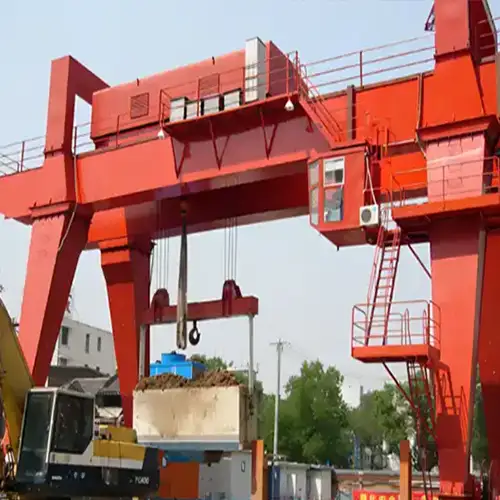
Metro Tunnel Muck Handling Gantry Crane
Metro Tunnel Muck Handling Gantry Crane for Sale. Complete guide to metro tunnel muck handling gantry cranes for TBM and subway excavation projects, covering design, capacities, safety, and selection.
| Crane Type | Gantry Crane |
| Crane Capacity | 32/5-50/10t |
| Span Length | 18-35meter or customized. |
| Lifting Height | 10-13meter or customized. |
| Coverage Area Type | Rectangular rail-mounted coverage area for tunnel shafts and muck handling zones. |
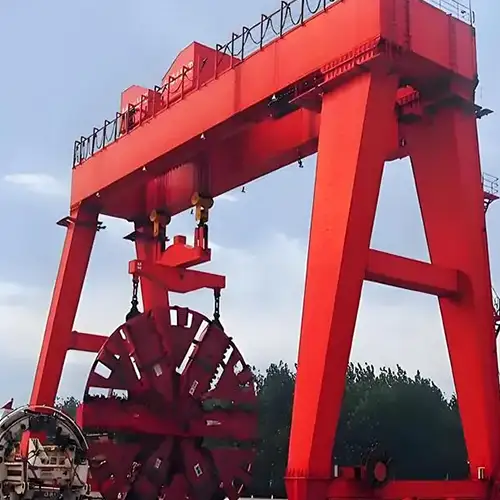
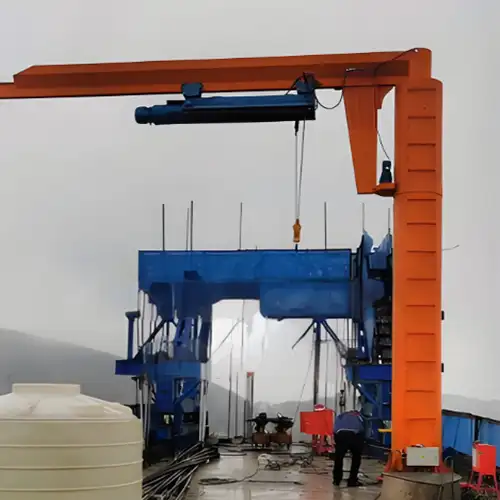
| Application | Used for lifting and transferring tunnel muck (excavated spoil) from shafts and TBM tunnels to trucks, conveyors, or spoil containers in metro, subway, and tunnel construction projects. |
| Certifications | CE / ISO / SGS / Other third-party inspection |
| Customization | Customized material handling cranes solutions available for indoor, outdoor, hazardous, corrosive, c |
Crane Manufacturer: Yuantai Cranes – 30+ Years Professional Crane Manufacturer from China
Category: Construction
Tags: Construction
Your Trusted Gantry Crane Manufacturer & Supplier
Metro Tunnel Muck Handling Gantry Cranes for TBM & Subway Excavation Projects
Most Important Takeaway
Metro tunnel muck handling gantry cranes are not standard lifting equipment; they are purpose-built high-duty systems designed to sustain continuous spoil removal in TBM-driven excavation environments where downtime directly slows tunnel progress and increases project cost.
Key Operational Notes
- Tunnel muck handling is a continuous-flow logistics operation, not intermittent lifting work
- Standard outdoor gantry cranes fail in TBM environments due to dust, humidity, and high-cycle fatigue
- Crane selection directly impacts excavation speed, safety, and project cost control
- Proper system design ensures uninterrupted spoil discharge from TBM or NATM excavation
- Capacities typically range from 10 ton to 50 ton depending on tunnel diameter and spoil volume
- Configuration choice (single girder, double girder, RMG, remote-control) depends on site constraints
Q: What type of gantry crane is suitable for metro tunnel muck handling operations?
A: A high-duty tunnel muck handling gantry crane designed for TBM and subway excavation is typically required.
Selection depends on tunnel size, shaft space, and whether it is continuous TBM or batch NATM excavation. Common choices include single girder, double girder, or semi gantry cranes for confined metro tunnel environments.
Q: Why do standard gantry cranes fail in TBM and subway excavation environments?
A: Standard gantry cranes cannot handle continuous underground tunneling conditions.
Dust, humidity, and nonstop lifting cycles in subway construction cause fast wear and electrical issues, since general cranes are not designed for tunnel muck handling operations.
Q: How does muck handling integrate with TBM excavation and spoil discharge systems?
A: The crane transfers muck from TBM discharge points to surface transport systems.
It lifts spoil from skips or containers and moves it to trucks or conveyors, keeping TBM excavation running without delay.
Q: What crane capacity is required for different tunnel sizes and excavation rates?
A: Most metro tunnel projects use 10–50 ton gantry cranes depending on spoil volume.
Smaller shafts use 10–16 ton, medium TBM tunnels use 20 ton, and large projects may need 32–50 ton for heavy muck handling cycles.
Q: Which crane configuration works best in confined underground or portal areas?
A: Compact and remote-controlled gantry cranes work best in tight tunnel spaces.
Semi gantry, European-style, or remote-control cranes are often used where space is limited and visibility is low in metro tunnel construction sites.
Q: How can buyers ensure safety and reliability in continuous tunneling operations?
A: By selecting cranes designed for high-duty continuous tunnel operation with full safety systems.
Features like overload protection, anti-sway control, sealed components, and stable braking help maintain safe and continuous muck handling during TBM excavation.
Introduction
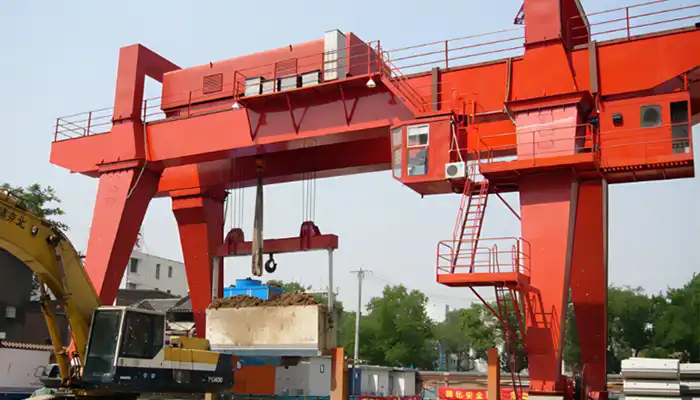
Metro tunnel construction, especially with TBMs, relies on fast, continuous removal of excavated material—tunnel muck. A muck handling gantry crane is the link between underground excavation and surface disposal, keeping the project moving.
Key points:
- TBM excavates and discharges spoil into skips or containers
- Gantry crane lifts and transfers muck to trucks or conveyors
- Continuous cycles prevent material buildup and maintain tunneling speed
Crane selection is critical. Standard outdoor cranes often fail underground due to dust, humidity, confined spaces, and nonstop operation. Choosing the right crane ensures smooth muck removal, supports TBM progress, and avoids costly delays.
What a Metro Tunnel Muck Handling Gantry Crane Is
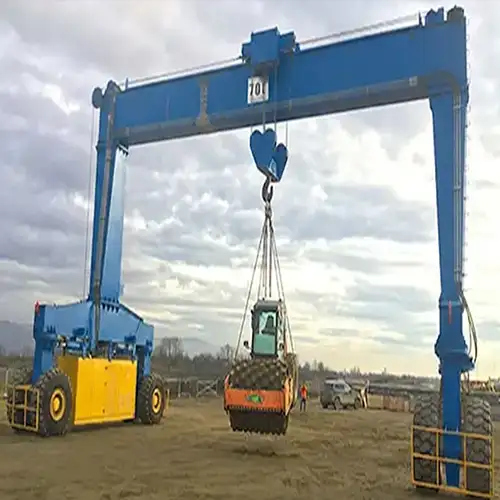
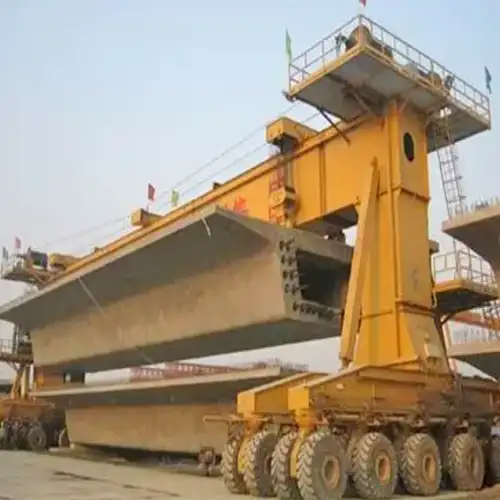
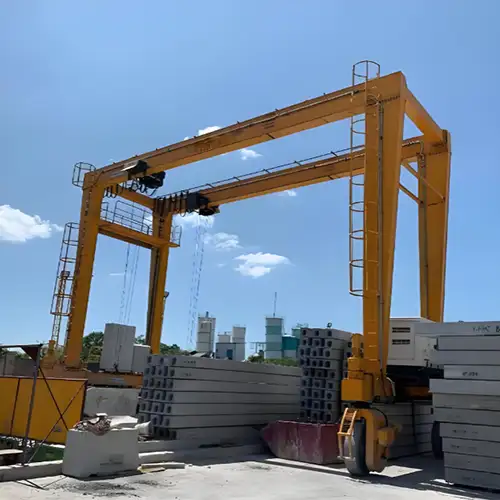
A metro tunnel muck handling gantry crane is a heavy-duty lifting system used in TBM tunnel projects and subway excavation works to transfer excavated material (tunnel muck or tunnel spoil) from underground collection points to surface transport systems such as dump trucks, conveyor belts, or spoil containers.
In metro tunnel construction projects, this equipment is positioned at shaft stations, tunnel portals, or launching and receiving areas, where it supports continuous excavation and spoil removal operations.
Function in tunnel excavation workflow
In industrial metro tunneling operations, muck removal is a continuous process tied directly to excavation progress. Each TBM advance cycle produces spoil that must be cleared without delay to maintain production rhythm.
The metro tunnel gantry crane acts as the vertical and horizontal transfer link between underground excavation and surface logistics systems.
- TBM or excavation face discharges spoil through screw conveyor or belt system
- Muck is collected into steel skips, buckets, or sealed containers at shaft level
- Gantry crane lifts and transfers the loaded units to surface transport equipment
- Material is discharged into dump trucks, stockyards, or conveyor systems
This cycle repeats continuously throughout excavation shifts in metro subway projects.
Engineering characteristics of tunnel muck handling gantry cranes
Unlike general-purpose gantry cranes used in fabrication yards or open storage areas, tunnel muck handling cranes are designed for sustained operation under excavation conditions.
- High-duty cycle design for continuous operation
Suitable for repeated lifting cycles aligned with TBM excavation output, typically operating under high duty classifications such as A6–A8. - Adaptation to underground construction environments
Designed to operate in conditions with dust, moisture, mud, and groundwater influence commonly present in tunnel shafts and portals. - Integration with tunnel construction logistics systems
Coordinated with TBM production rate, muck car circulation, and surface haulage scheduling. - Operation in confined working spaces
Suitable for shaft stations and tunnel portals where working clearance and maneuvering space are limited.
Application across tunnel construction methods
- TBM-driven tunneling
Continuous spoil generation requires synchronized crane lifting cycles to maintain steady advance rates. - NATM or drill-and-blast excavation
Muck is removed in batch cycles after blasting, requiring flexible lifting and transfer operations. - Station box and shaft construction
Cranes support mixed handling tasks including spoil removal, reinforcement materials, and construction equipment lifting.
Industrial project perspective
In metro tunnel engineering practice, this type of gantry crane is treated as part of the excavation production system rather than standalone lifting equipment.
- TBM output defines the spoil generation rate
- Gantry crane capacity and cycle time define removal efficiency
- Any mismatch between the two directly affects excavation continuity
For this reason, selection is typically based on tunnel muck handling gantry crane performance under continuous duty conditions, not only rated lifting capacity.
How Gantry Cranes Operate in TBM and Subway Excavation Projects
Operational integration in metro tunnel projects
In industrial metro tunneling, gantry cranes are not standalone equipment. They are part of a continuous spoil handling system that links excavation at the face with surface logistics. The efficiency of this system directly affects tunneling speed and overall project timelines.
TBM-based workflow
In TBM-driven tunnels, the excavation process produces spoil at a constant rate. The gantry crane works in coordination with TBM discharge systems to ensure spoil is cleared without delay.
Step-by-step operation:
- Excavation face cutting – TBM continuously removes soil or rock
- Screw conveyor discharge – Spoil is transported from the cutting head to collection points
- Muck collection – Skips, buckets, or hoppers gather the excavated material
- Gantry crane lifting – The crane lifts the loaded units and transfers them to surface transport systems
This cycle repeats continuously to maintain excavation pace. Any lag in crane operation can create spoil backlogs and slow down TBM advance.
NATM or drill-and-blast workflow
For NATM or drill-and-blast tunnels, muck removal is more batch-oriented but still relies on gantry cranes for efficient vertical lifting.
Typical process:
- Excavation and blasting cycle – Rock or soil is loosened at the tunnel face
- Muck loading – Spoil is loaded into containers or buckets at the tunnel face
- Vertical lifting – Gantry cranes lift the material through shafts to surface transport systems
Even with batch operations, the crane must synchronize with excavation cycles to prevent bottlenecks and ensure smooth material flow.
Key operational focus
- Continuous cycle operation – Cranes must handle repeated lifts without long downtime
- Synchronization with excavation speed – Lifting cycles must match TBM or blast output
- Avoiding spoil bottlenecks – Timely removal prevents material accumulation and keeps tunneling on schedule
In industrial metro tunneling projects, these operational principles ensure that gantry cranes maintain excavation efficiency and support steady tunnel progress.
Why Tunnel-Specific Gantry Cranes Are Different
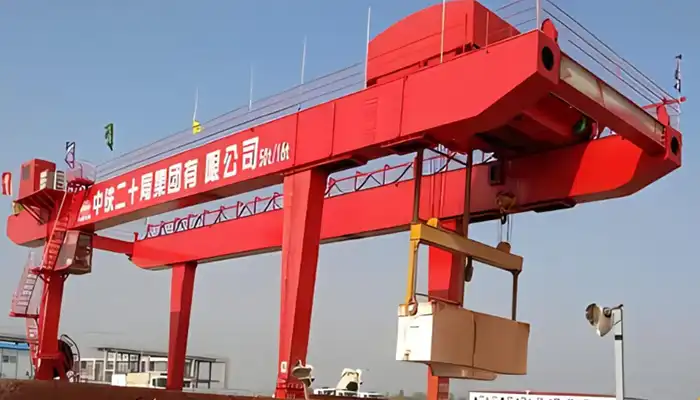
In metro tunnel construction, subway excavation, and TBM-driven tunneling projects, the underground environment is much harsher than standard outdoor or industrial sites. Dust, humidity, confined shafts, and continuous spoil removal cycles make standard gantry cranes unsuitable. Tunnel muck handling gantry cranes are engineered specifically for this purpose, designed to support continuous muck removal, maintain TBM advance rates, and handle subway construction spoil logistics reliably.
Tailored design for metro tunnel and TBM projects
Unlike regular yard or factory cranes, these cranes are fully integrated into the tunnel spoil handling workflow, ensuring spoil from the excavation face is lifted and transferred efficiently to surface transport systems or conveyor discharge points.
Structural adaptation for tunnel conditions
Tunnel gantry cranes are built to handle repeated high-frequency lifting cycles while operating in confined spaces such as shafts, portals, and station boxes. They use reinforced main frames, compact span design, and stable load-bearing geometry to manage uneven skip or bucket loads during TBM muck handling, ensuring safe operation under continuous tunnel excavation cycles without structural fatigue.
Operational adaptation for continuous spoil handling
Tunnel-specific gantry cranes are designed for high-duty operations to match TBM or NATM excavation output. Key operational adaptations include high-duty classification (A6–A8), optimized lifting speed for controlled transfer, and smooth start-stop systems to reduce mechanical stress under repetitive operations. This ensures muck removal keeps pace with TBM advance and avoids excavation bottlenecks in subway tunneling projects.
Environmental protection for underground conditions
Metro tunnels present high dust levels, mud, humidity, and water seepage risks. Tunnel-specific gantry cranes include dust-resistant electrical systems, anti-corrosion coatings, and sealed motors and gear systems. These protections ensure long-term reliability in continuous metro tunnel muck handling operations.
Control system adaptation for confined metro tunnels
Tunnel environments often limit operator visibility. Gantry cranes for tunnel muck handling use remote-control operation, semi-automated lifting cycles synchronized with TBM spoil output, and integration with TBM monitoring systems. This allows safe operation of subway construction gantry cranes in low-light or restricted tunnel spaces.
Tunnel-specific gantry cranes are engineered for TBM tunnel projects, subway excavation, and tunnel spoil lifting operations. Their design combines structural strength for high-frequency lifting, operational reliability for continuous muck removal, environmental protection for underground conditions, and advanced control systems for safe operation in confined spaces. These cranes are a critical component of industrial metro tunnel muck handling systems.
Environmental and Operational Challenges in Tunnel Muck Handling
In industrial metro tunnel projects, TBM and NATM excavation environments are extremely demanding. Gantry cranes used for tunnel muck handling face challenges that go far beyond normal yard or workshop lifting. The underground conditions affect not only the equipment but the entire spoil handling workflow.
Harsh conditions in metro tunnel and subway projects
- Persistent mud and slurry: Excavation produces wet, sticky material that coats rails, hoist ropes, and mechanical components, increasing wear and maintenance needs.
- High dust concentration: Soil, rock, and blasting dust can infiltrate motors, brakes, and electrical systems, requiring sealed components and regular inspection.
- Constant humidity and groundwater seepage: Humidity and seepage can corrode steel and damage electrical systems if protective measures are not applied.
- Confined space with limited maneuverability: Shafts, tunnel portals, and station boxes restrict crane movement, requiring compact gantry designs and precise operation.
- Continuous 24/7 excavation schedules: Cranes operate in high-duty cycles, lifting spoil non-stop to keep pace with TBM or excavation production rates.
- High vibration and structural stress: Tunnel boring and blasting transmit vibration and uneven forces, stressing crane structures, girders, and lifting mechanisms.
Impact on crane performance
- Reduced lifespan of hoists, motors, and mechanical components if not properly designed
- Increased maintenance cycles and service frequency for lubrication, inspection, and cleaning
- Higher safety requirements for operators, including controlled lifting speeds, anti-sway systems, and emergency stop mechanisms
- Need for reinforced structure, sealed electrical systems, and anti-corrosion coatings
In short, tunnel muck handling gantry cranes must be purpose-built for underground metro environments. A crane designed for standard outdoor lifting will likely fail under these continuous, high-stress industrial conditions.
Safety and Reliability Requirements for Tunnel Gantry Cranes
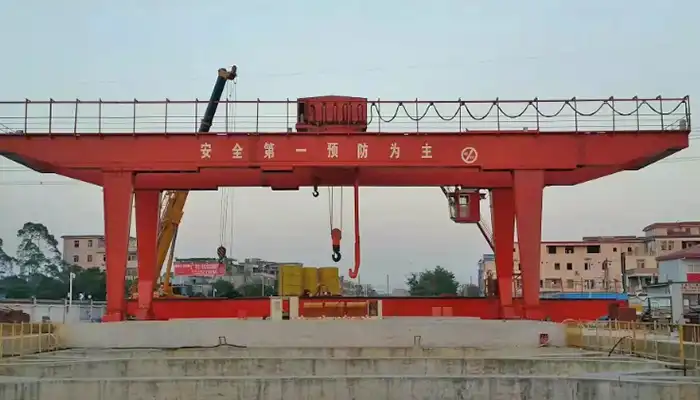
In industrial metro tunnel construction, tunnel muck handling gantry cranes operate under continuous high-duty cycles in confined, low-visibility, and dusty underground environments. A crane failure is not just a maintenance issue—it can halt TBM progress, create safety hazards, and disrupt the entire spoil handling workflow. For this reason, safety and reliability are built into the design, operation, and control systems of tunnel-specific gantry cranes.
Core safety and reliability features
- High-duty cycle classification: Cranes are rated for continuous 24/7 excavation support, ensuring uninterrupted TBM or NATM advance.
- Redundant braking systems: Dual or backup brakes secure loads even if one braking system fails during muck lifting operations.
- Anti-sway control: Prevents uncontrolled swinging of buckets or skips, improving precision in confined shafts and tunnel portals.
- Overload protection with real-time monitoring: Load sensors continuously monitor weight and prevent operation beyond rated capacity.
- Emergency stop integration: Integrated with tunnel monitoring and TBM systems for immediate shutdown during abnormal conditions.
- Operator protection: Remote and semi-automated control modes improve safety in low-visibility underground environments.
- Stable performance under fluctuating loads: Designed to handle uneven and variable muck loads during continuous lifting cycles.
Practical impact in industrial tunnel projects
- Minimizes downtime caused by equipment failure
- Reduces risk of accidents and material damage underground
- Ensures continuous, synchronized muck removal in TBM or NATM tunnel operations
- Supports long-term operational reliability with lower maintenance frequency
In short, in subway construction gantry crane operations, safety and reliability are inseparable from performance. Selecting a crane without these features can compromise both excavation speed and worker safety.
Engineering Value of Metro Tunnel Muck Handling Gantry Cranes
In metro tunnel construction, a properly designed and selected tunnel muck handling gantry crane is not just lifting equipment. It integrates into TBM or NATM excavation flows, stabilizing the spoil removal process from underground to surface transport systems.
Higher excavation efficiency through continuous spoil removal
- Supports uninterrupted TBM muck discharge handling from screw conveyors or belt systems
- Maintains steady lifting cycles between underground and surface levels
- Reduces waiting time at shaft stations during muck transfer operations
This ensures TBM can maintain its designed advance rate without slowdowns caused by spoil accumulation.
Reduced risk of project delays caused by lifting bottlenecks
- Prevents backlog of tunnel spoil at shaft or portal areas
- Ensures synchronization between excavation output and crane lifting capacity
- Avoids stoppages caused by insufficient handling speed during peak excavation cycles
Even short delays in muck removal logistics can affect the overall construction schedule.
Improved reliability under underground construction conditions
- Stable operation in high humidity, dust, and confined tunnel environments
- Consistent performance under continuous 24/7 excavation schedules
- Handles fluctuating loads from different muck bucket or skip sizes
This reliability is critical in deep metro tunnels with limited maintenance access.
Lower lifecycle maintenance cost compared to standard cranes
- Reinforced structure reduces fatigue under high-duty tunnel operation cycles
- Sealed components reduce damage from dust and slurry exposure
- Designed for long-term continuous excavation projects rather than intermittent lifting
Reduces breakdown frequency and service interruptions versus general-purpose gantry cranes.
Better integration with TBM excavation workflow systems
- Synchronizes with TBM output rate and spoil discharge systems
- Coordinates with muck cars, conveyors, and surface transport systems
- Adapts to project-specific excavation schedules and shaft logistics layouts
Ensures the crane operates as a core part of the continuous tunnel muck handling workflow.
Send Us An Inquiry to Get Tailored Gantry Crane Solutions
Metro tunnel muck handling gantry cranes are critical infrastructure within TBM and subway excavation projects, directly influencing excavation speed, safety, and operational continuity. Selecting the correct configuration, capacity, and duty class ensures uninterrupted spoil removal, reduced downtime, and long-term project efficiency in some of the most demanding construction environments.

Yuantai Cranes
Overhead Crane Manufacturer with CE, ISO, SGS, CNEX Certificates.
- Main Specifications - Capacity: 0.5–550 tons | Span: up to 40m | Speed: 0.8–12 m/min | Duty: A3–A7 | Power: 380–690V, 50/60Hz | Control: pendant/remote/cabin
- Full engineering: FEA/PLC/VFD + in-house build + global delivery + on-site support, for workshops, factories, EPC contractors, industrial projects, etc.
- Support: design, manufacturing, testing, service – end-to-end, customized lifting solutions worldwide.
How to Get an Accurate Crane Price for Your Application?
Tips: Copy the spec list, fill in your details, and paste it into the form on the right/ down-below for a quick price.
- Crane type:_____ . (e.g., overhead crane, gantry crane, jib crane)
- Max weight to lift:_____ tons. (e.g., 2t, 5t, 10t, 20t, 50t)
- Lifting height:_____ m. (How high does the hook need to reach?
- Workshop width (span):_____ m . (Distance between the two crane rails)
- Travel distance:_____ m . (How long does the crane need to move along the runway?)
- Control type:_____. (Pendant / remote / cabin Control)
- Power supply:_____. (Local voltage & frequency – e.g., 380V, 50Hz, 3-phase)
- What will it be used for?_____ (e.g., steel fabrication, concrete products, mold handling, general manufacturing, etc.)
- Any special requirements?_____ (e.g., extreme temperature, dusty or explosive environment, special paint color, etc.)
Just leave a message via the contact form and our hoist and crane engineer will contact you with in 24working hours.
Get Your Custom Quote–Quick & Easy
Fill in what you know. Skip what you don't – we'll help.Any question will be reply with 24 working hours