Global Crane Pricing: How Buying from China Saves Costs
Learn how global crane pricing works and why buying cranes directly from China can reduce costs through factory pricing, economies of scale, and flexible customization.
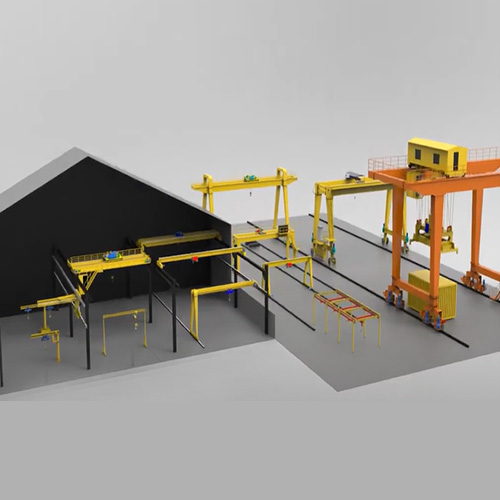
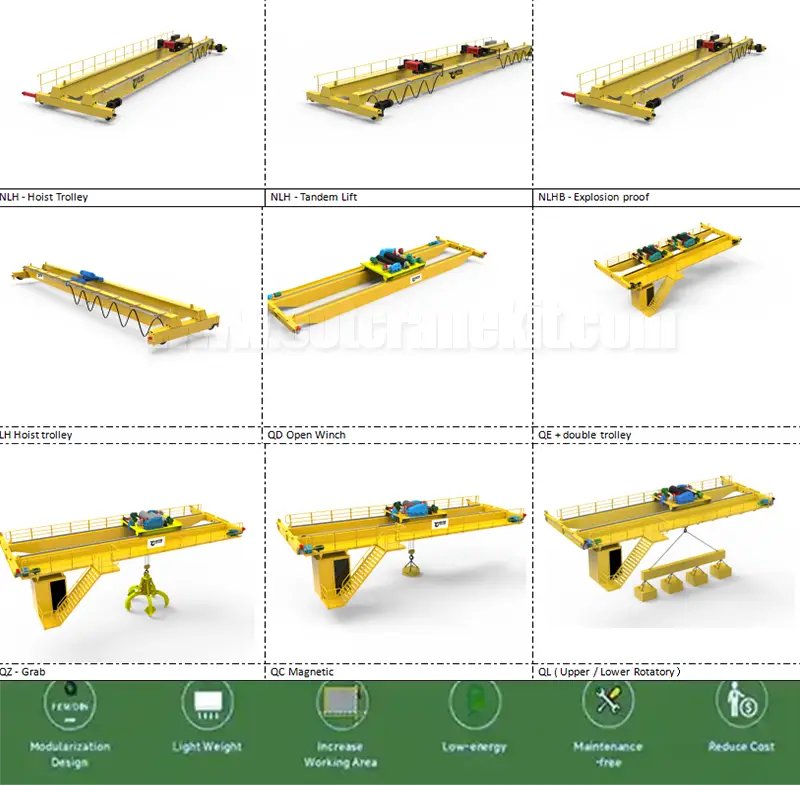
| Crane Type | China Crane Procurement Range: Single Girder, Double Girder, Top Running, Under Running, and Specialized Overhead Cranes; Gantry and Jib systems; Working Duty: ISO A3–A7 / M3–M7; Power Supply: 380–690V, 3 Ph, 50/60Hz or customized |
| Crane Capacity | 0.5–550+ ton depending on crane type and application; Single Girder 1–20 ton, Double Girder 5–320 ton, Top Running 3–320 ton, Under Running 0.5–10 ton |
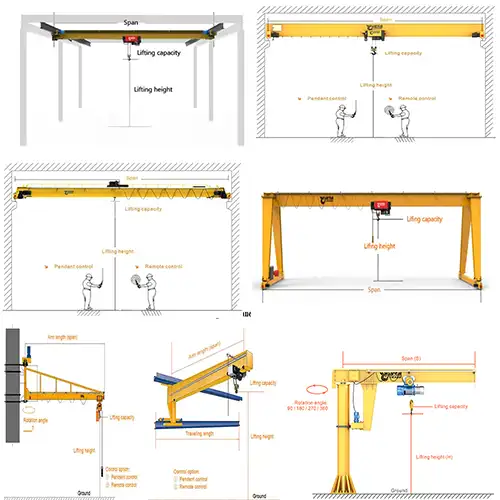
| Span Length | Up to about 40 m for the overall overhead crane range; project-specific according to building width, runway layout and required coverage |
| Lifting Height | Project-specific; |
| Coverage Area Type | Workshops, factories, warehouses, production lines, steel plants, construction sites, logistics facilities, shipyards and industrial handling areas |
| Application | Material handling, lifting, positioning, assembly, maintenance, loading/unloading, manufacturing, steel, construction, warehouses, logistics and industrial projects |
| Certifications | CE / ISO / SGS / Other third-party inspection |
| Customization | Total Cost of Ownership: Equipment price + engineering/customization + shipping and handling + import duties/taxes + documentation/compliance + installation/commissioning + maintenance + spare parts and operating costs |
Crane Manufacturer: Yuantai Cranes – 30+ Years Professional Crane Manufacturer from China
Category: China
Tags: overheadcranechina,craneprice
Your Trusted Overhead Crane Manufacturer & Supplier
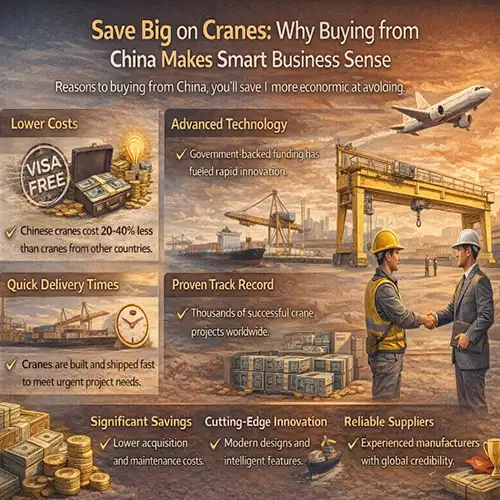
Save Big on Cranes: Why Buying from China Makes Smart Business Sense
Introduction
The global crane market is growing steadily, driven by industries like steel production, construction, logistics, and shipping. But with growth comes higher costs. Material prices, labor, shipping, and tariffs can make sourcing cranes from overseas complicated—and expensive.
International procurement often involves multiple layers of intermediaries. Agents, distributors, and brokers may add fees or create delays. For industrial buyers, this means unpredictable pricing and a longer time to get the equipment on-site.
Buying directly from Chinese manufacturers offers a practical solution. The crane market in China is one of the largest producers of overhead cranes, gantry cranes, and hoists. Working directly with factories allows buyers to reduce costs and simplify the purchasing process.
Key benefits of direct sourcing from China include:
- Clear, direct pricing: No middlemen inflating costs. You know exactly what you are paying for.
- Better control over customization: Factories can adjust crane specifications to your workshop or plant needs without unnecessary extra costs.
- Faster, simpler procurement: Communication with manufacturers is direct, reducing misunderstandings and speeding up delivery.
In short, buying directly from Chinese crane manufacturers isn’t just about getting a lower price. It’s about gaining transparency, cutting unnecessary expenses, and planning your budget with confidence.
Factors That Affect Global Crane Pricing
Crane pricing is not just about the numbers on a quote. Several factors combine to determine the final cost, and understanding them can help buyers make informed decisions.
Manufacturing Costs
The foundation of any crane's price is the cost to produce it. This includes:
- Labor costs: Skilled labor in crane fabrication can vary by country and region. Higher labor quality often improves reliability but increases cost.
- Material expenses: Steel, electrical components, and hoisting mechanisms contribute significantly to the overall price. Fluctuating global steel prices can directly impact crane costs.
- Technology and quality standards: Cranes built to meet CE, ISO, or other certifications may cost more upfront but ensure long-term reliability and safety.
Understanding manufacturing costs helps buyers compare quotes more effectively and avoid paying extra for features they don't need.
Middlemen and Distribution
Buying cranes through intermediaries often adds layers of cost:
- Agents, brokers, and distributors: Each layer can include a markup, sometimes without transparency.
- Hidden fees: Shipping, customs handling, or "administrative fees" can add unexpected expenses.
- Impact on delivery: Indirect sourcing can slow down response times and complicate communication.
By identifying these factors, buyers can see how direct factory sourcing can reduce costs and simplify procurement.
Customization and Specifications
Not all cranes are created equal. Special requirements can affect pricing:
- Customized designs: Single girder, double girder, explosion-proof, or outdoor cranes may require specific components.
- Precise quotes matter: Providing accurate specifications—lifting capacity, span, frequency of use, and installation environment—ensures the quote reflects your real needs.
- Avoiding overpayment: Without clear specifications, suppliers may overestimate, leading to higher costs than necessary.
Careful attention to customization and specifications ensures buyers pay for exactly what they need, no more, no less.
How Chinese Crane Suppliers Offer Competitive Pricing
When it comes to sourcing cranes, Chinese manufacturers have built a strong reputation for combining quality with cost efficiency. There are a few key reasons why buyers often find competitive pricing here.
Direct Factory Quotations
Dealing directly with the manufacturer makes a big difference:
- Eliminates intermediaries: Without agents or brokers, there's no extra markup. Buyers can negotiate directly with the factory.
- Faster, transparent pricing: Factories can provide clear, detailed quotations quickly, including all relevant costs—materials, labor, and optional customization.
- Accurate budgeting: Direct quotes help buyers plan more confidently and avoid unexpected expenses.
Economies of Scale
Large-scale manufacturing in China helps keep costs lower:
- Reduced unit costs: High production volumes allow factories to spread material and labor costs over many units.
- Bulk discounts: Industrial buyers ordering multiple cranes often receive additional cost savings.
- Consistent quality: Even with lower prices, reputable factories maintain strict quality control, so buyers don't compromise reliability.
Flexible Customization
Chinese suppliers can adapt to a wide range of industrial needs without excessive cost increases:
- Tailored solutions: Factories can adjust lifting capacity, span, hoist type, and safety features to match your workshop or plant requirements.
- Examples of customization: Single girder vs. double girder cranes, explosion-proof hoists, outdoor or workshop cranes.
- Cost control: Factories often offer modular or semi-standard designs that keep costs reasonable while meeting operational needs.
In short, competitive pricing from Chinese crane manufacturers comes from a combination of direct communication, high-volume production, and flexible customization. Buyers gain both affordability and solutions that fit their specific industrial requirements.
Cost-Saving Strategies for Buyers
Buying a crane is a significant investment, and small decisions can make a big difference in total cost. There are several strategies industrial buyers can use to save money without compromising quality.
Comparing Quotes
Getting multiple quotes is not just a formality—it's essential:
- Request detailed quotations: Ask suppliers for a breakdown of costs, including materials, labor, customization, shipping, installation, and after-sales support.
- Look for transparency: Quotes should clearly show what's included and what isn't, helping you avoid surprises later.
- Evaluate total value: Don't focus only on the lowest price; consider reliability, warranty, and support.
Minimizing Intermediaries
Dealing directly with manufacturers brings both financial and operational benefits:
- Lower costs: Skipping agents or distributors reduces markups and hidden fees.
- Clear communication: Direct contact minimizes misunderstandings about specifications, delivery, and installation.
- Faster decisions: You can negotiate timelines and customization options more efficiently.
Long-Term Savings
Cost savings don't end at purchase. Thinking ahead can save even more:
- Durability and reliability: High-quality cranes reduce maintenance, downtime, and unexpected repair expenses.
- Strategic sourcing: Choosing a reputable factory ensures spare parts availability and easier future upgrades.
- Total cost of ownership (TCO): Lower initial cost plus reduced maintenance and operational expenses equals better overall value.
By combining careful quote evaluation, direct manufacturer engagement, and a long-term perspective, buyers can secure cranes that fit both their budget and operational needs.
Why It Matters
Knowing how crane pricing works and sourcing directly from manufacturers can have a real impact beyond the purchase price. It affects your budgeting, operations, and competitive position in the market.
Budget Planning
When costs are transparent, planning becomes simpler and more reliable. Buyers can clearly see where money is going and avoid unexpected expenses.
- Avoid surprises: Clear quotes show all costs—materials, shipping, installation, and after-sales service.
- Smarter allocation: Accurate pricing lets you plan funds across multiple projects or other equipment needs.
- Confidence in decisions: You can invest in cranes without worrying about hidden charges inflating the final cost.
Operational Efficiency
Saving money upfront also improves how smoothly your operations run. Efficient sourcing allows more resources to be directed where they matter most.
- Invest in equipment, not fees: Money saved on intermediaries can go toward higher-quality components or additional cranes.
- Faster delivery and setup: Direct factory communication reduces delays, getting cranes to your facility sooner.
- Reduced production interruptions: Reliable procurement minimizes downtime caused by miscommunication or specification errors.
Global Competitiveness
Strategic sourcing from competitive suppliers strengthens your business in a global market. Lower costs and tailored solutions can directly improve your market position.
- Lower total cost of ownership: Savings on purchase, maintenance, and operations add up over time.
- Tailored solutions within budget: Competitive pricing lets you choose cranes suited exactly to your operational needs.
- Reinvest savings for growth: Money saved can fund modernization, expansion, or workforce development without compromising quality.
Conclusion
Sourcing cranes directly from Chinese manufacturers can make a noticeable difference in both cost and efficiency. Buyers benefit from clearer pricing, fewer middlemen, and solutions tailored to their specific operational needs.
- Competitive pricing: Direct factory quotes reduce markups and provide transparency.
- Fewer intermediaries: Eliminating brokers and distributors lowers hidden fees and speeds up communication.
- Overall cost savings: From purchase to maintenance, direct sourcing helps control the total cost of ownership.
Industrial buyers looking for reliable, affordable, and customizable cranes can leverage direct factory quotations to plan budgets more accurately and ensure smoother procurement. Building a long-term relationship with reputable Chinese suppliers can also provide ongoing support, spare parts availability, and future upgrades, making it a practical strategy for sustained operational efficiency.

Yuantai Cranes
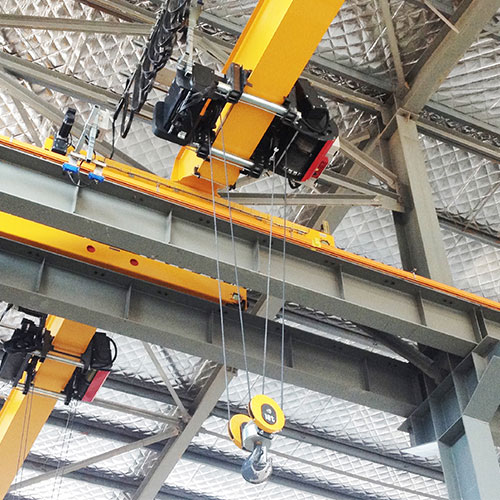
Overhead Crane Manufacturer with CE, ISO, SGS, CNEX Certificates.
- Main Specifications - Capacity: 0.5–550 tons | Span: up to 40m | Speed: 0.8–12 m/min | Duty: A3–A7 | Power: 380–690V, 50/60Hz | Control: pendant/remote/cabin
- Full engineering: FEA/PLC/VFD + in-house build + global delivery + on-site support, for workshops, factories, EPC contractors, industrial projects, etc.
- Support: design, manufacturing, testing, service – end-to-end, customized lifting solutions worldwide.
How to Get an Accurate Crane Price for Your Application?
Tips: Copy the spec list, fill in your details, and paste it into the form on the right/ down-below for a quick price.
- Crane type:_____ . (e.g., overhead crane, gantry crane, jib crane)
- Max weight to lift:_____ tons. (e.g., 2t, 5t, 10t, 20t, 50t)
- Lifting height:_____ m. (How high does the hook need to reach?
- Workshop width (span):_____ m . (Distance between the two crane rails)
- Travel distance:_____ m . (How long does the crane need to move along the runway?)
- Control type:_____. (Pendant / remote / cabin Control)
- Power supply:_____. (Local voltage & frequency – e.g., 380V, 50Hz, 3-phase)
- What will it be used for?_____ (e.g., steel fabrication, concrete products, mold handling, general manufacturing, etc.)
- Any special requirements?_____ (e.g., extreme temperature, dusty or explosive environment, special paint color, etc.)
Just leave a message via the contact form and our hoist and crane engineer will contact you with in 24working hours.
Get Your Custom Quote–Quick & Easy
Fill in what you know. Skip what you don't – we'll help.Any question will be reply with 24 working hours