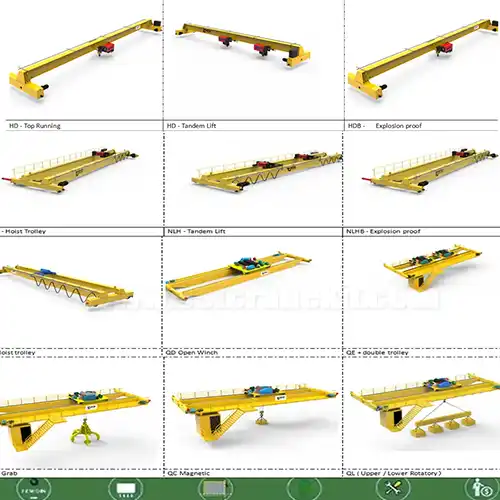
Overhead Cranes in Saudi Arabia | Buyer’s Guide to Applications
Saudi Arabia’s overhead and gantry crane market guide on industry applications, crane types, key suppliers, & tips for choosing cost-effective solutions.
| Crane Type | Saudi Arabia Industrial Crane Systems: Overhead Bridge Crane, Gantry Crane, Semi-Gantry Crane and Jib Crane; Working Duty: ISO A3–A7 / M3–M7 ; Power Supply: 380/400/415/440/480V, 3 Ph, 50/60Hz or customized |
| Crane Capacity | 3–320 ton overall; final capacity selected according to maximum load, handling method, duty and operating cycle |
| Span Length | 7.5–35 m+ typical; project-specific according to workshop width, runway arrangement, yard layout and required coverage |
| Lifting Height | 6–30 m+ typical; project-specific according to building clearance, load path and required hook height |
| Coverage Area Type | Factories, workshops, warehouses, production lines, construction sites, industrial yards, ports and logistics areas |
| Application | Manufacturing, workshops, construction, ports, logistics, steel, automotive, energy, petrochemical and equipment maintenance |
| Certifications | CE / ISO / SGS / Other third-party inspection |
| Customization | Type: Overhead / Gantry / Semi-Gantry / Jib · Application: Workshop / Factory / Construction / Port / Logistics · Handling: Machinery / Steel / Precast / Cargo · Environment: Indoor / Outdoor / Heat / Dust · Special: Low-Headroom/ Anti-Collision / Load Mo |
Crane Manufacturer: Yuantai Cranes – 30+ Years Professional Crane Manufacturer from China
Category: Saudi Arabia
Tags: Saudi,SelectGuide
Your Trusted Overhead Crane Manufacturer & Supplier
Overhead Crane & Gantry Cranes 3 Ton to 320 Ton in Saudi Arabia
A Buyer's Guide to Market Trends, Applications, and Supplier Insights
Saudi Arabia's Industrial Growth
Saudi Arabia is investing heavily in industrial development and infrastructure. Vision 2030 is pushing the country toward economic diversification, which means more factories, industrial zones, modern ports, and large construction projects. Cities like Riyadh, Jeddah, Dammam, and Jubail are seeing rapid expansion, creating a strong demand for reliable material handling equipment.
- Expansion of manufacturing and assembly plants.
- Large-scale construction projects requiring heavy lifting.
- Modernization of ports and logistics hubs.
Why Cranes Are Essential
Cranes are not just machines—they are a practical solution for moving heavy loads safely and efficiently. They are used across workshops, factories, construction sites, and ports. Having the right crane can prevent delays, reduce labor costs, and improve workplace safety.
- Workshops & Factories: Move raw materials, semi-finished products, and machinery along production lines.
- Construction Projects: Lift precast concrete, steel beams, and other heavy components safely.
- Ports & Logistics: Load and unload containers, bulk cargo, and equipment quickly and efficiently.
Purpose of This Guide
Buying a crane is not as simple as picking a tonnage. There are many factors to consider, from lifting height and span to supplier reliability and maintenance support. This guide helps buyers make informed choices, ensuring the crane fits their operational needs and provides long-term value.
For buyers, the key considerations include:
- Choosing the right crane type: overhead, gantry, or semi-gantry.
- Matching crane capacity and duty cycle to specific applications.
- Evaluating supplier credibility, certifications, and after-sales support.
- Planning for future expansion and maintenance requirements.
Saudi Arabia Crane Market Overview
Current Market Size and Growth Trends
The crane market in Saudi Arabia has been growing steadily in recent years, driven by industrial expansion and infrastructure development. Demand for overhead and gantry cranes continues to rise as factories, ports, and construction projects require more efficient material handling solutions. The industrial crane market is expanding across manufacturing, construction, logistics, and energy sectors. Both domestic and international buyers are investing in new crane installations. Market growth is expected to remain strong over the next decade, supported by Vision 2030 initiatives.Key Drivers of Crane Demand
Several factors are contributing to the growing need for cranes in Saudi Arabia:
- Industrial Diversification: Expansion of non-oil industries, including manufacturing, automotive, steel production, and energy.
- Large-Scale Infrastructure Projects: New highways, bridges, factories, and port expansions require reliable heavy-lifting solutions.
- Logistics and Port Efficiency: Modernization of shipping and cargo handling operations increases demand for gantry and semi-gantry cranes.
- Urban Development: Construction of industrial zones and commercial facilities calls for versatile lifting equipment.
Popular Crane Types
Saudi buyers typically choose cranes based on application, load, and workspace. The most commonly used types include:
- Overhead Cranes: Ideal for indoor workshops and factories; used for moving materials along production lines.
- Gantry Cranes: Suited for outdoor yards, ports, and large open spaces; capable of handling heavy loads.
- Semi-Gantry Cranes: A hybrid option for facilities where space or runway support is limited.
Regional Demand
Cranes are in high demand across major industrial hubs in Saudi Arabia:
- Riyadh: Manufacturing plants and large assembly workshops.
- Jeddah: Port operations and logistics centers.
- Dammam: Petrochemical, steel, and industrial zones.
- Jubail: Heavy industry, shipbuilding, and industrial parks.
This regional distribution helps buyers understand where most industrial crane activity is concentrated and what types of cranes are in demand.
Common Crane Applications
Manufacturing & Workshops
Cranes are essential in Saudi Arabia's growing manufacturing sector. They help move raw materials, components, and semi-finished products efficiently, reducing manual labor and improving production flow. They are widely used in assembly lines, mold handling, and equipment positioning.
Key locations for manufacturing cranes:
- Riyadh: Electronics, machinery, and automotive component workshops.
- Dammam: Heavy machinery assembly and steel component production.
- Jeddah: Food processing, packaging, and general manufacturing plants.
- Yanbu: Petrochemical manufacturing and factory assembly lines.
Practical benefits for buyers:
- Smooth transfer of materials across production lines.
- Faster setup for molds and tools in workshops.
- Reduced risk of damage to heavy or delicate components.
Construction & Infrastructure
Cranes are vital for Saudi Arabia's ongoing construction and infrastructure projects. They handle precast concrete, steel beams, and large structural components safely and efficiently. From bridge projects to commercial buildings and industrial plants, cranes help ensure projects stay on schedule.
Key locations for construction cranes:
- Riyadh: Major commercial buildings, residential towers, and highway projects.
- Jeddah: Coastal infrastructure, bridges, and urban development projects.
- Dammam & Jubail: Industrial zones, factories, and large-scale infrastructure projects.
- Makkah & Madinah: Religious and tourist-related infrastructure expansion.
Practical benefits for buyers:
- Faster lifting and placement of large structural elements.
- Improved safety for workers handling heavy loads.
- Reduced downtime during complex construction operations.
Ports & Logistics
Ports in Saudi Arabia rely heavily on gantry and semi-gantry cranes to handle containers, bulk cargo, and materials efficiently. These cranes improve turnaround times, reduce labor costs, and support logistics operations across major shipping hubs.
Key port locations:
- Jeddah Islamic Port: Largest container port in the Red Sea region.
- King Abdulaziz Port (Dammam): Handles industrial cargo and petrochemical exports.
- King Fahd Industrial Port (Yanbu): Bulk cargo and heavy industrial equipment handling.
- Jubail Commercial Port: Industrial materials, containers, and large-scale cargo operations.
Practical benefits for buyers:
- Fast and safe container and cargo handling.
- Ability to lift heavy or irregular-shaped loads with minimal labor.
- Supports large-scale logistics and industrial supply chains.
Other Industries
Cranes are also widely used across specialized sectors, including steel plants, automotive manufacturing, aerospace, energy, and petrochemical facilities. These industries require precise, high-capacity cranes for heavy loads and sensitive equipment.
Key industrial locations:
- Eastern Province (Dammam, Jubail, Al Khobar): Steel production, petrochemical plants, and energy facilities.
- Riyadh & Al Qassim: Automotive component plants and assembly workshops.
- Yanbu & Jazan: Aerospace components, industrial energy plants, and shipyards.
Practical benefits for buyers:
- Efficient handling of heavy industrial components.
- Improved safety for high-risk operations.
- Reduced equipment downtime with smooth material flow.
Overhead Cranes
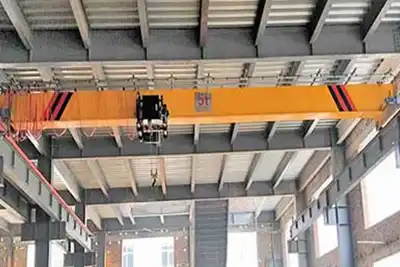
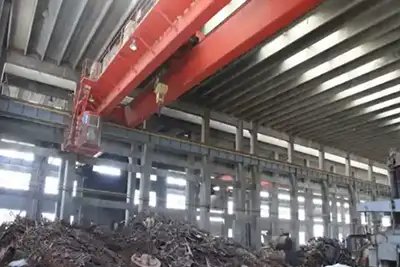
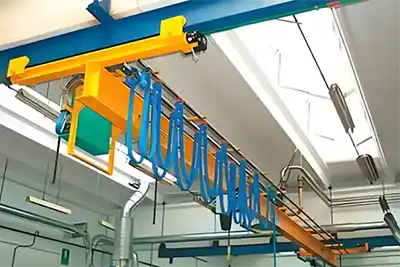
Overhead cranes, also known as bridge cranes, are lifting systems designed to move heavy loads horizontally across a facility. They operate on elevated runways, allowing materials to travel from one side of a workshop, factory, or warehouse to another.
Capacity ranges
- 1–10 tons: Small to medium workshops
- 10–30 tons: Medium-duty factories and assembly lines
- 30–50+ tons: Large industrial facilities such as steel plants and heavy machinery yards
These cranes are widely used in manufacturing, automotive assembly, steel workshops, and maintenance operations.
Practical Benefits
Overhead cranes provide clear, real-world advantages for buyers and operators:
- Faster Material Flow: Quickly transports items across long spans without disrupting workflow.
- Reduced Manual Labor: Handles heavy loads safely, lowering labor requirements.
- Precise Handling: Accurate positioning of machinery, molds, or materials.
- Space-Saving Design: Operates above the floor, freeing up workspace.
- Improved Safety: Controlled lifting reduces risks of accidents.
Factors Buyers Should Consider
When choosing an overhead crane, these key factors ensure the crane fits operational requirements:
- Hoist Type:Wire rope hoists: Heavy-duty, long-span, high-capacity applications. Electric chain hoists: Lighter loads, low lifting height workshops
- Span: Distance between runway beams determines load coverage and flexibility.
- Lifting Height: Must meet operational needs without interfering with ceilings or equipment.
- Duty Classification: Defines usage frequency and load cycles; choose light, medium, or heavy-duty.
- Power Supply & Controls: Voltage compatibility, and whether pendant, cabin, or remote controls are needed.
Selecting the right combination of hoist, span, lifting height, and duty ensures reliable performance, lower downtime, and long-term value for your investment.
Gantry Cranes
Gantry cranes are lifting systems that use a bridge supported by legs running on tracks or wheels, allowing them to straddle a workspace. Unlike overhead cranes, which are typically fixed to workshop runways, gantry cranes can operate outdoors and cover larger open areas.
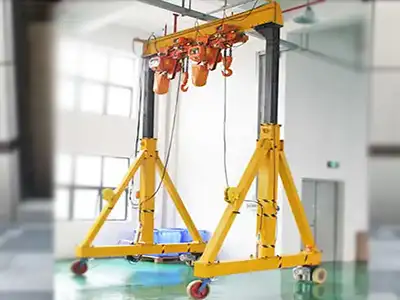
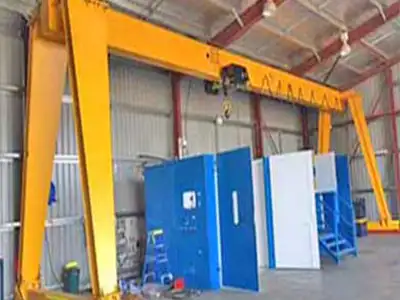
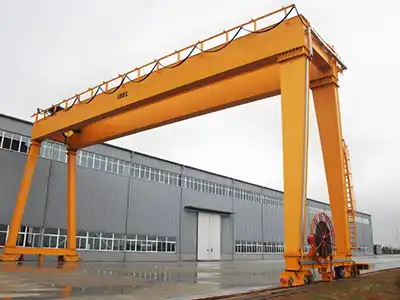
Common structures:
- Full Gantry Cranes: Both ends supported by legs on rails; ideal for heavy-duty lifting and long spans.
- Semi-Gantry Cranes: One end supported on a leg, the other on an existing runway or structure; saves space while maintaining lifting capacity.
These cranes are widely used in ports, shipyards, industrial yards, and large outdoor storage areas.
Practical Benefits of Gantry Cranes
Gantry cranes offer real-world advantages for industrial operations, especially where flexibility and heavy lifting are required:
- Mobility: Can be moved along rails or wheels, making it easy to lift materials across wide outdoor areas.
- Adaptability: Suitable for uneven surfaces, varying site layouts, and outdoor conditions.
- High Lifting Capacity: Can handle very heavy loads, including containers, steel beams, and machinery.
- Versatility: Can be configured as single or double girder, depending on load and span requirements.
- Reduced Infrastructure Needs: Semi-gantry cranes can leverage existing structures, minimizing installation costs.
Key Buyer Considerations
When selecting a gantry crane, buyers should focus on factors that directly affect safety, performance, and long-term usability:
- Span: Distance between the crane legs affects coverage and the ability to move materials across a yard or port.
- Lifting Height: Must meet operational requirements without risking collisions with overhead structures or equipment.
- Ground Conditions: Rails, wheels, or foundation stability impact crane performance and lifespan.
- Single vs. Double Girder:Single Girder: Suitable for lighter loads and smaller spans; more cost-effective.Double Girder: Designed for heavy loads, long spans, and continuous operation; increases stability and durability.
- Environment: Outdoor operations may require weatherproof coatings, motor protection, and dust or heat-resistant components.
- Hoist Type: Wire rope hoists are common for heavy-duty gantry cranes, while electric chain hoists suit lighter loads.
By carefully evaluating span, lifting height, ground conditions, and girder type, buyers can choose a gantry crane that delivers reliable performance, minimizes downtime, and meets the demands of industrial yards, ports, and large construction sites.
Jib Cranes
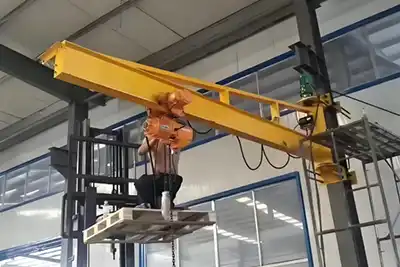
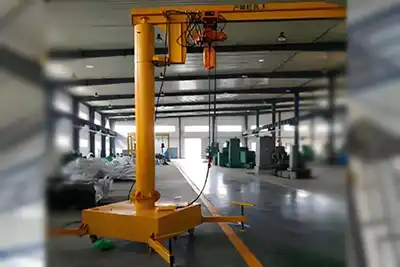
What Are Jib Cranes?Jib cranes are compact lifting systems with a horizontal arm (jib) that supports a hoist. The arm is usually fixed to a wall, column, or a floor-mounted pillar, allowing rotation to cover a specific work area. Unlike overhead or gantry cranes, jib cranes are designed for localized lifting tasks, making them ideal for small workshops, assembly stations, and maintenance areas.
Common types:
- Wall-Mounted Jib Cranes: Fixed to a strong wall or column; ideal where floor space is limited.
- Free-Standing/Pillar Jib Cranes: Supported by a vertical column; allows installation anywhere on the workshop floor.
- Slewing Jib Cranes: Rotates around a vertical axis to cover a larger area without moving the base.
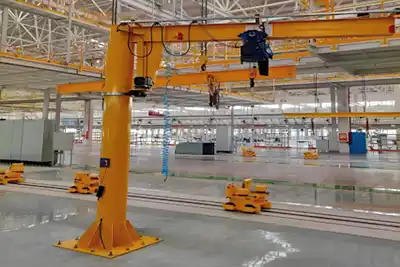
Practical Benefits of Jib Cranes
Jib cranes provide practical advantages for buyers who need localized lifting without large-scale crane installations:
- Space-Saving Design: Operates in a confined area without requiring overhead runways or extensive infrastructure.
- Precision Handling: Ideal for small, precise lifting tasks such as tooling, molds, or machine parts.
- Flexibility: Swinging or rotating jib allows access to multiple points around the base.
- Cost-Effective: Lower upfront cost compared to overhead or gantry cranes for small-lifting needs.
- Quick Installation: Can be mounted easily on walls or floor pillars without major construction.
Key Buyer Considerations
When selecting a jib crane, buyers should consider the following practical factors:
- Lifting Capacity: Typically ranges from 0.5 to 10 tons; choose based on maximum load requirements.
- Reach/Arm Length: Determines the area the crane can cover; must suit the workspace layout.
- Mounting Type:Wall-mounted for space-limited areas.Floor-mounted for more flexibility and higher capacities.
- Rotation Angle: 180°, 200°, or full 360° rotation depending on workflow needs.
- Hoist Type: Electric chain hoists are common for smaller jib cranes, while wire rope hoists may be used for higher capacities.
- Duty Cycle: Frequency of operation; heavy-duty jib cranes are designed for frequent, continuous use.
- Environment: Indoor workshops may require standard models; outdoor or dusty areas may need weatherproof or corrosion-resistant components.
By evaluating lifting capacity, arm reach, mounting type, and rotation, buyers can select a jib crane that improves efficiency, reduces manual labor, and fits seamlessly into their workspace.
Benefits of Buying from Chinese Crane Manufacturers
When it comes to sourcing cranes, many buyers in Saudi Arabia and across the Middle East are turning to Chinese manufacturers. One reason is that they offer practical solutions without compromising quality. Chinese suppliers have decades of experience producing a wide variety of cranes for workshops, factories, ports, and construction projects worldwide. Partnering with them can make a significant difference in terms of cost, customization, and reliability.
Benefits You can Expect
Here are the main benefits buyers can expect:
- Competitive Pricing: Chinese manufacturers can offer cranes at lower costs compared to many European or American brands, making it easier to manage budgets while still obtaining high-quality equipment.
- Wide Product Range: Cranes are available in capacities from 1 ton up to 50+ tons, including single girder, double girder, overhead, gantry, and semi-gantry configurations.
- Customization: Suppliers can tailor cranes to specific needs, such as load capacity, span, lifting height, indoor or outdoor environments, and special industrial conditions.
- Quality & Certification: Many manufacturers provide ISO, CE, and third-party inspection certificates, ensuring products meet international standards.
- Experience: Chinese suppliers have extensive global experience and understand the needs of industries like steel, automotive, shipbuilding, and energy.
- Fast Production & Delivery: Efficient production lines and flexible manufacturing allow shorter lead times, helping buyers get cranes installed sooner.
- After-Sales Support: Spare parts, technical guidance, and remote troubleshooting are often included, which is crucial for long-term reliability and minimal downtime.
Choosing a Chinese crane manufacturer doesn't just mean saving on cost. It also provides buyers with access to a broad selection of cranes, industry expertise, and reliable support. When evaluating suppliers, it's important to consider certifications, delivery times, and the ability to customize products for your specific operational needs. With these factors in mind, buyers can make informed decisions that improve efficiency, safety, and long-term performance in their workshops, ports, or construction projects.
Selection Tips for Buyers
Choosing the right crane for your facility is more than just picking a tonnage. Many buyers make the mistake of focusing solely on the lifting capacity, without considering workflow, space constraints, or long-term maintenance. Taking the time to evaluate all aspects of crane selection ensures safer operations, smoother workflows, and better return on investment.
Here are the key factors buyers should consider:
- Match Crane Capacity to Workflow and Lifting Needs: Select a crane that can handle your heaviest loads comfortably. Avoid underestimating load requirements, and consider future increases in production or material handling needs.
- Evaluate Workshop or Yard Constraints: Consider whether the crane will operate indoors or outdoors, available floor or ceiling space, runway structure, and power supply. Confined spaces may require low-headroom or single-girder designs, while outdoor yards may need gantry or semi-gantry cranes.
- Maintenance, Service, and Spare Parts Availability: A crane is only as reliable as its maintenance support. Ensure that spare parts are readily available and that the supplier offers technical guidance or on-site support. Preventive maintenance schedules help reduce downtime.
- Safety Standards Compliance: Confirm that cranes meet international and local standards, including ISO and CE certifications, as well as Saudi regulatory requirements. Safety features such as overload protection, limit switches, and emergency stops are essential.
- Total Cost of Ownership vs. Upfront Price: Don't focus solely on the purchase price. Consider operating costs, maintenance, energy efficiency, and potential downtime. Sometimes a slightly higher upfront investment pays off in lower long-term expenses.
Selecting the right crane involves balancing operational requirements with site conditions, safety, and budget. By considering these practical factors, buyers can avoid costly mistakes, reduce downtime, and ensure that the crane supports efficient and safe material handling for years to come.
Emerging Trends
The crane industry in Saudi Arabia is evolving rapidly. Buyers are no longer looking solely for lifting capacity—they want solutions that improve efficiency, reduce operating costs, and fit modern industrial workflows. Understanding these trends helps buyers make informed decisions that will keep their facilities competitive for years to come.
Key Trends in Crane Technology and Usage
- Automation and Smart Crane Systems: Many industrial facilities are adopting semi-automated or fully automated cranes. These systems can reduce operator errors, improve lifting precision, and allow remote monitoring and control. For repetitive tasks in workshops or ports, smart systems increase productivity and safety.
- Energy-Efficient and Environmentally Friendly Cranes: With rising energy costs and environmental regulations, energy-efficient motors and regenerative braking systems are gaining popularity. These cranes reduce electricity consumption and help facilities meet sustainability goals.
- Modular and Rapid-Installation Designs: Modular cranes can be assembled quickly, reducing installation time and minimizing disruptions to operations. This is especially useful for workshops, construction sites, and temporary industrial setups.
- Increasing Demand from Industrial, Port, and Infrastructure Projects: Saudi Arabia's Vision 2030 initiatives continue to drive industrial, logistics, and construction projects. Factories, ports, and infrastructure developments are creating consistent demand for reliable, high-capacity cranes. This trend is expected to continue, making crane selection more critical than ever.
Keeping these trends in mind allows buyers to select cranes that are not only functional today but also adaptable for future operational needs. By choosing automation, energy efficiency, and modular solutions, buyers can improve workflow, lower operating costs, and ensure their facilities stay competitive as the market grows.
Practical Advice for Crane Buyers
Buying a crane is a major investment, and making the right choice requires careful planning. Many buyers focus on price or capacity alone, but overlooking practical factors can lead to delays, higher maintenance costs, or operational inefficiencies. Taking a systematic approach ensures the crane meets your current needs and remains valuable in the long term.
Key Tips for Buyers
- Conduct Site Surveys Before Purchase: Inspect your facility to understand space constraints, floor or runway conditions, power supply, and workflow patterns. A proper survey helps determine crane type, span, lifting height, and structural requirements.
- Compare Multiple Suppliers' Specifications and Capabilities: Don't settle for the first quote. Evaluate technical details, certifications, delivery times, customization options, and after-sales support. Comparing multiple suppliers ensures you get the best value and a crane suited to your specific needs.
- Plan for Future Capacity Needs: Consider not only current lifting requirements but also potential growth in production, materials, or infrastructure. Choosing a crane that can handle slightly higher loads or longer spans prevents costly upgrades in the future.
- Negotiate Pricing, Warranty, and Service Agreements Carefully: Review contracts for warranty coverage, spare parts availability, and service response times. Clear agreements reduce risks and provide peace of mind for long-term operation.
Frequently Asked Questions (FAQs)
1. What is the typical lead time for overhead or gantry cranes in Saudi Arabia?
Lead time depends on the crane's capacity, customization, and the supplier's production schedule. Typically, buyers can expect delivery within 6 to 12 weeks, although complex or highly customized cranes may take longer. Planning ahead helps avoid project delays.
2. Which crane type is best for workshops with limited space?
For confined workshop areas, single girder overhead cranes or low-headroom cranes are the most practical options. They provide adequate lifting capacity while minimizing space requirements, allowing smooth material handling without major structural modifications.
3. Are Chinese cranes reliable for industrial use in Saudi Arabia?
Yes. Many Chinese manufacturers produce ISO and CE-certified cranes that meet international standards. They can also be customized to suit local conditions, including climate, load requirements, and operational frequency, making them a reliable choice for industrial applications.
4. Can cranes be customized for outdoor use in hot or dusty environments?
Absolutely. Components such as hoists, motors, and protective coatings can be adapted for extreme temperatures, high humidity, and dusty conditions. Outdoor cranes can also include weatherproof electrical systems to ensure safe and reliable operation.
5. What capacity range is most common in Saudi industrial applications?
- Overhead Cranes: 1–20 tons for workshops and small to medium factories; 20–50+ tons for heavy-duty industrial plants.
- Gantry Cranes: 5–100+ tons depending on ports, construction sites, and logistics operations.
Selecting the right capacity ensures efficient handling without overloading or underutilizing the crane.
6. How do I choose between a single girder and a double girder crane?
- Single Girder: Ideal for lighter loads, shorter spans, and cost-sensitive projects. They are easier to install and maintain.
- Double Girder: Better for heavy loads, long spans, or continuous operation. They provide higher stability and durability for industrial applications.
7. What maintenance is required for long-term crane operation?
Regular inspections are critical for keeping cranes in safe working condition. Key checks include:
- Hoists, motors, and brakes
- Rails and runway beams
- Limit switches and safety devices
Following a preventive maintenance schedule helps reduce downtime and extends the crane's service life.
8. Is local service and spare part support available for imported cranes?
Yes. Many suppliers offer spare parts shipping and remote technical support. Some also partner with local service providers in Saudi Arabia, which ensures faster response times and minimal operational disruption.
9. How do I ensure safety and compliance for my crane purchase?
Safety starts with proper certifications. Ensure your crane meets ISO, CE, and local regulatory standards. Conduct a site-specific risk assessment to verify that installation, operation, and maintenance conditions comply with safety requirements. Proper planning helps prevent accidents and ensures reliable long-term performance.
Free Consultation to Get Your Customized Solutions
Saudi Arabia's ongoing industrial growth, infrastructure projects, and expanding ports make it an excellent market for overhead and gantry cranes. Factories, workshops, logistics centers, and construction sites all rely on reliable lifting equipment to maintain efficiency and safety.
Careful crane selection is critical. Choosing the right type, capacity, and configuration ensures smooth material handling, reduces operational risks, and maximizes return on investment. Buyers should consider not just the upfront price but also long-term maintenance, energy efficiency, and adaptability to future needs.
Partnering with experienced manufacturers—including competitive Chinese suppliers—offers practical benefits:
- Cost-Effective Solutions: Lower acquisition costs without compromising quality.
- Reliable Performance: ISO/CE-certified products built for industrial environments.
- Customization: Cranes tailored for load capacity, span, indoor or outdoor use, and harsh conditions.
- Support Services: Spare parts, technical guidance, and after-sales support for smooth operation.
Before making a purchase, buyers are encouraged to:
- Request detailed crane specifications to ensure suitability for the application.
- Compare quotes from multiple suppliers to find the best combination of cost and value.
- Seek technical consultation to clarify installation, operational, and maintenance requirements.


Yuantai Cranes
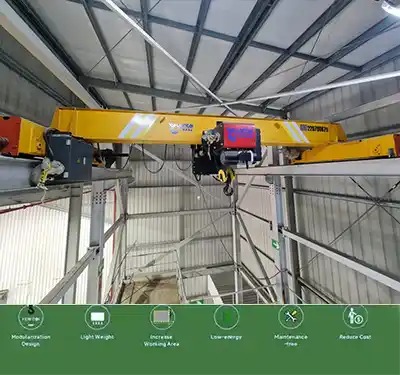
Overhead Crane Manufacturer with CE, ISO, SGS, CNEX Certificates.
- Main Specifications - Capacity: 0.5–550 tons | Span: up to 40m | Speed: 0.8–12 m/min | Duty: A3–A7 | Power: 380–690V, 50/60Hz | Control: pendant/remote/cabin
- Full engineering: FEA/PLC/VFD + in-house build + global delivery + on-site support, for workshops, factories, EPC contractors, industrial projects, etc.
- Support: design, manufacturing, testing, service – end-to-end, customized lifting solutions worldwide.
How to Get an Accurate Crane Price for Your Application?
Tips: Copy the spec list, fill in your details, and paste it into the form on the right/ down-below for a quick price.
- Crane type:_____ . (e.g., overhead crane, gantry crane, jib crane)
- Max weight to lift:_____ tons. (e.g., 2t, 5t, 10t, 20t, 50t)
- Lifting height:_____ m. (How high does the hook need to reach?
- Workshop width (span):_____ m . (Distance between the two crane rails)
- Travel distance:_____ m . (How long does the crane need to move along the runway?)
- Control type:_____. (Pendant / remote / cabin Control)
- Power supply:_____. (Local voltage & frequency – e.g., 380V, 50Hz, 3-phase)
- What will it be used for?_____ (e.g., steel fabrication, concrete products, mold handling, general manufacturing, etc.)
- Any special requirements?_____ (e.g., extreme temperature, dusty or explosive environment, special paint color, etc.)
Just leave a message via the contact form and our hoist and crane engineer will contact you with in 24working hours.
Get Your Custom Quote–Quick & Easy
Fill in what you know. Skip what you don't – we'll help.Any question will be reply with 24 working hours