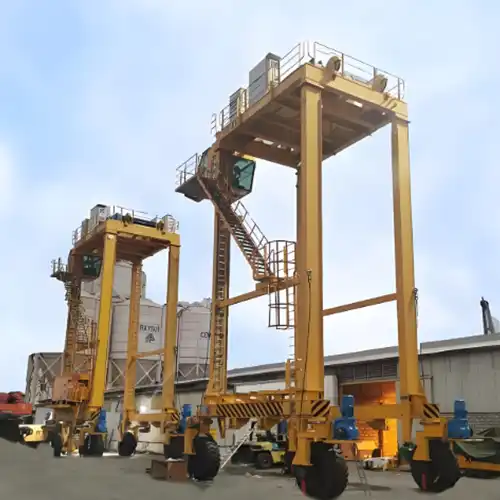
Essential Ground Requirements for RTG Gantry Crane Purchase
Discover crucial ground preparation steps to ensure safe, efficient RTG Gantry Crane installation and long-term performance.
| Crane Type | Rubber-Tyred Gantry (RTG) Crane for Container Handling; typically 30–50 ton, 10–50 m span and 10–30 m lift; rubber-tyred mobile operation; cabin / remote / automated control; 380 V, 3 Ph, 50 Hz with diesel-generator backup where required |
| Crane Capacity | Typically 30–50 ton, customized according to container gross weight, spreader weight, lifting configuration and operating requirements |
| Span Length | Typically 10–50 m, customized according to container rows, stacking layout, crane width and yard geometry |
| Lifting Height | Typically 10–30 m, selected according to container stacking height, clearance and required number of tiers |
| Coverage Area Type | Ports, container terminals, inland container depots, logistics yards, intermodal terminals and large outdoor container storage areas |
| Application | Container handling, stacking, loading/unloading, port operations, container yards, logistics terminals, intermodal yards and industrial container handling |
| Certifications | CE / ISO / SGS / Other third-party inspection |
| Customization | Control: Cabin / Remote / Automated · Power: 380 V, 3 Ph, 50 Hz / Diesel Generator Backup · Travel: Rubber-Tyred · Ground: Load-bearing / Level / Compacted / Drained · Slope: Travel path ≤1%; local slope ≤3% · Port / Container Yard / Outdoor / Coastal / |
Crane Manufacturer: Yuantai Cranes – 30+ Years Professional Crane Manufacturer from China
Category: Featured
Tags: rtgcrane
Your Trusted Rubber Tyred Gantry Crane Manufacturer & Supplier
Planning Your RTG Gantry Crane Purchase
Key Ground Requirements You Can't Ignore
Overview of RTG Gantry Cranes
Rubber-Tyred Gantry (RTG) cranes are versatile machines used to move containers in ports and other industries. These cranes are mounted on large rubber tires, allowing them to easily move across different surfaces. They are commonly used for lifting and stacking containers in container yards, making them a critical part of the shipping and logistics industries.
Key points:
- RTG cranes provide flexibility and mobility, unlike fixed cranes.
- They help in moving containers from trucks to ships and stacking them in storage.
- Useful in ports, logistics, manufacturing, and construction industries.
Purpose of This Guide
This guide will help you understand the ground requirements that must be met before purchasing an RTG Gantry Crane. Proper ground preparation is essential for safe and efficient crane operation. The goal is to help you avoid issues like instability and increased maintenance costs, and ensure your crane works smoothly.
Key points:
- The right ground conditions are crucial for crane performance.
- This guide covers everything you need to know about ground preparation.
- Proper planning leads to fewer risks, less downtime, and a more reliable crane.
Key Benefits
Carefully planning the ground requirements for your RTG crane brings several benefits, including improved efficiency, safety, and a longer operational life.
Key benefits:
- Efficiency: A stable, well-prepared surface helps the crane move smoothly, increasing speed and accuracy.
- Safety: Proper ground preparation reduces the risk of tipping or sliding, keeping both the crane and workers safe.
- Longevity: Proper ground conditions reduce wear and tear on the crane, leading to fewer repairs and a longer lifespan.
By investing time and resources into ground preparation, you ensure that your RTG crane operates at its best, saving money in the long run and improving overall productivity.
Why Ground Conditions Matter for RTG Gantry Cranes

Impact on Stability and Safety
Ground conditions are essential to the stability and safety of an RTG Gantry Crane. If the ground is uneven, soft, or unstable, the crane could become imbalanced during operation, which could lead to tipping or accidents. A well-prepared, solid surface ensures that the crane remains stable as it moves and lifts heavy loads. Inadequate ground preparation can also cause uneven movement, leading to operational delays or, worse, serious safety hazards.
Key points:
- Uneven or soft ground increases the risk of tipping and instability.
- Solid, level ground ensures smooth crane movement and reduces accidents.
- Proper ground conditions are critical for safe operations, especially when lifting heavy loads.
Influence on Lifting Capacity
The strength of the ground directly impacts the crane's lifting capacity. A crane needs a stable, strong surface to handle heavy loads. If the ground is not strong enough to support the crane's weight and operational load, the crane may not be able to lift at its full capacity, or worse, it may sink into the ground. Proper ground preparation ensures the crane can operate safely at its maximum lifting capacity, improving productivity and efficiency.
Key points:
- Weak ground limits the crane's lifting capacity.
- Strong, well-prepared ground supports the crane's full lifting potential.
- Proper ground strength is vital for efficient and safe operations.
Risks of Ignoring Ground Settling or Shifting
Ignoring ground preparation can lead to long-term issues such as ground settling or shifting. Over time, this can cause the crane's base to become uneven, affecting both its stability and the accuracy of its lifting operations. This may lead to costly repairs, frequent maintenance, and potential safety hazards. In the worst-case scenario, neglecting ground requirements can cause permanent damage to the crane and create dangerous working conditions.
Key points:
- Settling or shifting ground can cause permanent damage to the crane.
- Uneven ground over time increases maintenance needs and costs.
- Failing to address ground conditions can lead to unsafe working environments.
By carefully preparing the ground, you ensure that your RTG Gantry Crane operates at its best, safely lifting heavy loads and maintaining stability throughout its lifespan.
Essential Ground Requirements for RTG Gantry Cranes
Ground Load-Bearing Capacity
The ground load-bearing capacity refers to how much weight the ground can safely support without causing damage or instability. To calculate the required load-bearing capacity, you need to consider both the weight of the RTG Gantry Crane and the operational loads it will carry, such as containers or other heavy materials.
Key steps for calculation:
- Crane weight: The base weight of the crane itself.
- Operational load: The weight of the containers or materials the crane will lift and move.
- Total load: The combined weight of the crane and operational loads.
Tips for assessing soil conditions and load distribution:
- Soil testing: Conduct soil tests (e.g., geotechnical tests) to determine the soil's strength and compaction.
- Load distribution: Ensure that the load is evenly distributed across the ground. Uneven distribution can cause the soil to shift, leading to instability.
- Use of support mats: In some cases, additional support, like mats or reinforced flooring, may be necessary to distribute weight effectively.
Flatness and Leveling
A level surface is critical for smooth crane movement and operational stability. Uneven ground can cause the crane to move unevenly, leading to increased wear, reduced lifting accuracy, and safety hazards. The crane's wheels and tires need to travel over a flat surface to ensure efficient operation.
Recommended tolerances for surface flatness and leveling:
- Flatness: The surface should have minimal deviations, with slopes or bumps kept to a minimum.
- Leveling: Ideally, the surface should be within a specific tolerance (e.g., within 1 to 2 centimeters of level) to allow for smooth movement and accurate positioning of loads.
- Regular inspection: It's essential to regularly inspect the surface for changes, especially in high-traffic areas where ground settling might occur.
Foundation Design Considerations
The foundation plays a critical role in ensuring the crane's stability and performance. The depth and design of the foundation depend on several factors, including the type of soil, the weight of the crane, and the intended usage.
Key factors influencing foundation design:
- Soil type: Different soils have different load-bearing capacities. For instance, sandy soil might need additional reinforcement, while clay might have better load distribution properties.
- Crane weight: The foundation must be deep and strong enough to support the full weight of the crane and any operational loads.
- Usage: The type of crane operation (e.g., heavy lifting or frequent movement) will determine the level of foundation support required. Frequent movements may require a more robust foundation to avoid settling over time.
A well-designed foundation ensures that the RTG Gantry Crane operates smoothly, safely, and efficiently, with minimal risk of ground shifting or settling.
Ground Assessment and Preparation
Soil Testing and Analysis
Before starting any construction, it's essential to assess the ground's suitability for supporting an RTG Gantry Crane. Soil testing helps to determine whether the ground can bear the weight of the crane and its operational loads.
Key soil tests include:
- Compaction tests: These tests measure how well the soil particles are packed together. Well-compacted soil offers better support, while loose or soft soil may require reinforcement.
- Geotechnical tests: These tests evaluate the soil's ability to bear loads, its moisture content, and other factors that could affect stability. They help to identify any potential issues, such as soft spots or unstable layers.
The role of professional consultation:
- A geotechnical engineer can provide expert insights and accurate assessments of the soil's condition. They will help you interpret test results and recommend appropriate solutions if the ground is not suitable, such as adding soil stabilization or reinforcements.
By conducting thorough soil testing and involving experts, you can ensure that the foundation of your RTG Gantry Crane is built on solid ground.
Site Inspection and Preparation
Once the soil is tested, the site needs to be properly prepared to accommodate the crane and ensure smooth, stable operations.
Steps for clearing the site and removing obstacles:
- Remove debris and vegetation: Any trees, rocks, or other obstacles that could interfere with crane movement or damage the crane's tires should be cleared.
- Level the ground: Use grading equipment to smooth out any uneven areas. This ensures a flat surface for the crane's base and operational stability.
Ensuring proper drainage to prevent water accumulation and soil erosion:
- Install drainage systems: Proper drainage is critical to avoid water buildup, which can soften the soil and reduce its load-bearing capacity. Drains should be positioned to divert water away from the crane's path and the foundation area.
- Erosion control: In areas where the soil might be prone to erosion, such as sloped sites, erosion control methods (e.g., silt fences, mulch) should be put in place to protect the ground.
Local Regulations and Standards
Government and Industry Guidelines
Local regulations play a vital role in determining how foundations should be designed and the operational standards for RTG Gantry Cranes. These guidelines are created to ensure safety, stability, and reliability in crane operations.
Overview of local regulations:
- Foundation strength: Local building codes will specify minimum requirements for soil strength, foundation depth, and material quality to support heavy machinery like RTG Gantry Cranes.
- Crane operations: Regulations often include operational limits such as maximum load capacity, crane movement restrictions, and safety zones. These rules are in place to ensure the crane operates within safe parameters and to protect workers and surrounding structures.
How adherence to these regulations affects your installation and purchase plans:
- Planning stage: Knowing and understanding local regulations helps ensure your crane installation complies from the start. You may need to adjust your plans for foundation design or operational procedures based on these guidelines.
- Cost and timeline: Adhering to these regulations may affect the overall cost and timeline of the project, as additional preparations or permits might be needed.
- Avoiding legal issues: Compliance reduces the risk of fines, delays, or potential legal issues during or after installation.
Safety Compliance
Non-compliance with ground conditions or crane operation standards can lead to serious safety issues, operational inefficiencies, and increased maintenance costs.
Consequences of non-compliance with ground conditions on safety:
- Instability: If the foundation or soil is not properly prepared, it can lead to crane instability, which increases the risk of tipping or accidents.
- Damage to crane and environment: Poor ground conditions can cause uneven wear on the crane, leading to operational failures and environmental harm, such as soil erosion or water contamination.
Importance of adhering to ISO or other relevant crane safety standards:
- Standardization: ISO standards, and other international guidelines, ensure that the crane is designed, installed, and operated safely, reducing the likelihood of accidents.
- Quality assurance: Following these standards guarantees that all aspects of crane operation—from ground preparation to maintenance—are aligned with industry best practices for safety and efficiency.
- Long-term benefits: Compliance with safety standards leads to better crane performance, longer operational life, and reduced risk of accidents or costly repairs.
By understanding and adhering to local regulations and safety standards, you can ensure that your RTG Gantry Crane operates efficiently and safely, while also minimizing legal and operational risks.
Custom Requirements Based on Crane Usage
Port or Container Yard Applications
RTG Gantry Cranes used in ports and container yards face unique challenges due to the environment and the specific tasks they perform. These cranes are often used to load and unload containers from ships, requiring both stability and flexibility.
Special considerations include:
- Heavy load requirements: Port and container yard environments require cranes to handle extremely heavy containers, which means the foundation must be able to support higher loads without shifting or sinking.
- Movement and positioning: Cranes in these areas need to move across long distances, often on rail systems. The ground must be level, compacted, and free from obstructions to ensure smooth crane movement.
- Exposure to harsh conditions: Ports and container yards are exposed to harsh weather conditions, including saltwater and high humidity. This means extra care must be taken in foundation design to prevent corrosion and maintain long-term stability.
Indoor vs. Outdoor Usage
The location of the crane—whether indoors or outdoors—significantly affects the ground preparation requirements. Cranes installed in different environments have distinct needs.
For indoor warehouse usage:
- Limited space: Indoor installations typically face space constraints, meaning the crane's movement area must be precisely mapped out. The ground must be level, smooth, and strong enough to support the crane without causing vibrations or instability.
- Environmental factors: Indoor warehouses often have controlled temperature and humidity, which reduces the risk of soil erosion or water accumulation. However, proper ventilation and adequate lighting are still essential for crane operation.
For outdoor yard usage:
- Exposure to weather: Outdoor environments are subject to weather fluctuations, which can cause soil to shift, erode, or become unstable. In these areas, the ground preparation must include provisions for drainage and soil reinforcement.
- Ground leveling: Outdoor areas often have uneven terrain, requiring more extensive grading and leveling to ensure the crane operates efficiently without risking damage.
Seismic Zone Considerations
In regions prone to earthquakes or seismic activity, additional precautions must be taken to ensure the crane's foundation can withstand ground movement.
Specific requirements for cranes in seismic-prone areas include:
- Stronger foundations: The foundation must be deep and reinforced to resist seismic forces. This may involve using specialized materials or techniques to stabilize the soil, such as soil compaction, geogrid reinforcement, or even deep pile foundations.
- Flexible design: Cranes in seismic zones may need to be designed with more flexibility to absorb shock and prevent damage during tremors.
- Seismic codes: Compliance with local seismic safety regulations is crucial. These codes ensure that the crane and its foundation are built to withstand the unique stresses of the region.
By understanding and accounting for the specific needs of the crane's intended location, you can ensure that the RTG Gantry Crane is properly installed to perform safely and efficiently, regardless of the environment.
Budgeting for Ground Preparation
Cost Estimates for Ground Preparation
When planning for the installation of an RTG Gantry Crane, budgeting for ground preparation is crucial. The cost of preparing the site can vary depending on several factors, but understanding the typical expenses involved helps in making informed decisions.
Typical costs involved include:
- Soil testing and analysis: Soil compaction, geotechnical tests, and other assessments can incur costs depending on the depth and complexity of the testing required.
- Site grading and leveling: Ensuring the land is smooth and level may require excavation or the addition of fill material, particularly in outdoor environments.
- Foundation construction: Depending on the crane's load requirements, foundations may need to be more robust, with deeper footings or reinforced materials.
- Drainage systems: Proper drainage must be included to avoid soil erosion or water accumulation, which can deteriorate the foundation over time.
Key factors influencing costs:
- Site location: The location of the crane installation plays a significant role. Sites with challenging terrain or difficult access will incur higher costs for excavation, transportation, and material delivery.
- Soil condition: If the soil is unstable or requires significant strengthening, such as soil compaction or stabilization, this will increase the overall preparation costs.
- Required modifications: If the site needs additional modifications (such as creating paths for the crane's rail system or adding barriers for protection), these costs must be factored into the budget.
Long-Term Cost Savings
While the initial cost of ground preparation may seem high, investing in quality preparation upfront can lead to significant long-term savings. By ensuring the crane operates on a solid and stable foundation, you can avoid costly repairs and extend its operational life.
Key long-term savings include:
- Reduced maintenance costs: A well-prepared foundation ensures the crane remains stable and efficient, which means fewer issues such as wear and tear, misalignment, or vibrations. This translates into lower ongoing maintenance costs over time.
- Extended crane lifespan: Cranes that operate on unstable or poorly prepared ground can suffer from structural damage or excessive wear, reducing their service life. Proper ground preparation helps the crane last longer, delaying replacement costs.
- Enhanced operational efficiency: Cranes that operate smoothly and safely due to proper ground conditions are less likely to experience downtime. This improves overall operational efficiency and reduces the potential for expensive delays or repairs.
By budgeting carefully for ground preparation and investing in a solid foundation, you set the stage for a more reliable, efficient, and cost-effective RTG Gantry Crane installation, benefiting your business in the long run.
Conclusion
Summary of Key Considerations
Ground preparation is critical for the successful installation and operation of RTG Gantry Cranes. Properly assessing and preparing the site helps ensure safety, stability, and crane performance. Key factors include:
- Load-bearing capacity of the ground
- Surface flatness and leveling
- Foundation design and depth
If these aspects are overlooked, you could face costly repairs, reduced crane efficiency, and safety risks.
Future-Proofing Your Crane Purchase
Planning your crane installation carefully can help prevent future issues. By preparing the ground properly, you ensure that:
- The crane operates smoothly
- The risk of breakdowns and repairs is minimized
- Safety concerns are addressed
This approach helps extend the crane's lifespan and ensures it performs well for years, providing better value for your investment.
Next Steps
To get it right, work with engineers and experts early in the process. They will:
- Assess the site and soil conditions
- Perform necessary tests and provide advice on foundation design
By collaborating with professionals, you can make sure the ground requirements are fully met before purchasing and installing your RTG Gantry Crane.
Related: Rubber Typred Gantry Crane for Container Handling
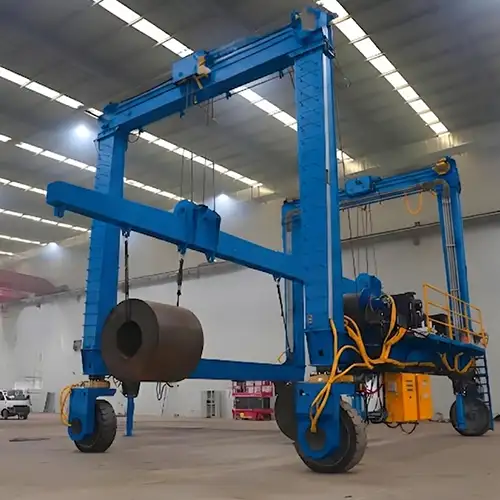
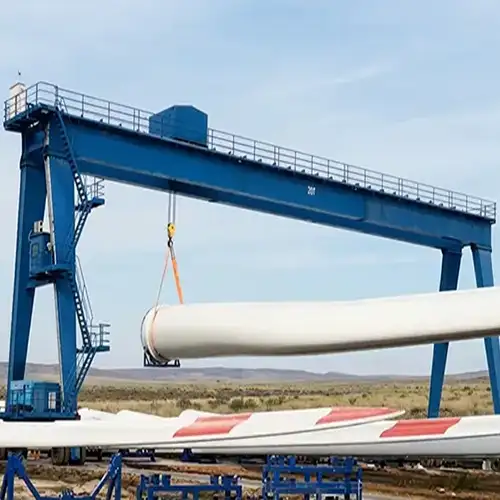
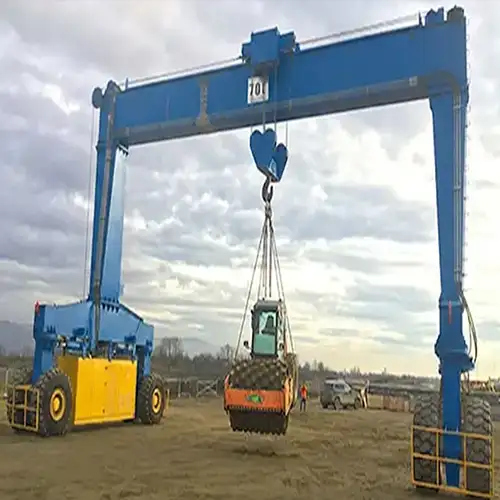
The Rubber-Tyred Gantry (RTG) crane is designed for the efficient handling and loading/unloading of international standard containers. Featuring a traction trolley system, it is lightweight, offers advanced performance, high efficiency, and excellent mobility. The crane is less affected by uneven ground surfaces. It is powered by a cable drum and includes a diesel generator as a backup for power outages and relocation, providing substantial economic benefits to users.

Main Parameters of Our RTG Gantry Cranes:
- Rated Lifting Capacity: Typically ranges from 30 to 50 tons, depending on the crane model and customer requirements.
- Span: Available spans typically range from 10 meters to 50 meters, customizable to fit operational needs.
- Lifting Height: The lifting height is adjustable, usually ranging from 10 meters to 30 meters.
- Travel Speed: Travel speed can reach up to 30 m/min, providing efficient crane movement for various operations.
- Hoisting Speed: Hoisting speeds are typically between 0 to 6 m/min, adjustable depending on the application.
- Power Supply:Primary: Three-phase AC power with 380V and 50Hz frequency.Backup: Diesel generator set for power outages and relocations.
- Wind Resistance:Operational wind speed: Up to 20 m/s.Non-operational wind speed: Up to 44 m/s.
- Working Temperature: The crane operates efficiently within a temperature range of -20°C to +45°C.
- Safety Features: Includes emergency stop buttons, overload protection, and an anti-collision system.
- Environmental Conditions: Designed to function in harsh conditions, including high humidity (up to 95%) and corrosive environments.
- Control System: Fully automated with options for remote control or cabin operation for ease of use and monitoring.
These parameters ensure optimal performance, safety, and reliability, whether used in port operations, container yards, or similar industrial applications.
Environmental Conditions:
- Power Supply: Three-phase AC, 50Hz frequency, and 380V rated voltage.
- Temperature Range: -20 to +45°C, with a maximum relative humidity of 95% (with condensation).
- Wind Conditions: Operational wind speed up to 20m/s; non-operational wind speed up to 44m/s.
- Working Level: A6.
Ground Requirements:
- The travel path's ground slope should not exceed 1%, with local slopes not greater than 3%.
- The slopes on both sides of the span should be uniform (either both uphill or both downhill).
When placing an order or finalizing a contract, customers must provide specific details regarding the crane's parameters (such as rated lifting capacity, lifting height, and span) to ensure the product aligns with their operational needs.

Yuantai Cranes
Overhead Crane Manufacturer with CE, ISO, SGS, CNEX Certificates.
- Main Specifications - Capacity: 0.5–550 tons | Span: up to 40m | Speed: 0.8–12 m/min | Duty: A3–A7 | Power: 380–690V, 50/60Hz | Control: pendant/remote/cabin
- Full engineering: FEA/PLC/VFD + in-house build + global delivery + on-site support, for workshops, factories, EPC contractors, industrial projects, etc.
- Support: design, manufacturing, testing, service – end-to-end, customized lifting solutions worldwide.
How to Get an Accurate Crane Price for Your Application?
Tips: Copy the spec list, fill in your details, and paste it into the form on the right/ down-below for a quick price.
- Crane type:_____ . (e.g., overhead crane, gantry crane, jib crane)
- Max weight to lift:_____ tons. (e.g., 2t, 5t, 10t, 20t, 50t)
- Lifting height:_____ m. (How high does the hook need to reach?
- Workshop width (span):_____ m . (Distance between the two crane rails)
- Travel distance:_____ m . (How long does the crane need to move along the runway?)
- Control type:_____. (Pendant / remote / cabin Control)
- Power supply:_____. (Local voltage & frequency – e.g., 380V, 50Hz, 3-phase)
- What will it be used for?_____ (e.g., steel fabrication, concrete products, mold handling, general manufacturing, etc.)
- Any special requirements?_____ (e.g., extreme temperature, dusty or explosive environment, special paint color, etc.)
Just leave a message via the contact form and our hoist and crane engineer will contact you with in 24working hours.
Get Your Custom Quote–Quick & Easy
Fill in what you know. Skip what you don't – we'll help.Any question will be reply with 24 working hours