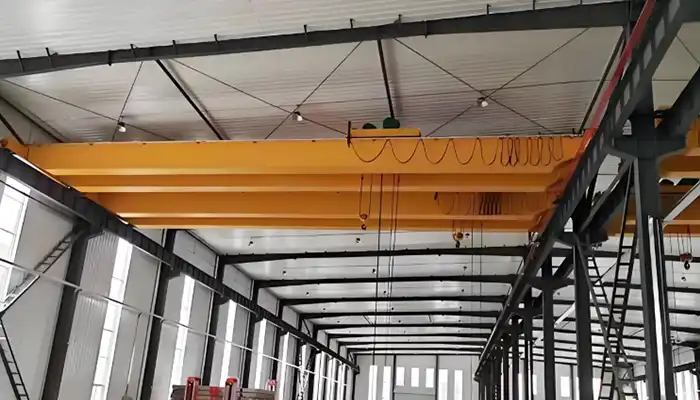
Determining Crane Price: Span, Height, Ceiling Considerations
Content Quick Link
Determining Crane Price: Why Span, Lifting Height, and Your Shop's Ceiling Are Critical
Overview of Crane Pricing Factors
When you're purchasing an overhead crane, it’s not just about the initial price tag. Several important factors contribute to the final cost of the crane, including span, lifting height, and ceiling height. These specifications are closely tied to the crane’s performance and efficiency, making them critical considerations for any facility.
Crane prices vary based on your specific needs, and understanding how each of these factors affects the overall cost can help you make an informed decision. The right crane should not only fit your budget but also meet your operational requirements without unnecessary upgrades or features.
Importance of Understanding How Span, Lifting Height, and Ceiling Height Impact Crane Price
- Span affects how far the crane can reach across your facility, determining how much area it can cover. A wider span can increase the crane’s price because it requires stronger materials and more robust design.
- Lifting Height influences how high the crane can lift loads. If you need to lift loads to greater heights, this will require a taller crane structure, potentially raising the cost due to the added materials and engineering.
- Ceiling Height in your facility is just as important. If your facility has a low ceiling, you'll need a low-headroom crane, which is often more expensive due to specialized design.
By understanding how these factors interconnect, you can select a crane that fits within your budget while also meeting your needs.
The Relationship Between Crane Specifications and Total Cost of Ownership
The initial price of the crane is just one part of the equation. The Total Cost of Ownership (TCO) includes not only the purchase price but also ongoing costs such as maintenance, energy consumption, and potential repairs over time.
- Larger spans and higher lifting heights often lead to more complex designs and higher energy costs during operation.
- Ceiling height considerations affect crane installation and maintenance, which can add to long-term costs if not properly planned.
Choosing the right specifications upfront will help you avoid unnecessary operational costs later. It’s important to balance your facility’s needs with crane performance to ensure you’re not overpaying for unnecessary features while maintaining long-term efficiency.
In short, understanding these factors ensures you're investing wisely in a crane that performs well both now and in the years to come.
The Role of Span in Crane Pricing
What is Span?
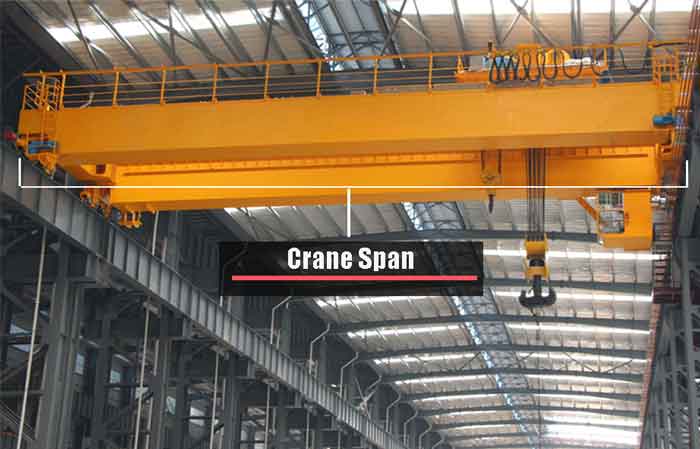
In crane design, span refers to the horizontal distance between the two end supports of the crane. This measurement is crucial as it determines how far the crane can reach across your facility to handle loads. A wider span allows the crane to cover more ground, making it essential for operations that need to lift or move materials across large areas.
Significance of Span in Crane Design: The span directly influences the crane’s overall structure and design. The wider the span, the more complex and robust the crane needs to be to ensure safe and efficient operation. This means that selecting the right span for your facility is essential for both functionality and cost-effectiveness.
Impact of Span on Coverage Area within a Facility
The span affects the coverage area within your facility. A wider span allows the crane to service a larger area, which can be particularly beneficial if you're handling multiple workstations or large loads. However, a larger span might not always be necessary depending on the layout of your space and the types of loads being handled.
Considerations for Coverage:
- A narrow span might be sufficient for smaller operations with limited space.
- A wider span is necessary for facilities with larger work areas or more complex layouts.
How Span Affects Crane Price
- Material and Structural Strength: As the span increases, the crane must be built with stronger materials and engineering to support the additional weight and stress. A larger span requires heavier-duty components, such as thicker beams, stronger motors, and more powerful drive systems.
- Cost of Increasing Span Length: Extending the span typically increases the cost due to the need for additional structural reinforcements. To ensure stability and safety, cranes with larger spans may require custom components or enhanced foundation support, further driving up the price.
Buyer Considerations
- Choosing the Optimal Span: It's important to choose a span that suits your operational needs. A span too large for your facility can lead to unnecessary costs without improving efficiency. Consider how much area you actually need to cover and match the crane's span to the space and tasks you’re handling.
- Avoiding Overbuying: Don’t pay for a span that exceeds your needs. A crane with an unnecessarily large span will cost more to build, maintain, and operate. Evaluate your facility's layout carefully and determine the minimal span required to cover your workspace effectively.
Buyer Tip: When selecting your crane's span, think carefully about the space you need to cover. Overbuying can raise both the upfront and long-term costs, while underestimating the span can limit your crane’s capability. Aim for a balance that meets your operational needs without exceeding them.
Lifting Height and Its Cost Implications
What is Lifting Height?
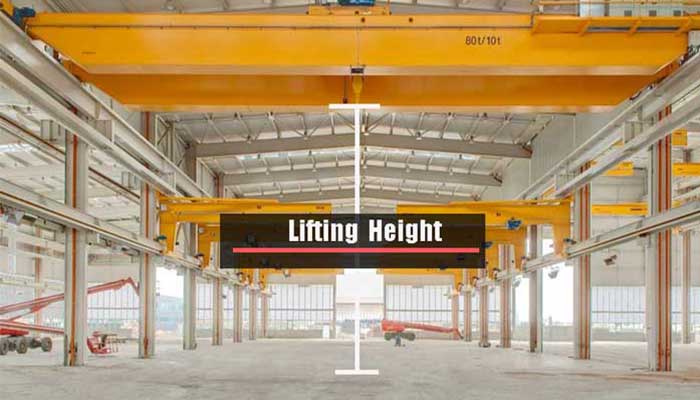
Lifting height refers to the vertical distance the crane can lift a load. Specifically, it’s the measurement from the crane’s floor level to the hook center height, which is the point where the load is attached. Lifting height is crucial because it dictates the crane's ability to move materials to different elevations within the facility.
Significance of Lifting Height: Lifting height allows the crane to reach various levels of storage racks, workstations, or other areas within your facility. The higher the lifting height, the more vertical space the crane can operate in, which is essential for tasks that involve lifting heavy loads to greater heights.
How Lifting Height Influences Crane’s Reach and Vertical Space
- Vertical Reach: The lifting height determines how far the crane can move materials vertically. In a warehouse with multiple stacked shelves, higher lifting heights are needed to access top-tier items.
- Impact on Vertical Space: Taller cranes require more headroom—the space between the crane and the ceiling. If your facility has limited vertical space, you may need to opt for a crane that offers the required lifting height without taking up too much room.
Considerations for Reach and Vertical Space:
- If your facility handles materials that need to be lifted to higher levels, such as shelving or mezzanine areas, greater lifting height is essential.
- Conversely, if your space has limited headroom, you may need to explore cranes that offer sufficient lifting without excessive height.
The Cost of Higher Lifting Heights
- Stronger Structural Components: Taller cranes need more powerful hoists, motors, and structural components to support the higher lifting heights. This adds to the cost, as the crane must be built to withstand the additional strain of lifting heavier loads to greater heights.
- Impact on Facility Space Planning: Cranes with higher lifting capacities often require additional clearance or headroom, which can impact how your facility is designed. If your ceiling height is limited, a taller crane might not be feasible without modifying the facility to accommodate it.
Facility Modifications for Height Requirements:
- You may need to adjust building height or increase headroom to install taller cranes. This can involve costly renovations or adjustments to your facility’s layout, which should be factored into your crane’s overall cost.
Buyer Considerations
- Balancing Height with Facility Design: The key is to match the crane’s lifting height to your facility's available vertical space. Avoid selecting a crane with unnecessary height that could limit your space options or result in wasted energy.
- Managing Cost without Sacrificing Functionality: While higher lifting heights come with additional costs, you don’t want to sacrifice essential functionality for a lower price. Carefully consider your operational needs, ensuring that the crane can handle your materials without going overboard on height.
Buyer Tip: Before finalizing your crane’s lifting height, assess your facility’s design and vertical limitations. Opt for a height that ensures the crane meets your needs without unnecessary overhead costs, and ensure it fits seamlessly into your facility’s existing layout.
Ceiling Height: How It Affects Crane Design and Price
What is Ceiling Height?
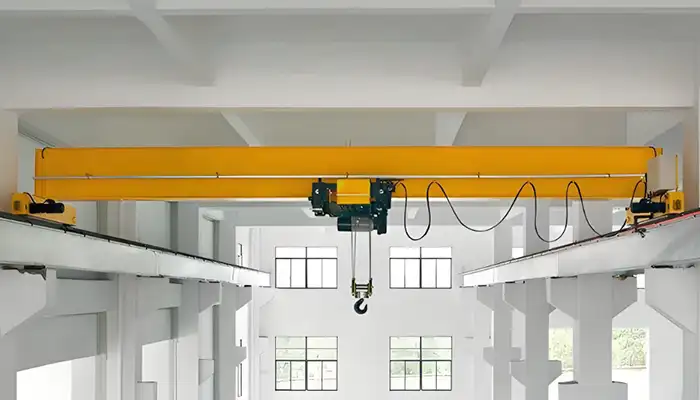
Ceiling height refers to the vertical distance between the floor and the ceiling of your facility. It’s a crucial factor in determining which type of crane will fit into your workspace. Ceiling height directly impacts the crane's design, the type of crane that will work best, and how efficiently it can perform in your facility.
Knowing your shop’s ceiling height is essential before purchasing a crane. If the crane is too tall for the space, it will not fit properly and may require costly adjustments or renovations to your facility.
How Ceiling Height Influences Crane Design and Operational Efficiency
- Crane Design Considerations: A higher ceiling allows for taller cranes, which can have larger lifting capacities and offer more versatility. However, in facilities with limited ceiling height, cranes need to be designed with lower profiles to work efficiently within the confined space.
- Operational Efficiency: Ceiling height influences how much space is available for lifting and movement. Cranes in spaces with limited ceiling height may need low-headroom designs to ensure that lifting can occur without obstruction. In contrast, taller cranes in higher-ceiling facilities can move larger loads or access higher storage areas, improving overall efficiency.
- Impact on Load Handling: In high-ceiling spaces, cranes can lift heavier loads to greater heights, maximizing the use of vertical space. But in low-ceiling environments, cranes must be designed with more compact hoists and a lower hook center height to avoid space restrictions.
Matching Crane Design to Ceiling Height
Low-Headroom Cranes vs. Traditional Cranes:
- Low-Headroom Cranes: These cranes are designed to operate in facilities with limited ceiling height. They have specialized components, such as shorter hoists, which help minimize the vertical space they require. While they’re perfect for tight spaces, they can be more expensive due to their custom design and engineering.
- Traditional Cranes: For facilities with higher ceilings, traditional cranes can be used, often at a lower cost since they don’t need special low-headroom components. However, these cranes may not be suitable for low-ceiling environments because of their taller profile.
Cost Trade-Offs:
Low-headroom cranes can increase the initial cost due to the need for custom design, but they might save on space utilization, making them ideal for environments with limited vertical clearance. Traditional cranes are less expensive but are best suited for facilities with enough ceiling height to accommodate their larger size.
The Role of Crane Height in Optimizing Facility Space
- Maximizing Vertical Space: If your ceiling height allows, using a crane with a taller design lets you take full advantage of vertical space. This can improve storage efficiency by allowing you to lift items to higher levels within your facility.
- Space Optimization in Low-Ceiling Areas: In areas with low ceilings, opting for a low-headroom crane ensures that you don’t waste precious vertical space. It allows you to work in confined spaces while maintaining functionality, though it may require trade-offs in lifting capacity and crane configuration.
Buyer Considerations
Selecting the Right Crane for Low-Ceiling or High-Ceiling Environments:
- Low-Ceiling Environments: If your shop has limited ceiling height, a low-headroom crane is essential to make the best use of the available space. However, ensure that this design matches your lifting needs without going overboard on custom features.
- High-Ceiling Environments: For spaces with plenty of vertical clearance, a traditional crane can be a cost-effective option. Ensure the crane’s design complements the height and space available without adding unnecessary complexity.
Maximizing Space Efficiency While Maintaining Functionality: The goal is to select a crane that works within the vertical space constraints of your facility. Ensure it offers the required lifting height and capacity without taking up more space than needed.
Buyer Tip:
Before purchasing, carefully measure your facility’s ceiling height and assess how the crane design will impact the layout. A crane that fits well with your ceiling height will help maximize operational efficiency and minimize unnecessary costs.
Balancing These Key Factors to Optimize Crane Performance and Cost
Finding the Right Balance
Selecting the right crane for your facility isn’t about just picking the most powerful option or the largest size. Instead, it's about finding the balance between the span, lifting height, and ceiling height to ensure that you meet your operational needs while managing costs effectively.
- Span and Reach: A wider span gives you more coverage, but it also adds to the crane’s overall price due to the need for stronger materials and more robust engineering.
- Lifting Height: Taller cranes provide more vertical space for lifting but can drive up costs due to additional structural components.
- Ceiling Height: Your facility's ceiling height dictates how much you can stretch the crane's lifting height and span. It's crucial to avoid exceeding your ceiling clearance, as that could lead to additional facility modifications or the need for special crane designs.
The challenge is ensuring that the crane’s specifications align with your operational needs without over-specifying. An oversized crane may bring unnecessary costs and may not provide additional benefits for your operations.
Avoiding Over-Specification
Opting for a crane that exceeds your actual needs might seem like a good idea in theory, but it can lead to wasted spending in several areas:
- Unnecessary Features: Going for a crane with an excessively large span or height can increase the initial purchase cost as well as maintenance and energy consumption.
- Inefficient Use: Larger cranes aren’t always better. If your needs only require a crane that handles smaller loads or shorter spans, paying for additional power or height adds little value.
By carefully assessing your actual needs, you can avoid buying a crane that is more expensive than necessary, ultimately saving on both upfront and long-term operational costs.
Buyer Tip: Practical Tips for Matching Crane Specifications to Shop Needs
Evaluating Operational Needs: Begin by assessing the loads you’ll need to lift, the space available for maneuvering the crane, and the required lifting height. This helps you understand which specifications are essential and which are optional.
- Lift Capacity: Ensure the crane can handle the heaviest load you expect to lift, but don’t overestimate the capacity.
- Span: Choose a span that accommodates your workspace layout, providing adequate coverage without unnecessary width that increases cost.
- Ceiling Height: Factor in your ceiling height and determine the crane’s required lifting height to optimize headroom without wasting vertical space.
Making a Cost-Effective Decision: When selecting a crane, match the specifications directly with your facility's needs. Don’t pay for excess capacity, height, or span that you’ll never use. A thoughtful, well-informed decision will help you avoid overpaying while ensuring optimal performance for your operations.
Conclusion
Why Understanding These Factors is Crucial for Crane Purchase
Understanding the relationship between span, lifting height, and ceiling height is vital when considering crane pricing. These factors don't just affect the initial purchase price—they have a lasting impact on the total cost of ownership, including maintenance, operational costs, and facility modifications.
The Long-Term Value of Selecting the Right Crane
Choosing the right crane based on your specific facility needs ensures long-term value. By taking the time to carefully evaluate your shop's dimensions, lifting requirements, and the crane’s specifications, you can avoid unnecessary expenses while ensuring the crane’s performance meets your operational demands. Balancing these elements will lead to better efficiency, cost savings, and a better return on investment.

Article by Bella ,who has been in the hoist and crane field since 2016. Bella provides overhead crane & gantry crane consultation services for clients who need a customized overhead travelling crane solution.Contact her to get free consultation.
Yuantai Cranes
Overhead Crane Manufacturer with CE, ISO, SGS, CNEX Certificates.
- Main Specifications - Capacity: 0.5–550 tons | Span: up to 40m | Speed: 0.8–12 m/min | Duty: A3–A7 | Power: 380–690V, 50/60Hz | Control: pendant/remote/cabin
- Full engineering: FEA/PLC/VFD + in-house build + global delivery + on-site support, for workshops, factories, EPC contractors, industrial projects, etc.
- Support: design, manufacturing, testing, service – end-to-end, customized lifting solutions worldwide.
How to Get an Accurate Crane Price for Your Application?
Tips: Copy the spec list, fill in your details, and paste it into the form on the right/ down-below for a quick price.
- Crane type:_____ . (e.g., overhead crane, gantry crane, jib crane)
- Max weight to lift:_____ tons. (e.g., 2t, 5t, 10t, 20t, 50t)
- Lifting height:_____ m. (How high does the hook need to reach?
- Workshop width (span):_____ m . (Distance between the two crane rails)
- Travel distance:_____ m . (How long does the crane need to move along the runway?)
- Control type:_____. (Pendant / remote / cabin Control)
- Power supply:_____. (Local voltage & frequency – e.g., 380V, 50Hz, 3-phase)
- What will it be used for?_____ (e.g., steel fabrication, concrete products, mold handling, general manufacturing, etc.)
- Any special requirements?_____ (e.g., extreme temperature, dusty or explosive environment, special paint color, etc.)
Just leave a message via the contact form and our hoist and crane engineer will contact you with in 24working hours.
Get Your Custom Quote–Quick & Easy
Fill in what you know. Skip what you don't – we'll help.Any question will be reply with 24 working hours