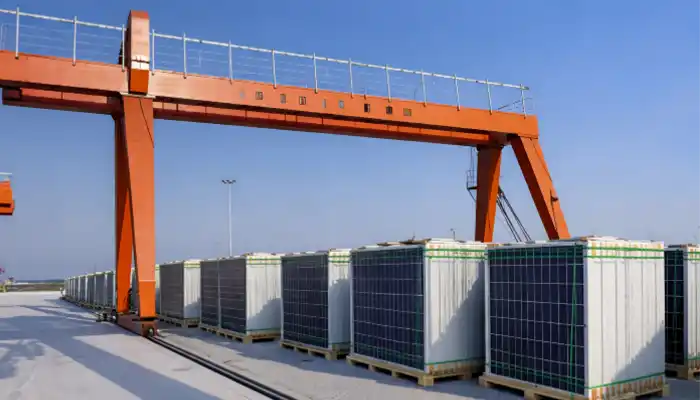
Optimizing Outdoor Solar Module Stacking & Crane Layout Tips
Content Quick Link
Optimizing Outdoor Solar Module Stacking: Crane Positioning and Yard Layout Tips
Audience: Logistics managers, warehouse planners, operations supervisors
Safe, efficient, and cost-effective outdoor solar module handling relies on strategically positioned cranes, optimized yard layout, and well-planned workflow, reducing module damage, operational delays, and safety risks.
Key Takeaways – Questions Solved Here
- How to position gantry, overhead, and mobile cranes for maximum efficiency in solar module yards.
- Best practices for outdoor solar panel stacking, including row spacing, height limits, and stability.
- How to integrate crane operations with forklifts and trucks for smooth workflow.
- Ways to protect high-value solar PV modules from handling damage or weather.
- Strategies for scalable yard layouts to accommodate future growth.
- Essential ground preparation, safety protocols, and weather mitigation techniques.
Why Proper Crane Positioning Matters
Proper crane placement in outdoor solar module yards affects safety, efficiency, and module protection. Misplaced cranes can slow down operations, create unnecessary travel, and increase accident risks. Correct positioning ensures smoother lifts and predictable workflows.
Align Cranes Along High-Traffic Areas
Place cranes where most lifting occurs to minimize unnecessary movement and keep operations flowing:
- Position cranes near unloading zones, main stacking areas, and forklift paths.
- Shorter travel distances reduce collision risk and potential panel damage.
- Consider environmental factors like sunlight, wind, and rain when planning paths.
Use Multiple Cranes or Moveable Gantries
One crane rarely covers a large yard efficiently. Multiple cranes or mobile gantries improve coverage and flexibility:
- Split workloads among cranes to avoid bottlenecks.
- Moveable gantries allow temporary or seasonal stacking zones.
- Plan each crane's operational area to prevent interference.
Maintain Safety Clearances
Safety is critical when moving heavy loads over personnel and equipment:
- Define visible safety zones around crane travel paths and lift areas.
- Use markings or painted lines to separate pedestrian lanes and equipment paths.
- Keep all staff aware of crane operations, including forklift operators.
Choose the Right Crane Type and Capacity
Matching crane type and capacity to PV panels prevents overloading and operational delays:
- Select cranes suitable for the weight of single or bundled panels (typically 2–20 tons).
- Gantry cranes are ideal for fixed stacking zones; mobile cranes cover multiple areas efficiently.
- Plan for future growth—slightly larger capacity now avoids bottlenecks later.
Summary
Proper crane positioning is foundational for safe, efficient, and reliable outdoor solar module storage. Careful planning allows high-volume operations without compromising safety or speed.
Optimizing Yard Layout for Solar Module Stacking
A poorly planned yard can turn a simple storage task into a headache. Unstable stacks, blocked pathways, and slow operations are all signs that the layout isn't optimized. Thoughtful design keeps panels safe and makes crane and forklift operations smoother.
Module Stacking Areas
Where you place stacks is as important as how you stack them. Proper orientation and positioning reduce exposure to wind and sun:
- Arrange rows considering prevailing wind and sun direction to minimize panel stress.
- Keep module stacks accessible to cranes and forklifts for quick handling.
- Avoid placing stacks too close to yard edges where bumps or uneven ground may cause issues.
Row Spacing and Height Limits
Crowded rows fit more panels on the surface but increase accident risk. Stability should always come first:
- Leave enough space between rows for cranes, forklifts, and operators.
- Limit stack heights based on panel size, weight, and crane capacity to prevent tipping.
- Check ground load-bearing capacity, especially on temporary or soft surfaces.
Workflow Flow
Efficient module movement is key. Even a good layout fails if the workflow is messy:
- Designate clear lanes for trucks, forklifts, and cranes to avoid traffic jams.
- Set aside temporary storage areas for panels awaiting sorting or inspection.
- Plan unloading, sorting, and dispatch in a logical sequence to minimize backtracking.
Future Expansion
Your yard layout should anticipate tomorrow's needs. Flexibility saves time and money:
- Leave space for additional stacks as module volumes grow.
- Ensure crane coverage reaches new stacks without major adjustments.
- Consider layout changes for seasonal peaks or larger module shipments.
Summary
A well-planned yard ensures smooth, predictable operations. Modules stay safe, cranes operate efficiently, and teams can manage higher volumes with minimal stress.
Integrating Gantry Cranes with Yard Operations
Even well-placed gantry cranes can slow operations if not coordinated with forklifts, trucks, or other yard equipment. Proper integration ensures smooth, safe, and efficient module handling.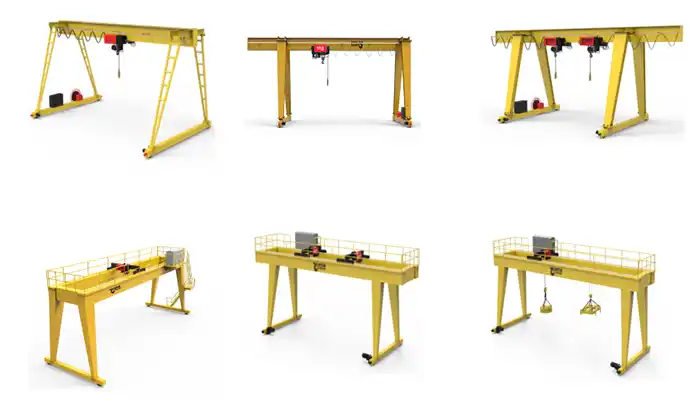
Coordinate Gantry Crane Travel with Module Arrival and Dispatch
Gantry cranes should lift modules in sync with truck deliveries and dispatch needs to avoid waiting and extra handling:
- Schedule gantry crane lifts to match truck unloading times.
- Coordinate with sorting and staging areas so modules are ready for storage.
- Adjust schedules during busy periods to prevent bottlenecks.
Keep Crane Paths Clear from Forklifts and Trucks
Crane paths should avoid interference with other vehicles to maintain speed and safety:
- Set up separate lanes for gantry cranes and ground vehicles.
- Avoid moving cranes through busy zones whenever possible.
- Mark crane paths clearly with lines or signs for everyone in the yard.
Use Standard Procedures for Gantry Crane Operators
Consistency in operator procedures reduces mistakes and improves workflow:
- Provide step-by-step instructions for lifting and stacking modules.
- Train operators to follow the same paths and procedures each day.
- Include special instructions for large or irregular modules.
Plan for Busy or High-Volume Times
High-volume periods require careful planning to prevent delays:
- Check peak delivery and dispatch periods and schedule crane lifts accordingly.
- Set up temporary stacking zones or extra crane coverage if needed.
- Review the workflow regularly and adjust crane paths to maintain smooth operations.
Key Takeaway
Coordinating gantry crane movements with forklifts, trucks, and storage areas ensures outdoor solar module handling is faster, safer, and more reliable. Proper planning keeps modules moving from delivery to storage to dispatch without delays or damage.
Practical Tips & Best Practices
Small details in yard setup, safety, and maintenance make a big difference. Proper attention ensures gantry cranes and staff operate efficiently while keeping solar modules safe.
Ground Preparation
A strong, level surface is essential for safe module handling and stable crane operations:
- Ensure the yard is level and free from debris.
- Provide proper drainage to prevent puddles or soft spots.
- Confirm the ground can handle the weight of cranes and fully loaded stacks.
Safety Markers & Zones
Clear safety zones help prevent accidents and guide yard traffic:
- Mark crane travel paths and lifting areas with visible lines or signs.
- Create separate lanes for forklifts, trucks, and pedestrians.
- Reinforce safety rules regularly for staff and operators.
Weather Mitigation
Protect solar modules and gantry cranes from wind, rain, and sun exposure:
- Use covers or tarps over stacks during heavy rain or sunlight.
- Install anti-slip mats in high-traffic areas for safety.
- Set up windbreaks in open yards to prevent tipping or shifting of modules.
Maintenance & Inspection
Regular inspections prevent breakdowns and reduce risks:
- Inspect cranes, hoists, and supports for wear or damage.
- Check cables, hooks, and controls before each shift.
- Keep maintenance logs to track inspections and repairs over time.
Operator Training
Proper operator training ensures safe, smooth module handling:
- Train operators on lifting, moving, and stacking solar modules correctly.
- Include guidance for unusual loads, such as oversized panels or bundles.
- Conduct refresher training regularly to maintain safety and efficiency.
Cases for References
Every solar module yard is different. These examples show how gantry crane placement, yard layout, and workflow adapt to small, medium, and large operations.
Small Yard: Single Gantry Crane Handling 2–5 Ton Modules
In small yards, limited space requires careful planning even with just one crane:
- Place the crane near the main unloading and stacking area to minimize travel.
- Keep module stacks low and accessible for forklifts to avoid congestion.
- Ensure safety zones are clearly marked to prevent collisions in tight spaces.
Medium Yard: Multiple Cranes with High Module Turnover
Medium-sized yards with higher volumes benefit from multiple or moveable cranes:
- Assign each crane to a specific zone to cover the yard efficiently.
- Coordinate crane lifts with forklifts and trucks to keep workflow smooth.
- Adjust stacking and row layouts so cranes can reach all areas without interference.
Large Yard: Integrated Crane and Forklift Workflow for High-Volume Storage
High-volume yards require coordination between cranes, forklifts, and trucks:
- Use multiple gantry cranes to cover the entire yard, minimizing bottlenecks.
- Design clear pathways for forklifts and trucks to avoid conflicts with crane operations.
- Plan for seasonal or peak shipments by setting aside temporary stacking areas within crane reach.
Conclusion
Handling solar modules outdoors is more than just stacking panels. The key to smooth and safe operations lies in strategic gantry crane placement, well-planned yard layout, and coordinated workflow between cranes, forklifts, and trucks. When these elements work together, you reduce the risk of damage, speed up daily operations, and create a system that can grow with your storage needs.
Next Steps for Your Yard
- Take a close look at your current yard and identify any bottlenecks in crane movement or module handling.
- Check if crane placement and coverage allow easy access to all stacking zones.
- Review row spacing, stacking height, and safety zones to ensure stability and smooth workflow.
- Coordinate crane operations with forklifts, trucks, and module arrival/dispatch schedules.
- Consider future expansion and peak periods so your yard can handle higher volumes without delays.

Article by Bella ,who has been in the hoist and crane field since 2016. Bella provides overhead crane & gantry crane consultation services for clients who need a customized overhead travelling crane solution.Contact her to get free consultation.
Free consultation to Confirm Parameters & Specifications and Get
Latest Crane Price & Crane Rate.
- Types of overhead cranes : _______?
- Optional: Overhead travelling crane, goliath gantry crane,Slewing jib crane, Single girder or double girder crane,small portable crane or kbk crane, etc.
- Capacity of overhead crane: _______?
- Optional: 0.25ton, 0.5 ton, 1 ton, 2 ton, 3ton, 5 ton, 10 ton,15ton, 20ton, 25 ton, 30ton,35ton, up to 550ton, etc.
- Crane span & lifting height : _______?
- Crane travelling length : _____?
- Control of overhead crane:_______?
- Optional: pendant/ remote/cabin control
- Voltage supply of overhead crane:_____?
- Eg,: 380V50/60HZ,3Phase or others,etc.
- Application/usage of crane:_______?
- Eg,: Steel mill, ,injection mold, cement,stone, concrete,granite, general manufacturing, etc.
Just leave a message via the contact form and our hoist and crane engineer will contact you with in 24working hours.
Get In Touch