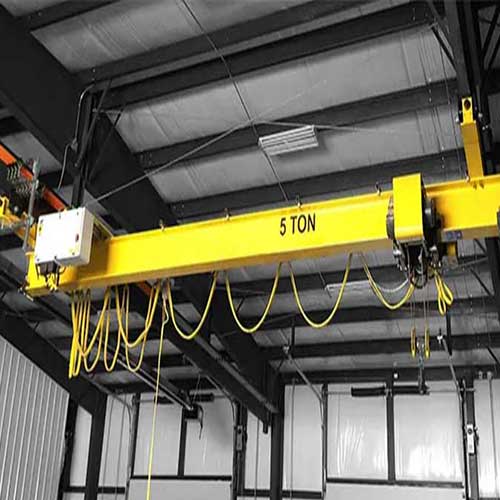
Compact 5 Ton EOT Crane for Low-Ceiling Workshops
Compact 5 Ton EOT crane designed for low-ceiling workshops in Doha, Qatar. Maximize hook travel, save space, and improve lifting efficiency safely.
| Crane Type | Qatar 5 Ton Low-Ceiling EOT Crane: Single Girder / Compact / Low-Headroom / Top Running or Underhung . Hoist: Low-Headroom Wire Rope Electric Hoist / Electric Chain Hoist · Power Supply: 380/400/415V, 3 Ph, 50/60Hz or customized |
| Crane Capacity | 5 ton |
| Coverage Area Type | Rectangular Workshop Working Area: suitable for low-ceiling workshops, HVAC fabrication areas, light steel fabrication shops, assembly bays, maintenance areas, and compact industrial facilities in Qatar |
| Application | Typical Handling Steel Pipes / Steel Sections / Flat Bars / Lightweight Steel Frames · Sheet Metal Duct Sections · HVAC Units / Fan Coil Units / Compressors · Motor Components · Fabricated Components · Equipment Parts · Small Assemblies |
| Certifications | CE / ISO / SGS / Other third-party inspection |
| Customization | Single Girder / EOT / Top Running / Underhung / Low-Headroom. Hoist: Low-Headroom Wire RopeHoist / Chain Hoist · Control: Pendant / Remote / VFD· Site: Low Ceiling / Narrow Bay / Existing Runway / Existing Columns / Limited Headroom Workshop · |
Crane Manufacturer: Yuantai Cranes – 30+ Years Professional Crane Manufacturer from China
Category: Qatar
Tags: lowheadroomcrane
Your Trusted Low Headroom Overhead Crane Manufacturer & Supplier
Compact 5 Ton EOT Crane for Low-Ceiling Workshops
Introduction
Making Lifting Work in Tight Workshop Spaces
In many workshops across Doha, space isn't exactly generous—especially when it comes to headroom. Whether you're fabricating HVAC parts or assembling lightweight steel frames, working under a low ceiling adds extra layers of difficulty. You can't just bring in a bulky overhead crane and expect it to fit. That's where things get tricky.
- Ceiling clearance in smaller industrial units is often less than 4.5 meters
- Standard crane systems may not offer enough hook travel for practical use
- Manual lifting or forklifts are often used instead, which slows down production and increases safety risks
Why a Compact 5-Ton EOT Crane Makes Sense
Instead of trying to force a full-size lifting system into a tight space, many workshop owners are turning to compact cranes—specifically low-headroom 5 ton single girder EOT cranes. They're small in size but carry enough strength to handle most workshop tasks. More importantly, they're built to work with your space, not against it.
- These cranes are designed to keep the hoist height as low as possible
- They allow full use of vertical space without needing building modifications
- 5 tons is usually more than enough for daily lifts like ductwork, steel sections, and motor components
What This Guide Will Help You Do
This article is for workshop owners, plant managers, and anyone planning a lifting upgrade in a low-ceiling facility in Doha. We'll walk through the most relevant points—like what types of cranes actually fit, what loads they can handle, and how to avoid common mistakes.
You'll learn:
- What kind of lifting jobs are typical in HVAC and light steel workshops
- How to match a crane system to your ceiling height and layout
- Why a 5 ton low-headroom EOT crane is one of the most practical solutions available today
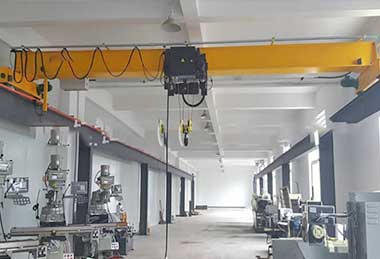
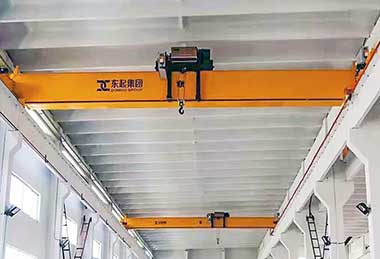
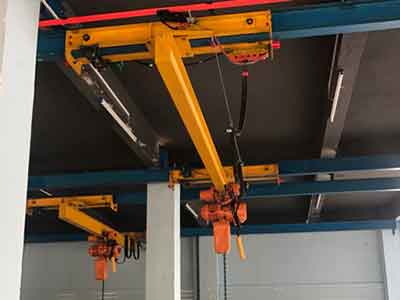
Location & Industry Background
Understanding workshop conditions and industry needs in Doha, Qatar
Location: Doha, Qatar
Doha isn't just home to high-rise towers and megaprojects—it's also a growing center for small and medium industrial workshops. These businesses operate behind the scenes, supporting construction, infrastructure, and facility maintenance with quick-turnaround fabrication and repair services. In recent years, more industrial zones and light manufacturing units have popped up around the city, from the outskirts to within city limits.
But here's the challenge:
- Urban workshops in Doha often deal with limited space. Taller cranes or bulky equipment aren't always an option due to zoning, structural limits, or rental constraints.
- Workshop buildings typically have roof heights ranging from 3.5 to 5 meters
- Steel-frame structures or concrete sheds are common, but often lack room for large crane systems
- Every inch of space matters—especially when you're lifting materials close to lighting fixtures, ducting, or mezzanines
In these settings, efficiency is everything. Operators need to lift smart, not big. That's where compact EOT cranes come in—providing lifting power without wasting vertical or horizontal room.
Industry Focus: Who's Using These Cranes?
Several industries in Doha rely heavily on small cranes for daily work. Two of the most active sectors include light metal fabrication and HVAC component production—both of which require frequent lifting of mid-weight parts in tight work areas.
Light Fabrication Shops
These workshops produce structural components used in doors, windows, brackets, panels, and other framing needs. They don't handle massive loads, but they move material all day long.
- Common jobs involve cutting, welding, and assembling steel angles, pipes, and flat bars
- Cranes are used to lift and rotate parts during welding or move items between stations
- Loads typically range from a few hundred kilograms up to 3–5 tons
HVAC Component Manufacturing
Doha's construction boom continues to drive demand for HVAC systems, and with it, the need to produce and assemble ductwork, fittings, and ventilation equipment locally.
- Workshops manufacture sheet metal ducts, fan casings, chilled water pipes, and mounting brackets
- Material handling includes frequent lifting of large but lightweight components
- Space is often divided into separate cutting, bending, and assembly zones—each needing localized lifting support
Both industries operate in tight, fast-paced environments, and both benefit greatly from compact, low-headroom EOT cranes that keep material moving without eating into workspace or requiring structural changes.
Typical Loads Handled
What's Being Lifted Daily in These Workshops?
Daily Lifting Conditions in Doha Workshops
In low-ceiling workshops across Doha—especially in light fabrication and HVAC production—lifting is a regular part of the job. These aren't massive, oversized items, but they still need careful handling due to their shape, volume, or weight. What makes lifting more demanding is not the load size alone, but how frequently materials are moved throughout the day.
Most workshops see dozens of lifts per shift, often involving awkward or long parts that are tricky to move manually or with forklifts.
Steel Pipes and Lightweight Frames
Metal fabrication shops handle a variety of tubular and angular steel sections used in framing and construction support. While individual pieces aren't extremely heavy, bundles or long components require a crane to lift and position safely.
- Lengths can reach 4–6 meters or more
- Weights range from 100 kg to several tons per bundle
- Proper balance and sling placement are key to preventing damage or accidents
Sheet Metal Duct Sections
HVAC workshops produce and assemble ductwork in multiple stages. These duct sections are often large in surface area but relatively light in weight—still, they're bulky and hard to move manually.
- Duct panels are typically made of galvanized sheet metal
- Loads may be light (<200 kg), but require careful positioning
- Cranes help move parts from the bending station to the assembly line efficiently
HVAC Units, Coils, and Compressors
When heavier HVAC components like fan coil units or rooftop compressors need to be lifted, a 5 ton EOT crane becomes a real asset.
- Unit weights range from 300 kg to 2,000 kg, depending on size
- Lifting often requires steady, slow movement to avoid damaging fragile parts
- Cranes are used for mounting units onto frames or positioning them for testing
Why Precision Handling Matters
It's not just about lifting—it's about lifting safely and with control. Many of the items handled in these facilities are either long and unbalanced or delicate in structure. Operators need to:
- Lift and lower smoothly, often at controlled speeds
- Position items precisely onto assembly jigs, welding tables, or racks
- Repeat lifting tasks consistently throughout the day, without unnecessary strain or downtime
This is why a compact 5 ton EOT crane with good control features isn't just a convenience—it's a core part of running the workshop efficiently. In the next section, we'll look at the specific crane configuration that suits these conditions best.
Workshop Characteristics & Crane Challenges
Working with Less Space—and No Room for Error
Low Ceiling Limitations in Doha Workshops
Many small workshops in Doha face the same design limitation: low ceilings. Whether it's an older facility or a newly built light industrial unit, the available vertical space is often tight—usually under 5 meters from floor to roof. That makes traditional overhead crane setups tricky, if not impossible, to use without careful planning.
But height isn't the only concern. These workshops are also dealing with narrow spans, compact layouts, and crowded equipment zones. Fitting a crane into this environment requires the right approach.
Low Ceiling Clearance
This is the number one issue in small-scale facilities. Standard hoists and crane beams can eat up too much vertical space, leaving little room for the hook to lift or lower materials properly.
- Most buildings offer only 3.5 to 5 meters of total height
- Using a regular EOT crane may reduce usable hook travel to unsafe or unusable levels
- Installing high-clearance cranes often requires costly roof modifications—not ideal for rental spaces or tight budgets
Narrow Spans and Short Travel Distance
Many of these workshops are not large enough to justify wide-span cranes.
- Typical crane spans range from 5 to 10 meters
- The crane's runway often has to fit between existing walls or columns
- In such cases, a compact single girder crane with short end carriages is often the most practical choice
Tight Floor Space and Equipment Clutter
Between welding stations, bending machines, duct forming tables, and storage racks, the available floor space is limited.
- There's often no room for forklifts or mobile gantries to move around safely
- This makes a suspended crane or a wall-mounted system a better fit
- The crane needs to operate above the workspace without disrupting floor-level activity
Avoiding Structural Modifications
Many owners or tenants can't or don't want to modify the building frame to install a crane. It's costly, time-consuming, and may not be allowed by landlords or local codes.
- The crane system must be lightweight and compatible with existing runway beams or roof trusses
- Bolt-on or drop-in systems that use minimal welding or structural work are strongly preferred
These workshops need a lifting solution that's compact, efficient, and safe—but without requiring a complete redesign of the building. That's exactly where low-headroom 5 ton EOT cranes come in. They're designed to work in these exact conditions—delivering just enough power, height, and flexibility without taking up more space than necessary.
Crane Recommendation: 5 Ton Low-Headroom Single Girder EOT Crane
Choosing the Right Lifting Solution for Compact Workshops
A. Key Features That Make It the Right Fit
When space is limited and daily lifting is essential, not just any crane will do. The 5 ton low-headroom single girder EOT crane is built specifically for tight, compact workshops like the ones found in Doha's industrial areas. It offers a solid balance between capacity, control, and spatial efficiency.
Here's what makes this crane type well-suited for the job:
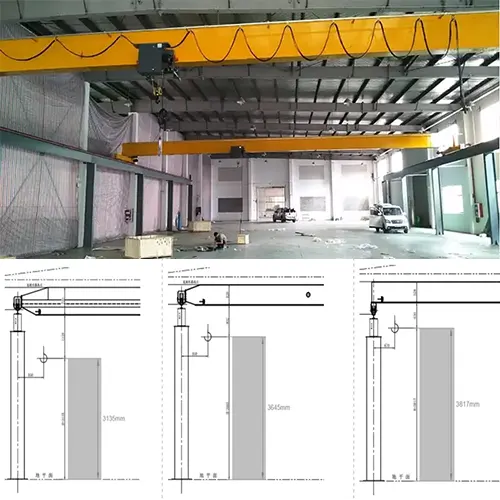
- Compact hoist design: The hoist is positioned to minimize how much vertical space it consumes. This allows for more available hook travel, even in low-roof environments.
- Flexible mounting options: Can be installed in top-running form (on runway beams) or as an underslung crane, where the crane is suspended from the building structure—ideal for lighter rooftops or smaller spans.
- Choice of hoists: Depending on the application, the crane can be fitted with either an electric wire rope hoist (for heavier, more stable loads) or a chain hoist (for compact size and lighter loads).
The goal here is clear: deliver dependable lifting performance in a structure where every centimeter of clearance counts.
B. Advantages for Low-Ceiling Workshops in Doha
This crane isn't just about size—it's about making smart use of limited space, without compromising safety or efficiency. For small-scale industrial units in Doha, it checks all the right boxes.
Maximizes Hook Travel
By minimizing the hoist height and using a slim girder profile, this crane gives you more vertical lifting room—which is critical in workshops with low ceilings.
- Operators can lift items closer to the roofline
- Allows for more working height beneath the hook
- Reduces the need to reposition workstations or tools
Lightweight, Building-Friendly Design
The single girder structure keeps the overall crane weight low, reducing stress on the building's steel or concrete frame.
- Fits well in existing buildings without the need for major reinforcement
- Ideal for facilities with light runway beams or trusses
- Keeps installation costs lower by avoiding structural upgrades
Straightforward Installation in Small Workshops
The system is engineered for easy integration into standard small workshop layouts.
- Can be assembled and commissioned quickly with minimal disruption
- Compatible with narrow bays, short spans, and lower lifting heights
- A good match for rented spaces or workshops that may expand or reconfigure later
In short, this 5 ton low-headroom EOT crane provides just the right mix of power and practicality. It's strong enough to handle daily lifting tasks, yet compact and light enough to fit where other cranes can't.
Benefits for Light Industry Applications
A Perfect Fit for Fabrication and HVAC Workshops
In light industry settings like sheet metal shops, ducting production areas, or small steel fabrication units, lifting isn't occasional—it's a core part of the workflow. That's where the 5 ton low-headroom EOT crane really shines. It's not oversized or overcomplicated. It's just right for the everyday jobs these facilities handle.
Here's how it adds real value on the shop floor:
- Smooth, Controlled Lifting for Precision Assembly
Whether you're lining up duct pieces or mounting steel frames, the crane's steady movement allows for accurate part placement—especially when paired with a good-quality electric hoist. - Reduces Manual Handling and Injury Risk
Repetitive lifting of even moderately heavy items takes a toll on workers. This crane helps eliminate manual strain, cuts down on injuries, and boosts safety compliance. - Improves Workflow Efficiency
The crane moves components from one workstation to another quickly and cleanly. No waiting for forklifts. No bottlenecks in production. Materials go where they're needed, when they're needed. - Compatible with HVAC and Fabrication Layouts
These shops often have specific zones—cutting, bending, welding, assembly. The crane system can be tailored to match the flow, helping you stay organized and productive.
Installation and Customization Options
Flexibility That Matches Real-World Workshop Needs
Every workshop in Doha is a little different. Ceiling height, building width, load frequency—it all matters. That's why these cranes are designed to be adaptable, not one-size-fits-all. Whether you're setting up in a new facility or upgrading an old one, you can make the system work with what you've got.
Customization and installation options include:
- Custom Span Design
The crane's girder can be fabricated to match your workshop's width exactly, whether it's a narrow bay or a wider open space. - Electrical Control Options
Choose between a wired pendant control for basic, on-the-ground operation or a wireless remote system for better mobility and visibility during lifts. - Integration with Existing Structures
The crane can be mounted on existing runway beams, columns, or a monorail system—no need to rebuild or redesign the workshop frame. - Local Support for Installation and Commissioning
Experienced technicians are available in Doha for on-site setup, load testing, and operator training. You won't have to wait weeks for service or struggle through unfamiliar installation steps.
Conclusion & Inquiry
Why This Crane Works So Well for Small Workshops in Doha
If you're operating in a low-ceiling workshop in Doha—whether you're fabricating light steel frames or assembling HVAC ductwork—a standard crane setup may not fit your needs. That's exactly where the 5 ton low-headroom single girder EOT crane stands out. It's compact, efficient, and strong enough to handle the daily lifting tasks without needing to alter your building structure or compromise floor space.
Let's recap the key benefits:
- It fits comfortably in tight vertical spaces without wasting lifting height
- It's designed for light to medium-duty tasks—perfect for fabrication and assembly work
- It installs easily into existing workshop layouts with minimal disruption
- It enhances safety, productivity, and handling precision—especially in fast-paced, space-constrained environments
Get a Crane That's Designed Around Your Workshop
Before you start comparing crane brochures or guessing what will fit, it's best to speak to someone who understands your layout, lifting needs, and limitations. A supplier familiar with Doha's industrial conditions can give you more than a quote—they can offer a complete solution.
- Ask for a free layout analysis to see how a compact crane would fit in your space
- Request a technical proposal based on your actual load types and working height
- Get pricing and installation support from experts with local experience in Qatar
Send us your workshop details, and we'll help you design a 5 ton EOT crane that works—not just on paper, but on your floor

Yuantai Cranes
Overhead Crane Manufacturer with CE, ISO, SGS, CNEX Certificates.
- Main Specifications - Capacity: 0.5–550 tons | Span: up to 40m | Speed: 0.8–12 m/min | Duty: A3–A7 | Power: 380–690V, 50/60Hz | Control: pendant/remote/cabin
- Full engineering: FEA/PLC/VFD + in-house build + global delivery + on-site support, for workshops, factories, EPC contractors, industrial projects, etc.
- Support: design, manufacturing, testing, service – end-to-end, customized lifting solutions worldwide.
How to Get an Accurate Crane Price for Your Application?
Tips: Copy the spec list, fill in your details, and paste it into the form on the right/ down-below for a quick price.
- Crane type:_____ . (e.g., overhead crane, gantry crane, jib crane)
- Max weight to lift:_____ tons. (e.g., 2t, 5t, 10t, 20t, 50t)
- Lifting height:_____ m. (How high does the hook need to reach?
- Workshop width (span):_____ m . (Distance between the two crane rails)
- Travel distance:_____ m . (How long does the crane need to move along the runway?)
- Control type:_____. (Pendant / remote / cabin Control)
- Power supply:_____. (Local voltage & frequency – e.g., 380V, 50Hz, 3-phase)
- What will it be used for?_____ (e.g., steel fabrication, concrete products, mold handling, general manufacturing, etc.)
- Any special requirements?_____ (e.g., extreme temperature, dusty or explosive environment, special paint color, etc.)
Just leave a message via the contact form and our hoist and crane engineer will contact you with in 24working hours.
Get Your Custom Quote–Quick & Easy
Fill in what you know. Skip what you don't – we'll help.Any question will be reply with 24 working hours