Industrial Overhead Crane for Hazardous Environment– Buyer Guide
Learn how to choose safe, compliant overhead cranes for hazardous environments. A step-by-step buyer’s guide for steel mills, chemical plants & workshops.
| Application | Material handling, lifting, positioning, assembly, maintenance, loading/unloading, |
| Certifications | CE / ISO / SGS / Other third-party inspection |
| Customization | Customized material handling cranes solutions available for indoor, outdoor, hazardous, corrosive, cleanroom, and heavy-duty industrial applications. |
Crane Manufacturer: Yuantai Cranes – 30+ Years Professional Crane Manufacturer from China
Category: Featured
Tags:
Your Trusted Overhead Crane Manufacturer & Supplier
Overhead Cranes for Hazardous Environments:
Hazardouse Environment Crane Safety, Compliance & Buyer's Guide
Not every crane can handle extreme conditions. In workshops, steel mills, chemical plants, or any environment where fire, chemicals, explosions, or high-voltage equipment are present, standard cranes simply aren't enough. Choosing a crane built for hazardous environments ensures that lifting operations are both safe and reliable.
Why Hazardous Environment Cranes Matter
Using the wrong crane in hazardous environments isn't just risky—it can be costly, slow production, or even result in serious accidents. Hazardous environment cranes are designed to handle sparks, chemical fumes, flammable materials, and electrical hazards without compromising performance. Key benefits include:
- Minimized Accidents: Explosion-proof and fire-resistant components reduce the chance of sparks, short circuits, or other ignition sources. This protects both the load and personnel.
- Regulatory Compliance: Hazardous environment cranes often meet international standards such as ATEX, IECEx, or local safety regulations, helping companies avoid fines and shutdowns.
- Improved Efficiency: These cranes can operate continuously in tough conditions without frequent downtime, which keeps production on schedule.
- Durability and Maintenance: Special coatings, insulated components, and protected electrical systems reduce wear and tear, lowering long-term maintenance costs.
- Worker Confidence: Operators feel safer knowing the crane is designed for the environment, which improves accuracy and reduces stress during lifts.
Investing in a crane suitable for hazardous environments protects your team, your equipment, and your production workflow. It's a practical decision that pays off in safety, efficiency, and compliance.
Common Hazards in Industrial Sites
Industrial sites are full of potential risks. Knowing what you're dealing with is the first step toward selecting the right crane and keeping everyone safe. Common hazards include:
- Fire & Explosion: Many facilities handle flammable gases, molten metals, or fine powders that can ignite. Sparks from welding, cutting, or standard crane equipment can start a fire instantly. Choosing cranes with explosion-proof motors and insulated components is essential.
- Chemical Exposure: Solvents, paints, acids, and other chemicals can harm operators or damage equipment. Cranes may need corrosion-resistant coatings or sealed electrical systems to withstand chemical fumes.
- Electrical Risks: Live wires, energized machines, or high-voltage panels create constant danger. Cranes operating near such equipment need proper insulation, grounding, and safety interlocks.
- High-Risk Heights: Lifting heavy loads overhead introduces risks from falling objects or unstable scaffolding. Cranes designed for hazardous sites often include precise load control, anti-sway systems, and enhanced operator visibility.
Safety Features to Look for in Cranes
When working in hazardous environments, the right crane isn't just about lifting capacity—it's about protecting people, equipment, and the facility. Essential safety features include:
- Explosion-Proof Motors, Electricals, and Controls: Prevent sparks and reduce ignition risk in volatile environments.
- Flame-Resistant or Chemical-Resistant Coatings: Protect surfaces from heat, sparks, or corrosive chemicals, extending crane life.
- Anti-Sparking Hooks, Chains, and Grounded Equipment: Minimize friction and static discharge, ensuring safe operations.
- Overload Detection and Secure Lifting Devices: Prevent accidental drops and reduce structural stress, keeping operators and loads safe.
Choosing cranes with these features isn't optional—it's a practical necessity. They reduce accidents, protect your workforce, and keep operations running smoothly in tough industrial environments.
Types of Hazardous Environment Overhead Cranes
Hazardous environment cranes are designed for workplaces where fire, chemical, explosive, or electrical risks exist. The type of crane you select depends on the specific hazards, material types, and operational requirements.
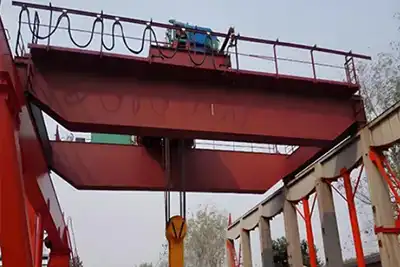
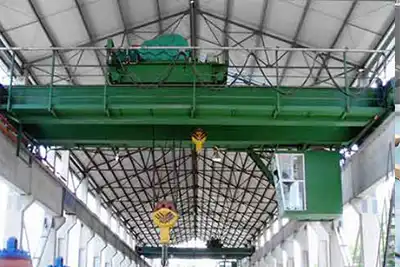
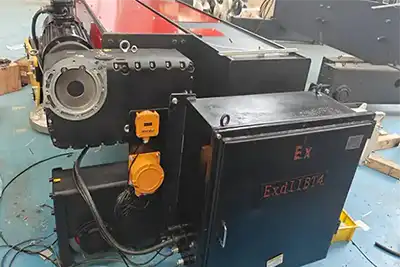
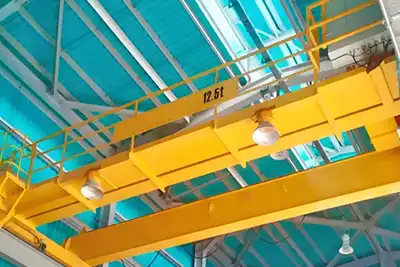
European style explosion proof hoist cranes
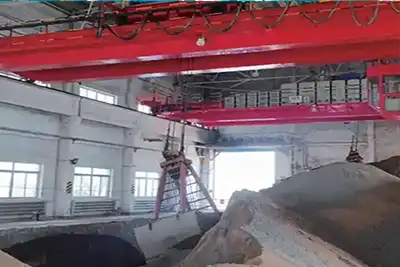
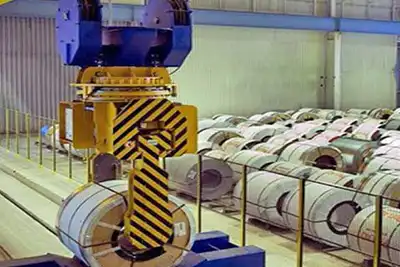
Explosion-Proof Overhead Cranes
These explosion proof cranes are built for environments with flammable gases, vapors, or dust—common in chemical plants, petrochemical facilities, or steel mills.
Key Features:
- Explosion-proof motors, control panels, and electrical components.
- Encased wiring and reinforced housings to prevent sparks.
- Smooth operation to avoid sudden movements that could ignite flammable substances.
Ideal Applications:
- Chemical plants handling solvents, acids, or flammable liquids.
- Steel mills with molten metals or combustible dust.
- Workshops where gas or vapor leaks may occur.
Tailoring Options:
- Select motors and hoists rated for specific hazardous zones (e.g., Zone 1, Zone 2).
- Customize controls for remote operation to keep operators safe from explosive areas.
Chemical-Resistant or Coated Cranes
Used in industries where corrosive chemicals, paints, or acids are handled. These cranes are designed to withstand long-term exposure to harsh substances.
Key Features:
- Anti-corrosive coatings on hooks, trolleys, and bridge structures.
- Sealed electricals to resist chemical vapors and moisture.
- Optional stainless steel components for extreme resistance.
Ideal Applications:
- Chemical processing plants.
- Food and pharmaceutical manufacturing areas requiring frequent washdowns.
- Storage facilities for corrosive materials.
Tailoring Options:
- Custom coating types depending on chemical exposure (acid-resistant, alkali-resistant, solvent-resistant).
- Integrate automatic cleaning or rinse systems for repeated chemical exposure.
High-Temperature or Fire-Resistant Cranes
These cranes are designed for steel mills, foundries, or any facility with molten metals, sparks, or open flames.
Key Features:
- Heat-resistant paint and insulation on critical parts.
- Hoists and hooks designed to tolerate high ambient temperatures.
- Components resistant to thermal expansion and warping.
Ideal Applications:
- Molten metal handling.
- Welding and fabrication workshops with sparks.
- High-temperature ovens or furnace loading operations.
Tailoring Options:
- High-temperature-rated wire ropes and chains.
- Protective shields for operator cabins or electronics in extreme heat zones.
Remote-Controlled or Automated Cranes
In extreme hazard areas, removing the operator from the immediate danger zone is often the safest choice.
Key Features:
- Remote control systems for bridge and trolley movement.
- AI-assisted hook alignment and anti-sway control.
- Emergency stop and obstacle detection integrated into automation.
Ideal Applications:
- Areas with toxic gases or high voltage.
- Environments where fire or explosion risk is constant.
- Heavy-duty steel or chemical handling where human proximity is risky.
Tailoring Options:
- Fully automated lifting cycles for repetitive material handling.
- Integration with plant monitoring systems for real-time operational feedback.
Multi-Hazard Cranes
Some facilities require cranes that handle multiple risks simultaneously, like a steel mill with molten metal, chemical exposure, and high voltage.
Key Features:
- Explosion-proof motors with chemical-resistant coatings.
- Heat-resistant components with remote operation capability.
- Overload detection and anti-sway systems for precision handling.
Tailoring Options:
- Zone-specific customization for combined hazards.
- Modular components that can be upgraded for future hazard scenarios.
Selection Considerations
When choosing a hazardous environment crane, buyers should assess:
- Type of hazard: Fire, chemical, explosion, electrical, or high temperature.
- Material handled: Weight, size, and sensitivity to sparks or contamination.
- Operational conditions: Indoor/outdoor, high-traffic zones, visibility, and workflow.
- Compliance: Regional safety standards (ANSI, ATEX, IECEx, or local regulations).
- Customization needs: Remote operation, coating types, temperature resistance, or automation.
Hazardous Environment Overhead Crane Operational Best Practices
Hazardous environments require more than just strong lifting equipment—they demand strict safety practices, trained operators, and the right type of crane for the job. The following guide outlines essential operational standards, PPE requirements, and crane selection tips to help you maintain a safe, compliant, and efficient workplace.本
Operational Best Practices
Even with the right crane and safety features, how you operate equipment in hazardous environments makes a huge difference. Following proven practices reduces accidents, protects your team, and keeps workflow efficient.
- Compressed Gas & Materials:
Store cylinders upright and make sure they are properly secured and clearly labeled. For flammable gases like acetylene, keep them at least 6 meters away from oxygen cylinders—or use fireproof barriers if spacing is limited. Proper storage prevents tipping, leaks, and dangerous chemical reactions. - Overhead Work:
When lifting or moving loads above ground, restrict access to the area underneath. Post clear warning signs like "Danger – Work Overhead" to alert personnel. Never allow anyone to pass under suspended loads, and make sure tools and materials at height are secured to prevent accidental drops. - Fire & Chemical Safety:
Always maintain accessible firefighting equipment and ensure staff are trained to use it. Follow Material Safety Data Sheet (MSDS) instructions for handling chemicals, and wear the proper personal protective equipment (PPE) at all times. Quick response and proper protection can prevent small incidents from becoming serious accidents.
These operational practices, combined with properly designed cranes and safety features, create a layered approach to risk management. In hazardous environments, attention to detail in everyday operations is just as important as the equipment itself.
Operator & Maintenance Requirements
Operator & Maintenance Requirements
Even the safest, most advanced crane won't perform well without trained operators and regular maintenance. Hazardous environments demand extra attention because mistakes or neglect can have serious consequences.
- Trained Operators Only:
Only certified operators should be allowed to operate cranes in hazardous zones. Training should cover not just crane operation but also specific risks in your environment—flammable materials, chemicals, electrical hazards, and proper emergency response. Knowledge and experience reduce the chance of accidents. - Daily Inspections:
Conduct daily checks of the crane before every shift. Look for signs of wear on hooks, chains, hoists, and electrical systems. Make sure explosion-proof components, grounding, and safety interlocks are functional. Record all inspections in a logbook to maintain accountability and traceability. - Documentation & Manuals:
Keep operator manuals, duty charts, certificates, and maintenance records readily available. Operators should know load limits, operational restrictions, and emergency procedures. Clear documentation ensures consistent safety practices and simplifies audits or regulatory inspections.
Personal Protective Equipment (PPE)
Personal Protective Equipment (PPE)
Working with cranes in hazardous environments isn't just about the machinery—it's about protecting the people operating and working around it. Proper PPE is essential to prevent injuries from falls, flying debris, chemical exposure, and electrical hazards.
- Mandatory Gear:
Operators and nearby personnel should always wear full-body harnesses when working at heights, safety helmets to protect from falling objects, gloves for handling materials, and eye protection to prevent contact with sparks, dust, or chemical splashes. - Standards Compliance:
All PPE should meet recognized safety standards, such as ANSI or BS EN. This ensures equipment is tested for durability, impact resistance, and overall safety performance. - Training in Proper Use:
PPE is only effective if used correctly. Workers must receive training on how to wear, adjust, and inspect equipment before each shift. Improperly fitted or damaged gear can be worse than no protection at all.
Consistent use of PPE, combined with training and regular checks, creates a safer working environment where crane operations in hazardous conditions are much less risky.
Choosing the Right Crane for Hazardous Environments
Choosing the Right Crane for Hazardous Environments
When working in areas with fire, chemical, or explosive risks, the choice of crane can make all the difference. It's not just about lifting heavy loads—safety, reliability, and compatibility with site hazards are crucial.
Types of Cranes for High-Risk Sites
Types of Cranes for High-Risk Sites
- Explosion-Proof Overhead Cranes: Ideal for environments with flammable gases or dust. Motors, electrical components, and controls are sealed to prevent sparks and ignition.
- Chemical-Resistant or Coated Cranes: Equipped with protective coatings or corrosion-resistant materials to withstand acids, solvents, and chemicals.
- Remote or Automated Cranes: Reduce risk by allowing operators to control lifts from a safe distance—especially where human presence must be minimized.
Factors to Consider When Choosing a Crane
Factors to Consider When Choosing a Crane
- Load Capacity & Duty Cycle: Ensure the crane can handle the heaviest loads safely and operate continuously without overheating.
- Compatibility with Hazardous Materials: Hooks, chains, and contact surfaces must be suitable for chemicals, gases, or flammable substances on site.
- Customizable Safety Features: Look for overload protection, anti-sway mechanisms, emergency stops, and visual/audible alarms tailored to your risks.
Practical Tip for Crane Selection
Practical Tip: Don't just pick a crane off the shelf. Assess the specific hazards of your facility, the materials handled, and workflow patterns. A crane matched to your environment improves safety, efficiency, and regulatory compliance.
Buyer's Safety Checklist for Hazardous Environment Cranes
When purchasing a crane for high-risk sites, safety is the first priority. Use this checklist to make sure your equipment meets both regulatory and operational requirements.
Certification & Compliance
- Verify that the crane has proper explosion-proof ratings for your environment (ATEX, IECEx, or local standards).
- Check all electrical and mechanical components meet safety regulations for hazardous areas.
Operator Training & Procedures
- Ensure all crane operators are trained and certified for hazardous environments.
- Confirm that the site has documented lifting procedures specific to fire, chemical, and high-voltage hazards.
Inspections & Maintenance Records
- Review daily, weekly, and annual inspection reports to ensure ongoing safety compliance.
- Confirm availability of maintenance records, duty charts, and manuals for every crane.
Hazard-Specific Suitability
Check that the crane design is appropriate for your facility's specific risks:
- Chemical resistance for corrosive environments.
- Fire and explosion protection for flammable materials.
- Height and overhead operation safety for lifting in multi-level work areas.
Practical Advice
A crane that looks good on paper may still be unsafe if it's not matched to your site's conditions. Use this checklist as a guide before making any purchase—it saves time, cost, and prevents accidents.
Frequently Asked Questions (FAQ)
Answers to the most common questions about selecting, operating, and maintaining hazardous environment overhead cranes.
Q1: How do I know if a crane is truly safe for explosive or flammable environments?
The key is in the certifications and construction. Explosion-proof cranes are designed with motors, electricals, and controls that won't spark, and materials that resist flames or chemicals. Always check for official compliance certificates and ensure the crane's design matches the specific risks in your workshop, such as gas, dust, or molten metal exposure.
Q2: Can standard cranes be adapted for hazardous areas?
In some cases, yes, but modifications must meet strict safety standards. Adding chemical-resistant coatings or grounding equipment can help, but you should never compromise the crane's electrical or mechanical integrity. Often, it's safer and more reliable to select a crane already built for hazardous environments.
Q3: What safety features are most important for everyday operations?
Look for cranes with anti-sparking hooks and chains, overload detection, secure lifting devices, and protective coatings against fire or chemicals. Some sites also benefit from remote or automated operation to keep personnel at a safe distance from potential hazards.
Q4: How should operators be prepared to work with these cranes?
Only trained and certified operators should run hazardous environment cranes. They need to understand the specific risks of fire, chemicals, or high-voltage areas and be familiar with proper PPE use, inspection routines, and emergency procedures.
Q5: What maintenance routines are required to keep the crane safe?
Daily inspections are essential. Check all mechanical and electrical systems, record observations, and follow the manufacturer's duty charts. Proper maintenance includes monitoring coatings, ensuring grounded components are intact, and reviewing documented inspection reports regularly.
Q6: How can I minimize the risk of accidents during overhead operations?
Establish clear work zones below lifts, post warning signs, and ensure tools or materials at height are secured. Automation features such as anti-sway control, obstacle detection, and hook alignment systems can significantly reduce human error in busy or complex environments.
Q7: Is PPE really necessary for crane operators in these areas?
Absolutely. Operators must wear full-body harnesses, helmets, gloves, and eye protection, and it's critical they are trained in using it properly. Compliance with recognized safety standards ensures that PPE provides the protection it's designed for.
Q8: How do I decide which type of hazardous environment crane is best for my site?
Start with a detailed risk assessment of your workplace. Consider the type of materials handled, presence of flammable gases or chemicals, electrical hazards, and overhead operations. Match these risks to crane features such as explosion-proof motors, chemical coatings, remote operation options, and customizable safety systems.
Q9: Will investing in a hazardous environment crane slow down production?
On the contrary. While safety features add complexity, modern cranes are designed to operate efficiently even under strict safety constraints. Automated systems for hook alignment, anti-sway, and obstacle detection not only reduce accidents but can speed up repetitive lifting tasks.
Q10: How do I ensure long-term compliance and safety?
Keep thorough records of inspections, maintenance, operator training, and any modifications. Schedule regular audits of your crane's performance and update procedures as regulations or site conditions change. This approach protects both personnel and equipment over the long term.
Conclusion: Making the Right Choice for Safety and Efficiency
Choosing the right crane for hazardous environments isn't just about lifting heavy loads—it's about protecting your people, your facility, and your workflow.
A properly selected hazardous environment crane ensures that:
- Workers remain safe from fire, chemical, electrical, and overhead risks.
- Operations stay compliant with local and international safety regulations.
- Productivity is maintained or even improved because equipment operates reliably in challenging conditions.
In short, the right crane is an investment that pays off every day—minimizing accidents, reducing downtime, and keeping your industrial site running smoothly. Always match crane features, certifications, and safety systems to your specific hazards to get the full benefit.


Yuantai Cranes
Overhead Crane Manufacturer with CE, ISO, SGS, CNEX Certificates.
- Main Specifications - Capacity: 0.5–550 tons | Span: up to 40m | Speed: 0.8–12 m/min | Duty: A3–A7 | Power: 380–690V, 50/60Hz | Control: pendant/remote/cabin
- Full engineering: FEA/PLC/VFD + in-house build + global delivery + on-site support, for workshops, factories, EPC contractors, industrial projects, etc.
- Support: design, manufacturing, testing, service – end-to-end, customized lifting solutions worldwide.
How to Get an Accurate Crane Price for Your Application?
Tips: Copy the spec list, fill in your details, and paste it into the form on the right/ down-below for a quick price.
- Crane type:_____ . (e.g., overhead crane, gantry crane, jib crane)
- Max weight to lift:_____ tons. (e.g., 2t, 5t, 10t, 20t, 50t)
- Lifting height:_____ m. (How high does the hook need to reach?
- Workshop width (span):_____ m . (Distance between the two crane rails)
- Travel distance:_____ m . (How long does the crane need to move along the runway?)
- Control type:_____. (Pendant / remote / cabin Control)
- Power supply:_____. (Local voltage & frequency – e.g., 380V, 50Hz, 3-phase)
- What will it be used for?_____ (e.g., steel fabrication, concrete products, mold handling, general manufacturing, etc.)
- Any special requirements?_____ (e.g., extreme temperature, dusty or explosive environment, special paint color, etc.)
Just leave a message via the contact form and our hoist and crane engineer will contact you with in 24working hours.
Get Your Custom Quote–Quick & Easy
Fill in what you know. Skip what you don't – we'll help.Any question will be reply with 24 working hours