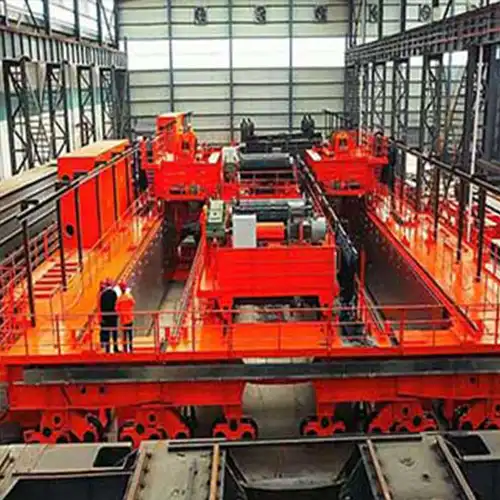
India Steel Plant Cranes: Regional Insights & Buyer Guide
Check India’s steel crane market with regional insights, practical selection tips, capacities, applications, and vendor guidance for buyers and suppliers.
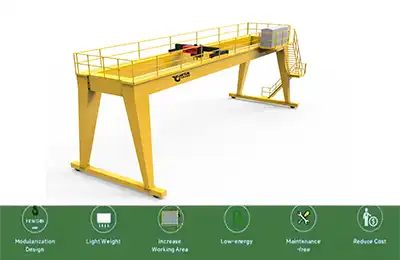
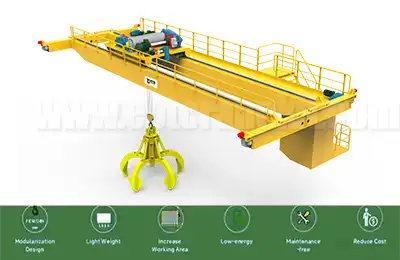
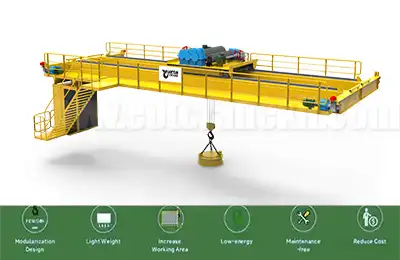
| Crane Type | Steel plant overhead/EOT and gantry cranes, mainly double-girder for capacities above 20 ton; electric wire rope hoist or open winch; specialized coil, billet, slab, ladle, magnet, grab, or hook configurations; ISO A5–A8 / FEM 2M–5M ; 380/400/415V, 50Hz, |
| Crane Capacity | Typically 5–320 ton; capacity selected according to the handled material, lifting attachment dead weight, duty cycle, and production process. |
| Span Length | Typically 10–35 m; runway length and working range customized according to the steel plant bay and material flow. |
| Lifting Height | Typically 6–30 m; customized according to plant layout, storage height, furnace or production-line clearance, and lifting requirements. |
| Coverage Area Type | Rectangular crane-bay coverage; steel production bays, rolling mills, casting areas, coil warehouses, billet/slab storage yards, fabrication workshops, maintenance areas, loading zones, and raw-material handling areas. |
| Application | Steel coil, billet, slab, beam, plate, scrap, raw material, ladle, machinery, and finished steel handling in steel mills, rolling mills, casting plants, fabrication areas, and steel storage yards. |
| Certifications | CE / ISO / SGS / Other third-party inspection |
| Customization | Customized single- or double-girder overhead/EOT or gantry crane; wire rope hoist or open winch; pendant, radio remote, or cabin control; C-hook, coil clamp/tong, magnet, grab, ladle hook, spreader beam, optional weighing, positioning, anti-collision,etc. |
Crane Manufacturer: Yuantai Cranes – 30+ Years Professional Crane Manufacturer from China
Category: Featured
Tags:
Your Trusted Overhead Crane Manufacturer & Supplier
India’s Steel Plant Crane Market
Regional Insights and Practical Guide for Buyers and Suppliers
Most Important Takeaway
In India's steel industry, an overhead crane is a critical part of your production chain. Choosing the right crane ensures smooth, safe, and cost-efficient operations.
Why the right crane choice matters in Indian steel plants
In India's steel industry, an overhead crane is not just another piece of equipment sitting in your workshop—it's a critical part of your production chain. From moving hot slabs in Odisha to handling rebar bundles in Karnataka, the right crane ensures that operations run smoothly, safely, and on schedule. Choose the wrong type, and you're looking at unplanned downtime, costly repairs, and even safety risks.
Getting this right is about more than just picking a crane with the highest lifting capacity. It's about matching the crane type, duty class, and capacity to your specific plant conditions, material types, and workflow. And in India, where industrial plants vary widely in scale—from large integrated mills in Jharkhand to smaller secondary mills in Gujarat—the choices you make can have a direct impact on productivity and cost efficiency.
Why this matters to steel plant operators and crane buyers:
- Operational reliability: A crane suited to the load type and working conditions reduces breakdowns and keeps production flowing.
- Safety of workforce: Properly specified cranes prevent accidents during high-temperature or heavy-load operations.
- Cost efficiency: Avoid overspending on cranes with unnecessary capacity or features while ensuring they handle peak loads safely.
- Long-term trust: Working with vendors who understand local conditions and provide service support builds confidence and smooth operations.
- Regional suitability: Cranes designed for the Indian environment—humidity, heat, dust, and uneven power supply—last longer and perform better.
In short, an overhead crane in India is more than steel and motors—it's a reliable partner that helps your plant meet deadlines, maintain safety standards, and protect investments. For any steel plant decision-maker, understanding this first is the foundation for making smart, practical choices in crane procurement.
- Eastern India (Odisha, Jharkhand): Heavy-duty cranes are essential for integrated plants handling hot slabs, billets, and molten ladles; reliability builds trust with your workforce and production schedule.
- Western India (Gujarat, Maharashtra): Medium and heavy-duty cranes for mini-mills, coil yards, and rolling mills; flexibility and cost-efficiency are crucial for business sustainability.
- Southern India (Karnataka): Mid-sized cranes for secondary mills; practical solutions that match local plant needs win respect and ensure smooth operations.
- The right crane choice ensures safety, long-term performance, and practical ROI, aligning with the company's reputation and operational integrity.
Key Questions Solved in This Guide
- Which regions in India are seeing the most steel plant crane demand?
- What types of overhead cranes are best suited for each region?
- What capacities, applications, and loads should buyers consider?
- How do regional plant conditions, maintenance availability, and workforce skill levels affect crane selection?
- How can businesses ensure ROI and long-term reliability in crane procurement?
Odisha – Eastern Powerhouse
A strategic hub for India's integrated steel plants, including Rourkela and Kalinganagar, handling hot billets, slabs, and molten ladles.
Industry Context
Odisha hosts some of India's largest integrated steel plants, including Rourkela and Kalinganagar. The region benefits from abundant iron ore deposits and access to ports, making it a strategic hub for steel production. Operations are continuous, handling hot billets, slabs, and molten ladles, which places high demands on crane reliability, safety, and efficiency.
Typical Cranes Used
Cranes in Odisha are designed to manage heavy loads under high-temperature conditions while ensuring safety and precision. The most commonly used types include:
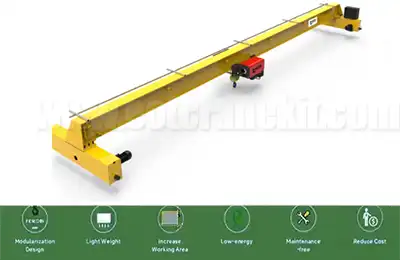
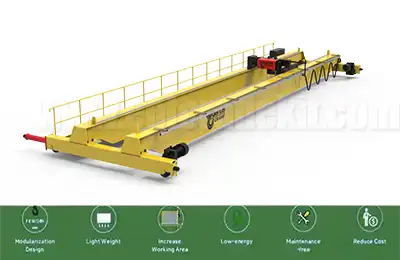
- Double girder bridge cranes: Stable and ideal for long-span operations.
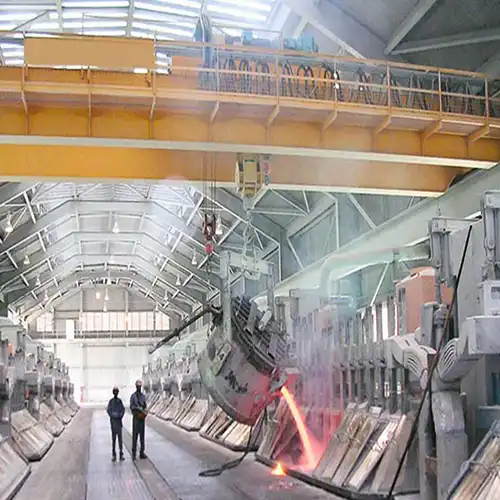
- Ladle cranes: Specialized for transporting molten steel in BOF shops.
- Slab handling cranes: Equipped with magnets or clamps for safe movement of hot slabs in storage yards or rolling mill entries.
Capacity & Loads
Cranes must handle the full range of plant loads without compromising safety:
- Capacity range: 10–100 tons, depending on plant scale and application.
- Typical loads: Hot slabs (8–25 tons), bundled billets of varying sizes, and molten steel ladles (up to 100 tons including the ladle).
Applications
- Moving billets from furnace to storage or rolling lines.
- Handling slabs between hot mills and storage yards.
- Stacking rebar for downstream operations.
- Transporting molten steel ladles between BOF and casting areas.
Market Insights
Steel production in Odisha is expanding, with greenfield projects and modernization efforts creating steady demand for high-capacity cranes. Local plant managers value reliable vendors who can provide quick support, not just suppliers selling equipment.
Practical Recommendations for Buyers
- Invest in heavy-duty cranes with robust structures for repeated lifting.
- Choose components with heat protection, dust resistance, and IP-rated electrical systems.
- Ensure local maintenance support and readily available spare parts.
- Work with suppliers who understand BOF shop workflows and integrated plant operations.
- Consider dual-speed hoists and advanced braking systems for precise and safe material handling.
Jharkhand – Mineral-Rich Advantage
Jharkhand hosts major steel plants like Jamshedpur and Bokaro, demanding cranes that handle heavy loads reliably under challenging conditions.
Industry Context
Jharkhand is home to some of India's most established integrated steel plants, including Jamshedpur and Bokaro. The region is rich in iron ore and coal, supporting high-volume production. Plants operate continuously, with high throughput that demands cranes capable of handling heavy loads under challenging conditions. In these legacy operations, reliability is just as important as lifting capacity.
Typical Cranes Used
Cranes in Jharkhand are selected to manage very heavy material and high-frequency operations:
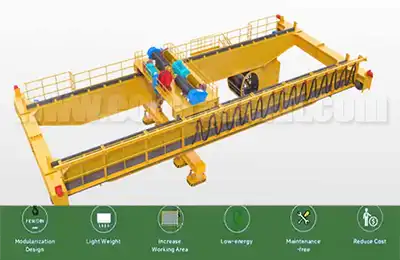
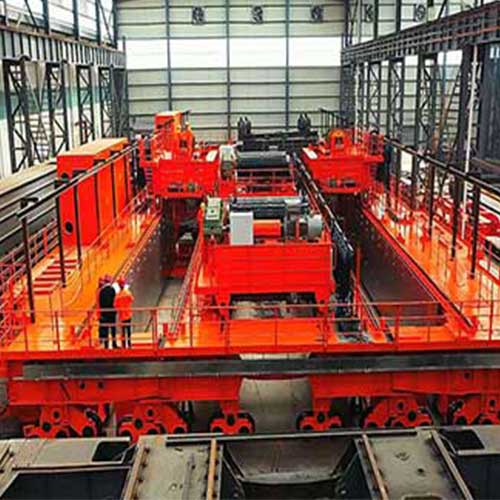
- Four-girder ladle cranes: For transporting molten steel safely in BOF areas.
- Double girder bridge cranes: Suitable for moving slabs and billets over long spans.
- Electromagnetic slab cranes: Efficient for handling hot slabs in storage yards or feeding rolling mills.
Capacity & Loads
Cranes must handle diverse material types and heavy loads consistently:
- Capacity range: 15–120 tons depending on application.
- Typical loads: Billets, hot slabs, molten ladles, and bundled scrap material.
Applications
- BOF handling and molten ladle transport.
- Moving slabs from casting to storage or rolling lines.
- Handling billets and scrap in storage yards and feed areas.
Market Insights
The region's dense concentration of steel plants makes durability and vendor reliability critical. Companies value suppliers who provide long-lasting, low-maintenance cranes and respond quickly to operational issues. In Jharkhand, proven performance builds trust and often leads to repeat business.
Practical Recommendations for Buyers
- Prioritize structurally rigid cranes capable of repeated heavy lifts.
- Use components with long operational life and resistance to heat and dust.
- Ensure local maintenance support and ready availability of spare parts.
- Work with vendors experienced in high-volume, high-temperature operations.
- Select cranes with dual-speed hoists, precise braking systems, and high operational reliability to maintain continuous production.
Gujarat – Western Industrial Hub
Gujarat hosts mini-mills, secondary steel plants, and export-focused operations. Cranes here must be adaptable, cost-effective, and versatile.
Industry Context
Gujarat is known for its mini-mills, secondary steel plants, and export-focused operations. With easy access to ports and a growing industrial base, steel plants here often handle smaller-scale, high-volume production. The focus is on efficiency, flexibility, and meeting both domestic and export demand. Cranes in this region must be adaptable and cost-effective to suit varying plant sizes and applications.
Typical Cranes Used
Cranes in Gujarat are selected for medium-duty operations and versatile handling:
- Top-running double girder cranes: Common in rolling mills and processing areas for stable lifting.
- Gantry cranes: Useful for flexible operations in open yards and coil storage.
- Light-to-medium overhead cranes: Handle smaller slabs, coils, and rebar bundles efficiently.
Capacity & Loads
Cranes must accommodate a range of materials, often with moderate weights:
- Capacity range: 3–32 tons depending on plant requirements.
- Typical loads: Slabs, steel coils, rebar bundles, and smaller billets.
Applications
- Moving steel slabs between processing lines.
- Coil yard operations, including stacking and retrieval for export or rolling.
- Handling rebar bundles for downstream production or shipment.
Market Insights
With strong export logistics and port connectivity, Gujarat plants value cranes that are flexible, scalable, and easy to integrate into existing operations. Vendors who understand local transport, storage, and plant workflows often earn repeat business.
Practical Recommendations for Buyers
- Focus on cost-effective cranes that can be upgraded or scaled for growing operations.
- Ensure smooth integration with existing plant layouts and workflow.
- Prioritize suppliers with knowledge of local export logistics and yard operations.
- Look for cranes that are easy to maintain locally, reducing downtime.
- Consider modular designs or adjustable lifting capacities to handle multiple applications efficiently.
Karnataka – Southern Growth Corridor
Karnataka hosts mid-sized secondary mills and rebar production units. Cranes here prioritize flexibility, reliability, and easy operation.
Industry Context
Karnataka's steel sector is dominated by mid-sized secondary mills and rebar production units. These plants often focus on efficient, flexible production rather than extremely high-volume operations. Cranes here need to handle smaller billets, slabs, and coils, while being easy to operate and maintain. For plant managers, downtime is costly, so practicality and reliability are always top of mind.
Typical Cranes Used
Cranes in Karnataka are selected for versatility and moderate-duty handling:
- Single and double girder bridge cranes: Provide reliable lifting for mid-sized loads with precise control.
- Overhead magnet cranes: Efficient for handling steel billets or scrap in yards.
- Electric chain hoists: Practical for workshop assembly areas and lighter material handling.
Capacity & Loads
Cranes must accommodate the moderate but varied material requirements of these plants:
- Capacity range: 2–32 tons depending on application.
- Typical loads: Small billets, steel slabs, rebar bundles, and coils.
Applications
- Moving billets and slabs from storage to rolling mills.
- Handling coils in storage yards or assembly areas.
- Supporting workshop assembly and maintenance operations.
Market Insights
Flexibility is key in Karnataka. Plants value cranes that can adapt to changing production needs while minimizing downtime. Suppliers who provide practical solutions, easy local service, and long-term reliability earn the trust of plant managers, which often leads to ongoing partnerships.
Practical Recommendations for Buyers
- Are easy to maintain locally, with spare parts readily available.
- Offer versatile lifting options for varied load types.
- Are built for reliability, reducing interruptions in production.
- Support flexible plant layouts and changing material handling needs.
- Come from vendors with a reputation for practical, no-fuss solutions that just work reliably in the plant environment.
Maharashtra – Western Industrial Giant
Maharashtra hosts large integrated steel plants and high-volume rolling mills. Cranes here focus on robustness, precision, and automation-ready operation.
Industry Context
Maharashtra is home to large integrated steel plants and high-volume rolling mills, including facilities that serve both domestic and export markets. Production here runs around the clock, often handling heavy slabs, billets, and molten ladles. With high material throughput, cranes must be robust, precise, and capable of automated operation, ensuring smooth workflow and minimal interruptions.
Typical Cranes Used
Cranes in Maharashtra are chosen for heavy-duty and high-frequency operations:
- Double girder bridge cranes: Provide stability and precision for handling large slabs and billets over long spans.
- Heavy-duty gantry cranes: Ideal for open yards, coil handling, and high-volume material movement.
- Ladle cranes: Designed to safely transport molten steel between furnaces and casting areas.
- Automated overhead cranes: Support high-speed, repeatable operations with minimal operator intervention.
Capacity & Loads
Cranes must manage some of the heaviest loads in Indian steel plants:
- Capacity range: 15–150 tons depending on application.
- Typical loads: Hot slabs, billets, molten ladles, and finished rebar bundles ready for shipment.
Applications
- Moving hot slabs and billets within rolling mills.
- Stacking and retrieving slabs in yards.
- Coil yard operations and preparation for dispatch.
- Automated plant operations that demand precision and minimal downtime.
Market Insights
In Maharashtra, plant operators value heavy-duty, reliable, and automation-ready cranes. Vendors who deliver durable equipment with precise performance earn long-term trust and repeat business. For buyers, the choice of crane is as much about supplier reliability and service capability as technical specifications.
Practical Recommendations for Buyers
- Invest in long-lasting, low-maintenance cranes that can handle high-temperature and heavy-load operations.
- Prioritize equipment that is automation-ready to improve efficiency and reduce labor dependency.
- Ensure vendors can provide local service support, spare parts, and rapid response when needed.
- Consider the plant workflow and yard layout, choosing cranes that integrate smoothly with existing operations.
- Remember that in India, trust and proven performance often outweigh features alone—partner with suppliers who understand local operational realities.
Your Trusted Overhead Crane Manufacturer & Supplier
Regional Insights and Practical Crane Recommendations
Practical Crane Selection Framework
For procurement teams and crane suppliers, choosing the right crane goes beyond just looking at lifting capacity. It’s about matching plant type, regional conditions, material handled, and operational needs. The following framework provides a quick-reference guide to help make confident, practical decisions while balancing safety, efficiency, and cost.
How to Use the Table:
- Compare your plant’s type, material flow, and load requirements with recommended crane types.
- Use the “Recommended Features” column to identify key specifications suited for the local environment.
- Consider “Maintenance Notes” to plan for downtime reduction and long-term reliability.
| Region | Plant Type | Crane Type | Capacity | Typical Loads | Applications | Recommended Features | Maintenance Notes |
|---|---|---|---|---|---|---|---|
| Odisha | Integrated Steel Plant | Double girder bridge crane, Ladle crane, Slab handling crane | 10–100 tons | Hot slabs, billets, molten ladles | Billet movement, slab handling, rebar stacking, BOF ladle transport | High-temperature protection, dust-proof electricals, robust structure | Ensure local service support; regular inspection of hoists and trolleys |
| Jharkhand | Legacy Integrated Plants | Four-girder ladle crane, Double girder bridge crane, Electromagnetic slab crane | 15–120 tons | Billets, slabs, molten ladles, scrap bundles | BOF handling, rolling mills, slab storage yards | Structurally rigid design, long-life components, heat resistance | Schedule preventive maintenance; verify vendor response time for breakdowns |
| Gujarat | Mini-mills / Secondary Plants | Top-running double girder crane, Gantry crane, Light-to-medium overhead crane | 3–32 tons | Slabs, coils, rebar bundles, small billets | Material transfer, coil yard handling, rebar bundling | Modular design, scalable capacity, smooth integration | Easy local maintenance; ensure spare parts availability |
| Karnataka | Mid-sized Secondary Mills / Rebar Units | Single & double girder bridge cranes, Overhead magnet cranes, Electric chain hoists | 2–32 tons | Small billets, slabs, rebar bundles, coils | Rebar production, coil/billet handling, workshop assembly | Easy-to-maintain design, versatile lifting options, reliable operation | Regular checks of hoist brakes and magnets; local support preferred |
| Maharashtra | Integrated Steel Plant / High-Volume Rolling Mills | Double girder bridge crane, Heavy-duty gantry crane, Ladle crane, Automated overhead crane | 15–150 tons | Hot slabs, billets, molten ladles, finished rebar bundles | Hot material handling, slab stacking, coil yard operations, automated workflows | Automation-ready, long-life structure, heat/dust resistant | Schedule preventive maintenance; ensure vendor can provide quick support and parts |
Key Benefits of This Framework:
- Decision confidence: Aligns crane type with plant size, material, and workflow.
- Operational safety: Highlights features necessary for high-temperature and heavy-load handling.
- Cost-effectiveness: Helps avoid over-specifying cranes while ensuring enough capacity for peak loads.
- Maintenance planning: Offers guidance on regular inspections and local service support.
Business-Oriented Buyer Tips
When buying cranes for Indian steel plants, it's important to look beyond just lifting capacity. The right crane choice can reduce downtime, improve safety, and strengthen long-term trust with your workforce and suppliers.
Match Crane Type to Plant Duty Cycle and Material Loads
Every plant has a unique production rhythm. Some operate continuously, moving hot slabs or molten ladles, while others have shorter, batch-based cycles.
- Ensure the crane type and duty class align with your plant's operating schedule.
- Consider the weights, sizes, and frequency of loads; a crane designed for intermittent small loads may fail under continuous heavy lifting.
Factor in Regional Installation and Workforce Conditions
Regional conditions affect crane performance and maintenance. Humidity, dust, and heat can impact motors, brakes, and electrical components. Similarly, workforce skill levels vary across regions.
- Check if your plant can support installation requirements such as runway beams, power supply, and foundation strength.
- Select cranes that are easy to operate and maintain locally, minimizing reliance on specialized technicians.
Evaluate ROI, Total Cost of Ownership, and Supplier Trust
In India, long-term trust in suppliers often matters more than short-term pricing. A lower upfront cost can lead to higher maintenance costs and unexpected downtime.
- Consider total cost of ownership, including installation, maintenance, and spare parts.
- Choose vendors with a proven track record in similar Indian plant conditions.
- Prioritize cranes that are reliable over years of continuous operation to protect both production and reputation.
Plan for Future Expansion and Modular Solutions
Steel plants grow, diversify, or modernize over time. A crane that meets today's needs may not suffice in a few years.
- Look for modular or scalable crane designs that can adapt to higher capacities or new workflows.
- Ensure the solution can integrate easily with automated systems or new plant layouts.
- Planning ahead reduces the need for frequent replacements, saving both time and capital.
Strategic Takeaway
A crane purchase is more than equipment selection—it's a strategic decision. Align the crane with your plant's operations, local conditions, and long-term growth plans. The result is reliable production, safer workplaces, and stronger vendor relationships, which are crucial in India's competitive steel industry.
Key Questions Solved in This Guide
This guide addresses key buyer concerns for crane procurement in Indian steel plants, including regions, crane types, capacities, plant conditions, and ROI considerations.
Q1: Which regions in India are seeing the most steel plant crane demand?
Eastern and western India lead in steel plant crane demand. Odisha and Jharkhand are major hubs for integrated mills with high-volume production, requiring heavy-duty cranes for hot slabs, billets, and molten ladles. In Gujarat and Maharashtra, mini-mills and rolling mills drive demand for medium-to-heavy cranes, often with flexibility for export and coil yard operations. Karnataka focuses on mid-sized secondary mills and rebar units, where versatility and reliability are key.
Q2: What types of overhead cranes are best suited for each region?
Crane selection depends on the plant type, load, and operational environment.
- Odisha: Double girder bridge cranes, ladle cranes, slab handling cranes.
- Jharkhand: Four-girder ladle cranes, electromagnetic slab cranes, double girder bridge cranes.
- Gujarat: Top-running double girder cranes, gantry cranes, light-to-medium overhead cranes.
- Karnataka: Single & double girder bridge cranes, overhead magnet cranes, electric chain hoists.
- Maharashtra: Double girder bridge cranes, heavy-duty gantry cranes, ladle cranes, automated overhead cranes.
Q3: What capacities, applications, and loads should buyers consider?
Cranes must match plant production cycles and material types:
- Capacities: Range from 2 tons in small secondary mills to 150 tons in integrated high-volume plants.
- Loads: Include billets, slabs, molten ladles, rebar bundles, coils, and scrap bundles.
- Applications: Material transfer, BOF handling, coil yard operations, rebar stacking, automated workflows. Proper capacity ensures safe, efficient handling while minimizing downtime.
Q4: How do regional plant conditions, maintenance availability, and workforce skill levels affect crane selection?
Local conditions in India—humidity, dust, heat, and occasional power fluctuations—impact crane performance. Workforce expertise and availability of local maintenance also guide selection:
- Plants with experienced technicians can handle complex cranes.
- Regions with limited service support require easy-to-maintain, durable cranes.
- Selecting a crane designed for local conditions reduces breakdowns, improves uptime, and protects plant productivity.
Q5: How can businesses ensure ROI and long-term reliability in crane procurement?
ROI depends on the crane's total cost of ownership, not just upfront price. Consider:
- Reliability under continuous operation and high temperatures.
- Maintenance needs, spare parts availability, and vendor support.
- Flexibility for future expansion or modular upgrades.
- Proven performance from suppliers with experience in Indian plant conditions.
By evaluating these factors, buyers ensure a long-lasting, cost-effective solution that earns trust across operations.
Conclusion
In India, steel plant cranes are not just machines—they are essential partners in production. The right crane ensures materials move safely, operations run smoothly, and plant productivity is maintained.
- Eastern India (Odisha, Jharkhand): Heavy-duty cranes are needed to handle hot slabs, molten ladles, and high-volume billets in integrated plants.
- Western and Southern India (Gujarat, Karnataka): Medium-duty cranes provide flexibility for mini-mills, rebar units, and coil yard operations, balancing cost and operational efficiency.
- Maharashtra: Automation-ready and high-capacity cranes support large integrated plants and high-volume rolling mills, where precision and continuous operation are critical.
Successful crane procurement combines regional plant understanding, load-handling requirements, operational efficiency, and long-term vendor trust. Investing in cranes that fit local conditions and workflows not only reduces downtime but also builds reliable partnerships with suppliers, safeguarding both production and business growth.
In India, choosing the right crane is a strategic decision—it impacts safety, productivity, and the long-term success of your steel operations.



Yuantai Cranes
Overhead Crane Manufacturer with CE, ISO, SGS, CNEX Certificates.
- Main Specifications - Capacity: 0.5–550 tons | Span: up to 40m | Speed: 0.8–12 m/min | Duty: A3–A7 | Power: 380–690V, 50/60Hz | Control: pendant/remote/cabin
- Full engineering: FEA/PLC/VFD + in-house build + global delivery + on-site support, for workshops, factories, EPC contractors, industrial projects, etc.
- Support: design, manufacturing, testing, service – end-to-end, customized lifting solutions worldwide.
How to Get an Accurate Crane Price for Your Application?
Tips: Copy the spec list, fill in your details, and paste it into the form on the right/ down-below for a quick price.
- Crane type:_____ . (e.g., overhead crane, gantry crane, jib crane)
- Max weight to lift:_____ tons. (e.g., 2t, 5t, 10t, 20t, 50t)
- Lifting height:_____ m. (How high does the hook need to reach?
- Workshop width (span):_____ m . (Distance between the two crane rails)
- Travel distance:_____ m . (How long does the crane need to move along the runway?)
- Control type:_____. (Pendant / remote / cabin Control)
- Power supply:_____. (Local voltage & frequency – e.g., 380V, 50Hz, 3-phase)
- What will it be used for?_____ (e.g., steel fabrication, concrete products, mold handling, general manufacturing, etc.)
- Any special requirements?_____ (e.g., extreme temperature, dusty or explosive environment, special paint color, etc.)
Just leave a message via the contact form and our hoist and crane engineer will contact you with in 24working hours.
Get Your Custom Quote–Quick & Easy
Fill in what you know. Skip what you don't – we'll help.Any question will be reply with 24 working hours