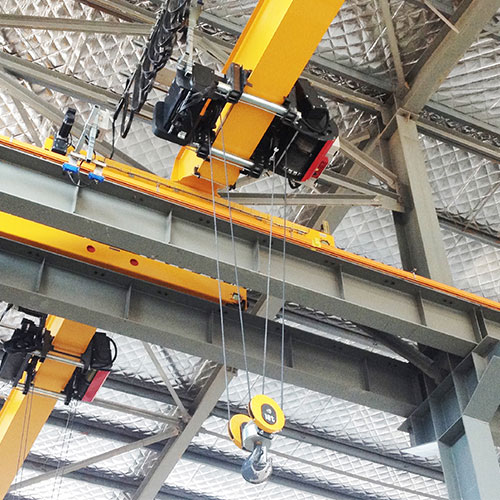
Green, Smart, Efficient Chinese Overhead Cranes
Check next-generation Chinese overhead cranes with energy-efficient design, smart control systems, & eco-friendly features for modern industrial workshops.
| Application | Material handling, lifting, positioning, assembly, maintenance, loading/unloading, |
| Certifications | CE / ISO / SGS / Other third-party inspection |
| Customization | Customized material handling cranes solutions available for indoor, outdoor, hazardous, corrosive, cleanroom, and heavy-duty industrial applications. |
Category: Featured
Tags: eurocrane
Your Trusted Overhead Crane Manufacturer & Supplier
Green, Smart, Efficient Chinese Overhead Cranes
Next-generation Chinese Overhead Cranes with Energy-efficient Design, Smart Control Systems, & Eco-friendly Features
Introduction
Industrial manufacturing around the world is moving fast toward automation and sustainability. Factories are no longer just about lifting and moving materials—they are about doing it smarter, cleaner, and more efficiently. In China, this trend is especially clear, where industries are adopting green and smart manufacturing practices at a rapid pace.
Overhead cranes, a cornerstone of heavy industry, are evolving along with these trends. Modern Chinese overhead cranes are not just about lifting capacity—they are designed to save energy, reduce emissions, and integrate with digital control systems.
For buyers, understanding these changes is crucial. Choosing the right crane today means considering energy efficiency, smart operation features, and long-term cost savings, rather than simply selecting a crane by its tonnage.
Key points for buyers to note:
- Modern cranes combine energy-saving designs with advanced automation.
- Smart cranes can monitor usage, predict maintenance, and reduce downtime.
- Selecting the right crane supports both operational efficiency and environmental goals.
The "Green" Transformation of Chinese Overhead Cranes
Energy efficiency, environmental compliance, and sustainable materials are shaping the next generation of Chinese overhead cranes, helping buyers reduce costs and meet green goals.
25 Ton / 16 Ton Overhead Crane, Main Hoist with Auxiliary Hoist, Customized Overhead Bridge Crane, Tailored advanced Crane with European style
Advanced Electric Hoist Advantages : Traditional Wire Rope Hoists vs European Style Electric Hoist
Energy-Efficient Design
Energy efficiency is no longer an optional feature; it's a requirement. Chinese overhead cranes are now designed to minimize energy use while maintaining strong lifting performance.
Practical design improvements include:
- Lightweight steel structures: Modern crane girders and trolleys use optimized steel layouts, reducing the overall weight without compromising strength. This directly lowers power consumption during lifting and travel.
- High-efficiency motors and regenerative braking: These motors use less electricity and convert braking energy back into usable power, reducing energy waste in long shifts.
- Variable frequency drives (VFDs): VFDs allow cranes to adjust speed and torque based on the load, which saves energy and ensures smoother operation.
For workshops or steel mills, these features can translate to noticeable electricity cost savings—often between 15% and 25% compared to older crane models.
Environmental Compliance
Beyond saving energy, modern cranes are designed to meet strict environmental standards, both within China and internationally.
Key aspects include:
- Low-carbon operation: Many Chinese overhead cranes now meet national carbon emission standards and can be used in eco-sensitive industrial areas.
- Noise reduction technologies: From quieter motors to smooth-running wheels, cranes are engineered to minimize noise, improving the work environment for operators.
- Emission-friendly materials: Coatings and finishes are designed to release fewer volatile organic compounds (VOCs), further reducing environmental impact.
These features make it easier for factories to comply with environmental regulations while improving worker safety and comfort.
Sustainable Materials and Lifecycle Management
A truly green crane is not just about energy use—it's about materials, maintenance, and lifespan.
Practical considerations include:
- Recyclable components: Steel structures, motors, and certain electronic parts are designed to be reusable or recyclable, supporting a circular industrial economy.
- Extended service life: Advanced materials and precision manufacturing reduce wear and tear, so cranes last longer with fewer replacements.
- Lower maintenance footprint: Smart monitoring and durable design reduce the frequency of inspections, downtime, and parts replacement.
For buyers, this means that investing in a modern Chinese overhead crane can deliver long-term savings in maintenance costs while supporting sustainability goals.
The Rise of "Smart" Overhead Cranes
As factories become more automated and data-driven, overhead cranes are evolving into intelligent systems that monitor, adjust, and predict maintenance needs. Understanding these smart features is crucial for buyers to maximize productivity and reduce costs.
Digital Control Systems
Modern Chinese overhead cranes now come equipped with digital control systems that integrate PLCs (programmable logic controllers) and IoT-enabled sensors. These systems give operators real-time insights into crane performance and load conditions.
Practical advantages include:
- Real-time monitoring: Sensors track motor temperature, load weight, trolley position, and operating hours to ensure safe and efficient operation.
- Remote operation: Operators can control cranes from a distance, reducing the need for manual intervention in hazardous or hard-to-reach areas.
- Predictive maintenance: By analyzing sensor data, cranes can alert maintenance teams before a failure occurs, avoiding costly downtime.
These features make it easier for steel mills, workshops, and logistics centers to plan operations and reduce unexpected interruptions.
Automation and AI Integration
Automation is the next step in smart crane technology. Chinese overhead cranes are increasingly equipped with automatic crane control systems (ACCS) and AI-assisted features. These allow cranes to operate more precisely and safely while reducing operator fatigue.
Key capabilities include:
- Load optimization: The crane automatically adjusts lifting speed and torque to handle different weights efficiently.
- Anti-sway control: AI systems predict load movement and adjust trolley motion to prevent swinging, which improves safety and accuracy.
- Path planning: Cranes can follow pre-programmed routes, ensuring smooth and efficient movement even in complex workshop layouts.
For buyers, these features mean fewer accidents, faster material handling, and improved workflow consistency.
Data-Driven Decision Making
Smart cranes don't just operate—they provide actionable dat Integration with MES (Manufacturing Execution Systems) or ERP (Enterprise Resource Planning) software allows factories to analyze crane usage patterns and optimize operations.
Benefits of data integration:
- Downtime reduction: Analytics highlight bottlenecks and maintenance needs before they become critical.
- Preventive maintenance: Scheduling inspections based on actual usage data, rather than fixed intervals, extends crane life and reduces costs.
- Operational efficiency: Data insights allow managers to optimize crane routes, trolley speed, and load sequences to improve overall productivity.
For industrial buyers, investing in smart overhead cranes translates into measurable improvements in efficiency, safety, and cost savings.
Enhanced Efficiency for Modern Workshops
Modern Chinese overhead cranes are designed to lift heavier materials efficiently, reliably, and flexibly, helping workshops, steel mills, and warehouses maximize productivity.
Higher Lifting Performance
Efficiency starts with lifting performance. Advanced overhead cranes are engineered to handle heavier loads with less energy, thanks to optimized mechanical and electrical systems.
Practical benefits include:
- Optimized hoisting speeds: Adjustable hoist speeds ensure that heavy materials can be lifted quickly without putting unnecessary strain on the crane motor.
- Dual-trolley options: Some cranes feature two trolleys, allowing simultaneous handling of multiple loads or distributing weight evenly across longer spans.
- Energy-efficient lifting: Even when moving heavy materials, modern cranes consume less power through regenerative braking and variable frequency drives (VFDs).
For buyers, this means faster workflow, safer operations, and the ability to lift heavier loads without upgrading the entire workshop infrastructure.
Operational Flexibility
Every workshop has unique needs, and modern cranes are designed to adapt. Flexibility is key when handling different load types, spans, and workshop layouts.
Features that improve flexibility include:
- Modular design: Cranes can be customized or expanded quickly, which reduces installation time and allows for future upgrades.
- Multi-purpose use: The same crane can handle steel plates, billets, molds, or heavy equipment, making it suitable for steel mills, manufacturing plants, and warehouses.
- Quick installation: Pre-engineered components simplify assembly, reducing downtime during installation or relocation.
This operational flexibility helps buyers get more value from each crane, making it easier to adjust to changing production needs.
Reduced Total Cost of Ownership
Efficiency isn't just about speed—it's also about cost. Modern overhead cranes are designed to lower operating expenses over the long term.
Key points for buyers:
- Lower electricity costs: High-efficiency motors and smart control systems reduce energy consumption without sacrificing performance.
- Reduced maintenance expenses: Durable materials and predictive maintenance technology lower the frequency of repairs.
- Longer service life: Optimized structural design and intelligent operation extend the life of the crane, reducing the need for replacements.
For industrial buyers, this means investing in a crane that pays for itself over time—not just through faster lifting but also through real savings in energy, maintenance, and downtime.
Case Studies and Real-World Applications
Seeing how modern Chinese overhead cranes perform in real-world settings helps buyers understand their practical benefits. Across industries, these cranes are proving their value in green, smart, and efficient operations.
Practical examples and measurable benefits:
- Energy savings: In a steel mill in eastern China, an energy-efficient double-girder crane reduced electricity consumption by 18% compared to older models.
- Productivity improvement: Automated trolley control and load optimization allowed the same mill to increase material handling speed by 25%, shortening production cycles.
- Reduced carbon footprint: Factories using cranes with regenerative braking and low-energy motors report significant reductions in CO₂ emissions.
Industries where next-gen cranes are making a difference:
- Steel mills: Handling billets, slabs, and molds with precision while minimizing energy use.
- Workshops: Flexible overhead cranes for assembly, maintenance, and equipment movement.
- Logistics centers: High-speed material handling with automated cranes that integrate with warehouse management systems.
These examples show that investing in modern Chinese overhead cranes is not just about lifting capacity—it's about efficiency, cost savings, and environmental compliance.
Buyer Considerations for Next-Gen Cranes
When considering a modern overhead crane, buyers need to look beyond the load rating. Next-gen cranes offer smart systems, energy-saving features, and long-term cost benefits, but selecting the right one requires careful planning.
Key questions buyers should ask:
- Energy efficiency and power requirements: How much electricity does the crane use, and does it fit your facility's supply?
- Smart system capabilities: Does the crane include IoT sensors, predictive maintenance, or automated control? Is it compatible with your existing workshop management systems?
- Maintenance and local support: Are spare parts readily available? Can local technicians support routine and emergency maintenance?
Other practical considerations:
- Customization for load and span: Every workshop has unique lifting requirements. Ensure the crane can handle your heaviest loads safely.
- Environmental conditions: Consider indoor vs. outdoor use, temperature extremes, and exposure to dust, moisture, or chemicals.
- Future expansion: Choose cranes that allow for modular upgrades or additional features as production needs grow.
Future Trends in Chinese Overhead Cranes
The next generation of Chinese overhead cranes focuses on smarter, greener, and more efficient designs, aligning with modern workshop and steel mill needs.
Integration with AI, Machine Learning, and Industry 4.0
Artificial intelligence and machine learning are transforming how overhead cranes operate and are managed. These technologies allow cranes to adapt to different loads and workflows, improving precision and efficiency.
Key developments include:
- AI-assisted load handling: Cranes can adjust lifting speed, trolley motion, and hoist torque automatically for different materials.
- Predictive maintenance: Machine learning analyzes historical performance to forecast maintenance needs before problems occur, reducing downtime.
- Industry 4.0 connectivity: Cranes can integrate with factory systems, providing real-time data on production flow, energy use, and operational efficiency.
For buyers, this means more reliable operations, optimized workflow, and a data-driven approach to material handling.
Expansion of Automated and Semi-Automated Crane Fleets
Automation is no longer a niche feature; it is becoming standard in modern workshops. Semi-automated and fully automated cranes are increasingly deployed in factories and logistics centers.
Benefits for industrial buyers:
- Increased productivity: Automated cranes can work continuously with minimal supervision.
- Enhanced safety: Reduced need for manual operation lowers the risk of accidents.
- Consistency: Automation ensures precise material handling, which is especially important for heavy or sensitive loads.
Factories with multiple automated cranes can manage complex workflows more efficiently while freeing human operators for higher-value tasks.
Continuous Push for Ultra-Low Carbon and Eco-Friendly Solutions
Sustainability remains a major driver in the design of Chinese overhead cranes. Manufacturers are developing solutions that meet both national and global environmental standards.
Key trends include:
- Low-carbon operation: Advanced motors, regenerative braking, and optimized structural designs reduce energy consumption.
- Eco-friendly materials: Recyclable steel, low-VOC paints, and modular components make cranes easier to maintain and recycle.
- Long-term lifecycle focus: Cranes are built to last longer with lower maintenance needs, reducing both costs and environmental impact.
These developments make modern overhead cranes a practical choice for buyers seeking green, cost-effective, and high-performance lifting solutions.
Conclusion
The era of green, smart, and efficient overhead cranes is here. For buyers, these features are no longer optional—they are the standard for next-generation Chinese overhead cranes. Choosing cranes with energy-saving designs, smart control systems, and flexible performance can have a direct impact on your workshop or plant operations.
Key strategic advantages for buyers:
- Lower operational costs: Energy-efficient motors, regenerative braking, and optimized hoisting reduce electricity usage and maintenance expenses.
- Higher productivity: Smart control systems, automation, and dual-trolley options allow faster and safer material handling.
- Regulatory compliance: Low-carbon, noise-reducing, and environmentally friendly designs help meet national and international standards.
Investing in modern cranes is not just about lifting capacity—it's about long-term efficiency, safety, and adaptability. To get the most out of your purchase, it's essential to work with experienced manufacturers who can provide tailored overhead crane solutions based on your load requirements, workshop layout, and operational goals.
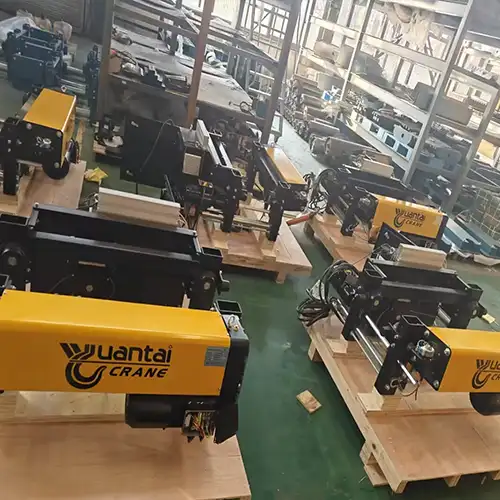
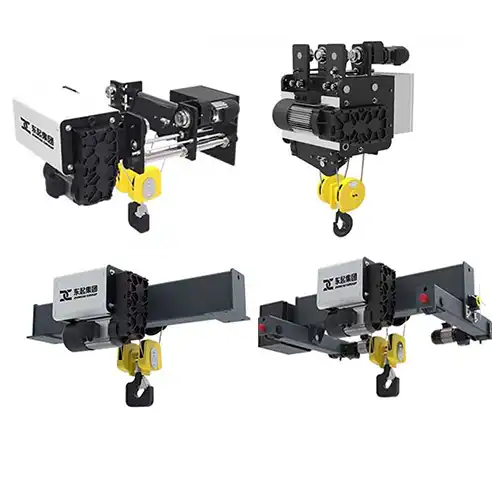
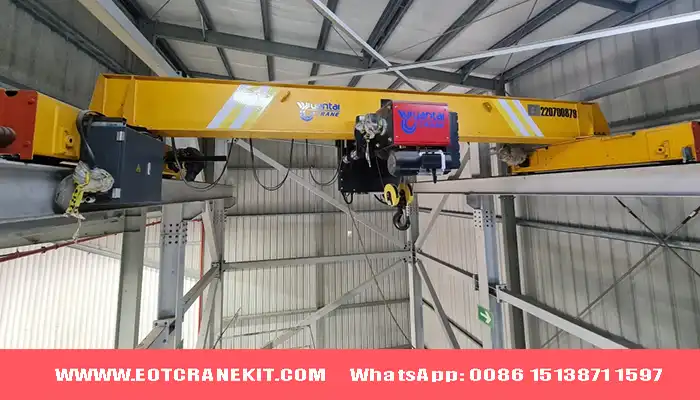
Latest project
Qatar Single Girder Overhead Crane Case 5T–12T System
Qatar case study: single girder overhead crane system with 5 ton & 12 ton low headroom crane, European VFD overhead crane hoist solution.
Free consultation to Confirm Parameters & Specifications and Get
Latest Crane Price & Crane Rate.
- Types of overhead cranes : _______?
- Optional: Overhead travelling crane, goliath gantry crane,Slewing jib crane, Single girder or double girder crane,small portable crane or kbk crane, etc.
- Capacity of overhead crane: _______?
- Optional: 0.25ton, 0.5 ton, 1 ton, 2 ton, 3ton, 5 ton, 10 ton,15ton, 20ton, 25 ton, 30ton,35ton, up to 550ton, etc.
- Crane span & lifting height : _______?
- Crane travelling length : _____?
- Control of overhead crane:_______?
- Optional: pendant/ remote/cabin control
- Voltage supply of overhead crane:_____?
- Eg,: 380V50/60HZ,3Phase or others,etc.
- Application/usage of crane:_______?
- Eg,: Steel mill, ,injection mold, cement,stone, concrete,granite, general manufacturing, etc.
Just leave a message via the contact form and our hoist and crane engineer will contact you with in 24working hours.
Get In Touch