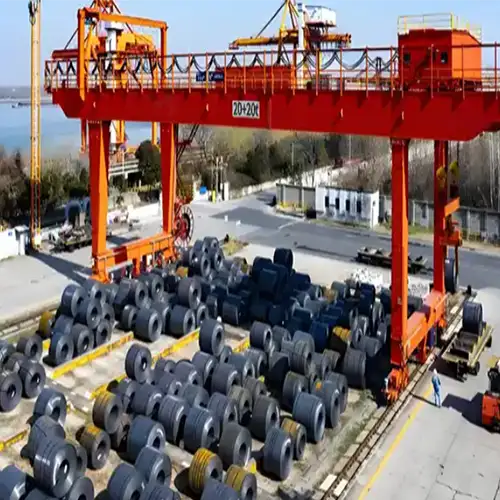
Crane Price Guide for UAE Steel Plants: What Affects Crane Cost
Learn what affects the cost of overhead cranes & gantry cranes in UAE steel plants, from capacity and specifications to location and customization options
| Application | Material handling, lifting, positioning, assembly, maintenance, loading/unloading, |
| Certifications | CE / ISO / SGS / Other third-party inspection |
| Customization | Customized material handling cranes solutions available for indoor, outdoor, hazardous, corrosive, cleanroom, and heavy-duty industrial applications. |
Crane Manufacturer: Yuantai Cranes – 30+ Years Professional Crane Manufacturer from China
Category: Featured
Tags:
Your Trusted Overhead Crane Manufacturer & Supplier
Crane Price Guide for UAE Steel Plants
What Affects the Cost of an Overhead Crane or Gantry Crane?
Introduction
The steel industry in the UAE is a vital part of the country’s development. With major construction projects, expanding infrastructure, and growing manufacturing needs, steel plants are busier than ever. These plants supply steel for buildings, bridges, pipelines, and many other essential uses. For these plants to keep pace, efficient material handling is a must.
The importance of cranes in steel plants
Overhead and gantry cranes are the backbone of steel plants’ material handling. They help move heavy steel products—such as slabs, billets, and coils—from one process to another. Using the right crane improves productivity and safety, preventing delays and reducing labor costs.
- Cranes handle loads ranging from a few tons to over 50 tons.
- They operate in tough environments with dust, heat, and heavy-duty cycles.
- Reliable cranes minimize downtime and maintenance issues.
Buying a crane is a big investment. It’s not just about picking one with the right capacity. Several factors affect the price and suitability of a crane for your specific steel plant. This guide will help you understand:
- How plant location and setup affect crane costs.
- What technical features and customizations can raise or lower the price.
- The role of delivery, installation, and after-sales support in the overall budget.
Overview of Steel Plants in the UAE and How They Affect Crane Prices
When buying cranes for steel plants in the UAE, it’s important to understand the kinds of steel plants operating in the country and how their location, size, and features influence crane costs. Let’s break it down step-by-step.
Major Steel Plant Locations in the UAE
Steel plants in the UAE are mainly located in several key industrial zones, each presenting unique factors that affect the pricing and logistics of overhead and gantry cranes. Understanding these locations can help buyers anticipate extra costs or challenges beyond the crane's base price.
Abu Dhabi (Kizad Industrial Zone)
Kizad is one of the UAE's largest industrial zones and a major hub for steel production. Its close proximity to Khalifa Port, one of the country's most advanced deep-water ports, offers significant advantages for crane import and delivery.
Benefits:- Shorter transport routes from the port reduce freight and trucking costs.
- Faster customs clearance due to established industrial import processes.
- Modern infrastructure with reliable power supply and well-built roads simplifies installation.
- The large industrial zone can have heavy traffic during peak hours, requiring careful delivery scheduling.
- Site preparation may be needed for cranes due to soil conditions typical of reclaimed or desert areas.
Dubai Industrial City
Dubai Industrial City hosts numerous steel fabrication and processing plants. Its location near Jebel Ali Port — the busiest port in the Middle East — supports easy import of cranes and spare parts.
Benefits:- Excellent road connectivity allows for flexible and timely crane deliveries.
- Established customs and logistics hubs speed up paperwork and reduce delays.
- Urban restrictions may limit delivery times, often requiring night or off-peak transport.
- Oversized cranes need special permits and escorts through city traffic, adding to transport costs.
- Some industrial areas may have narrow lanes or limited space for crane assembly.
Sharjah Industrial Areas
Sharjah is home to several medium-sized steel workshops and fabrication units. It offers proximity to Dubai and good connectivity but has some logistical challenges.
Benefits:- Access to multiple transport routes including highways and nearby ports.
- Suitable for medium to smaller cranes with moderate installation complexity.
- Some sites have limited space for heavy transport vehicles, requiring careful planning.
- Infrastructure like power supply may vary, potentially needing crane system adjustments.
- Older industrial estates may require additional groundwork to support crane foundations.
Ras Al Khaimah (RAK)
RAK is developing rapidly as an industrial center but remains more remote compared to Abu Dhabi or Dubai. It hosts several steel plants and manufacturing workshops.
Benefits:- Competitive land and operational costs attract growing steel businesses.
- Developing infrastructure with improving road links to ports.
- Longer distance from main ports means higher transport and delivery costs for cranes.
- Specialized transport permits are often needed for oversized cranes.
- Power supply variations might require electrical customization for cranes.
- Soil conditions in some zones require stronger crane foundations, adding to installation costs.
Fujairah
Fujairah, located on the eastern coast, offers a strategic shipping gateway outside the Strait of Hormuz. Some steel plants operate here due to proximity to export routes.
Benefits:- Alternative shipping routes can reduce delays related to congested western UAE ports.
- Ideal for steel plants with export-oriented production.
- Greater distance from industrial hubs can increase crane delivery time and cost.
- Challenging terrain and less developed infrastructure may demand customized crane support structures.
- Limited local heavy transport resources may require bringing in specialized contractors.
Why Location Affects Crane Pricing
- Port Proximity:
Being close to major ports reduces freight and customs fees. It also shortens lead times, which can speed up project schedules. - Transport Complexity:
Remote or less accessible sites increase costs due to longer transport distances, special vehicle requirements, and permits. - Delivery Restrictions:
Urban or busy industrial zones may restrict delivery hours or require special routes and escorts, adding planning and cost. - Site Infrastructure:
Local power stability influences electrical system needs for cranes.
Ground and soil conditions affect runway beam design and foundation requirements, impacting material and labor costs.
Types and Sizes of Steel Plants
Steel plants in the UAE vary widely in size and production processes. This diversity directly impacts the type of crane needed and, naturally, the price. Let's look at the common types and what they mean for crane requirements.
Mini Steel Mills
Mini steel mills are smaller facilities that often use Electric Arc Furnace (EAF) technology. These plants focus on producing smaller batches of steel, typically for local markets or specialized products.
Crane requirements:- Capacities generally range from 5 to 20 tons.
- Cranes must be compact to fit in limited spaces.
- Because these cranes run frequently throughout the day, they need a higher duty rating (A5 or A6) for durability.
- The tough operating conditions and constant use mean cranes must be built to last, which can make even smaller capacity cranes relatively expensive.
- Moving raw materials into the furnace.
- Transferring semi-finished products for rolling or shaping.
- Handling molds, tools, and maintenance equipment.
Integrated Steel Plants
Integrated steel plants are large, complex facilities that include blast furnaces, rolling mills, and extensive processing lines. They produce steel on a massive scale, supplying major construction and industrial projects.
Crane requirements:- Heavy-duty cranes with lifting capacities often 20 tons and above.
- Long span bridges to cover wide processing areas or storage yards.
- Higher lifting heights to move materials between different processing levels.
- Advanced automation and safety features such as remote control, anti-sway, and overload protection.
- Cranes must be rugged and reliable to handle continuous, heavy workloads.
- Transporting heavy slabs, billets, and coils between furnaces, mills, and storage.
- Loading and unloading steel products for shipment.
- Handling maintenance and assembly of large equipment.
- Larger and more complex cranes with advanced technology increase upfront costs.
- Custom engineering and materials to withstand harsh industrial environments add to the price.
Steel Fabrication Workshops
Fabrication workshops focus on shaping, cutting, and assembling steel parts used in construction, machinery, or structural applications. These workshops require cranes that are versatile and precise.
Crane requirements:- Medium lifting capacities, often between 5 and 20 tons.
- Flexible and modular designs to handle a range of tasks.
- Advanced controls for precise movement and positioning.
- Often customized to match specific production workflows.
- Moving steel sheets, pipes, or sections within the workshop.
- Positioning parts during welding or assembly.
- Handling molds, dies, and tooling equipment.
- Customization and control systems add to cost even if lifting capacities are moderate.
- Modular cranes may require more complex design and installation.
Common Features of UAE Steel Plants That Affect Crane Costs
Certain characteristics typical of steel plants in the UAE play a big role in shaping crane design and pricing. These practical factors often add to the upfront investment but are crucial for long-term performance and safety.
Automation and Material Handling Integration
Many UAE steel plants use automated systems to improve efficiency. Cranes aren't just lifting machines — they're part of a bigger workflow that often includes remote operation and programmable controls.
What this means for cranes:- Need for remote control systems for safer, faster operation.
- Programmable logic controllers (PLCs) to automate repetitive tasks.
- Integration with plant safety systems like overload protection, emergency stops, and collision avoidance.
- These advanced control features require more complex electrical and software components.
- Engineering and testing these systems add to design and manufacturing time.
- Result: higher upfront cost but smoother operation and improved safety.
Harsh Desert Climate
The UAE's desert environment brings unique challenges: extreme heat, sandstorms, and constant dust.
Design considerations:- Use of corrosion-resistant paint to protect steel parts from rust and wear.
- Sealed motors and dust-proof electrical enclosures to prevent damage.
- Cooling systems to prevent overheating in high temperatures.
- Extra materials and protective coatings increase manufacturing expenses.
- Specialized components and sealing raise part costs.
- However, these investments reduce breakdowns and maintenance needs over time, saving money in the long run.
Safety and Certification Requirements
Cranes in the UAE must comply with strict safety regulations and international standards such as ISO and CE.
What's involved:- Rigorous engineering design to meet load, safety, and operational criteria.
- Testing and inspection by third-party agencies.
- Preparation of detailed documentation and certifications.
- Additional engineering and quality control add to production time and costs.
- Certification fees and paperwork are part of the price.
- These measures ensure safer cranes, reduce accident risks, and help avoid legal or regulatory issues.
Maintenance-Friendly Designs
While rugged cranes designed for easy maintenance may have a higher initial price, they reduce costly downtime and repair expenses.
Features include:- Easy access to key components for inspection and servicing.
- Modular parts that can be quickly replaced.
- Use of durable materials that withstand wear.
- Slightly higher manufacturing cost due to design complexity.
- Long-term savings from less frequent repairs and faster maintenance turnaround.
Keeping these common UAE steel plant features in mind helps buyers understand why crane prices vary. It's not just about lifting capacity; it's about durability, safety, automation, and operating environment. Knowing what to expect helps make better decisions and avoid surprises during and after purchase.
Typical Cranes Used in UAE Steel Plants
Steel plants in the UAE use different types of cranes depending on their specific needs. Each crane type serves particular functions and varies in capacity, design, and operating environment.
Overhead Bridge Cranes
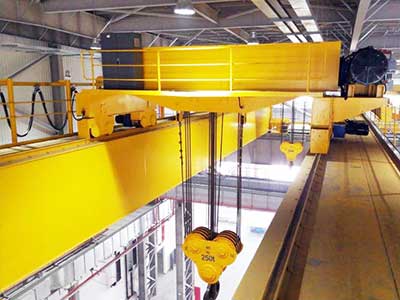
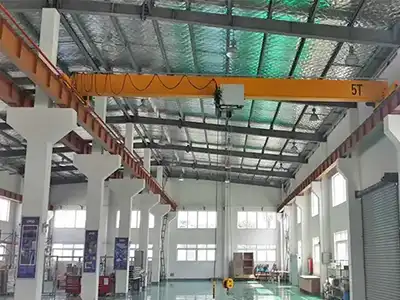
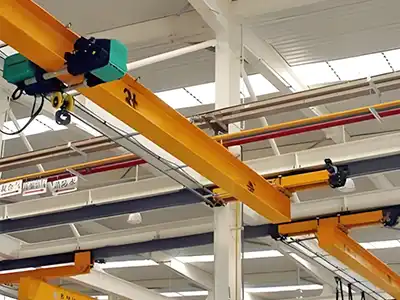
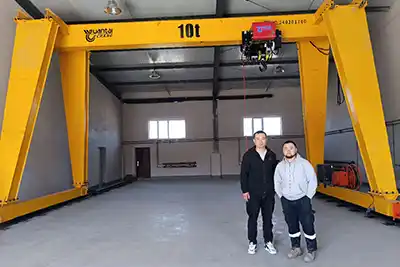
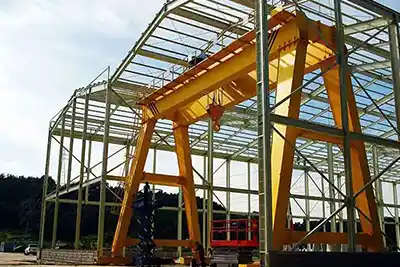
Overhead bridge cranes are the most common cranes inside steel plants. They run on elevated rails fixed to the building structure, moving materials safely across the workshop floor.
Single Girder Cranes:- Capacity range: 5 to 20 tons.
- Ideal for lighter duties such as handling smaller steel parts, coils, or tools.
- Compact design suitable for workshops with lower ceilings or space constraints.
- Generally more cost-effective and easier to install.
- Capacity range: 20 tons up to 50+ tons or more.
- Used for heavy-duty lifting, such as moving slabs, billets, or large equipment.
- Provides higher lifting height and longer spans, allowing better material flow.
- More robust design supports heavier loads and higher duty cycles.
Gantry Cranes
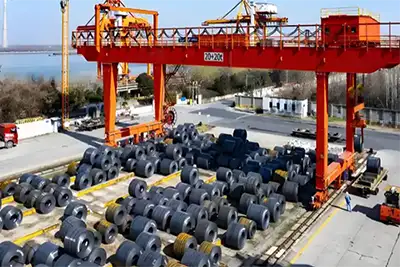
Gantry cranes are primarily used outdoors or in large yard areas where heavy steel products are stored or loaded.
Rubber-Tyred Gantry Cranes:- Mounted on rubber tires for easy movement across paved surfaces.
- Capacity typically ranges from 10 tons up to 100+ tons.
- Ideal for loading/unloading trucks and stacking steel products in open yards.
- Run on fixed rails laid along the yard or dockside.
- Often used in ports or steel storage yards for handling very heavy loads.
- Provide high stability and precise positioning, suitable for long-term heavy use.
Specialized Cranes
Some steel plants require cranes tailored for specific tasks or hazardous environments. These cranes often include advanced features.
Electromagnetic Cranes:- Equipped with electromagnets to lift steel billets, slabs, or scrap without hooks or slings.
- Speeds up handling and improves safety in steel mills.
- Use mechanical clamps to grip steel products like plates or pipes.
- Useful where electromagnetic lifting is not suitable (e.g., coated or painted steel).
- Designed for areas with flammable gases or dust, where sparks must be avoided.
- Have special motors, wiring, and safety features certified for hazardous zones.
Key Crane Specifications That Affect Cost in UAE Steel Plants
When buying a crane for a steel plant, several important factors determine how much it will cost. These specs affect the price of the crane itself and the installation.
Load Capacity
- How much weight the crane can lift.
- Bigger capacities need stronger materials and more powerful motors.
- For example, a 50-ton crane costs more than a 10-ton crane because it's built heavier and stronger.
Span Length and Lifting Height
- Span length: The distance between the rails the crane moves on. Longer spans mean bigger steel beams and higher costs.
- Lifting height: How high the crane must lift the load. Higher lifts need longer ropes and bigger hooks, which add to the price.
Duty Classification (A5, A6)
- This shows how often and how hard the crane will work.
- A5 is for heavy but less frequent use. A6 is for very frequent, tough work.
- Higher duty cranes have stronger parts and cost more.
Travel Length and Runway Beam
- The longer the crane travels along the rails, the more materials and labor are needed.
- Complex or uneven floors might mean extra work to set up the runway beams, which raises costs.
Power Supply Compatibility
- Most plants use 415V, 50Hz power.
- Some cranes might need special power setups, which can add to cost.
- Matching the crane's electrical parts to the site power is important for safe and smooth operation.
Local Delivery and Logistics Considerations
Getting your crane from the factory to your steel plant in the UAE isn't always straightforward. There's a lot to think about beyond just ordering the equipment. How the crane is delivered, handled, and installed can affect your timeline and costs more than you might expect.
Strategic Ports and Import Process
The UAE is fortunate to have world-class ports like Jebel Ali in Dubai and Khalifa Port in Abu Dhabi. These ports make importing cranes easier and faster compared to many other countries.
Benefits of major ports:- Efficient cargo handling speeds up unloading.
- Established customs procedures reduce paperwork delays.
- Good transport links from port to industrial zones shorten delivery times.
- Customs clearance still requires careful planning — missing documents or incorrect paperwork can cause costly hold-ups.
- Coordination with customs agents and transport companies ahead of time keeps things on track.
Oversized Crane Transport Challenges
Many overhead and gantry cranes come in large, heavy pieces that don't fit on standard trucks.
Special transport needs:- Oversized loads often need permits from road authorities.
- Police escorts may be required for certain routes, adding to cost.
- Route surveys ensure roads, bridges, and overhead wires can handle the crane parts.
- Loading and unloading cranes require cranes or heavy lifting gear at both ends.
- Delays in any step can cause a domino effect, pushing back installation schedules.
Delivery Scheduling in Busy Industrial Zones
Steel plants are usually located in busy industrial areas. This brings its own challenges when planning crane deliveries.
Delivery restrictions:- Some zones only allow deliveries during off-peak hours or nights to avoid traffic jams.
- There might be limits on truck sizes or weight during certain times.
- Noise regulations can restrict heavy equipment use at night.
- Tight delivery windows mean precise coordination is necessary.
- Any delays can increase labor costs, equipment rental fees, and overall project duration.
Installation Environment and Its Impact on Crane Cost in the UAE
In the UAE, the installation environment plays a big role in determining the right crane features and the overall cost. The country's unique climate, soil, and infrastructure conditions all influence what kind of crane you need and how much it will cost to install and operate.
Indoor vs. Outdoor Conditions in the UAE
The extreme desert climate in the UAE means outdoor cranes face tough challenges compared to those inside workshops.
Indoor cranes in UAE steel plants:- Typically installed in climate-controlled factories or covered workshops.
- Standard protective coatings and sealed electrical components are generally sufficient.
- Dust and sand infiltration is less severe but still a concern, so good sealing is important.
- Must handle intense heat, frequent sandstorms, and dust accumulation.
- Require high-quality corrosion-resistant paint designed to withstand UV rays and salt air near coastal areas.
- Motors and electrical systems need robust dustproof sealing and cooling systems to avoid overheating during long hot days.
- These additional features increase manufacturing and maintenance costs but are necessary for reliable performance.
Desert Soil and Foundation Challenges Unique to the UAE
The UAE's desert terrain presents foundation challenges that affect crane installation and costs.
- Much of the soil is sandy and loose, with poor load-bearing capacity.
- Foundations often require deeper and reinforced concrete footings to support heavy runway beams and crane loads.
- Coastal areas, like near Fujairah or parts of Abu Dhabi, may have saline soil requiring special anti-corrosion measures for foundations and structures.
- Uneven ground or reclaimed land zones, such as parts of Kizad Industrial Zone, can increase civil work complexity and installation time.
Power Supply Availability and Stability in UAE Steel Plants
While the UAE's industrial zones generally have modern electrical infrastructure, some sites have unique power challenges affecting crane costs.
- Standard industrial power supply is 415V, 50Hz three-phase, widely available in major zones like Dubai Industrial City and Abu Dhabi Kizad.
- Remote or older facilities in places like Ras Al Khaimah or Sharjah may experience voltage fluctuations or limited capacity.
- Cranes installed in these areas might require built-in transformers, voltage stabilizers, or backup generators to ensure consistent operation.
- Adding these electrical components raises both equipment costs and installation complexity.
In summary, understanding these UAE-specific environmental and infrastructure factors helps you select cranes designed to last and perform efficiently, while avoiding unexpected expenses during installation and operation.
Optional Features & Customizations Frequently Requested by UAE Steel Plants
Steel plants in the UAE often need cranes that go beyond basic lifting. These plants look for features and customizations that improve safety, efficiency, and suitability for their specific operations. Adding these options will affect the overall crane price but usually pays off through better performance and reliability.
Automation Options
Automation helps make crane operation smoother and safer, especially in busy steel plants.
- Remote operation systems allow operators to control cranes from a safe distance, reducing risks.
- PLC (Programmable Logic Controller) integration enables automated, repeatable tasks like precise positioning and load handling.
- Load monitoring systems provide real-time data on weight and stress, helping prevent overloads and damage.
Advanced Safety Devices
Safety is a top priority in UAE steel plants, given the heavy materials and fast pace of work.
- Overload protection stops the crane from lifting loads beyond its capacity.
- Anti-sway control minimizes load swinging for safer, more precise movements.
- Collision avoidance systems use sensors to prevent the crane from hitting obstacles or other equipment.
Custom Below-the-Hook Attachments
Handling steel products requires specialized lifting gear tailored to the material.
- Magnetic lifters are popular for lifting steel billets, slabs, and scrap without chains or hooks.
- Clamps provide a secure grip on steel plates, pipes, and coils, especially when magnetic lifting isn't suitable.
- Grabs or buckets help in handling scrap metal or bulk materials efficiently.
Explosion-Proof Hoists and Cranes
Certain steel plants have hazardous zones where sparks or electrical faults could cause explosions.
- Explosion-proof cranes come with special motors, wiring, and controls designed to operate safely in these environments.
- These cranes meet strict UAE and international safety standards for hazardous areas.
Extended Warranties and Local Support
Long-term reliability is key to minimizing downtime and maintenance costs.
- Many UAE buyers request extended warranty packages for peace of mind.
- Maintenance contracts ensure regular inspections, servicing, and quick repairs.
- Local after-sales service teams reduce waiting times for parts and technical support.
Adding these optional features and customizations will raise the initial cost but improve safety, efficiency, and uptime—making the crane a better fit for the demanding conditions of UAE steel plants.
Buyer's Practical Considerations for Budgeting in the UAE
When planning your crane purchase, it's important to look beyond the sticker price. Several practical factors affect the total cost of ownership and operational reliability in UAE steel plants.
Balancing Purchase Price with Total Cost of Ownership
The initial cost of the crane might seem like the biggest expense, but ongoing costs can add up quickly. Consider how maintenance, energy use, and downtime impact your overall budget.
- Maintenance can become expensive if the crane isn't designed to withstand the UAE's harsh climate.
- Energy consumption is a key factor, especially with long daily operating hours in hot conditions.
- Unexpected downtime due to repairs can disrupt production and lead to significant financial losses.
Prioritizing Suppliers with Local or Regional Support
Having local or regional support is a game changer when issues arise. Suppliers familiar with the UAE market offer faster, more efficient service.
- Choosing suppliers with service centers or partners in the UAE or nearby Gulf countries ensures timely assistance.
- Local support reduces downtime by speeding up repairs and maintenance.
- Suppliers experienced with the regional market understand specific challenges like climate and regulatory requirements.
Ensuring Spare Parts Availability and Technical Expertise
Access to genuine spare parts and qualified technicians is critical for keeping cranes running smoothly over the years.
- The UAE's desert environment causes more wear and tear, making parts replacement more frequent.
- Having spare parts readily available avoids long waiting times that stall production.
- Skilled technicians familiar with UAE conditions can perform quicker and more effective repairs.
Verifying Compliance with UAE Regulations and Standards
Meeting local laws and standards isn't optional—it's essential for safety and smooth operation.
- Ensure your crane complies with UAE safety regulations and international standards such as ISO and CE.
- Non-compliance risks costly retrofits or operational restrictions down the line.
- Suppliers should provide full documentation and certifications to help with approvals and inspections.
Summary and Recommendations
Before finalizing your crane purchase, it helps to review the main factors that influence cost and success in UAE steel plants.
Key Price Influencers
Understanding what drives crane prices can help you budget better and avoid surprises.
- Delivery and installation costs differ based on your plant’s location within the UAE.
- Crane needs vary greatly between small mini mills and large integrated steel plants.
- The desert environment requires cranes with special protections and features.
- Custom features like automation and safety add value but also increase the price.
Practical Advice for Buyers
Clear communication and choosing the right partners are key to getting the best crane for your needs.
- Provide detailed, accurate specifications to suppliers to get fair and precise quotes.
- Work with manufacturers or suppliers who understand the UAE steel industry and its challenges.
This approach helps ensure you get a crane that matches your operational needs and stands up to the tough UAE conditions—all while staying within your budget.
If you’re a steel plant buyer in the UAE looking for the right crane solution, don’t hesitate to reach out. We’re here to help you find equipment tailored to your plant’s specific needs and budget.
Request a Free Consultation and Customized Quote
- Get expert advice on selecting the best crane type and features for your operation.
- Receive detailed, no-obligation quotations based on your exact specifications.
- Benefit from our experience working with UAE steel plants and understanding local challenges.
Ready to take the next step? Reach out today and let’s work together to equip your steel plant with reliable, efficient cranes built for the UAE.

Free consultation to Confirm Parameters & Specifications and Get
Latest Crane Price & Crane Rate.
- Types of overhead cranes : _______?
- Optional: Overhead travelling crane, goliath gantry crane,Slewing jib crane, Single girder or double girder crane,small portable crane or kbk crane, etc.
- Capacity of overhead crane: _______?
- Optional: 0.25ton, 0.5 ton, 1 ton, 2 ton, 3ton, 5 ton, 10 ton,15ton, 20ton, 25 ton, 30ton,35ton, up to 550ton, etc.
- Crane span & lifting height : _______?
- Crane travelling length : _____?
- Control of overhead crane:_______?
- Optional: pendant/ remote/cabin control
- Voltage supply of overhead crane:_____?
- Eg,: 380V50/60HZ,3Phase or others,etc.
- Application/usage of crane:_______?
- Eg,: Steel mill, ,injection mold, cement,stone, concrete,granite, general manufacturing, etc.
Just leave a message via the contact form and our hoist and crane engineer will contact you with in 24working hours.
Get In Touch