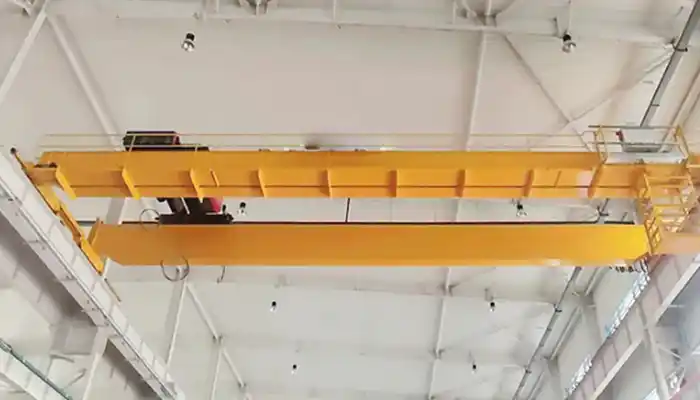
Overhead Crane Systems for Waste Management in Oil & Gas Industry
Introduction
In many industries, like oil and gas or nuclear, waste management facilities play a critical role in handling hazardous materials. These facilities are specifically designed to process, treat, and safely dispose of waste that poses risks to health, safety, and the environment. Contaminated materials, such as NORM (Naturally Occurring Radioactive Materials), hazardous sludge, and chemical waste, often require specialized handling and transport.
Overview of the Waste Management Facility
These environments aren't just about managing waste; they're about managing dangerous materials that can pose serious risks to workers and the environment. In such facilities, precise handling and transportation are key to maintaining safety and efficiency.
Importance of Effective Material Handling in Hazardous Environments
When dealing with hazardous materials, it's not just about lifting something heavy—it's about handling something potentially dangerous. Improper handling can lead to accidents, spills, or even contamination. In places like oil refineries, chemical plants, and nuclear facilities, a simple mistake can have severe consequences. That's why effective material handling is essential for not only keeping operations smooth but also for safeguarding employees, the environment, and the surrounding community.
For cranes, this means they need to be more than just strong. They must be reliable, accurate, and capable of working in harsh, potentially life-threatening conditions.
Need for Specialized Overhead Crane Solutions
Handling contaminated materials isn't like lifting a stack of crates or moving standard equipment. It comes with its own set of challenges. Contaminated pipes, radioactive materials, and hazardous sludge have specific lifting requirements. The cranes used in these situations need to handle heavy, sometimes irregularly shaped loads, and often operate in cramped, hazardous environments.
Challenges of Handling Contaminated Materials
- Variety of Waste Types: Not all hazardous materials are the same. Some are solid, others are liquids, and some, like contaminated pipes, have a strange shape. Each one requires different handling techniques.
- Heavy Loads: Materials like contaminated pipes or sludge containers can weigh a lot, putting pressure on crane systems to lift them safely.
- Risk of Exposure: Handling radioactive or chemical waste can expose workers to harmful substances. Cranes need to minimize human interaction with these materials to reduce health risks.
So, what's the solution? Specialized cranes that are designed for these specific tasks.
Role of Overhead Cranes in Improving Operational Efficiency, Safety, and Compliance
- Safety First: Overhead cranes can be designed to limit direct human contact with hazardous materials. With features like remote control and automated systems, cranes can do the heavy lifting while keeping workers at a safe distance.
- Improved Efficiency: A well-designed crane system speeds up operations. It can lift heavier loads, move them faster, and ensure smoother transitions through the facility, reducing bottlenecks and downtime.
- Compliance with Regulations: Safety standards in hazardous material handling are strict. Cranes in these environments are built with specific safety features like emergency stop systems, load limiters, and overload protection to meet these regulations and keep operations compliant.
Objective of the Case Study
This case study aims to show how overhead crane systems are customized to handle the unique demands of waste management facilities dealing with hazardous materials. By looking at real-world applications, we'll explore how cranes are not only built for strength but also for precision and safety in challenging environments. From moving contaminated pipes to handling sludge and decontaminated equipment, overhead cranes help ensure that the handling of hazardous materials is as safe and efficient as possible.
Through this case study, crane buyers in similar industries will gain insights into:
- The specific needs of handling hazardous materials.
- The types of cranes and safety features that work best in these environments.
- How specialized crane systems can boost operational efficiency while maintaining safety and compliance.
The Challenges of Handling Contaminated Materials
Complex Waste Types
Handling contaminated materials isn't a simple task. It involves dealing with a variety of waste types, each presenting its own set of challenges. Commonly encountered materials include:
- NORM (Naturally Occurring Radioactive Materials): These materials contain trace amounts of radioactive elements, often found in equipment like pipes and filters used in the oil and gas industry. Handling NORM requires precision and extreme care due to the potential exposure to harmful radiation.
- Contaminated Pipes: Pipes that have been exposed to hazardous chemicals, radioactive substances, or oil can become contaminated and pose a significant handling challenge. Their weight, size, and the risk of chemical exposure mean that special care is needed during transportation and storage.
- Sludge: Sludge, particularly in oil and gas waste management facilities, is often a mix of water, oil, and contaminants. It can be heavy, sticky, and challenging to handle without specialized equipment. Improper handling could lead to spills, which can be both dangerous and costly to clean up.
- Chemicals: Hazardous chemicals used in various industrial processes must be handled carefully, as they may be corrosive, flammable, or toxic. Some chemicals are also volatile and could pose explosive risks when mishandled.
Specific Challenges in Lifting, Transporting, and Storing These Materials
- Heavy and Irregular Shapes: Materials like contaminated pipes and sludge containers often come in varying sizes and weights, making it difficult for standard cranes to safely lift them. Custom lifting tools or attachments are often required to ensure safe handling.
- Risk of Spillage or Leakage: Sludge and certain chemicals are prone to leakage or spillage, which can result in environmental contamination or workplace accidents. Cranes must be equipped with features like secure gripping mechanisms to minimize these risks.
- Long-Term Storage Concerns: Many of these materials need to be stored for extended periods before they can be safely disposed of or treated. Specialized storage solutions are required, and cranes must be able to safely move these materials in and out of storage areas without causing exposure risks.
Environmental Risks and Hazards
The environment within waste management facilities dealing with hazardous materials poses many risks. These factors influence the design, performance, and safety requirements of overhead cranes used in these spaces.
- Exposure to Radiation: In facilities that handle radioactive materials (like NORM-contaminated equipment), radiation exposure is a serious concern. Workers must be kept at a safe distance from these materials, and cranes help by minimizing the need for manual labor near radiation sources. Specialized shielding and radiation-resistant materials must be incorporated into crane systems to mitigate risks.
- Chemical Exposure: Facilities dealing with hazardous chemicals face risks such as corrosive exposure, fumes, or even explosions. Cranes need to operate in environments where chemicals might come in contact with the equipment. This requires cranes to be made from corrosion-resistant materials and equipped with features that prevent sparks, especially in flammable areas.
- Extreme Temperatures: In some hazardous environments, such as those handling radioactive waste or chemicals, extreme temperatures may be a concern. Cranes must be designed to operate under these conditions without compromising their performance. Temperature-resistant materials and specialized cooling systems are often required.
How These Factors Impact Crane Safety and Operation
- Crane Design: The crane's design must ensure that it can handle these risks safely. For instance, cranes that are used in radioactive environments might require lead-lined hoist covers to block radiation exposure.
- Environmental Sealing: Cranes must be sealed tightly to prevent contaminants from entering internal components. This is especially important in environments where hazardous chemicals or radiation are present.
- Operational Adjustments: Cranes in such settings may be designed to operate remotely or automatically to minimize human exposure to dangerous materials. These cranes are often equipped with advanced control systems like radio remotes, safety sensors, and real-time monitoring systems.
Operational Needs for Precision and Safety
The operational requirements for cranes handling hazardous materials go far beyond basic lifting capacity. Precision, reliability, and safety are essential in these environments.
- Importance of Reliability and Accuracy: Cranes must be able to lift and position materials with great precision. Accuracy is especially crucial when moving hazardous or irregularly shaped loads, such as decontaminated pipes or hazardous sludge containers. Even a slight misstep in load handling could result in dangerous spills or material damage.
- Minimizing Downtime: In hazardous waste facilities, minimizing downtime is critical to ensure operational efficiency. If a crane is out of service, it could delay entire processes, impacting overall productivity. Reliable overhead cranes, with minimal maintenance needs and long-lasting performance, are a must for these facilities.
Required Crane Features for Hazardous Material Handling
- Load Limiters: Cranes must have load limiters to prevent overloading, which could lead to equipment failure or accidents. This is especially important when handling materials with unpredictable weights or densities.
- Emergency Stops and Safety Mechanisms: Overhead cranes used in hazardous environments are equipped with emergency stop buttons, limit switches, and safety brakes to halt operations if anything goes wrong. This ensures quick action can be taken if a load becomes unstable or if an operator faces an emergency.
- Remote Control and Automation: Cranes are often equipped with pendant controls or radio remotes to keep operators at a safe distance from hazardous materials. In some cases, cranes are fully automated, reducing the need for human intervention in high-risk environments.
- Robust Hoists and Travel Systems: The hoists and travel systems of the cranes need to be durable, able to handle the weight of contaminated materials, and capable of moving materials smoothly through the facility. Specialized hoist mechanisms, like electric chain hoists or customized grab tools, may be required.
These crane systems must be engineered with safety and precision at the forefront, providing reliable, automated solutions that keep both the operators and the environment safe.
Tailored Overhead Crane Solutions
Overhead cranes in hazardous waste management facilities need to be carefully designed and tailored to meet the unique challenges of handling contaminated materials. Below is an outline of the key components and features that make these crane systems effective and safe in such environments.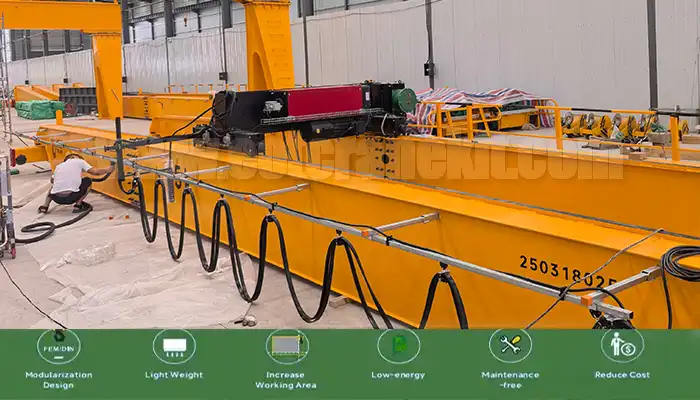 15 ton overhead crane with explosion proof design for safe material handling
Crane Specifications and Requirements
When it comes to overhead crane systems in waste management, specifications are crucial. Cranes must be equipped with the right features to handle heavy, hazardous materials while ensuring worker safety and operational efficiency.
Capacity & Type:
Cranes are designed with varying capacities, ranging from 2 tons to 10 tons, depending on the material's weight and handling requirements. Example: A monorail hoist may be used to lift equipment such as fire pumps with a capacity of 2 tons, whereas single or double girder cranes are used for larger materials like pipes or drums, often requiring capacities of up to 10 tons.
Lifting Height & Span:
Cranes are custom-built to provide the required coverage for the facility's layout. Example: Cranes in solidification plants or descaling workshops are designed to handle full building height, ensuring that tall containers or drums can be lifted safely and efficiently.
Power & Energy Requirements:
- Motor Specifications: Motors generally range from 3 kW to 15 kW, depending on the crane's lifting capacity and workload.
- Energy-Saving Features: Many systems now incorporate variable frequency drives (VFD) to reduce power consumption and optimize crane operation.
Key Features of the Overhead Cranes
Crane systems in hazardous environments must incorporate specific features to maximize safety, efficiency, and operational longevity. Below are the key crane systems used in these environments.
Monorail Hoist (Fire Pump Building):
- Compact & Efficient: This hoist is designed for space-constrained areas, allowing safe lifting of heavy fire pumps and maintenance equipment in hazardous zones.
- Safety Features: Equipped with load limiters and emergency stop functions to ensure safe operation in the fire protection pump building.
Single and Double Girder Cranes (Descaling Workshop/Solidification Plant):
- Heavy Duty Capacity: These cranes are capable of handling large contaminated pipes, drums, and other heavy materials that are often used in solidification or descaling processes.
- Large Span: The cranes are designed to cover extensive areas, moving materials safely across the facility.
- Full Building Height: These cranes provide full coverage for taller materials, such as pipes, ensuring no space is left uncovered.
Specialized Lifting Tools:
- Contaminated Pipe Lifting Tools: These attachments are designed specifically to lift contaminated pipes safely, even in radioactive environments. They help reduce the risk of exposure by securely gripping and moving hazardous materials.
- Sludge Handling Tools: Custom grabbers or bins are used to lift sludge, which may be sticky and difficult to handle without the right tools.
Customization for Safety and Efficiency
Safety and efficiency are top priorities in hazardous waste management. Here's how crane systems are customized to meet these needs.
Safety Features Integration:
- Load Limiters: Ensures that cranes are not overloaded, preventing damage to the equipment and reducing the risk of accidents.
- Limit Switches: These prevent the crane from traveling beyond safe boundaries, which helps avoid overtravel and swinging loads.
- Emergency Stops: Every crane is equipped with an emergency stop function that allows for immediate halting of crane movements in case of unexpected circumstances.
Control Systems for Safe Operation:
- Pendant Control: Operators use a pendant control system to keep a safe distance from the materials being lifted, ensuring their protection from hazardous substances.
- Radio Remote Controls: For even greater safety, some crane systems are operated remotely, allowing operators to control crane movements without being in close proximity to the potentially dangerous materials.
Tailored Lifting Attachments:
- Contaminated Material Handling: Specialized attachments like contaminated pipe lifting tools or sludge grabbers ensure that materials are lifted securely and without the risk of spilling or contaminating the area.
- Decontaminable Surfaces: Many lifting tools are designed with surfaces that can be decontaminated, ensuring that cranes and attachments can be reused in hazardous environments without cross-contamination.
These features help improve operational efficiency, minimize downtime, and reduce the risk of accidents. By tailoring cranes to meet specific needs, facilities can optimize their material handling processes while maintaining a high standard of safety and compliance.
Practical Recommendations for Crane Buyers
Selecting the right overhead crane or explosion proof cranes for handling hazardous materials in a waste management facility can be complex, but it is crucial for improving safety and operational efficiency. Here are some practical recommendations to guide crane buyers in making informed decisions.
How to Select the Right Crane for Hazardous Material Handling
When it comes to choosing the right crane for handling hazardous materials, there are a few critical factors to focus on.
Capacity: Choose a crane that can comfortably handle the maximum load you expect. Always account for potential overloading scenarios by factoring in a safety margin. For example, cranes for descaling workshops should be able to lift heavy contaminated pipes and materials, often requiring capacities ranging from 2 tons to 10 tons.
Safety Features: Safety is paramount when dealing with hazardous materials. Look for cranes with essential safety features:
- Load limiters to prevent overloads.
- Limit switches to stop crane movement at safe boundaries.
- Emergency stop controls for immediate halting in case of an emergency.
Consider cranes with pendant controls or radio remote controls for safer operation, allowing operators to maintain a safe distance from potentially harmful materials.
Crane Type: The type of crane needed will depend on the facility layout and the nature of the materials being handled. For example:
- Single or double girder cranes are ideal for heavy-duty operations such as lifting large pipes or drums in descaling or solidification plants.
- Monorail hoists may be suitable for more compact or confined spaces, such as fire pump buildings.
Material Handling Requirements: Understanding the specific types of materials handled—whether contaminated pipes, sludge, or chemicals—will guide you in selecting the appropriate crane with the right lifting attachments and specifications.
Durability and Long-Term Investment
Investing in robust, specialized cranes might come with a higher upfront cost, but it's a smart investment when considering the long-term benefits.
Why It Saves Money: Specialized cranes are built to handle demanding tasks in hazardous environments. They tend to require fewer repairs and are less likely to experience frequent breakdowns. Over time, this reduces your overall maintenance costs and downtime, leading to higher operational efficiency.
Examples of Durable Cranes:
- In industries like mining, nuclear waste management, and steel production, cranes designed for heavy-duty, hazardous environments have proven their durability. These cranes are often built with corrosion-resistant materials, high-strength steel, and specialized coatings to handle harsh chemicals and extreme temperatures.
- Example: Cranes in solidification plants and descaling workshops that can withstand high temperatures and corrosive materials, providing long service life without frequent need for replacements.
Cost Considerations
While the initial cost of an overhead crane is an important consideration, balancing this with long-term operational savings is key to making a wise investment.
Upfront Costs: Cranes designed for hazardous material handling tend to be more expensive than standard cranes due to the specialized features and higher safety standards required. However, the cost should be viewed as an investment in long-term efficiency and safety.
Long-Term Savings:
- Low Maintenance Costs: High-quality cranes designed for harsh environments are typically built to last and require less frequent repairs or maintenance.
- Energy Efficiency: Many modern cranes incorporate energy-efficient motors and variable frequency drives (VFDs), which can significantly reduce energy consumption over time.
- Safety Compliance: Investing in cranes with top-notch safety features can help you avoid costly accidents and legal complications that might arise from non-compliance with industry safety standards.
Addressing Specific Buyer Concerns
When considering overhead crane solutions for hazardous material handling, crane buyers often have specific concerns about operational efficiency, flexibility, and compliance with regulations. Here's a breakdown of these common concerns and how tailored crane systems can address them.
Reducing Downtime and Improving Workflow
Overhead cranes play a crucial role in minimizing downtime and improving workflow in hazardous waste management facilities. Here's how:
- Reducing Manual Labor: With cranes handling the heavy lifting, the need for manual labor is significantly reduced. This not only saves time but also lowers the risk of injuries associated with manual handling of hazardous materials. Workers can focus on more critical tasks, boosting overall productivity.
- Speeding Up Material Handling: Overhead cranes are designed for quick and efficient handling of materials. Whether it's contaminated pipes, sludge, or chemicals, cranes streamline the process, enabling faster movement of materials from one stage to the next.
- Reducing Downtime for Maintenance: Overhead cranes, especially those with advanced diagnostics and monitoring systems, can help predict maintenance needs before they lead to downtime. Cranes equipped with sensors can track wear and tear, alerting maintenance teams when parts need attention, thus avoiding unexpected failures and long repair periods.
Flexibility in Operations
Buyers often need cranes that are adaptable to varying operational needs and workstations. Here's how crane systems provide that flexibility:
- Mobile Cranes: Mobile floor jib cranes or mobile gantry cranes are designed for use across different locations within a facility. Their mobility allows them to be easily repositioned for various tasks, making them an ideal solution for facilities with limited space or multiple workstations.
- Remote-Controlled Cranes: Remote-controlled cranes provide operators with the ability to control movements from a safe distance. This is particularly useful when handling hazardous materials like contaminated pipes or chemicals. Remote control also allows operators to manage tasks in confined or high-risk spaces, improving safety.
- Adaptable Designs: Overhead cranes with adaptable features—such as adjustable spans, lifting heights, and specialized lifting attachments—make them versatile across different tasks. Whether it's lifting large drums in the solidification plant or smaller, more delicate equipment in the inspection area, these cranes can be customized to meet the needs of the facility at any given time.
Compliance with Safety and Regulatory Standards
Handling hazardous materials requires strict adherence to safety regulations. Overhead crane systems are built to comply with industry standards and ensure safe operations:
Regulatory Requirements for Hazardous Material Handling: Facilities dealing with materials like NORM (Naturally Occurring Radioactive Materials), chemicals, or contaminated waste are subject to strict safety regulations, including those for radiation exposure, chemical handling, and worker safety. Cranes used in these environments must comply with these regulations, which are often enforced by agencies like OSHA (Occupational Safety and Health Administration) and EPA (Environmental Protection Agency).
Crane Safety Features for Compliance: Overhead cranes in hazardous environments come equipped with several safety features to meet regulatory standards:
- Load Limiters: Prevent overloading, ensuring safe lifting capacities are not exceeded.
- Limit Switches: Automatically stop crane movements once a set limit is reached, preventing dangerous operations.
- Emergency Stops: Allow operators to immediately halt crane operation in emergency situations, minimizing risks.
- Radiation Safety Features: Cranes used in radioactive material handling are often equipped with special shielding or designed for remote operation, reducing operator exposure.
- Explosion-Proof Features: Cranes in chemical handling areas may include explosion-proof motors and systems that prevent ignition in hazardous, flammable environments.
Results and Impact
The implementation of tailored overhead crane systems in hazardous waste management facilities has yielded significant improvements across several key operational areas. Below, we explore the quantifiable outcomes as well as real-world feedback from users on the performance of these cranes.
Quantifiable Outcomes
Efficiency Gains: Time Saved on Material Handling and Processing
- Faster Material Handling: Overhead cranes designed for hazardous materials have significantly reduced the time spent on lifting and transporting materials. The streamlined processes have allowed operators to move materials such as contaminated pipes and sludge much quicker, resulting in faster workflows and higher throughput.
- Improved Throughput: With fewer bottlenecks in material handling, crane systems have enabled the facility to handle larger quantities of hazardous waste in a shorter time frame. This has translated to improved operational capacity without requiring additional labor or equipment.
Safety Improvements: Reduction in Accidents and Safety Violations
- Fewer Accidents: The introduction of overhead cranes equipped with safety features such as load limiters, emergency stops, and remote controls has dramatically reduced the number of accidents involving hazardous materials. Operators are able to control the crane systems from a safe distance, minimizing their exposure to dangerous substances.
- Compliance with Safety Standards: Compliance with industry regulations has improved significantly. Overhead cranes equipped with features like radiation shields and explosion-proof motors ensure adherence to stringent safety protocols, further reducing safety violations and the risk of contamination.
Operational Efficiency: How Crane Systems Improved Throughput and Reduced Manual Labor
- Reduced Manual Labor: By taking over physically demanding tasks such as lifting heavy contaminated pipes and sludge containers, cranes have freed up human labor for more strategic roles. This not only reduces the physical strain on workers but also improves overall workforce productivity.
- Improved Workflow: Overhead cranes with remote controls and automated features ensure smoother, more predictable workflows. Workers no longer need to manually handle large and dangerous materials, which results in fewer errors and smoother transitions between operational stages.
User Testimonials and Feedback
Real Feedback from Users About the Performance of Cranes in Hazardous Environments
- Operator Testimonials: Crane operators have praised the reliability and ease of use of the crane systems. One operator commented, "The cranes have made our job so much safer and easier. We no longer need to manually lift heavy pipes, and we can work in areas that were previously too dangerous."
- Maintenance Team Insights: Maintenance teams also provided positive feedback, noting that the predictive maintenance capabilities of the cranes have minimized unplanned downtime. "We've seen fewer breakdowns since the new cranes were installed. The monitoring systems alert us before anything goes wrong, and we can schedule repairs during downtime, avoiding costly delays."
Examples of Operational Improvements and Safety Benefits Reported by Crane Operators and Maintenance Teams
- Faster Response Times: Crane operators report that they can now move contaminated materials from one workstation to another with minimal delay. "The cranes are quick and reliable, which has sped up everything from handling NORM pipes to moving sludge containers in the treatment area."
- Enhanced Worker Safety: Operators working in areas with high radiation exposure or chemical risks feel safer due to the cranes' remote-controlled operations. One operator highlighted, "The ability to operate the crane remotely has been a game-changer for us. It's safer for everyone, and we don't have to worry about exposure anymore."
Summary of Key Points
Overhead crane systems have proven to be a critical asset in hazardous waste management facilities. These cranes are not only designed to handle the heavy lifting requirements but also provide the essential features needed to operate safely in environments dealing with contaminated materials.
- Specialized Crane Solutions: Whether it's handling NORM (Naturally Occurring Radioactive Materials), contaminated pipes, sludge, or chemicals, overhead cranes equipped with advanced safety features such as load limiters, remote controls, and emergency stops ensure safe handling of hazardous materials.
- Efficiency and Safety: With the proper crane systems in place, operations are significantly more efficient. Cranes reduce manual labor, speed up material handling, and, most importantly, minimize workers' exposure to dangerous materials. Safety, compliance, and operational efficiency are all enhanced by using tailored cranes specifically designed for such demanding environments.
Article by Bella ,who has been in the hoist and crane field since 2016. Bella provides overhead crane & gantry crane consultation services for clients who need a customized overhead travelling crane solution.Contact her to get free consultation.