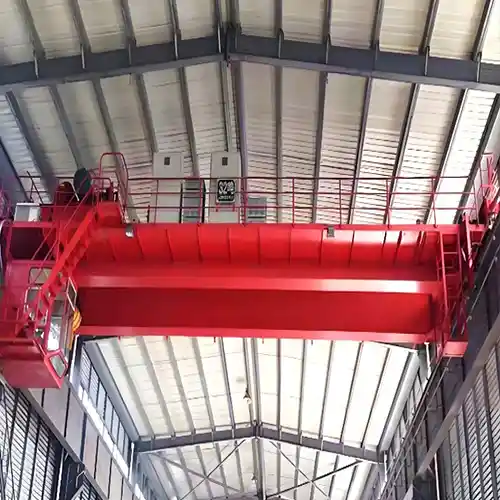
Indoor Crane: How Your Workspace Affects Indoor Overhead Crane Price
Indoor overhead crane pricing- Discover how workspace factors like ceiling height and layout influence indoor crane pricing and overall cost efficiency.
| Application | Material handling, lifting, positioning, assembly, maintenance, loading/unloading, |
| Certifications | CE / ISO / SGS / Other third-party inspection |
| Customization | Customized material handling cranes solutions available for indoor, outdoor, hazardous, corrosive, cleanroom, and heavy-duty industrial applications. |
Crane Manufacturer: Yuantai Cranes – 30+ Years Professional Crane Manufacturer from China
Category: Overhead Crane Prices
Tags: indoorcrane
Your Trusted Indoor Crane Manufacturer & Supplier
Indoor Crane Pricing : How Your Workspace Affects Indoor Overhead Crane Price
Indoor overhead crane pricing- Discover how workspace factors like ceiling height and layout influence indoor crane pricing and overall cost efficiency.
Indoor crane pricing can be influenced by several factors, and your workspace is one of the most important. The price of a crane isn’t just about the equipment itself. It’s also about the environment it will operate in.
A few key factors affect crane prices, including:
- Crane type (e.g., overhead cranes, gantry cranes)
- Load capacity and lifting height
- Span and the size of your workspace
- Special features and customizations
But the biggest factor for pricing? The workspace. The way your building is designed, its layout, ceiling height, and floor strength can all impact the cost of a crane.
The Basics of Indoor Crane Pricing
What are Indoor Cranes? Indoor cranes are lifting machines designed for use in factories, warehouses, and other indoor environments. They are used to move heavy materials, machinery, or goods within a confined space. These cranes are built to work safely and efficiently in enclosed areas, often with limited space.
General Pricing Ranges for Different Types of Indoor Cranes
The price of an indoor crane can vary significantly based on its type and features. Here’s a general idea of what you might expect:
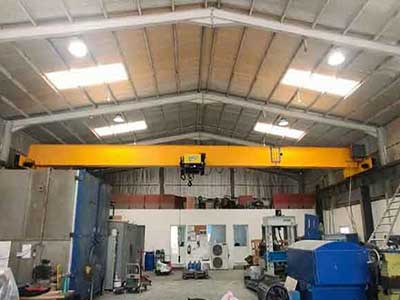
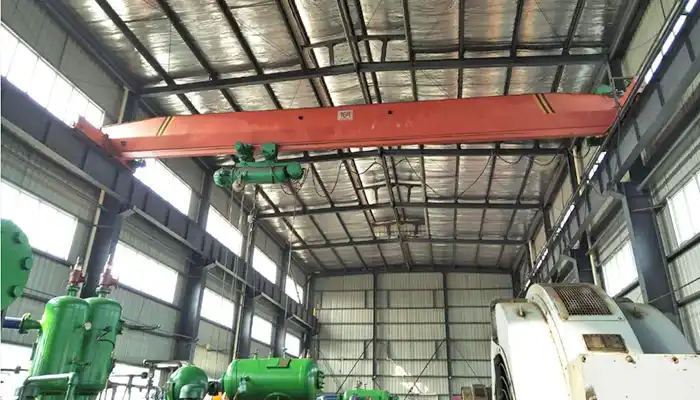
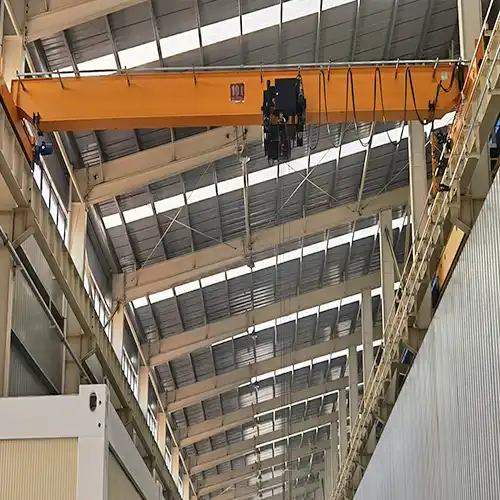
Single Girder Indoor Overhead Cranes , click to learn more on overhead crane price range
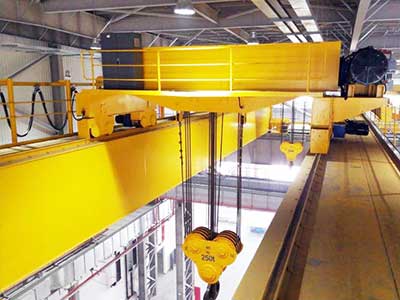
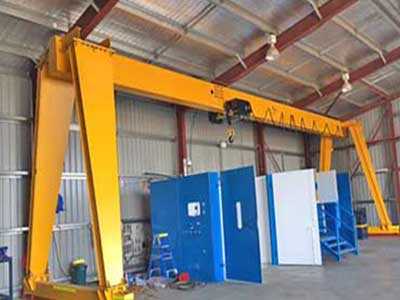
Indoor Gantry Cranes, click to leanr more gantry crane price
- Single Girder Indoor Overhead Cranes: These are ideal for lighter-duty tasks. Prices typically range from $10,000 to $30,000.
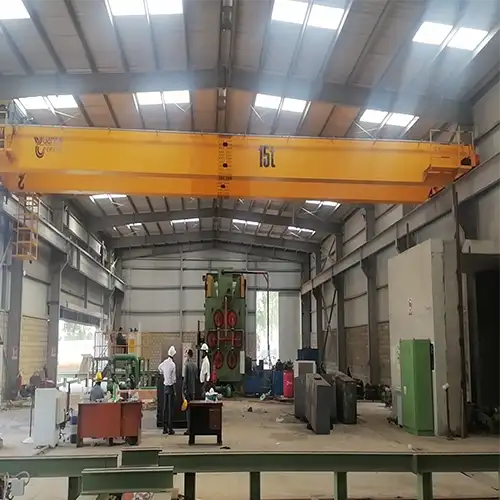
- Double Girder Indoor Overhead Cranes: Used for heavier loads and higher lifts. Expect prices to range from $30,000 to $70,000.
- Indoor Gantry Cranes: These can be more expensive due to their structure and mobility. Prices can range from $15,000 to $100,000 or more, depending on size and capacity.
Factors That Affect Indoor Crane Costs
Several factors influence the final price of an indoor crane:
- Crane Type: The type of crane you need (overhead, gantry, etc.) will affect cost. Overhead cranes, for example, are usually cheaper than gantry cranes because they are more commonly used in indoor settings with limited space.
- Load Capacity: The heavier the load a crane can lift, the more expensive it will be. Cranes with a higher load capacity require more advanced components and materials to ensure safe operation.
- Span and Lift Height: The span (how wide the crane can cover) and the lift height (how high it can raise the load) are also important factors. A crane designed for wider spaces or higher lifts will cost more due to the increased size and engineering involved.
Each of these factors plays a role in determining the total cost of an indoor crane. Understanding how they affect pricing can help you make a better decision based on your workspace needs.
Workspace Considerations That Affect Crane Pricing
When choosing an indoor crane, your workspace has a major influence on the final price. The layout, ceiling height, obstructions, and flooring all affect how much the crane will cost and how it is designed.
Ceiling Height: Impact on Crane Design and Cost
- Low Ceilings: For spaces with low ceilings, a compact crane is needed. A single girder crane is ideal here since it takes up less space and is more affordable. However, it has limitations in load capacity and lift height.
- High Ceilings: With higher ceilings, you have more flexibility. A double girder crane can handle heavier loads and higher lifts, but this comes with a higher price tag due to its larger design and extra features.
Solution for Low-Ceiling Environments:
In workshops with limited ceiling height, a single girder crane or a monorail system can provide a solution without taking up too much space.
Building Size and Layout: Narrow vs. Expansive Spaces
- Narrow Spaces: In cramped areas, cranes need to be compact. A single girder crane or monorail system can be ideal for narrow workspaces. These options are designed for tight areas but may cost more to customize.
- Expansive Spaces: Larger spaces require cranes with a wider span and higher lifting capacities. A double girder crane is often the best choice here, but it is more expensive due to its size.
Customization for Unusual Layouts:
If your building has an unconventional layout, you might need to customize the crane. Options include adjusting the span, increasing lift height, or adding curved tracks to fit around obstacles.
Obstructions: Beams, Columns, and Other Workspace Challenges
Workspaces often have beams, columns, or other structures that can interfere with crane operations. These obstacles might require adjustments to the crane design.
- Beams and Columns: If there are beams or columns in the way, you may need to modify the crane’s path or structure. This could involve custom supports or reduced headroom cranes.
- Other Obstacles: Other structures, such as lights or ducts, may need to be accounted for. Crane designs may need to be adjusted to navigate these obstacles.
Overcoming Limitations:
Custom tracks or specialized crane designs can help navigate around these obstructions. For example, a rail-mounted crane might be the best solution for areas with structural limitations.
Floor Strength: How Flooring Affects Crane Choice
The strength of your floor is critical in determining which crane you can use. Cranes place significant stress on floors, so ensuring the floor is strong enough is essential.
- Reinforced Floors: For heavy-duty cranes, a reinforced floor is necessary to bear the weight and prevent damage. If your workspace needs heavy lifting, make sure the foundation can handle it.
- Standard Floors: If the floor is not reinforced, you may need to limit the crane’s load capacity or consider reinforcing the floor to support the crane.
Engineering Considerations for Heavy-Duty Cranes:
For environments that require heavy-duty cranes, the floor will likely need reinforcement. This may include strengthening the foundation or conducting structural assessments, which can add extra costs.
By understanding how these workspace factors impact crane pricing, you’ll be able to choose the best crane for your environment, balancing performance, space requirements, and budget.
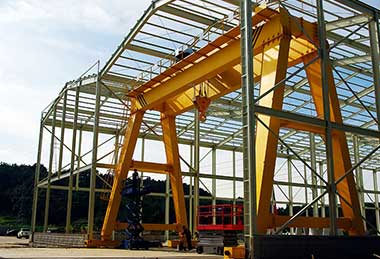
Floor rail travelling gantry crane
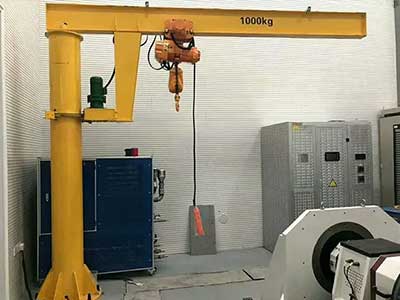
Floor mounted pillar jib crane for limited space workshop, click to learn more jib crane price
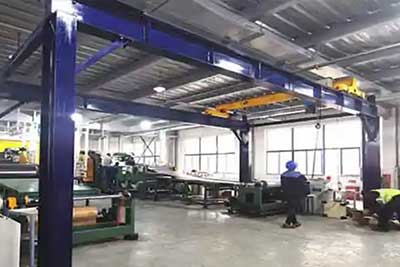
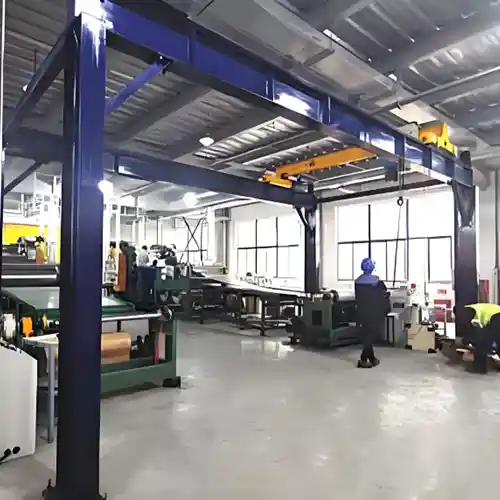
Free standing overhead bridge crane for indoor material handling
Types of Indoor Cranes for Different Workspaces
Choosing the right type of indoor crane depends on your workspace’s specific needs, such as ceiling height, load capacity, and space configuration. Here’s a look at three common types of indoor cranes:
Single Girder Cranes: Ideal for Low Ceiling, Light-Duty Operations
Cost Considerations and Benefits:
- Affordable: Single girder cranes are a cost-effective option for light-duty tasks. They are typically priced lower compared to double girder cranes, making them a great choice for businesses on a budget.
- Space Efficient: These cranes require less vertical space, making them ideal for low ceiling environments. They are compact and operate smoothly in narrow spaces.
- Light Duty: Designed for lighter lifting tasks, these cranes are perfect for workshops or warehouses that handle moderate loads and don’t require extensive reach or lift height.
Benefits:
- Lower purchase and installation cost
- Suitable for smaller operations or light-duty tasks
- Efficient in tight spaces with low ceilings
Double Girder Cranes: Best Suited for High Ceilings and Heavy-Duty Applications
Pricing Breakdown Based on Workspace Size and Load:
- Higher Cost: Double girder cranes are more expensive due to their design, which allows for higher load capacity and greater lift height. The price typically ranges from $30,000 to $70,000 or more, depending on the specifications.
- For Larger Workspaces: These cranes are best suited for high-ceiling environments or larger factories where heavy lifting is required. They offer a greater span, increased capacity, and can cover wider work areas.
- Heavy-Duty Performance: If your workspace involves lifting heavy materials, double girder cranes are the ideal choice. Their robust design supports higher capacities and extended reach.
Pricing Factors:
- Load capacity: Higher capacities will increase the price.
- Ceiling height and span: Larger spaces require bigger, more powerful cranes.
- Installation complexity: More complex setups can add to costs.
Benefits:
- Greater lifting capacity
- High reach and span for large, open spaces
- More durable for heavy-duty operations
Specialized Cranes: Custom Solutions for Unique Workspaces
Pricing Factors for Highly Specialized Cranes:
- Tailored to Specific Needs: Specialized cranes, such as explosion-proof or clean room cranes, are designed for unique environments where standard cranes wouldn’t be suitable.
- Custom Engineering: These cranes often require custom engineering and materials to meet specific safety or environmental standards. As a result, they can be much more expensive than standard cranes.
- Specific Applications: For example, explosion-proof cranes are built for environments with flammable materials, while clean room cranes are used in sterile environments like pharmaceutical manufacturing.
Pricing Considerations:
- Custom design and engineering costs
- Special materials or components for safety
- Compliance with industry regulations (e.g., explosion-proof certifications, cleanroom standards)
Benefits:
- Perfect for unique or hazardous environments
- Tailored design to meet specific industry requirements
- Increased safety and compliance with regulations
Each type of crane comes with its own set of benefits and pricing considerations. By understanding your workspace's needs, you can select the right crane that offers the best balance of cost, performance, and safety.
Impact of Automation and Technology
The integration of automation and advanced technology into indoor cranes is changing how they operate, and this shift can significantly influence pricing. Let’s look at how these modern features impact crane costs and why they matter based on your workspace needs.
How Advanced Features Influence Pricing
- Remote Control: Cranes with remote control capabilities allow operators to control movements from a distance, which improves safety and efficiency. However, the technology adds to the overall cost. Remote-controlled cranes can cost more due to the added electronics, wireless systems, and integration with the crane's existing systems.
- Automated Lifting Systems: Automated systems can be used to perform repetitive tasks without manual intervention. These systems use sensors, programmable logic controllers (PLCs), and advanced software to automate lifting operations. The benefit is a significant increase in productivity, but the upfront cost is higher. Automation also requires more complex installation and maintenance, increasing long-term costs.
- Load Monitoring Systems: Cranes with load monitoring systems can detect and manage the weight being lifted, helping to avoid overloads and improve safety. This feature, while valuable for heavy-duty operations, can increase the initial cost and may require additional components for integration.
- Collision Detection and Avoidance: For cranes operating in congested or tight spaces, collision detection sensors help prevent accidents. These features can raise the price but are often essential for high-risk environments.
Overall Impact on Cost: Integrating these advanced features generally results in a higher price due to the added complexity and technology involved. However, for businesses that prioritize efficiency, safety, or automation, these features can offer long-term savings by reducing the need for manual labor and minimizing downtime due to accidents or errors.
The Effect of Integrating Advanced Technology Based on Workspace Requirements
The type of workspace you have will determine which advanced features are necessary and how much you’ll pay for them.
- Small or Low-Ceiling Workspaces: In smaller or confined environments, you might not need all the advanced automation features. A basic crane with remote control might be sufficient, which could keep costs lower.
- Large, High-Ceiling Workspaces: For bigger spaces with high lifting requirements, automated lifting systems and load monitoring systems can greatly improve efficiency and safety. These features are especially useful when cranes need to perform repetitive, heavy-lifting tasks without constant manual operation. In such environments, the investment in automation may offer a quick return in productivity.
- Hazardous or Sensitive Environments: If your workspace involves hazardous materials (e.g., chemicals, flammable goods) or delicate operations (e.g., pharmaceuticals), advanced safety features like explosion-proof systems or cleanroom integration may be necessary. This will increase the price, but it's crucial for compliance with industry regulations and ensuring a safe work environment.
- Precision and Customization Needs: In some industries, such as aerospace or automotive, precise control over lifting operations is vital. Automated systems that can deliver accuracy and repeatability will be more expensive but necessary for such environments. These systems might also include advanced tracking or reporting features to meet regulatory requirements.
Balancing Technology with Workspace Needs
Ultimately, the choice of automation and advanced technology features depends on your workspace’s specific demands. The cost of these features must be weighed against the benefits they bring, such as:
- Increased productivity
- Improved safety
- Reduced labor costs
- Better compliance with industry standards
By selecting the right technology for your workspace, you can find the perfect balance between cost and functionality.
Additional Costs to Consider
When purchasing an indoor crane, it’s important to consider more than just the initial price of the equipment. Several additional costs can impact the total investment. These costs often depend on the specific characteristics of your workspace and its unique requirements.
Installation and Setup Costs Based on Workspace Challenges
- Complex Setup: If your workspace has unusual features (like low ceilings, narrow aisles, or structural obstructions), the installation process may be more complicated. Cranes might need custom tracks, specialized supports, or modified components to ensure proper operation. This adds extra installation costs.
- Space Constraints: In tight spaces, installation could require additional labor or equipment to handle the crane safely. For example, if a crane has to be installed in a high-ceiling area, the cost of lifting and positioning it will be higher.
- Electrical Setup and Integration: If you're integrating advanced features like automation, remote control, or load monitoring systems, these will require specialized electrical setup and integration. These systems can increase the complexity and cost of installation.
Installation Costs Breakdown:
- Custom crane configurations for specific workspace needs
- Additional labor for installation in hard-to-reach areas
- Electrical integration of advanced features
- Structural modifications (e.g., reinforcing floors or beams)
Maintenance and Repair Costs Influenced by the Workspace Design
The design of your workspace can affect how easy it is to maintain and repair your crane, and this can lead to ongoing costs.
- Dusty or Harsh Environments: Workspaces that have a lot of dust, dirt, or corrosive elements will require cranes with protective coatings or seals. These extra features increase the upfront cost but also reduce the need for frequent repairs.
- Wear and Tear in Tight Spaces: Cranes used in narrow or congested spaces may experience more wear and tear due to constant maneuvering. This can lead to higher repair costs over time. In such environments, investing in durable components or more robust crane designs may lower long-term maintenance costs.
- High Usage Rates: If the crane is used for heavy-duty tasks or operates frequently, you’ll need to budget for more regular maintenance, including checks on lifting mechanisms, cables, and electrical systems. Additionally, the more advanced the crane (e.g., automated systems), the more maintenance it will need to keep running efficiently.
Maintenance Costs Considerations:
- Frequency and intensity of crane use
- Environmental factors (dust, moisture, chemicals)
- Custom maintenance plans for specialized or automated cranes
- Regular inspections and repairs for wear and tear
Safety Features and Their Impact on Pricing in Specific Environments
Certain environments require additional safety features to comply with industry regulations or ensure operator safety. These features can add to the initial price of the crane, but they are essential for minimizing risks and accidents.
- Explosion-Proof Cranes: In environments with flammable materials, explosion-proof cranes are needed. These cranes use specialized components that prevent sparks or overheating, but they are much more expensive than standard cranes due to the extra safety measures.
- Overload Protection Systems: Cranes with overload protection systems help prevent lifting more than the crane can handle. These systems are crucial in heavy-duty environments and can add to the price, but they also protect both the crane and the materials being lifted.
- Emergency Stop and Safety Systems: Cranes often come with built-in emergency stop buttons and other safety measures to protect operators in case of a malfunction. The more advanced these systems are, the higher the crane’s cost.
- Operator Training and Compliance: Depending on the type of crane and the hazards present in your workspace, you may need to budget for operator training. Proper training ensures safety and compliance with regulations but adds to ongoing costs.
Safety Features Impact on Pricing:
- Additional safety systems (e.g., overload protection, emergency stops)
- Explosion-proof or chemical-resistant features for hazardous environments
- Operator training programs to meet compliance standards
- Regulatory compliance for specific industries (e.g., pharmaceutical, aerospace)
Beyond the base price of the crane, additional costs like installation, maintenance, and safety features can have a significant impact on your overall investment. Understanding these costs in the context of your specific workspace challenges will help you make an informed decision and ensure the crane you choose is not only suitable but also cost-efficient in the long run.
Case Studies and Examples
Understanding how workspace factors influence crane pricing is best illustrated through real-world examples. Let’s explore some case studies where workspace directly affected crane costs and how customization based on these needs ultimately saved money in the long run.
Case Study 1: Low-Ceiling Workshop with Limited Space
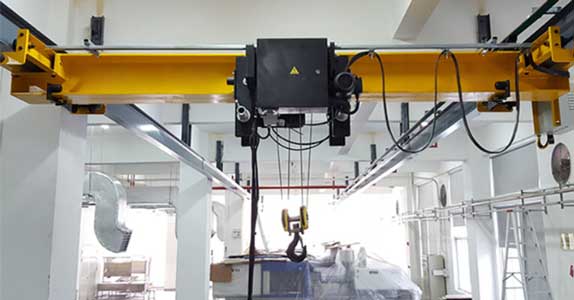
Workspace Challenge:
A manufacturing facility with low ceilings and narrow aisles needed to install an indoor crane for light-duty operations. Due to the limited vertical space, the facility initially considered a double girder crane, which is more expensive due to its size and load capacity.
Solution:
After assessing the available space, the facility opted for a low headroom crane, which required less headroom. It was a more compact design that was perfect for the low-ceiling environment. The crane's simple design and smaller size made it an affordable choice, and the installation was much less complicated than it would have been with a double girder system.
Cost Savings:
- The total crane cost was significantly lower due to the simpler design.
- Installation was quicker, reducing downtime and labor costs.
- The facility could still meet its production needs with a lighter-duty crane, making the solution cost-efficient.
Long-Term Savings:
- The single girder crane’s maintenance costs were lower, as it required fewer components and less power to operate.
- The customized crane design, tailored for the limited space, ensured smooth operations without having to deal with frequent repairs or modifications.
Case Study 2: Large Warehouse with High Ceilings and Heavy-Duty Needs
Workspace Challenge:
A large warehouse with high ceilings and the need for lifting heavy materials required a crane capable of handling high capacities and extended reach. The initial consideration was for a single girder crane, but the capacity requirements and the expansive nature of the space made this option unsuitable.
Solution:
The warehouse chose a double girder crane that could lift heavy loads and span wide areas. The crane's higher cost was justified by the need for greater load capacity and reach. Customization included ensuring the crane could cover a wide area of the warehouse while also handling varying load sizes.
Cost Impact:
- Although the initial cost was higher, the ability to lift heavier loads without overloading the crane saved money in the long run.
- The double girder design also allowed for smoother, more efficient operation across the large space, reducing the need for additional cranes or equipment.
Long-Term Savings:
- Reduced labor costs as the crane could lift larger loads in fewer cycles.
- Fewer breakdowns and less maintenance because the crane’s design was built to handle the high demands of the environment.
- No need for additional equipment like forklifts, which would have added more costs and maintenance.
Case Study 3: Specialized Crane for Hazardous Environment
Workspace Challenge:
A chemical processing plant required an explosion-proof crane to handle hazardous materials in a volatile environment. The plant's workspace posed additional challenges, such as confined areas and the need for specialized features to ensure safety.
Solution:
The plant opted for a custom explosion-proof crane, designed with materials and components that could prevent sparks and overheating in the presence of flammable substances. The crane also included safety features like overload protection and a remote control system to keep operators at a safe distance from potential hazards.
Cost Impact:
- The explosion-proof crane was considerably more expensive than standard models due to its specialized design and components.
- However, by selecting a customized crane, the plant was able to meet safety regulations without needing to install additional safety measures elsewhere in the plant.
Long-Term Savings:
- The plant avoided fines and penalties from non-compliance with safety regulations.
- Operator safety was improved, reducing the risk of accidents and the associated costs of injuries or downtime.
- Maintenance costs were lower as the crane’s specialized components were designed to withstand harsh environments, reducing the frequency of repairs.
Case Study 4: Tight-Space Warehouse with Multiple Obstructions
Workspace Challenge:
A warehouse had narrow aisles and numerous beams and columns throughout the space. Installing a standard crane was not an option due to the physical obstructions and limited maneuvering room.
Solution:
The warehouse chose a monorail crane system with custom tracks designed to navigate the obstacles. The crane’s compact design and ability to operate along curved paths meant that it could work around beams and columns without affecting performance. Additionally, the crane was equipped with advanced collision sensors to prevent damage to nearby structures.
Cost Impact:
- Although the custom crane system was more expensive than a standard one, the ability to navigate the tight space meant that the warehouse could fully utilize its available area without sacrificing performance.
- The collision detection system added safety, reducing the chance of damage to the crane or warehouse structure.
Long-Term Savings:
- Reduced damage to the crane and infrastructure due to the collision prevention system.
- The custom monorail system allowed for smooth operations in a challenging environment, increasing productivity.
- The crane’s ability to move around obstacles without additional modifications or expensive alterations to the building saved money in the long run.
These case studies illustrate how workspace-specific factors—such as ceiling height, available space, load requirements, and environmental conditions—directly influence crane pricing. By customizing crane solutions based on the unique challenges of each workspace, businesses can save on both initial and long-term costs. Whether through choosing a more suitable crane type, integrating automation, or opting for specialized safety features, understanding workspace needs can help optimize both the purchase and operational costs of indoor cranes.
Conclusion
In conlusion , we've explored how workspace factors—such as ceiling height, building size, obstructions, and load requirements—play a critical role in determining the price of indoor cranes. By considering these workspace challenges, buyers can make informed decisions about which type of crane is most suitable and cost-effective for their needs.
Recap of How Workspace Affects Crane Pricing
- Ceiling Height: Low ceilings often require smaller, more compact cranes, which are typically less expensive. High ceilings, on the other hand, require larger, heavier-duty cranes that are priced higher.
- Workspace Size and Layout: Narrow spaces or layouts with obstructions (like columns or beams) may require customized cranes, which can increase costs. On the other hand, spacious environments allow for more flexible crane configurations.
- Load and Duty Requirements: The weight and frequency of loads determine the crane’s type and capacity. Heavy-duty cranes and those with high lift capacities come with higher price tags.
- Technology and Automation: Features like automation, remote control, and safety systems add to the initial cost but offer long-term efficiency and safety benefits.
Final Tips for Buyers When Considering Crane Purchases
- Assess Your Workspace Thoroughly: Carefully measure your ceiling height, available space, and load needs. The more accurately you define these factors, the easier it will be to select the right crane.
- Consider Long-Term Costs: Think about the total cost of ownership, including installation, maintenance, and energy usage. Sometimes, a higher upfront cost can save money over time.
- Evaluate Your Workflow Needs: If automation or advanced safety features are necessary for your workspace, factor these features into your decision-making. They may cost more initially but can greatly improve efficiency and safety.
Importance of Consulting with Manufacturers for Customized Pricing
Every workspace is unique, and a one-size-fits-all crane solution is rare. Consulting with crane manufacturers is essential for getting a customized solution that suits your specific requirements. Manufacturers can offer insights into the best crane type, configuration, and features based on your workspace needs. They can also provide precise cost estimates, including installation and customization options, helping you make the most cost-effective decision for your operation.
By working closely with manufacturers and considering all the factors we’ve discussed, you’ll be able to select a crane that not only meets your needs but also offers the best value for your investment.

Free consultation to Confirm Parameters & Specifications and Get
Latest Crane Price & Crane Rate.
- Types of overhead cranes : _______?
- Optional: Overhead travelling crane, goliath gantry crane,Slewing jib crane, Single girder or double girder crane,small portable crane or kbk crane, etc.
- Capacity of overhead crane: _______?
- Optional: 0.25ton, 0.5 ton, 1 ton, 2 ton, 3ton, 5 ton, 10 ton,15ton, 20ton, 25 ton, 30ton,35ton, up to 550ton, etc.
- Crane span & lifting height : _______?
- Crane travelling length : _____?
- Control of overhead crane:_______?
- Optional: pendant/ remote/cabin control
- Voltage supply of overhead crane:_____?
- Eg,: 380V50/60HZ,3Phase or others,etc.
- Application/usage of crane:_______?
- Eg,: Steel mill, ,injection mold, cement,stone, concrete,granite, general manufacturing, etc.
Just leave a message via the contact form and our hoist and crane engineer will contact you with in 24working hours.
Get In Touch