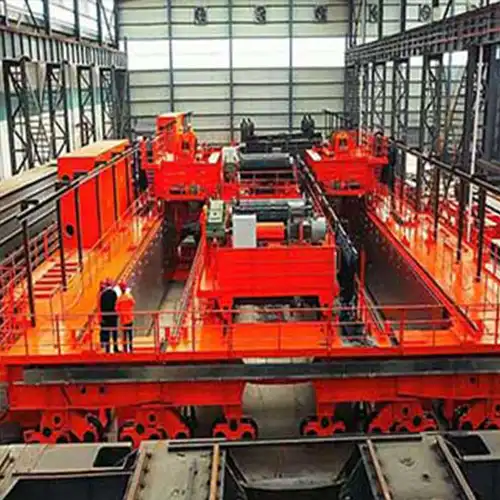
Continuous Casting Cranes 5 - 320 Ton: Indian Steel Buyer’s Guide
Learn how to select heavy-duty continuous casting cranes for Indian steel expansion projects. Focus on CCM synchronization, speed control, and reliability
| Crane Type | Continuous Casting Crane / CCM Process Crane: Heavy-Duty Double Girder Overhead Crane for ladle and tundish handling; Working Duty: ISO A5–A7 / M6–M7 for frequent heavy-load operations; Power Supply: 380/400/415/440/480V, 3 Ph, 50/60Hz |
| Crane Capacity | 5–320 ton; selected according to ladle/tundish weight, lifting attachment, load configuration, duty and complete lifting requirements |
| Span Length | 10–35 m+ typical; project-specific according to casting bay width, runway arrangement and CCM layout |
| Lifting Height | 8–30 m+ typical; project-specific according to handling route, plant clearance and casting-line layout |
| Coverage Area Type | Steelmaking shops, continuous casting bays, ladle transfer zones, tundish areas, casting lines and maintenance zones |
| Application | Continuous casting, ladle and tundish handling, molten steel transfer, casting-line servicing and steelmaking |
| Certifications | CE / ISO / SGS / Other third-party inspection |
| Customization | Process: Ladle / Tundish Handling / Casting Transfer · Synchronization: CCM Integration / Positioning / Interlocking · Load Handling: Main / Auxiliary Hook / Dual-Hoist · Environment: High Temperature / Radiant Heat / Dust / Humidity · Special: Anti-Sway |
Crane Manufacturer: Yuantai Cranes – 30+ Years Professional Crane Manufacturer from China
Category: India
Tags: India
Your Trusted Overhead Crane Manufacturer & Supplier
Continuous Casting Cranes for Indian Steel Expansion Projects
Buyer's Guide for Heavy-Duty CCM Operations
Most Important Takeaway:
Choosing the right continuous casting crane (CC crane) for Indian steel expansion projects is less about lifting capacity and more about synchronization with CCM, precise speed control, and heavy-duty reliability. A properly engineered crane ensures smooth production, reduced downtime, and long-term operational efficiency—critical in India's growing steel sector.
Key Takeaways for Buyers:
- Synchronization Matters: Cranes must move in perfect harmony with the continuous casting machine to prevent steel defects and production stoppages.
- Speed Control Is Critical: Variable-speed or dual-speed cranes minimize mechanical stress and protect heavy ladles during transfers.
- Heavy-Duty Reliability: Duty class M6–M7 cranes with robust hoists, brakes, and wire ropes are essential for high-frequency, heavy-load operations.
- Local Adaptation Saves Costs: Cranes designed to handle Indian power fluctuations and maintenance realities reduce downtime and service dependency.
- Long-Term ROI: A slightly higher upfront investment in a durable, well-supported crane pays off in decades of reliable production.
Questions Solved in This Guide:
- How do I ensure my CC crane moves in sync with the continuous casting machine?
- Which speed control systems are best for heavy ladle transfers in Indian steel plants?
- What duty classification is suitable for Indian steel expansion projects?
- How do I minimize downtime and maintenance costs in high-volume operations?
- What should I look for in local support and after-sales service for CC cranes in India?
Introduction – Why Indian Steel Buyers Must Choose Wisely
Indian steel plants are going through a period of rapid growth. Both domestic demand and export opportunities are pushing mills to expand their production lines. In this environment, continuous casting cranes (CC cranes) play a critical role. They are not just lifting machines—they move ladles and tundishes along the casting line, ensuring that molten steel reaches its destination smoothly and safely.
A crane that is not built for the specific conditions of your plant can create problems fast. Unplanned downtime, early wear of brakes and gearboxes, and production delays are all too common when the right specifications are ignored. In high-volume Indian steel plants, even a few hours of stoppage can translate into significant losses.
Practical Indian business insight: "Invest in reliability today to avoid expensive stoppages tomorrow."
When selecting a continuous casting crane, buyers should consider factors beyond lifting capacity. It's about how well the crane handles the load, speed, and environment of your plant. Key considerations include:
- Synchronization with the continuous casting machine (CCM): Proper coordination prevents defects in the steel and ensures smooth production.
- Heavy-duty design: High-frequency operations require cranes that can handle repeated heavy loads without excessive wear.
- Speed control and precision: Smooth acceleration and deceleration reduce stress on equipment and improve safety.
- Local operational conditions: Power supply fluctuations, workshop layout, and maintenance capabilities all affect crane performance.
In India, steel buyers are practical. They want cranes that work consistently, are easy to maintain, and deliver long-term value. Selecting the right crane is not just a technical decision—it's a business decision that affects plant efficiency, safety, and profitability.

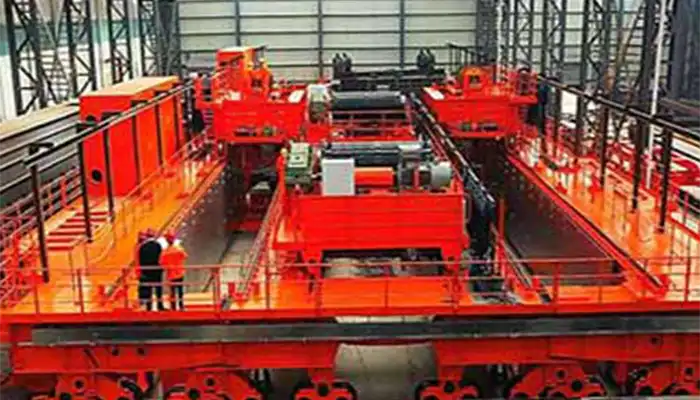
Core Technical Considerations
CCM Synchronization – Keep Your Production Smooth
Continuous casting cranes (CC cranes) must move in sync with the continuous casting machine (CCM). Even a small mismatch can cause steel surface defects, misaligned ladles, or production stoppages. In busy Indian steel plants, that can mean lost hours and wasted material.
Modern cranes often come with PLC-based or smart automation systems, which help them communicate with the CCM. This ensures:
- Ladles and tundishes are positioned accurately.
- Crane movements match the casting speed perfectly.
- Less stress on the crane and casting line, which reduces wear and maintenance.
Tip for Indian buyers: A crane that stays in sync improves steel quality, reduces scrap, and keeps production running smoothly—even in multi-shift operations.
Speed Control – Move Heavy Loads Smoothly
Molten steel is heavy and sensitive. The crane must start, stop, and move smoothly to avoid jerks or shocks. Most modern CC cranes use:
- Variable frequency drives (VFD) or dual-speed motors for smooth acceleration and deceleration.
- Careful movement that protects ladles, crane components, and the casting line.
In Indian mills with long or multiple shifts, smooth operation also reduces wear on brakes and gears, saving money on maintenance.
Tip: Speed control is not optional. Cranes that move roughly or stop suddenly increase maintenance costs and risk damaging the product.
Heavy-Duty Design – Built to Last
Continuous casting cranes in Indian steel expansion projects often run 24/7 with very heavy loads. For these conditions, duty class M6–M7 cranes are recommended. Features to look for include:
- Reinforced hoists for repeated heavy lifting.
- Strong wire ropes that handle constant stress.
- High-capacity brakes that work reliably under heavy loads.
Common saying in Indian mills: "A strong crane is a trusted partner—it works for decades once it proves its reliability."
Tip: Heavy-duty cranes may cost a bit more upfront, but they save money in the long run by preventing downtime and costly repairs.
Design and Engineering Considerations for Indian Steel Plants
Hoist and Trolley Options – Pick What Fits Your Production
The hoist and trolley determine how fast and efficiently the crane can move ladles and tundishes. Choosing the right option depends on your production speed, ladle size, and workflow.
Considerations:
- Single hoist cranes: Simpler design, easier maintenance, suitable for smaller ladles or slower casting lines.
- Double hoist cranes: Handle multiple loads or larger ladles, ideal for high-speed operations.
- Practical tip: Match your hoist configuration to your production requirements rather than choosing the most complex option.
Structural Design – Fit Without Extra Costs
The crane's structure must work with your plant's runway, space, and foundation. Poorly adapted designs can lead to expensive modifications or installation delays.
Considerations:
- Ensure span and height suit the casting line layout.
- Avoid designs requiring heavy civil work or major building adjustments.
- Check load distribution to prevent stress on runways and foundations.
- Practical tip: A crane that fits your plant layout saves time and reduces installation costs.
Electrical & Automation – Keep It Reliable and Serviceable
Automation helps cranes work more precisely, but overly complex systems can be a headache to maintain. Your crane should be reliable, simple to service, and easy to integrate with the CCM line.
Considerations:
- Use PLC-based or smart control systems for dependable operation.
- Simple systems allow local technicians to perform maintenance quickly.
- Ensure integration with the CCM line to reduce production interruptions.
- Practical tip: Reliability and serviceability often matter more than fancy automation in Indian plants.
Local Adaptation – Designed for Indian Conditions
Indian industrial conditions can be tough on cranes, with voltage fluctuations, dust, humidity, and high temperatures. Your crane must handle these reliably.
Considerations:
- Tolerates minor power dips without shutting down.
- Resistant to dust, humidity, and heat to maintain consistent operation.
- Designed for local maintenance capabilities, minimizing downtime.
- Practical tip: A crane adapted to Indian conditions saves money and keeps production steady over time.
Maintenance & Lifecycle Management – Think Practical
For continuous casting cranes in Indian steel plants, preventive maintenance is not optional—it is essential. Cranes often operate under heavy loads for multiple shifts, and any unexpected failure can halt production and increase costs. Planning maintenance in advance keeps operations smooth and avoids expensive downtime.
Key inspection points include:
- Hoist drums: Check for wear, proper lubrication, and alignment to ensure smooth lifting.
- Brakes: Inspect for proper function and wear to maintain safety under heavy loads.
- Trolleys: Ensure smooth travel along the runway and correct alignment with the CCM line.
- Rails: Monitor for cracks, wear, or misalignment that could affect crane movement and safety.
In India, local serviceability makes a big difference. Cranes that can be repaired and maintained with available local technicians reduce dependence on imported parts or foreign service teams. This approach lowers costs and keeps your plant running reliably.
Practical takeaway: Choose cranes that are easy to maintain, with accessible parts and clear inspection routines, so you can manage upkeep efficiently without affecting production.
Cost and Procurement Considerations – Smart Investment
When buying a continuous casting crane for an Indian steel plant, it's tempting to focus on the lowest price. But in reality, a slightly higher investment in the right crane often pays off in the long run. The key is to balance upfront cost with long-term reliability and operational efficiency.
Key points to consider:
- Local support: Choose a supplier with service centers or technicians available in India. Fast support minimizes downtime when issues arise.
- Spare parts availability: Cranes with locally available or easily shipped parts reduce maintenance delays and keep production running smoothly.
- Proven track record: Select cranes that have been successfully used in other Indian steel plants. This reduces the risk of unforeseen problems.
Expression often used in Indian mills: "Spend a bit more today, save a lot tomorrow."
Practical takeaway: A crane that costs a little more upfront but is reliable, serviceable locally, and well-supported will save money, time, and headaches over its lifetime.
Safety and Compliance – Protect People and Production
Safety is not optional in Indian steel plants—it's a critical part of reliable operations. A crane may be strong and fast, but without proper safety measures, it can put workers, equipment, and production at risk. Compliance with recognized standards ensures your crane meets both safety and regulatory requirements.
Key considerations:
- Standards compliance: Make sure the crane meets IS, CE, and ISO standards. This confirms it's built for quality, safety, and durability.
- Safety features: Look for cranes with overload protection, anti-collision systems, and emergency brakes to prevent accidents during lifting and movement.
- Worker and regulator trust: In Indian industrial culture, a safe crane not only protects staff but also builds confidence with supervisors and regulatory authorities.
Practical takeaway: Investing in safety features is not extra—it's part of the long-term reliability and reputation of your plant. Safe cranes reduce accidents, downtime, and legal risks, while keeping production steady.
Frequently Asked Questions (FAQ) – Continuous Casting Cranes for Indian Steel Plants
How do I ensure my CC crane moves in sync with the continuous casting machine?
Synchronization is critical to prevent steel surface defects, misaligned ladles, and production stoppages. Modern cranes use PLC-based or smart automation systems that communicate with the continuous casting machine (CCM).
Tips for Indian buyers:
- Ensure the crane's control system integrates with your CCM line.
- Check for smooth acceleration, deceleration, and positioning accuracy.
- Verify past performance in plants with similar production speeds.
Which speed control systems are best for heavy ladle transfers in Indian steel plants?
Molten steel is heavy and sensitive, so speed control must be precise and smooth.
Recommended systems:
- Variable frequency drives (VFDs): Allow gradual acceleration and deceleration.
- Dual-speed motors: Simple, reliable option for controlled movement.
- Smooth operation reduces wear and tear on brakes, gears, and hoists, especially in multi-shift Indian mills.
What duty classification is suitable for Indian steel expansion projects?
Continuous casting cranes in high-volume operations need heavy-duty construction to handle constant loads.
Key points:
- Duty class M6–M7 is recommended for high-frequency, heavy-load work.
- Look for reinforced hoists, high-strength wire ropes, and high-capacity brakes.
- A well-rated crane ensures longevity, reduces downtime, and handles Indian plant conditions reliably.
How do I minimize downtime and maintenance costs in high-volume operations?
Preventive maintenance is the key. Cranes that are easy to inspect and service locally reduce costly stoppages.
Maintenance checklist:
- Regular inspection of hoist drums, brakes, trolleys, and rails.
- Lubrication of moving parts and monitoring wear.
- Choose cranes with accessible components so local technicians can handle minor repairs.
What should I look for in local support and after-sales service for CC cranes in India?
Local support is essential to keep your plant running efficiently and avoid delays.
Buyer considerations:
- Availability of service centers or trained technicians in India.
- Easy access to spare parts to reduce downtime.
- Proven track record of the crane manufacturer in Indian steel plants.
Practical takeaway: A crane with reliable local support and accessible maintenance keeps production smooth, reduces costs, and builds confidence among operators and plant managers.
Conclusion – Choose Wisely, Grow Confidently
When it comes to Indian steel expansion projects, the right continuous casting crane (CC crane) is more than just lifting capacity. It's about a crane that fits your CCM line, moves heavy loads safely, and can be serviced easily under local conditions.
Focus on the essentials:
- Synchronization: The crane should operate in perfect harmony with the continuous casting machine to prevent defects and production stoppages.
- Speed control: Smooth starts, stops, and acceleration protect ladles, crane components, and your casting line.
- Heavy-duty construction: Duty class M6–M7 cranes with reinforced hoists and strong wire ropes deliver long-term reliability.
In India, practical decisions matter. Choose a crane that is reliable, easy to maintain, and supported locally. Partnering with an experienced manufacturer familiar with Indian steel plant conditions ensures your investment pays off in:
- Higher productivity
- Safer operations
- Lower downtime
- Long-term cost savings
Practical insight: A well-chosen crane is not just equipment—it's a trusted partner for your plant's growth.
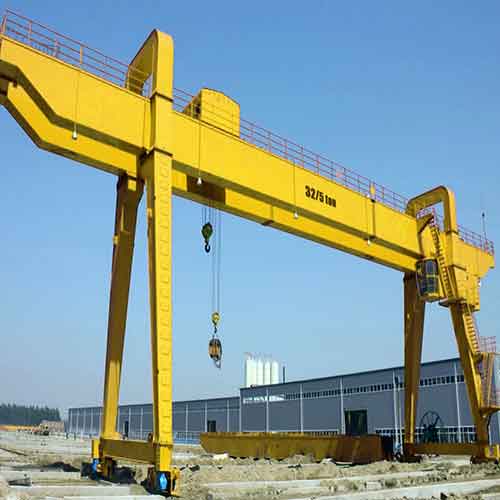
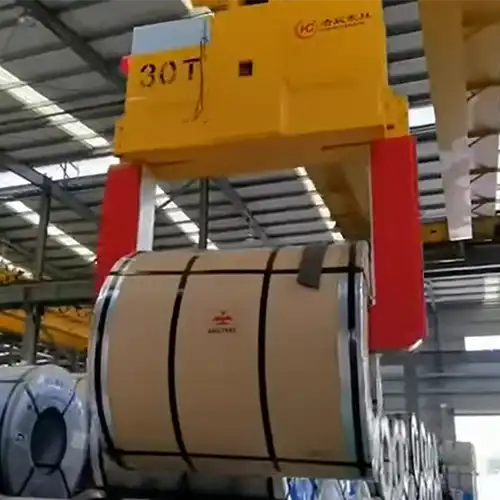

Yuantai Cranes
Overhead Crane Manufacturer with CE, ISO, SGS, CNEX Certificates.
- Main Specifications - Capacity: 0.5–550 tons | Span: up to 40m | Speed: 0.8–12 m/min | Duty: A3–A7 | Power: 380–690V, 50/60Hz | Control: pendant/remote/cabin
- Full engineering: FEA/PLC/VFD + in-house build + global delivery + on-site support, for workshops, factories, EPC contractors, industrial projects, etc.
- Support: design, manufacturing, testing, service – end-to-end, customized lifting solutions worldwide.
How to Get an Accurate Crane Price for Your Application?
Tips: Copy the spec list, fill in your details, and paste it into the form on the right/ down-below for a quick price.
- Crane type:_____ . (e.g., overhead crane, gantry crane, jib crane)
- Max weight to lift:_____ tons. (e.g., 2t, 5t, 10t, 20t, 50t)
- Lifting height:_____ m. (How high does the hook need to reach?
- Workshop width (span):_____ m . (Distance between the two crane rails)
- Travel distance:_____ m . (How long does the crane need to move along the runway?)
- Control type:_____. (Pendant / remote / cabin Control)
- Power supply:_____. (Local voltage & frequency – e.g., 380V, 50Hz, 3-phase)
- What will it be used for?_____ (e.g., steel fabrication, concrete products, mold handling, general manufacturing, etc.)
- Any special requirements?_____ (e.g., extreme temperature, dusty or explosive environment, special paint color, etc.)
Just leave a message via the contact form and our hoist and crane engineer will contact you with in 24working hours.
Get Your Custom Quote–Quick & Easy
Fill in what you know. Skip what you don't – we'll help.Any question will be reply with 24 working hours