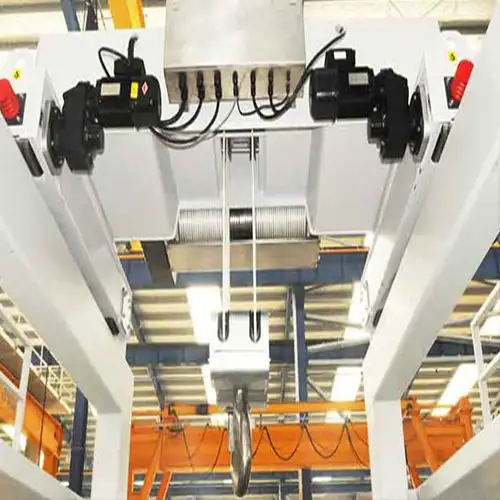
Selecting Electric Hoists for Chemical, Pharma & Food Plants
A buyer’s guide to corrosion-resistant, hygienic electric hoists for chemical, pharmaceutical, and food processing plants. Ensure safety, reliability, and compliance.
| Crane Type | Corrosion-resistant electric chain or wire rope hoist; stainless-steel/anti-corrosion components; IP55/IP65+ protection; food-grade and washdown configurations available; ISO A3–A5 / FEM 1Am–3M typical; 380/400/415V, 50Hz, 3Ph. |
| Crane Capacity | 0.5–20 ton typical; customized for the actual load and duty cycle |
| Span Length | Working Range-Linear monorail or crane runway travel; working range determined by track/runway length and trolley configuration |
| Lifting Height | 3–30 m typical; customized according to the installation height and lifting route |
| Coverage Area Type | Localized lifting points, workstations, monorail tracks, crane runways, production lines, maintenance areas, equipment platforms, and material transfer routes |
| Application | Chemical plants, pharmaceutical plants, food and beverage processing, dairy plants, cleanrooms, laboratories, wastewater facilities, humid workshops, washdown areas, and corrosive industrial environments |
| Certifications | CE / ISO / SGS / Other third-party inspection |
| Customization | Customized hoists, material grade, surface finish, IP protection, control, cleanroom/washdown requirements; corrosion-resistant chain or wire rope; stainless-steel or anti-corrosion components; food-grade lubrication; optional explosion-proof design. |
Crane Manufacturer: Yuantai Cranes – 30+ Years Professional Crane Manufacturer from China
Category: Featured
Tags:
Your Trusted Overhead Electric Hoists and Cranes Manufacturer & Supplier
A Buyer's Guide for Electric Hoists with Anti-corrosion& Dusty-free Design
Selecting Electric Hoists for Chemical, Pharmaceutical, and Food Processing Plants
Most Important Takeaway:
When buying an electric hoist for chemical, pharmaceutical, or food processing plants, material choice, corrosion resistance, hygienic design, and compliance with safety standards are more critical than the purchase price. The right hoist ensures reliable lifting in wet, corrosive, or sterile environments while minimizing downtime and maintenance costs.
Key Takeaways for Buyers
- Choose stainless steel or corrosion-resistant electric hoists for chemical, pharmaceutical, and food plants.
- Ensure the hoist meets hygiene and safety standards such as GMP, FDA, ATEX, or IECEx.
- Check IP ratings and enclosed motor designs for wet or corrosive environments.
- Match lifting capacity and duty cycle to plant requirements to prevent overloading.
- Prioritize ease of cleaning and maintenance to maintain operational efficiency.
- Evaluate total cost of ownership, not just initial purchase price.
- Work with experienced suppliers who understand industrial hygiene and regulatory compliance.
Questions This Guide Solves
- How do I select an electric hoist suitable for chemical or corrosive environments?
- What materials and coatings prevent corrosion in wet or chemical-heavy plants?
- How can I ensure the hoist is compliant with hygiene and safety regulations?
- What are the maintenance considerations for high-moisture or sterile environments?
- How do I balance upfront cost with long-term reliability and total cost of ownership?
Industry Requirements
When choosing an electric hoist for chemical plants, pharmaceutical facilities, or food processing plants, the first step is understanding your environment. These are not ordinary workshops—every lift must meet strict hygiene, safety, and durability standards.
Hygiene and Cleanliness
In food and pharmaceutical facilities, contamination is the last thing you want. Even small buildup of grease, dust, or metal particles can compromise product quality or violate regulations.
- Use stainless steel hoists (SS304 or SS316) or hoists with smooth, non-porous surfaces.
- Avoid unnecessary crevices, bolts, or grooves where dust or bacteria can accumulate.
- Make sure the hoist is compatible with regular washdowns using chemicals or steam.
- Check if the hoist design allows for easy cleaning without disassembling major components.
A hoist that is easy to clean keeps operations compliant with hygiene regulations and reduces maintenance labor.
Corrosion Resistance
Chemical plants and food processing lines often involve moisture, steam, acids, or alkaline cleaning agents. Ordinary steel or unprotected hoists will rust, seize, or fail.
- Consider SS316 stainless steel for highly corrosive environments; it offers better chemical resistance than SS304.
- Look for sealed motors and gears, preferably with IP65 or higher ratings, to prevent water or chemical ingress.
- Check whether paint or coating systems are rated for frequent cleaning and chemical exposure.
- Evaluate the expected lifespan under wet or corrosive conditions.
A corrosion-resistant hoist reduces downtime, maintenance costs, and the risk of unexpected failures.
Safety Compliance
Safety is non-negotiable. Plants that handle chemicals, powders, or sterile products have strict regulations.
- Verify compliance with ATEX or IECEx for explosive environments.
- For food and pharma plants, check GMP and FDA standards related to equipment contact surfaces.
- Ensure the hoist includes emergency stops, overload protection, and secure controls.
- Confirm wiring, controls, and drive systems are rated for high-humidity or wet environments.
Using compliant equipment ensures safe operations and peace of mind during audits.
Operational Environment
The conditions where your hoist will operate directly influence your choice.
- Determine if the hoist will be indoors, outdoors, or partially exposed.
- Consider ambient temperatures; some hoists are rated only for moderate ranges, while others handle extreme heat or cold.
- Check the frequency of use: continuous lifts require different duty cycles than occasional lifting.
- Evaluate potential chemical exposure or steam contact during regular cleaning cycles.

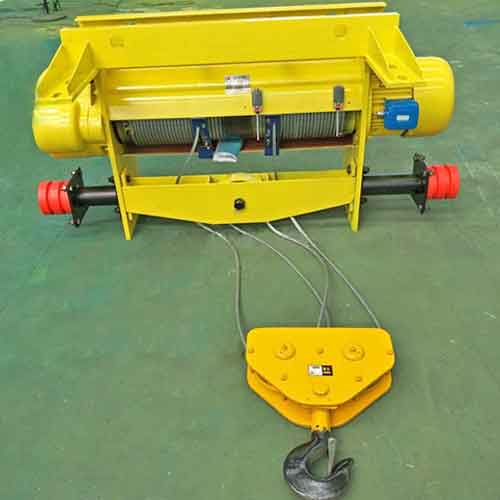
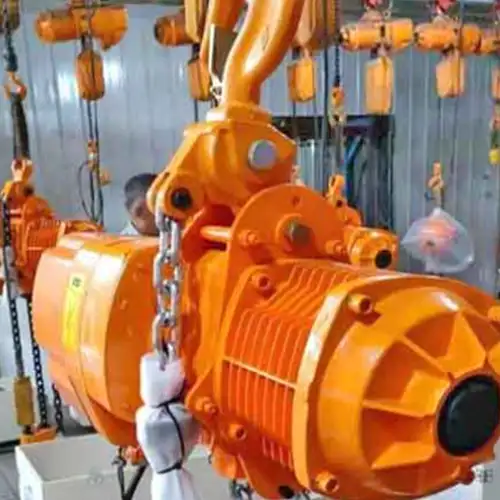
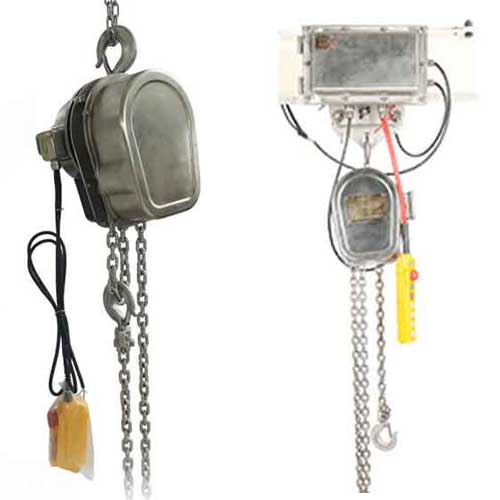
Key Hoist Features for High-Standard Plants
When investing in an electric hoist for chemical, pharmaceutical, or food processing plants, it's not enough to just check lifting capacity. The hoist must withstand corrosive chemicals, wet floors, and strict hygiene requirements to avoid downtime and compliance issues.
Material Selection
Material choice is the foundation of a reliable hoist in challenging environments.
- Opt for stainless steel (SS304 or SS316) for main structures and load-bearing components.
- Use non-sparking components in areas with flammable chemicals.
- Chemical-resistant coatings on motors, hooks, and chains protect parts that cannot be stainless steel.
- Ensure contact surfaces are smooth and easy to clean in food and pharmaceutical plants.
Good material selection ensures durability, safety, and compliance.
Sealing and Protection
Steam, chemicals, dust, and moisture can damage unprotected hoists.
- Look for IP55, IP65, or higher ratings for dust and water protection.
- Enclosed motors and gearboxes prevent chemical or water ingress.
- Protect wiring and electrical components against humidity and occasional splashes.
- For extremely wet or chemical-heavy areas, consider a fully sealed hoist design.
Proper sealing ensures smooth operation, reduces maintenance, and protects your investment.
Hygienic Design
In food and pharma plants, hygiene is mandatory.
- Surfaces should be smooth and polished with minimal gaps or grooves.
- Avoid hoists with complicated covers or hidden parts that trap dust or liquid.
- Some hoists offer washdown-rated components for high-pressure cleaning without dismantling.
A hygienic design reduces contamination risks and simplifies cleaning routines.
Load Capacity & Duty Cycle
Hoists must meet the demands of your production line.
- Match the hoist's lifting capacity to your heaviest loads.
- Consider the duty cycle: intermittent vs. continuous lifting.
- Overloading or exceeding duty rating shortens lifespan and can cause failures.
- Plan for future production increases—a slightly higher capacity hoist can be a better long-term choice.
Control Systems
Modern controls improve safety and efficiency.
- Remote controls allow operators to stay safe in chemical or wet environments.
- Variable-speed controls improve positioning and reduce load swing.
- For explosive areas, choose explosion-proof hoists and controls.
- Controls should resist moisture and be easy to operate even with gloves or in wet conditions.
Corrosion and Chemical Resistance Considerations
In chemical, pharmaceutical, and food processing plants, the biggest threat to an electric hoist isn't always the weight it lifts—it's the environment. Corrosion, chemical exposure, and regular cleaning cycles can damage unprepared hoists. Choosing the right materials and protection ensures long-term reliability, safety, and compliance.
Identify Chemicals and Cleaning Agents
Understand what your hoist will encounter every day.
- List acids, alkalis, solvents, or detergents used in your plant.
- Check pH levels and concentration of cleaning solutions—some hoists tolerate mild detergents but fail under strong acids.
- Consider frequency of exposure: occasional contact may need less protection than daily immersion or washdowns.
- Account for chemical vapors or airborne particles that can corrode surfaces over time.
Knowing your chemicals ensures the hoist survives daily use without premature failure.
Select the Appropriate Stainless Steel Grade or Coating
Material selection is key for corrosion resistance.
- SS304 is suitable for mildly corrosive environments.
- SS316 provides higher resistance to chemicals, chlorine, and saltwater—ideal for harsh plants or food lines.
- Use chemical-resistant coatings or paints for parts that can't be stainless steel.
- Ensure hooks, chains, wire ropes, and fasteners match the corrosion resistance of the main hoist.
Correct grade and finish prevent rust, wear, and unexpected downtime.
Design for Frequent Washdowns and High Humidity
Daily washdowns and high humidity demand robust hoist design.
- Look for washdown-rated hoists with fully sealed motors and gearboxes.
- Ensure IP65 or higher protection for dust and water resistance.
- Check for drip-proof hooks and enclosed electrical panels.
- Design should allow cleaning without disassembling critical components.
Wet and humid-resistant hoists last longer, reduce maintenance, and maintain safe production.
Maintenance and Reliability
Even the best-designed hoist can fail if not maintained properly. In chemical, pharmaceutical, and food processing plants, maintenance ensures safety, compliance, and avoids costly downtime. Choosing a hoist that's easy to maintain and reliable in wet or corrosive environments saves time, money, and stress.
Implement Scheduled Inspections
Routine inspections are the backbone of reliability.
- Inspect wire ropes, chains, hooks, and lifting attachments for wear, fraying, or corrosion.
- Check motors, brakes, and gearboxes for unusual noise, vibration, or overheating.
- Establish a preventive maintenance schedule based on duty cycle and chemical or moisture exposure.
- Document inspections to meet safety and compliance requirements, critical in pharma and food plants.
Scheduled inspections prevent minor issues from becoming major failures.
Design for Easy Cleaning and Maintenance
Ease of maintenance is crucial in facilities with frequent washdowns.
- Choose hoists with smooth, accessible surfaces for cleaning without dismantling.
- Ensure electrical and control panels are sealed and easy to wipe down.
- Look for quick-release hooks or detachable covers to speed up checks.
- Avoid hoists requiring special tools or long disassembly procedures for routine maintenance.
Easy cleaning reduces downtime and maintains hygiene standards.
Verify Spare Parts Availability and Manufacturer Support
Even low-maintenance hoists eventually need replacement parts. Support ensures minimal disruption.
- Confirm availability of spare parts for motors, chains, brakes, and hooks.
- Check for manufacturer technical support, repair services, and fast shipping.
- Prefer suppliers experienced in chemical, pharmaceutical, or food environments.
- Ask about recommended replacement intervals and local sourcing options.
Reliable support minimizes downtime and prevents production halts.
Cost vs. Value Analysis
When buying an electric hoist for chemical, pharmaceutical, or food processing plants, the upfront price is only part of the story. A cheaper hoist may cost more over time due to maintenance, downtime, and shorter lifespan. Understanding the total cost of ownership (TCO) helps you make a smarter decision.
Consider Initial Cost vs. Long-Term Expenses
Don't be fooled by a low sticker price—hidden costs in challenging environments can add up.
- Include maintenance costs like inspections, cleaning, and part replacements.
- Account for downtime if the hoist fails, which can halt production for hours or days.
- Factor in replacement costs for worn or corroded components over the hoist's lifespan.
- Evaluate the expected service life under corrosive or wet conditions—cheaper hoists may fail faster.
Weighing initial price against ongoing expenses gives a clearer picture of true cost.
Evaluate Warranties, Service Reliability, and Lifespan
A durable hoist is only as good as the support and guarantee behind it.
- Look for comprehensive warranties covering corrosion, electrical components, and mechanical parts.
- Confirm manufacturer provides technical support, spare parts, and fast service.
- Check references or case studies showing long-term reliability in chemical or food plants.
- Consider the design lifespan in your environment—some hoists last 10+ years even with frequent washdowns.
Reliable warranties and service protect your investment and reduce unexpected costs.
Consider Higher Upfront Cost for Long-Term Savings
Sometimes spending more now saves significantly over the hoist's lifetime.
- Stainless steel, corrosion-resistant hoists may cost more upfront but last years longer than basic steel models.
- IP65 or washdown-rated hoists reduce maintenance needs and downtime.
- High-quality control systems and robust mechanical parts prevent accidents and production delays.
Focusing beyond the purchase price often leads to a lower total cost of ownership and smoother plant operations.
Selecting the Right Supplier
Choosing the right supplier is as critical as choosing the hoist itself. Even the most durable, corrosion-resistant, and hygienic hoist will fall short if the manufacturer cannot provide reliable support, spare parts, or customization. The right partner ensures long-term performance, compliance, and peace of mind.
Partner with Experienced Manufacturers
Experience matters for specialized hoists in chemical, pharmaceutical, and food processing plants.
- Look for a trusted hoist manufacturer in China or your region with proven experience in chemical, food, or pharmaceutical plants.
- Check portfolios or case studies for washdown, corrosion-resistant, or explosion-proof hoists delivered in similar environments.
- Ensure the supplier understands local regulations, cleaning protocols, and operational standards for your industry.
Working with experienced manufacturers reduces risks and ensures reliable hoist performance in your environment.
Confirm Certifications and Compliance
Certifications provide assurance that the hoist meets international safety, hygiene, and performance standards.
- Request CE and ISO certifications as a baseline for quality and safety.
- For chemical plants or explosive atmospheres, confirm ATEX or IECEx compliance.
- For food or pharmaceutical facilities, check GMP or FDA compliance related to equipment hygiene.
- Ensure all documentation and test reports are available for audits and regulatory inspections.
Verified certifications ensure your hoist is both safe and legally compliant in your operational environment.
Ask About Customization for Your Plant
No two plants are identical. Customization ensures the hoist fits your environment and operational needs.
- Request custom washdown capabilities for frequent chemical or steam cleaning.
- Consider explosion-proof or corrosion-resistant designs if handling flammable chemicals.
- Discuss size, load capacity, and duty cycle adjustments to match your workflow.
- Ask about modular designs or optional features for future upgrades without replacing the hoist.
Customization ensures smooth integration, enhanced safety, and minimized operational disruptions.
Practical Tips for Buyers
Selecting an electric hoist for chemical, pharmaceutical, or food processing plants can feel overwhelming due to strict hygiene, safety, and corrosion requirements. These practical tips help you make the right choice and avoid costly mistakes.
Conduct a Site Survey
Understanding the conditions where the hoist will operate is the first step. A site walkthrough can reveal key factors that influence your choice.
- Evaluate exposure to chemicals, humidity, and cleaning routines to determine durability requirements.
- Note any steam, washdown areas, or wet zones where corrosion-resistant hoists are necessary.
- Observe the height and layout of the workspace to ensure safe operation and fit.
- Identify frequent lifting points and workflow patterns to match duty cycle and capacity.
Thorough site surveys help avoid surprises and ensure the hoist is suitable for real-world conditions.
Match Hoist IP Rating and Material Grade
Your hoist must withstand the environment it operates in, from chemical splashes to high humidity.
- Choose IP-rated hoists (IP55, IP65, or higher) for protection against water and dust ingress.
- Match the stainless steel grade (SS304 or SS316) to the severity of corrosion or chemical exposure.
- For areas with frequent washdowns, ensure all exposed components resist cleaning chemicals and steam.
Correctly matching protection levels and materials ensures long-term reliability and reduces maintenance headaches.
Request References or Case Studies
Learning from other facilities' experiences helps you pick a hoist that works in real-world conditions.
- Ask suppliers for case studies from chemical, pharmaceutical, or food plants similar to yours.
- Verify performance under daily washdowns, chemical exposure, and high-duty cycles.
- Check references to ensure the supplier supports maintenance and replacement parts efficiently.
References provide insight beyond technical specifications, showing practical reliability.
Consider Modular or Adaptable Designs
Plants evolve over time, and your hoist should be flexible enough to adapt.
- Look for modular hoists that can be upgraded or reconfigured as production needs change.
- Ensure optional features like additional lifting capacity, washdown components, or explosion-proof systems can be added without replacing the entire hoist.
- Plan for future workflow expansions so the hoist integrates smoothly as operations grow.
Flexible designs protect your investment and save costs when plant requirements change.
FAQs: Electric Hoists for Chemical, Pharmaceutical, and Food Processing Plants
This guide answers common questions buyers have when selecting an electric hoist for demanding environments.
1. How do I select an electric hoist suitable for chemical or corrosive environments?
- Identify the chemicals, cleaning agents, and vapors the hoist will encounter.
- Select stainless steel (SS304 or SS316) or corrosion-resistant hoists designed for frequent washdowns.
- Check IP ratings (IP55, IP65, or higher) to ensure protection against moisture and dust.
- Consider the hoist's duty cycle to match your production line's lifting frequency and weight requirements.
2. What materials and coatings prevent corrosion in wet or chemical-heavy plants?
- Use SS316 stainless steel for highly corrosive environments; SS304 works for milder conditions.
- Apply chemical-resistant coatings or paints for components that cannot be stainless steel.
- Ensure hooks, chains, wire ropes, and fasteners are also corrosion-resistant.
- Verify washdown-rated motors and gearboxes for areas with frequent cleaning.
3. How can I ensure the hoist is compliant with hygiene and safety regulations?
- Look for GMP, FDA, or other food/pharma hygiene certifications for contact surfaces.
- Verify CE, ISO, ATEX, or IECEx certifications for safety and regulatory compliance.
- Ensure hoists have overload protection, emergency stops, and sealed controls.
- Keep documentation for audits and inspections to demonstrate compliance.
4. What are the maintenance considerations for high-moisture or sterile environments?
- Set up a preventive maintenance schedule for inspections of wire ropes, chains, hooks, and mechanical parts.
- Choose hoists designed for easy cleaning and quick maintenance without dismantling major components.
- Confirm the supplier provides spare parts and technical support for quick replacements.
- Regularly inspect hoists exposed to steam, chemicals, or washdowns to prevent corrosion-related failures.
5. How do I balance upfront cost with long-term reliability and total cost of ownership?
- Consider total cost of ownership, including maintenance, downtime, and replacement costs.
- Invest in durable, corrosion-resistant hoists that reduce long-term repair and service needs.
- Evaluate warranties and manufacturer support as part of the overall value.
- Sometimes a slightly higher upfront cost pays off with longer lifespan and fewer operational disruptions.
Conclusion
Selecting an electric hoist for chemical, pharmaceutical, or food processing plants is far more than just picking the lowest price. The right hoist ensures safety, hygiene, and consistent performance in demanding environments.
To make the best choice, buyers should focus on:
- Corrosion-resistant materials like SS304 or SS316 stainless steel to withstand chemicals, moisture, and frequent washdowns.
- Hygienic designs with smooth surfaces, minimal crevices, and easy-to-clean components to prevent contamination.
- Regulatory compliance with CE, ISO, GMP, ATEX, or IECEx standards to meet safety and hygiene requirements.
- Maintenance accessibility for inspections, cleaning, and part replacements without disrupting operations.
- Total cost of ownership, including maintenance, downtime, and lifespan, not just initial purchase price.
- Experienced suppliers who can provide technical support, spare parts, and customized solutions for your plant's specific needs.
By keeping these factors in mind, plants can ensure safe, efficient, and reliable lifting operations while protecting workers, products, and equipment. Investing in the right hoist upfront reduces maintenance headaches, prevents unexpected downtime, and delivers long-term value.
This conclusion naturally incorporates:
- Long-tail keywords: electric hoist for chemical plants, food-grade electric hoist, corrosion-resistant hoist, total cost of ownership electric hoist
- Semantic keywords: hygienic hoist, reliable hoist for wet environment, GMP-compliant hoist, corrosion-proof lifting equipment
- Practical guidance: emphasizes actionable takeaways for plant buyers, safety, maintenance, and supplier evaluation


Yuantai Cranes
Overhead Crane Manufacturer with CE, ISO, SGS, CNEX Certificates.
- Main Specifications - Capacity: 0.5–550 tons | Span: up to 40m | Speed: 0.8–12 m/min | Duty: A3–A7 | Power: 380–690V, 50/60Hz | Control: pendant/remote/cabin
- Full engineering: FEA/PLC/VFD + in-house build + global delivery + on-site support, for workshops, factories, EPC contractors, industrial projects, etc.
- Support: design, manufacturing, testing, service – end-to-end, customized lifting solutions worldwide.
How to Get an Accurate Crane Price for Your Application?
Tips: Copy the spec list, fill in your details, and paste it into the form on the right/ down-below for a quick price.
- Crane type:_____ . (e.g., overhead crane, gantry crane, jib crane)
- Max weight to lift:_____ tons. (e.g., 2t, 5t, 10t, 20t, 50t)
- Lifting height:_____ m. (How high does the hook need to reach?
- Workshop width (span):_____ m . (Distance between the two crane rails)
- Travel distance:_____ m . (How long does the crane need to move along the runway?)
- Control type:_____. (Pendant / remote / cabin Control)
- Power supply:_____. (Local voltage & frequency – e.g., 380V, 50Hz, 3-phase)
- What will it be used for?_____ (e.g., steel fabrication, concrete products, mold handling, general manufacturing, etc.)
- Any special requirements?_____ (e.g., extreme temperature, dusty or explosive environment, special paint color, etc.)
Just leave a message via the contact form and our hoist and crane engineer will contact you with in 24working hours.
Get Your Custom Quote–Quick & Easy
Fill in what you know. Skip what you don't – we'll help.Any question will be reply with 24 working hours