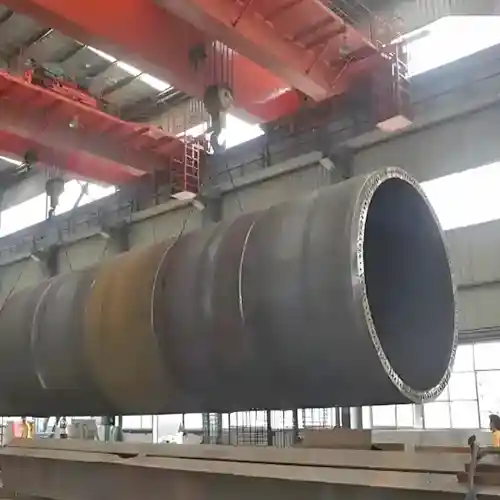
Choosing the Best Top Running Crane for Mold Handling
A guide to selecting the right top running overhead crane for handling wind power tower molds in various sizes.
| Crane Type | Top Running Double Girder Overhead Bridge Crane - Capacity: 10–100 ton+ · Girder: Single Girder / Double Girder; double girder normally used for higher-capacity applications · Span: 10–35 m+ · Lift: 6–30 m+ · Duty: ISO A3–A8 / FEM 1Am–5m · |
| Crane Capacity | 10–100 ton+ depending on the maximum lifted mold assembly and handling equipment; capacity should be determined from the complete lifted load, not mold weight alone |
| Span Length | Typically 10–35 m+; actual span is the distance between runway rail centerlines and should cover the required mold handling area |
| Lifting Height | Typically 6–30 m+; selected according to mold dimensions, required hook position, facility height and clearance requirements |
| Coverage Area Type | Rectangular production areas served by elevated runway rails; actual coverage depends on crane span, runway length, end approach and facility layout |
| Application | Wind power tower mold handling, tower section manufacturing, mold assembly, positioning, maintenance and heavy component handling |
| Certifications | CE / ISO / SGS / Other third-party inspection |
| Customization | Control: Pendant / Radio Remote / Cabin · Speed: Standard / Dual Speed / VFD · 380/400/415V/440V, 3 Ph, 50/60 Hz. Indoor / Outdoor / Coastal / Corrosive / High or Low Temperature · Attachments: Hook / Spreader / Lifting Beam / Mold Gripper / Clamp |
Crane Manufacturer: Yuantai Cranes – 30+ Years Professional Crane Manufacturer from China
Category: Featured
Tags: precast,moldhandling
Your Trusted Overhead Crane Manufacturer & Supplier
Choosing the Right Top Running Overhead Bridge Crane for Wind Power Tower Mold Handling
A Comprehensive Guide to Overhead Crane 10 ton, 40 ton, 50 ton, and 100 ton Solutions
Role of Cranes in Wind Power Tower Mold Handling
Overview of the Wind Power Industry and the Need for Efficient Tower Production
The wind power industry has seen significant growth in recent years, driven by the increasing demand for renewable energy and the push for sustainable energy solutions. As wind farms expand, so does the need for larger and more efficient wind turbines. One of the critical components of these turbines is the tower, which must be strong and durable enough to support the heavy rotor blades and ensure the turbine functions effectively.
Wind power tower production involves creating large, cylindrical molds that form the core structure of the towers. These molds are used to shape the concrete or steel that makes up the tower, often reaching heights of over 100 meters. The process requires precision, heavy lifting, and careful handling of materials—tasks that are efficiently carried out by cranes.
Efficient tower production is vital for meeting the growing demand for wind energy, and cranes play a central role in ensuring this efficiency. Without the right lifting equipment, the production process would be slowed down, and there would be a greater risk of errors, damage, and delays. Cranes, especially top running overhead bridge cranes, are essential for lifting and moving these heavy and often bulky molds with the precision and reliability required in this high-stakes industry.
Importance of Cranes in Handling Heavy Wind Power Tower Molds
The production of wind power tower molds involves handling extremely heavy materials, such as large sections of steel or reinforced concrete. Molds can weigh tens to hundreds of tons, and moving them safely and accurately is essential to prevent accidents, product damage, or delays in production.
Top running overhead bridge cranes are particularly suited to this task, as they offer several advantages:
- Heavy Lifting Capacity: These cranes can handle very heavy loads, such as the large molds used for wind towers, with ease.
- High Precision: The ability to control the movement of the mold with great accuracy ensures the safety and integrity of both the equipment and the molds themselves.
- Space Efficiency: Top running cranes are mounted on tracks above the production floor, allowing them to work in tight spaces while moving large loads without obstructing other operations.
These cranes not only improve efficiency but also enhance safety in the workplace. They help avoid manual handling of heavy molds, reducing the risk of injuries and damage to equipment. Cranes are integral in facilitating the smooth flow of materials through the manufacturing process, ensuring that tower sections are produced on schedule and meet the necessary specifications.
What is a Top Running Overhead Bridge Crane?
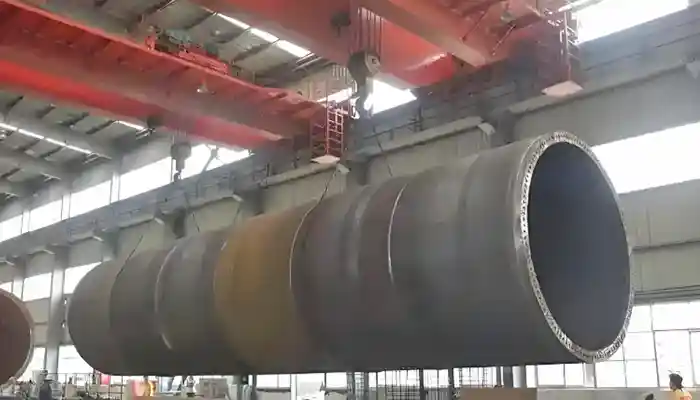
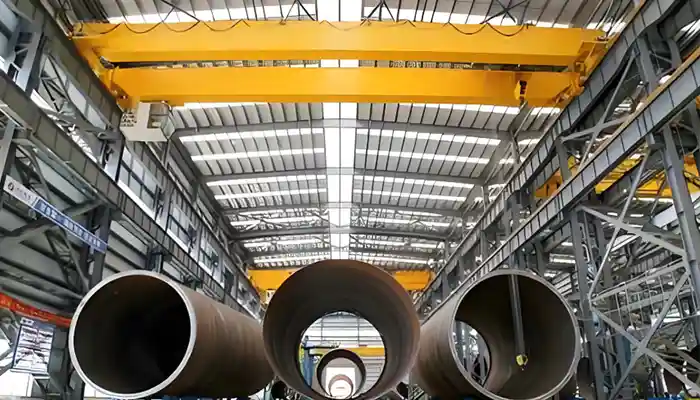
A top running overhead bridge crane is a type of lifting system designed to move heavy loads along rails mounted at the top of a facility. The crane consists of a bridge that spans the width of the workspace, supported by two end trucks that run along the rails. The bridge carries the hoist and trolley, which move across its length to handle materials with great precision.
This crane operates by moving the entire structure—bridge, trolley, and hoist—along the ceiling rails, allowing it to lift and position heavy loads, such as molds used in wind power tower production. The trolley runs along the bridge, and the hoist provides vertical lifting and lowering capabilities. Typically powered by electric motors, the crane can be operated manually or through automated systems, allowing for smooth and precise handling of large and heavy objects.
Key Components
The crane's basic structure consists of several key components that work in tandem to ensure efficient operation. These include:
- Bridge: This is the main horizontal frame that spans across the workspace. It supports the entire crane system, including the trolley and hoist. The bridge moves along the rails, providing access to the full working area.
- Trolley: Mounted on the bridge, the trolley moves horizontally along its length, carrying the hoist. The trolley is designed to maximize the crane's range and maneuverability, enabling it to handle materials across a large area.
- Hoist: The hoist is the lifting mechanism attached to the trolley. It is responsible for raising and lowering the load, such as a wind tower mold. It typically includes a motor, a drum, and either a chain or rope, all working together to achieve precise vertical movement.
- Rails: Mounted at the top of the facility, the rails guide the crane and enable it to move smoothly along the workspace. These tracks are designed to bear the weight of both the crane and the load it is lifting, ensuring stability and safety during operation.
- End Trucks: Located at either end of the bridge, the end trucks support the bridge and allow it to move along the rails. These trucks are equipped with wheels that roll along the track, providing smooth and stable horizontal movement.
Together, these components enable the top running overhead bridge crane to efficiently lift, transport, and position heavy loads within the facility.
Advantages of the Top Running Design for Heavy Load Handling
The top running design offers a range of advantages, making it a preferred choice for industries like wind power tower mold handling, where heavy and bulky loads are common.
One of the most significant benefits is the maximized use of headroom. Since the crane operates on overhead tracks, it frees up valuable floor space, making it ideal for facilities with high ceilings. This design also allows for efficient use of the full height of the workspace, making it easier to handle large or tall materials without taking up unnecessary space.
Top running cranes are known for their high load capacity. The design is built to handle heavier loads than other crane types, making it suitable for handling the massive molds used in wind tower production. Cranes with capacities ranging from 10 tons to over 100 tons can lift and move large, heavy components with ease.
Another key advantage is the smooth and precise movement. The trolley and hoist system allow for careful control of both horizontal and vertical motions, which is essential for handling delicate or heavy objects like wind tower molds. The ability to position loads accurately ensures the safety and integrity of the materials being moved.
Durability and stability are also core benefits of the top running design. Since the crane runs on overhead rails, it is less affected by vibrations and external forces, offering a more stable operation compared to cranes that operate closer to the ground. The design also contributes to the crane’s long-term durability, as the system is less prone to wear from external elements.
In addition to being space-efficient and durable, top running overhead cranes also offer increased safety. The crane operates above the production floor, reducing the risk of interference with workers or other equipment. Many top running cranes come equipped with advanced safety features such as overload protection, anti-sway systems, and emergency stop functions, ensuring safe and efficient operation even under heavy load conditions.
Finally, top running cranes are known for their efficiency. They allow for faster load movements, which is crucial in industries like wind power tower manufacturing, where high-volume production demands quick turnaround times. The combination of high load capacity, precise control, and fast operation makes the top running overhead bridge crane a highly effective solution for large-scale industrial operations.
In conclusion, top running overhead bridge cranes offer numerous advantages, including optimal space utilization, enhanced lifting capacity, precision, durability, and safety. These features make them the ideal choice for heavy-load handling in wind power tower mold production, helping manufacturers meet production goals efficiently and safely.
Key Considerations for Selecting a Top Running Overhead Bridge Crane
When choosing a top running crane for handling wind power tower molds, there are several essential factors to consider to ensure the crane meets both the operational needs and safety requirements of the facility. Below are the key considerations that can help guide your selection of the right top running overhead crane.
Load Capacity: Understanding 10 ton, 40 ton, 50 ton, and 100 ton Crane Options
The load capacity of a top running crane is one of the most critical factors in determining its suitability for lifting and handling heavy wind power tower molds. These molds can vary greatly in weight, so selecting a crane with the appropriate load capacity is crucial to ensure safety and efficiency.
- 10 ton Cranes: Ideal for smaller or lighter molds, a top running crane with a 10 ton capacity is well-suited for facilities that produce smaller sections or handle lighter materials.
- 40 ton Cranes: A 40 ton top running overhead crane offers versatility, making it suitable for medium to large molds. These cranes are perfect for facilities that handle various mold sizes and require flexibility without the need for higher capacity cranes.
- 50 ton Cranes: For larger and heavier molds, a 50 ton crane offers the necessary lifting capacity to handle substantial loads without compromising safety. These cranes are well-suited for mid-to-large-scale wind tower production.
- 100 ton Cranes: A 100 ton top running crane is ideal for the heaviest molds used in wind power tower production. These cranes provide the power and flexibility required to lift and move massive components with ease, making them suitable for high-capacity facilities.
Choosing the right top running crane based on load capacity ensures the crane can safely handle the maximum weight of the molds, avoiding strain or damage to both the crane and the mold.
Span and Headroom: How to Ensure Optimal Working Space for Tower Molds
The span and headroom of a top running crane are essential for ensuring optimal working space and the safe handling of wind tower molds. These dimensions determine the crane's reach and lifting height, which are critical when moving large and heavy molds.
- Span Considerations: The span of a top running crane refers to the distance between the rails on which the crane travels. For wind tower mold handling, the span must be wide enough to cover the entire production area. A wider span allows the crane to reach all parts of the facility, ensuring that molds can be safely and efficiently transported across the workspace.
- Headroom Considerations: Headroom refers to the vertical clearance available under the crane. Since wind tower molds are often large and tall, it’s essential that the crane offers sufficient headroom to lift and lower the molds without obstruction. A high top running crane ensures that the molds can be moved with ease, minimizing the risk of damage due to lack of vertical clearance.
By selecting a top running crane with the correct span and headroom, you can ensure efficient and safe handling of large wind power tower molds without sacrificing valuable working space.
Speed and Control: Importance of Smooth Operation for Precise Handling
The speed and control capabilities of a top running crane are vital for ensuring precise and efficient handling of wind tower molds. A crane that offers smooth, controlled movements is essential for the safe transportation of large, heavy components.
- Speed: The speed of a top running overhead crane should be adjustable to accommodate different handling tasks. For lifting and positioning molds, slower speeds are necessary to prevent swinging or sudden movements. However, when moving molds across the facility, higher travel speeds are desirable for improved efficiency. A top running crane that offers variable speed options allows operators to adapt to different situations, maximizing productivity without compromising safety.
- Control: Precise control is key when positioning large molds in specific areas of the facility. A top running crane equipped with advanced control systems, such as variable frequency drives (VFD), allows for smooth and precise movements both horizontally and vertically. This helps ensure that molds are positioned accurately, reducing the risk of damage and improving operational efficiency.
By investing in a top running crane with optimal speed and control features, you can enhance the precision and safety of mold handling operations, which is essential in wind tower production.
Environment: Impact of Environmental Factors (Temperature, Humidity) on Crane Selection
The environmental conditions in which a top running crane operates can have a significant impact on its performance and longevity. Temperature fluctuations, humidity, and corrosive environments must be considered when selecting a crane for wind power tower mold handling.
- Temperature Considerations: Extreme temperatures, whether hot or cold, can affect the performance of a top running overhead crane. In cold environments, cranes may require special insulation or heating elements to ensure proper function of the hoists and motors. Conversely, cranes in high-temperature areas may need heat-resistant components to prevent overheating or damage.
- Humidity and Corrosion: High humidity or coastal conditions can increase the risk of corrosion, which can damage the crane and reduce its operational lifespan. In these environments, a top running crane should be equipped with anti-corrosion coatings or made from materials resistant to rust, such as galvanized steel. This ensures that the crane remains durable and reliable even in challenging conditions.
Selecting a top running crane designed to handle environmental factors ensures long-term performance and minimizes the risk of equipment failure due to weather-related wear and tear.
Safety Features: Essential Safety Measures for Handling Heavy, Large Molds
Handling large, heavy wind tower molds requires robust safety features to protect both the operators and the equipment. The top running crane should be equipped with advanced safety systems to minimize risks and ensure smooth operation.
- Overload Protection: Overload protection is essential for preventing the crane from lifting loads that exceed its rated capacity. This feature ensures that the top running crane cannot accidentally lift heavy molds that could cause damage to the crane or the load. Overload protection systems often include sensors and alarms to alert the operator to an unsafe load condition.
- Anti-Sway Technology: Large molds can sway during lifting or movement, creating a dangerous situation. Anti-sway technology in a top running crane, such as variable frequency drives or sensors, helps reduce load swinging, allowing for smoother, more controlled movement. This minimizes the risk of accidents or damage.
- Emergency Stop and Safety Controls: Every top running crane should be equipped with an emergency stop system that halts the crane immediately in the event of a malfunction or unsafe condition. Other safety features, such as safety interlocks, warning lights, and proximity sensors, can help prevent accidents and ensure the safe operation of the crane.
- Operator Assistance Features: Modern top running cranes often come with operator assistance features such as remote controls or operator cabins with enhanced visibility. These features allow operators to stay clear of the load path, improving both safety and crane handling.
By selecting a top running crane with comprehensive safety features, you ensure that the crane can handle heavy, large molds with maximum safety, reducing the risk of accidents or operational downtime.
In conclusion, when selecting a top running overhead crane for wind power tower mold handling, it’s essential to carefully consider factors such as load capacity, span and headroom, speed and control, environmental conditions, and safety features. Choosing the right top running crane based on these considerations ensures that the crane will perform optimally, safely handling heavy, large molds while meeting the production demands of the wind tower industry.
Comparing Load Capacities: 10 ton, 40 ton, 50 ton, and 100 ton Cranes
When selecting a top running overhead crane for wind tower mold handling, understanding the various load capacities is crucial for optimizing both efficiency and safety in the production process. Below, we compare the different load capacities—10 ton, 40 ton, 50 ton, and 100 ton cranes—highlighting their ideal applications and key decision factors.
10 ton Cranes: Ideal for Smaller or Lighter Tower Mold Sections
A 10 ton top running crane is often the go-to choice for handling smaller, lighter wind tower molds, particularly in the early stages of tower construction. These cranes are ideal for lifting and moving components that don’t exceed the 10 ton weight limit.
- Applications: A 10 ton crane is typically used for handling initial sections of wind towers, such as smaller molds, which may be lighter and easier to manage in the early phases of production. These cranes are also useful for maintenance, assembling smaller parts, or managing lighter components in the factory.
- Advantages: The key benefit of a 10 ton crane is its cost-effectiveness. For facilities that don’t deal with large, heavy molds regularly, this smaller capacity crane offers a more affordable solution without compromising on the ability to complete lighter tasks efficiently.
- Decision Factors: When choosing a 10 ton crane, consider the average mold size and the volume of early-stage or lighter projects that will be handled. If your production line includes smaller tower sections or lighter molds, a 10 ton crane is an excellent choice.
40 ton Cranes: Handling Medium-Sized Molds, Balancing Capacity and Cost
A 40 ton top running crane offers an excellent balance between lifting capacity and cost-effectiveness. This capacity is ideal for handling medium-sized molds, which are commonly used in many stages of wind tower production.
- Applications: A 40 ton crane is versatile enough to handle a wide range of wind tower molds, from mid-sized components to more specialized parts. These cranes are commonly found in facilities that manufacture medium-sized wind tower sections or work with diverse mold types and production volumes. They can also handle the transportation of heavy components across the workshop.
- Advantages: The versatility of a 40 ton crane allows it to be used across various tasks, offering a good combination of capacity without the significant investment required for larger cranes. It is well-suited for facilities that work with a mix of medium-weight molds and have a varied production schedule.
- Decision Factors: If your production facility handles different mold sizes, from light to moderately heavy components, a 40 ton crane would be a reliable choice. This crane offers flexibility and ensures that molds are handled efficiently without excessive capacity for smaller tasks.
50 ton Cranes: Handling Heavier, Larger Molds with Extra Lifting Power
For facilities that deal with heavier and larger wind tower molds, a 50 ton top running crane provides the extra lifting power needed for safe and efficient operations. These cranes are typically used in the later stages of tower construction, where molds are larger and require additional support for lifting.
- Applications: The 50 ton crane is often used for larger wind tower molds that require substantial lifting power, especially when working on more demanding projects. These cranes are common in large onshore wind projects, where molds and components are much larger and heavier.
- Advantages: The main benefit of a 50 ton crane is its increased capacity, allowing for heavier lifts while maintaining operational safety. With a higher capacity, this crane can efficiently manage larger molds and reduce the time required for lifting and moving heavy components.
- Decision Factors: If your production facility is focused on larger, heavier wind tower molds, or you are involved in larger-scale projects, a 50 ton top running crane is the right choice. It will provide the necessary lifting power for more demanding tasks while maintaining operational efficiency.
100 ton Cranes: Heavy-Duty Cranes for the Largest Wind Tower Molds
For handling the largest wind tower molds, particularly in offshore wind projects, the 100 ton top running crane is an essential heavy-duty solution. This crane is designed for large-scale, industrial-grade applications and is suited for the heaviest and most complex mold handling tasks.
- Applications: 100 ton cranes are often found in large-scale facilities where the wind tower molds are exceptionally heavy, including offshore wind projects. These cranes are used for handling the largest and most complex molds, including those for turbine tower sections and other oversized components. Offshore projects often require cranes with higher load capacities due to the larger molds used in these environments.
- Advantages: The major advantage of a 100 ton crane is its capacity to handle the heaviest loads, which is crucial for offshore and large-scale projects. These cranes are built to withstand the demands of heavy-duty lifting and can operate in challenging conditions, such as those encountered in offshore production and transportation.
- Decision Factors: If your facility is involved in large-scale or offshore wind tower production, or if you frequently handle oversized molds, a 100 ton crane is essential. It provides the necessary strength and power to lift the heaviest components while ensuring safety and efficiency in the most demanding conditions.
Decision Factors: Choosing Based on Mold Weight, Size, and Production Goals
Choosing the right crane capacity depends largely on the weight, size, and production goals for wind tower molds. Here are some important considerations to keep in mind:
- Mold Weight and Size: The first and most important factor is the size and weight of the wind tower molds you’ll be handling. If your production focuses on smaller sections, a 10 ton or 40 ton crane may be sufficient. However, for larger, heavier molds, such as those used in large-scale or offshore projects, a 50 ton or 100 ton crane will be necessary.
- Production Goals and Volume: Your production goals and volume will also influence your decision. If you need to manage a high volume of medium-sized molds, a 40 ton crane offers the best balance between capacity and cost. However, if your focus is on large-scale production, particularly involving offshore projects or heavy-duty lifting, opting for a 50 ton or 100 ton crane will be more appropriate.
- Facility Constraints: The space available in your facility also plays a role. Larger cranes with higher capacities may require more headroom and span, so it’s important to assess the available space to ensure that the crane can operate effectively within the facility’s layout.
In conclusion, when selecting a top running overhead crane, understanding the weight and size of your wind tower molds, as well as your production goals, will help determine the best capacity. Whether it’s a 10 ton, 40 ton, 50 ton, or 100 ton crane, the right choice will ensure smooth, efficient, and safe handling of your wind power tower molds.
Crane Design Features for Wind Power Tower Mold Handling
When it comes to wind power tower mold handling, selecting a top running overhead crane with the right design features is essential for ensuring efficient, safe, and long-lasting performance. Wind tower molds are often large, heavy, and complex, requiring a crane with customizable features, precision lifting systems, and the right materials for specific environmental conditions. Below, we explore the key design features that should be considered when choosing a crane for wind power tower mold handling.
Customizable Features: Tailoring Crane Designs for Specific Mold Types and Sizes
One of the standout advantages of top running cranes is their ability to be customized for the specific needs of the production facility. Wind tower molds can vary significantly in size, shape, and weight, which means that a one-size-fits-all approach is often inadequate for efficient handling.
- Custom Hoist and Trolley Designs: For specific mold types, the hoists and trolleys of the top running crane can be tailored to accommodate the unique dimensions and weight distribution of the molds. Custom hooks, clamps, or mold grippers can be designed to ensure secure lifting and minimize the risk of mold damage during transportation.
- Specialized Lifting Attachments: Depending on the characteristics of the molds, specialized attachments such as spreaders or rigging systems can be added to the crane. These are particularly useful when molds have unusual shapes or require even weight distribution during lifting.
Customizable crane features provide the versatility needed to handle a range of wind tower molds, ensuring safety and precision in every lifting operation.
Precision Lifting Systems: Importance of Smooth and Precise Load Movement in Mold Handling
Wind tower molds are large, heavy, and sometimes delicate, making precision lifting essential. A top running crane equipped with a high-quality precision lifting system ensures that loads are lifted and moved smoothly, avoiding any risk of swinging or sudden jolts that could damage the mold or disrupt the production process.
- Variable Speed Hoisting: Precision lifting systems often feature variable speed controls for hoisting, allowing operators to adjust the speed of the crane to match the task. Slow, controlled lifting is critical when handling wind tower molds, particularly when moving them into place or positioning them for further processing. This ensures that the mold is handled gently, without any abrupt movements that could cause damage.
- Load Positioning Systems: Modern top running cranes come with advanced load positioning systems, which allow the operator to make minute adjustments to the mold’s position with high accuracy. This feature is particularly valuable when molds need to be positioned precisely in tight spaces, such as during the assembly of wind tower sections.
- Anti-Sway Technology: Large molds tend to swing during lifting and movement, which can lead to inefficiencies and safety hazards. Anti-sway systems use sensors and intelligent algorithms to minimize load swinging, allowing for smooth and stable lifting and transport. This is particularly crucial when handling large molds that are difficult to stabilize manually.
A precision lifting system improves the accuracy and safety of mold handling, ensuring that each mold is lifted and moved with the utmost care and precision.
Automation and Remote Control: Enhancing Efficiency and Safety through Automation
As the demand for wind power grows, so does the need for increased efficiency and safety in the production process. Automation and remote control systems for top running cranes are essential for achieving these goals, particularly when handling large, heavy, and costly wind tower molds.
- Automated Crane Operation: Automated systems can control the crane’s movements, allowing for precise positioning, reduced human error, and increased speed in mold handling. Automated cranes can follow preset paths, perform repetitive tasks, and even handle molds without manual intervention. This increases efficiency, reduces operational costs, and minimizes the chances of accidents or injuries caused by human error.
- Remote Control Operation: Remote control systems allow crane operators to control the crane from a safe distance, away from the lifting area. This improves safety by keeping the operator clear of the load and minimizes the risk of accidents. Additionally, remote control allows for more flexible crane operation, enabling the operator to manage the crane from different points in the facility, especially when working with large molds in confined spaces.
- Data Monitoring and Diagnostics: Some advanced top running cranes come with integrated data monitoring systems, which track key performance metrics such as load weight, crane speed, and operational hours. These systems can alert operators to potential issues, helping to prevent downtime and maintain the crane’s optimal performance.
By incorporating automation and remote control features, top running cranes can streamline the mold handling process, improve safety, and increase overall operational efficiency.
Corrosion-Resistant Materials: Essential for Handling Molds in Outdoor and Harsh Environments
Wind tower mold handling often takes place in outdoor or coastal environments, which can expose cranes to extreme weather conditions, including high humidity, saltwater, and temperature fluctuations. In these harsh environments, selecting cranes made from corrosion-resistant materials is critical for ensuring the crane’s longevity and performance.
- Galvanized Steel and Coatings: For cranes operating in coastal or offshore environments, galvanized steel is often used for the crane’s structural components. Galvanization provides a protective coating that prevents rust and corrosion, extending the crane’s lifespan and reducing maintenance costs. Additionally, special anti-corrosion coatings can be applied to parts of the crane that are exposed to harsh weather, further protecting the equipment from corrosion.
- Stainless Steel Components: In areas with high humidity or corrosive elements, stainless steel components may be used for critical crane parts, such as the hoist and trolley. Stainless steel offers high resistance to rust and corrosion, ensuring reliable performance in challenging environments.
- Weatherproofing: In regions with extreme weather conditions, weatherproofing the crane’s electrical and mechanical components is vital. This may include sealing electrical panels, using weather-resistant seals, and employing specialized covers to protect key systems from moisture and temperature extremes.
By using corrosion-resistant materials, top running cranes can withstand the demands of outdoor and harsh environments, ensuring reliable performance and minimizing the need for frequent maintenance.
In conclusion, when selecting a top running overhead crane for wind tower mold handling, it is essential to consider the crane’s customizable features, precision lifting systems, automation and remote control capabilities, and corrosion-resistant materials. These features not only enhance the crane’s performance but also ensure that the lifting process remains efficient, safe, and cost-effective, especially when handling large, heavy, and complex wind tower molds. Tailoring the crane design to meet the specific needs of your production environment will help improve safety, productivity, and the overall success of your wind tower manufacturing process.
Key Benefits of Using Top Running Overhead Bridge Cranes for Mold Handling
When handling large and heavy wind power tower molds, the top running overhead bridge crane is an indispensable piece of equipment that offers numerous benefits. From improving operational efficiency to ensuring safety and cost-effectiveness, the advantages of these cranes are significant in streamlining mold handling processes. Below, we explore the key benefits of using top running cranes for mold handling in wind tower production.
Increased Efficiency: Faster Mold Movement and Cycle Times
One of the most notable benefits of top running overhead cranes is their ability to significantly increase operational efficiency. These cranes are designed for heavy-duty tasks, making them capable of handling large, cumbersome molds with ease and precision.
- Faster Mold Movement: A top running crane moves along a fixed track above the workspace, allowing for uninterrupted, high-speed movement across the facility. This reduces travel time and ensures that molds are transported quickly from one stage of the manufacturing process to another. As a result, the overall workflow is streamlined, and productivity is enhanced.
- Reduced Cycle Times: The speed and precision of top running cranes reduce the time required to move, position, and place molds, which translates into shorter production cycles. By minimizing downtime and increasing the pace of lifting and transporting, these cranes help accelerate production rates, which is particularly crucial when managing large-scale wind tower mold projects.
- Smooth Load Handling: With their sophisticated lifting and control systems, top running cranes can lift and place molds smoothly, avoiding unnecessary jolts or swings that could slow down the process. This efficient handling speeds up the workflow and ensures that molds are handled with minimal disruption.
The increased efficiency of top running cranes ensures that molds are moved faster, reducing production times and helping meet tight project deadlines, ultimately boosting overall productivity.
Reduced Labor Costs: Minimizing Manual Labor Through Automation
The automation capabilities of top running overhead cranes play a crucial role in reducing the need for manual labor in mold handling operations. By automating various aspects of the crane’s functions, labor costs can be minimized, while productivity remains high.
- Automated Lifting and Movement: Many modern top running cranes feature automated controls, allowing operators to pre-program lifting, moving, and positioning tasks. This reduces the need for manual intervention, making the entire process more efficient and less dependent on manual labor. Automation allows the crane to perform repetitive tasks with precision, reducing human error and the risk of accidents.
- Remote Control Operation: In addition to automation, remote control capabilities allow operators to control the crane from a safe distance, further reducing the need for manual labor within the immediate lifting area. This also reduces the number of workers required for mold handling operations, which can result in lower labor costs while enhancing operational safety.
- Labor Efficiency: With automation and remote control features, workers are freed from repetitive or physically demanding tasks. This allows them to focus on other tasks, ultimately improving labor efficiency without increasing the workforce.
By minimizing manual labor, top running cranes help reduce the overall labor costs associated with mold handling, allowing businesses to focus resources elsewhere while maintaining high levels of productivity.
Improved Safety: Preventing Accidents with Integrated Safety Systems
Safety is a critical factor in any manufacturing operation, particularly when handling large and heavy molds for wind towers. Top running overhead cranes come equipped with a variety of integrated safety features designed to prevent accidents and protect both operators and equipment.
- Anti-Sway Technology: One of the key safety features of top running cranes is anti-sway technology, which reduces the swinging or oscillation of the load during transport. Large wind tower molds can be difficult to stabilize, and without proper sway control, there is a risk of damaging the mold or other equipment, or causing accidents. Anti-sway systems use sensors and controls to keep the load stable during movement, preventing unnecessary shifts in the load’s position.
- Load Limiters and Monitoring Systems: Top running cranes are often equipped with load limiters, which prevent the crane from lifting more than its rated capacity. This ensures that molds are not overloaded, which could lead to structural damage to the crane or mold. Additionally, load monitoring systems continuously track the weight being lifted and alert operators to any irregularities, further enhancing safety.
- Emergency Stop Functions and Safety Locks: In case of malfunction or operator error, many top running cranes feature emergency stop buttons and safety locks, which immediately halt crane movement and prevent accidents. These features allow operators to react quickly and prevent injuries or equipment damage.
- Operator Training and Remote Operation: Remote control operation further enhances safety by allowing operators to control the crane from a safe distance, away from the lifting zone. This reduces the risk of injury from moving molds or crane malfunctions, while also enabling operators to make adjustments as needed in real-time.
The integrated safety features of top running cranes significantly reduce the risk of accidents and injuries, creating a safer working environment and ensuring compliance with safety regulations.
Cost-Effectiveness: Balancing Initial Investment with Long-Term Operational Savings
While the initial investment in a top running overhead crane may be higher compared to other types of cranes, the long-term operational savings make them a cost-effective solution in the long run. The combination of increased productivity, reduced labor costs, and enhanced safety results in a positive return on investment (ROI) over time.
- Reduced Maintenance Costs: Top running cranes are designed for heavy-duty, continuous operation. Their robust construction and high-quality components require less frequent maintenance compared to smaller or less specialized cranes. This results in reduced downtime for repairs and lower overall maintenance costs. Additionally, their reliability ensures that production schedules are met consistently, avoiding costly delays.
- Energy Efficiency: Many top running cranes are designed to be energy-efficient, consuming less power during operation. Energy-efficient cranes lower operating costs, contributing to overall cost savings. Features such as regenerative drives, efficient motors, and smooth start/stop mechanisms help reduce energy consumption, leading to more sustainable and cost-effective operations.
- Longevity: With proper maintenance, top running cranes can last for decades. Their long service life makes them a wise investment, especially for facilities that need reliable equipment for heavy-duty tasks such as wind tower mold handling. The initial investment is offset by the years of service they provide without the need for frequent replacements.
In the long run, the cost-effectiveness of top running cranes becomes clear as they continue to provide high levels of productivity, safety, and reliability while minimizing operational and labor costs. For wind tower mold handling operations, these cranes are an investment that pays off over time.
In conclusion, the top running overhead bridge crane offers a variety of key benefits for handling wind power tower molds. From increased efficiency and reduced labor costs to enhanced safety and cost-effectiveness, these cranes are an essential tool for modern wind tower manufacturing. Their ability to streamline production, reduce human error, and improve operational safety makes them a valuable asset in any facility dealing with large, heavy molds. By investing in the right crane, manufacturers can improve both their productivity and profitability, ensuring success in the competitive wind power industry.
Case Studies: Successful Applications of Top Running Overhead Cranes in Wind Power Tower Production
The top running overhead bridge crane is widely utilized in wind power tower production, playing a critical role in handling the heavy molds and components required to manufacture wind turbines. Whether in small-scale operations or large-scale offshore projects, these cranes demonstrate flexibility, efficiency, and reliability in various stages of production. Below, we explore a few case studies that highlight the successful applications of top running cranes in wind power tower manufacturing across different scales.
Case Study: 10 ton Crane in a Small-Scale Tower Manufacturing Plant
In a small-scale wind tower manufacturing plant, a 10 ton top running overhead crane was implemented to handle lighter tower molds, primarily during the early stages of production. The plant focuses on manufacturing smaller wind towers for local or regional use, where mold sizes and production volumes are more modest compared to larger-scale operations.
- Challenge: The challenge for this facility was to efficiently move molds without taking up valuable space, while ensuring the handling process was smooth and precise given the relatively tight production environment. Additionally, the plant needed to maintain high productivity despite having limited manpower and equipment.
- Solution: The 10 ton top running crane was chosen for its ability to handle the mold weights typically used in smaller wind tower sections. The crane’s high-speed capabilities and precise control features enabled the efficient transportation of molds across the facility, reducing overall cycle times and increasing productivity. Customizable features such as adjustable lifting systems were implemented to accommodate the specific mold designs.
- Results: The implementation of the top running crane significantly improved the plant’s mold handling efficiency. Production cycles were shortened by over 20%, and labor costs were reduced by automating many of the mold handling tasks. The crane’s smooth operation also reduced the risk of mold damage, further improving the cost-effectiveness of the operation.
This case illustrates how even a smaller top running crane can have a substantial impact on increasing productivity and reducing operational costs in a small-scale wind tower manufacturing environment.
Case Study: 40 ton and 50 ton Cranes for Mid-Sized Wind Turbine Mold Handling
A mid-sized wind tower manufacturing facility required 40 ton and 50 ton top running cranes to handle larger, heavier molds used in the production of wind turbine towers for regional projects. These molds included sections that required higher lifting capacities than what smaller cranes could provide but did not need the extreme capabilities of larger, industrial-grade equipment.
- Challenge: The primary challenge was balancing the need for increased load capacity with cost-efficiency. The facility also required flexibility in its crane design to handle a variety of mold sizes and weights, all while maintaining efficient workflow and minimizing downtime.
- Solution: The plant implemented 40 ton and 50 ton top running overhead cranes, which were equipped with advanced hoisting systems capable of lifting medium-sized molds without compromising speed or precision. These cranes were also customized with a dual hoist system, enabling them to lift multiple smaller molds simultaneously or handle a single large mold with ease.
- Results: With the 40 ton and 50 ton cranes, the facility achieved significant improvements in mold handling efficiency. The cranes provided precise control over mold positioning, which reduced the time required to move and place molds during production. Additionally, the dual hoist system increased the facility's overall capacity, allowing it to handle more orders within shorter time frames. The cranes also featured anti-sway technology, which prevented any oscillation during movement and ensured the molds were handled securely and safely.
The integration of 40 ton and 50 ton top running cranes allowed the facility to scale up production while maintaining cost control, demonstrating the versatility and reliability of top running cranes in mid-sized wind tower manufacturing.
Case Study: Large-Scale Application of 100 ton Cranes in Offshore Wind Tower Manufacturing
For large offshore wind turbine projects, one of the largest manufacturers of wind towers deployed 100 ton top running overhead cranes in their production facilities. These cranes were essential for handling the heaviest and most complex molds used in the production of offshore wind tower sections, which are considerably larger and heavier than onshore towers.
- Challenge: The challenge for this offshore facility was not only the sheer size and weight of the molds but also the need to transport these massive molds to outdoor production areas for final assembly. Additionally, the facility operated in a coastal environment, which required the cranes to be highly resistant to corrosion and able to perform reliably in harsh conditions.
- Solution: The plant opted for 100 ton top running cranes that were customized for offshore conditions. These cranes were equipped with high-performance hoists capable of handling the massive molds, along with heavy-duty anti-corrosion treatments to withstand the salty, humid environment. The cranes were also designed with remote control systems for enhanced safety and efficiency, allowing operators to control the crane from a safe distance, away from the lifting area.
- Results: The installation of 100 ton cranes allowed the offshore manufacturing facility to handle even the heaviest molds efficiently. With the cranes’ precision control, the facility was able to place molds with exact alignment, ensuring that the final assembly of each wind tower section was flawless. The ability to handle large molds with the utmost precision also helped reduce production delays and increased overall throughput. Furthermore, the anti-corrosion treatments ensured the longevity and reliability of the cranes, minimizing downtime due to maintenance and repair.
This large-scale application of 100 ton top running cranes in offshore wind tower manufacturing highlights the critical role these cranes play in handling oversized molds while maintaining operational efficiency, safety, and equipment durability in challenging environments.
These case studies demonstrate the flexibility and effectiveness of top running overhead cranes in a variety of wind power tower manufacturing settings. Whether handling smaller molds in a small-scale facility or managing massive offshore wind tower sections in harsh coastal conditions, top running cranes offer tailored solutions to meet the diverse needs of the industry. From small-scale production to large offshore projects, the proper selection of crane size and features plays a pivotal role in improving operational efficiency, reducing labor costs, enhancing safety, and ensuring cost-effectiveness.
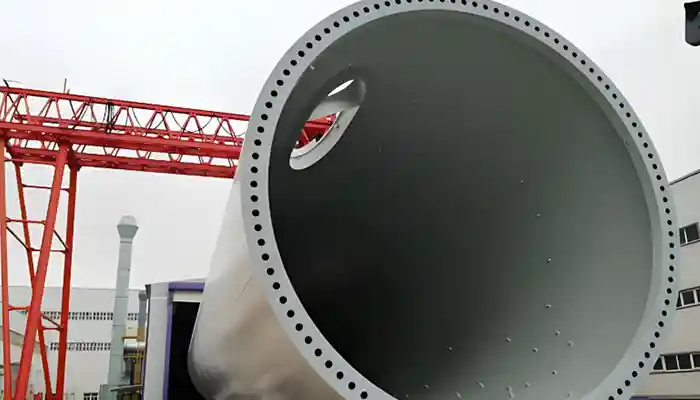
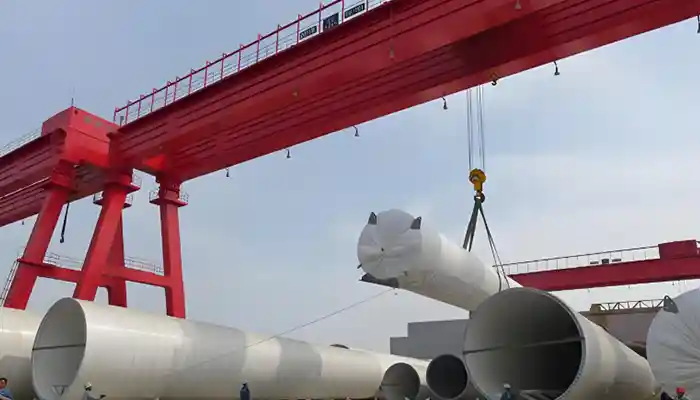
truss gantry crane for wind power tower mold handling
Conclusion: Choosing the Right Crane for Your Wind Power Tower Mold Production
Selecting the right top running overhead crane for wind power tower mold production is an important decision that affects the efficiency, safety, and long-term success of your operations. The right crane helps ensure smooth, safe, and cost-effective production, and choosing the wrong one can lead to delays, safety risks, and unnecessary costs.
Why Choosing the Right Crane Matters
When picking a top running crane, consider the following key factors:
- Mold Size and Weight: Wind tower molds vary in size and weight, so it’s crucial to match the crane’s capacity to the specific molds you’re working with. A 10 ton crane works well for smaller molds, while larger molds for offshore wind towers may need a 100 ton crane to handle the extra weight.
- Production Needs: The crane should match the speed and volume required for your production. A top running crane with features like smooth hoisting systems, dual hoists, and remote control can speed up the process, minimize downtime, and boost productivity.
- Safety: Handling heavy, oversized molds requires top-notch safety features. Anti-sway technology, emergency stop functions, and load limiters are essential for preventing accidents and making sure that everything moves safely during production.
By considering these points, you can choose a crane that meets your current needs and ensures a safe, smooth operation.
Tips for Picking the Right Crane
Here are some tips to help you evaluate crane options:
- Think About Future Growth: Choose a crane that meets your current needs but also allows for future growth. A crane with a slightly higher capacity than you need now can help you avoid replacing it as your production grows.
- Look for Flexibility: Wind tower molds come in different shapes and sizes. A crane with customizable features, like adjustable hooks or dual hoist systems, can help handle various mold types, making your production line more flexible.
- Consider Maintenance: A crane that’s easy to maintain and repair will save you money in the long run. Look for cranes made with durable materials that can handle the wear and tear of daily use, especially in tough environments.
- Energy Efficiency: Cranes that use less power are not only better for the environment, but they can also reduce your operating costs. Energy-efficient cranes can lower your utility bills over time.
- Reliability and Support: Make sure the crane comes with a good warranty and reliable after-sales support. A crane that’s built to last, with access to maintenance and repair services, will keep your production running smoothly and prevent costly downtime.
Choosing the right top running overhead crane for your wind power tower mold production is key to keeping your operation efficient, safe, and cost-effective. Whether you’re working with small molds or massive offshore sections, the right crane will improve productivity, reduce risks, and help you meet the growing demand for renewable energy. Taking the time to select the best crane for your needs ensures smooth, reliable production for years to come.

Yuantai Cranes
Overhead Crane Manufacturer with CE, ISO, SGS, CNEX Certificates.
- Main Specifications - Capacity: 0.5–550 tons | Span: up to 40m | Speed: 0.8–12 m/min | Duty: A3–A7 | Power: 380–690V, 50/60Hz | Control: pendant/remote/cabin
- Full engineering: FEA/PLC/VFD + in-house build + global delivery + on-site support, for workshops, factories, EPC contractors, industrial projects, etc.
- Support: design, manufacturing, testing, service – end-to-end, customized lifting solutions worldwide.
How to Get an Accurate Crane Price for Your Application?
Tips: Copy the spec list, fill in your details, and paste it into the form on the right/ down-below for a quick price.
- Crane type:_____ . (e.g., overhead crane, gantry crane, jib crane)
- Max weight to lift:_____ tons. (e.g., 2t, 5t, 10t, 20t, 50t)
- Lifting height:_____ m. (How high does the hook need to reach?
- Workshop width (span):_____ m . (Distance between the two crane rails)
- Travel distance:_____ m . (How long does the crane need to move along the runway?)
- Control type:_____. (Pendant / remote / cabin Control)
- Power supply:_____. (Local voltage & frequency – e.g., 380V, 50Hz, 3-phase)
- What will it be used for?_____ (e.g., steel fabrication, concrete products, mold handling, general manufacturing, etc.)
- Any special requirements?_____ (e.g., extreme temperature, dusty or explosive environment, special paint color, etc.)
Just leave a message via the contact form and our hoist and crane engineer will contact you with in 24working hours.
Get Your Custom Quote–Quick & Easy
Fill in what you know. Skip what you don't – we'll help.Any question will be reply with 24 working hours