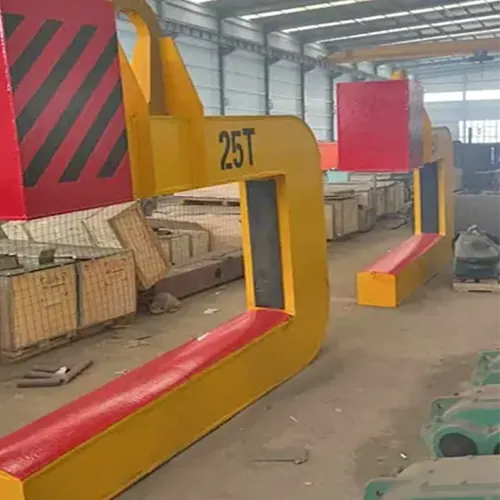
Coil Handling

Your Trusted Overhead Travelling Crane Manufacturer & Supplier

Steel Coil Handling Equipment, Overhead Crane System
Vertical / Horizontal Steel Coils Lifting Devices 5 Ton, 10 Ton, 20 Ton, 30 Ton, 50 Ton

Steel coil is a finished steel product that has been wound or coiled after rolling; its breadth is substantially greater than its thickness. Steel coil can be Hot Rolled, Cold Rolled, or Galvanized, depending on the manufacturing procedure. For different coil handling, there are various types of coil handling equipment and lifters available to increase steel coil handling safety and efficiency.

Overhead Crane Coil Handling Systems

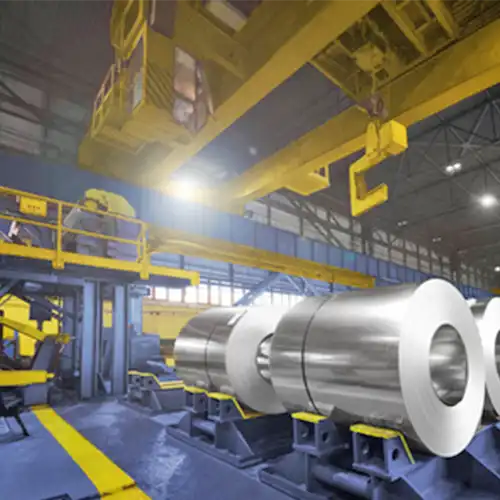
Overhead crane coil handling systems are specialized material handling systems used largely in the steel and aluminum industries for the effective lifting, transportation, and storage of coils.

Steel coil handling has strict requirements for hot rolling and cold rolling coil rolling mills. For coil loading and unloading, the PLC-controlled coil handling overhead cranes have advanced features and a smart function, which provide safe and accurate control over motor rotation and braking.

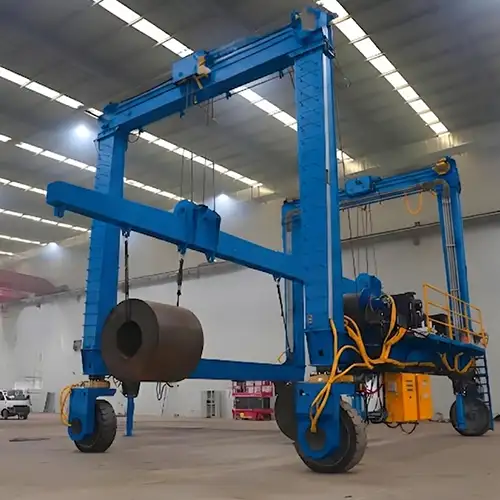
The overhead crane coil handling systems are specialized  bridge cranes and gantry cranes designed for the handling of steel coils in industrial environments. These industrial overhead cranes are generally utilized in steel mills, coil storage facilities, and other industrial environments in which steel coils must be handled, stored, or transported.

Overhead crane coil handling systems are designed for lifting and transporting steel coils of various sizes and weights.These cranes are often equipped with specific lifting devices such as C-hooks, tongs, or lifting magnets that are designed to grasp and lift steel coils safely.

Electric overhead crane systems are also manufactured to operate in confined places and with great precision, making them optimal for usage in environments with limited space or high precision.

Types of coil handling system based on crane structures
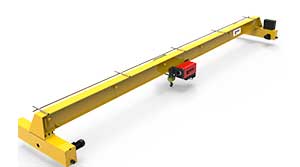
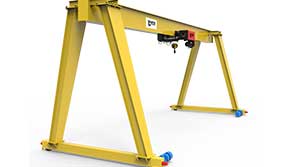
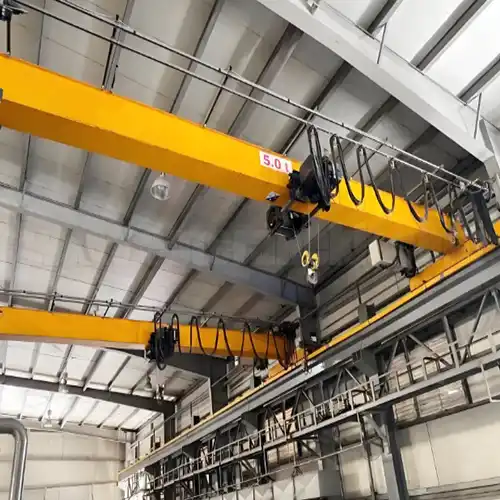
<single girder overhead crane for vertical coil lifting with capacity up to 20 ton
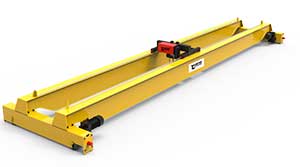
Single girder overhead crane system  for steel coil lifting with capacity up to 20 ton 

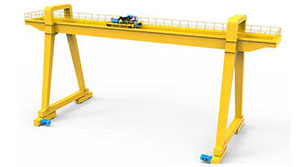
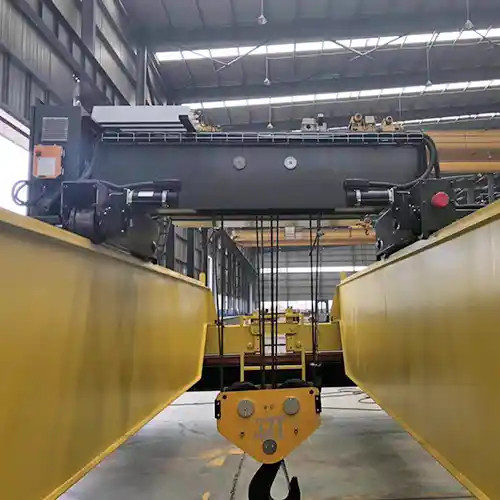
<double girder overhead crane for vertical coil handling with capacity of 5 ton and up to 80 ton

Double girder overhead crane for steel coil handling with capacity of 5 ton and up to 80 ton 
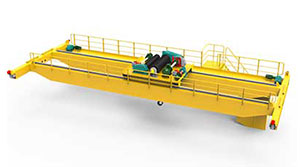
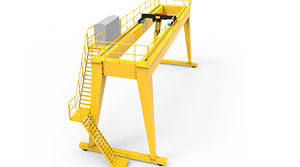
<Heavy duty open winch overhead crane with processed design with capacity up to 320 ton

For types of steel coils handling

The custom steel electric crane coil handling systems can be customized for different types of steel coil handling with particular  lifting capacity form 5 ton, 10 ton, 20 ton, 30 ton, 40 ton, 50 ton and above. Based on the specifications, dimensions, and weights of general steel coils which vary depending on the specific type of steel, the thickness of the coil, and the intended use, the steel coil handling equipment and lifters can be customized. Generally, the overhead crane systems can be used to handling steel coils with the following dimensions and weights:

  • Hot-rolled steel coil handling : Hot Rolled coil is produced from semi-finished products that are reduced to certain thicknesses by rolling and annealing and winding into a roll.For hot rolled steel coil handling, the coil handling equipment are typically used to handling rolled steel coils with a thickness range of 1.2mm to 25mm and a width range of 800mm to 2,000mm and with the lifting capacity from a few hundred kilograms to 30 tons.
  • Cold-rolled steel coil handling : Cold Rolled coil is produced from hot-rolled steel that is further processed to produce a more highly finished product. Cold Rolled coil has a smoother surface, greater dimensional accuracy, and greater strength than Hot Rolled coil.For coil rolled steel coil handling, the overhead crane systems are typically used for handling coils  with a thickness range of 0.4mm to 3.5mm and a width range of 600mm to 2,000mm and with the lifting capaacity range from a few hundred kilograms to 20 tons.
  • Galvanized steel coil handling : Galvanized coil has a special zinc coating that has been added to protect the underlying steel from atmospheric exposure. For galvanized coils, the overhead coil lifting equipment and lifting devices are  typically used to handle coils with a thickness range of 0.12mm to 4mm,  a width range of 600mm to 1,500mm and with capacity for handling steel coils with the weight from a few hundred kilograms to 25 tons.
  • Stainless steel coil handling : Stainless steel coils are rolls of steel that are made from a type of steel alloy that contains at least 10.5% chromium. This chromium content gives stainless steel its unique properties, including resistance to corrosion, staining, and rust.For stainless steel coils, the typically used overhead cranes are used to handling steel coils with a thickness range of 0.3mm to 6mm, a width range of 600mm to 2,000mm, and with weight from a few hundred kilograms to 20 tons.

For different industrial uses and applications

To meet different industrial requirements, the steel coils lifting equipment and lifting devices can be customized to meet the specific industrial applications. For example, the industrial overhead crane lifting equipment can be used to improve your operation efficiency and safety.

  • Construction: Steel coil handling equipment is used in the construction industry for a variety of applications, including roofing, framing, and structural supports operations, etc.
  • Automotive: Steel coil handling equipment used in the automotive industry for the material handlings of car frames, doors, and other components, etc.
  • Manufacturing: Steel coil handling overhead cranes are used in the manufacturing industry for the material handling operation of appliances, furniture, and other consumer goods.
  • Energy: Steel coil handling equipment is used in the energy industry for the handling operation of pipelines, tanks, and other equipment handling.etc.
  • Packaging: Steel coil overhead cranes are used in the packaging industry for the lifting operation of metal containers and other packaging materials.
  • Shipbuilding: Steel coil lifting equipment are used in the shipbuilding industry for the lifting and moving of hulls, decks, and other components, etc.

These are just a few examples of the many uses and applications of steel coil handling equipment and coil handling systems. Custom industrial overhead cranes are available for your particular applications. Contact us today to check what we can do to save your steel coils and rolls handling.

For horizontal coil & vertical coil handling

What factors influence the coil handling equipment and device you select? It is determined by the frequency with which coils are moved and whether the orientation of the coil eye—the center hole—changes during the handling operation.

Horizontal coil handling

Coils are commonly stacked with the eye horizontal in steel warehouses and service centers. C-hook-style lifters and two-arm coil grabs are items developed for handling coils in this position. Optional equipment for the coil grab includes urethane padding for further coil protection, a built-in load scale for exact coil weight measurement, and a photo-electric sensor for easier foot alignment.
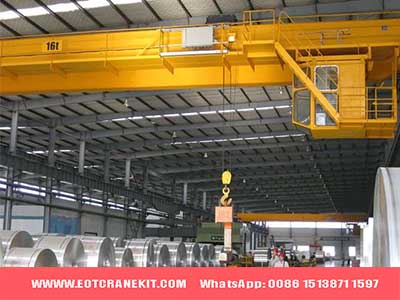
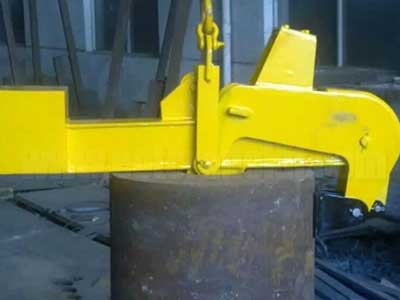
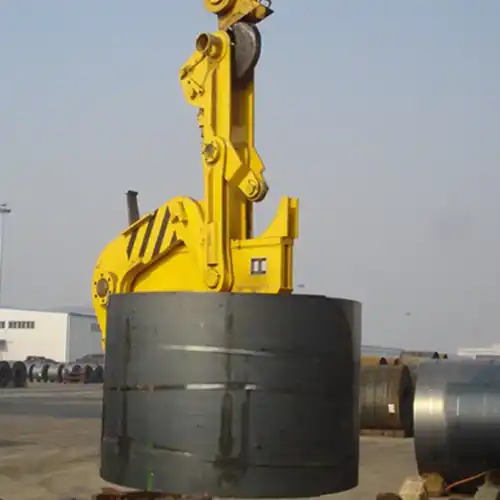
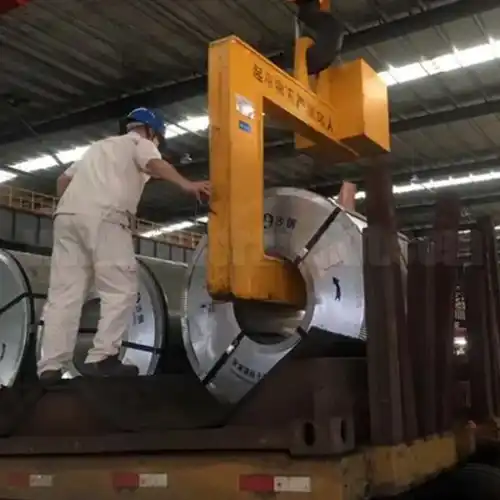
<C hooks cranes: These cranes have a specialized C-shaped hook attachment that is designed to lift and transport steel coils in a horizontal position.
C hooks cranes: These cranes have a specialized C-shaped hook attachment that is designed to lift and transport steel coils in a horizontal position.

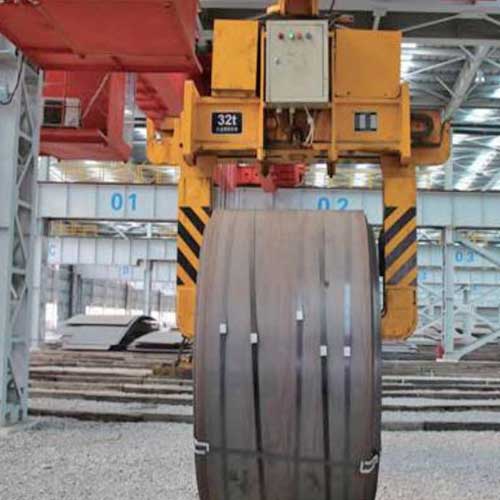
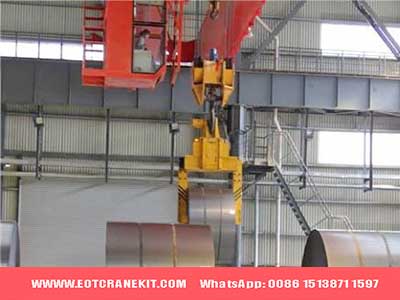
<Coil clamp cranes: These cranes use a specialized clamp attachment that is designed to securely grip the coil and lift it in a horizontal position.
Coil clamp cranes: These cranes use a specialized clamp attachment that is designed to securely grip the coil and lift it in a horizontal position.

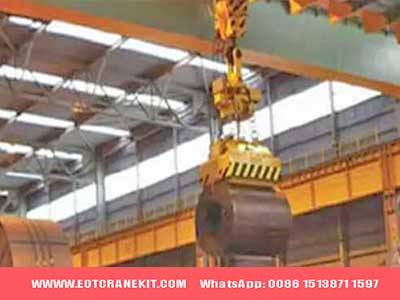
<Magnetic overhead cranes: These cranes use a magnetic lifting attachment to lift and transport steel coils in a horizontal position or vertical positions.

Magnetic overhead cranes: These cranes use a magnetic lifting attachment to lift and transport steel coils in a horizontal position or vertical positions.

Vertical coil handling

Vertical eye coil lifters are used to handle vertically stacked coils after they have been slit to size during the production process. Vertical lifters come in a variety of forms, and the optimum one for the job depends on how frequently, how many, and the IDs of the coils you move in a typical workday.
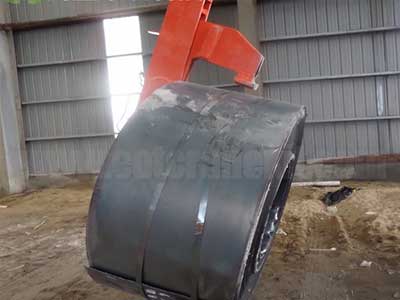
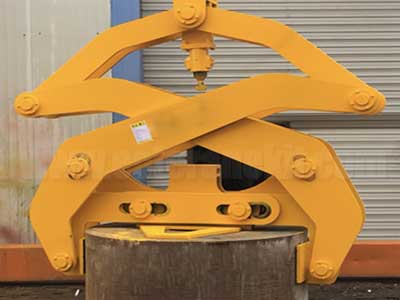
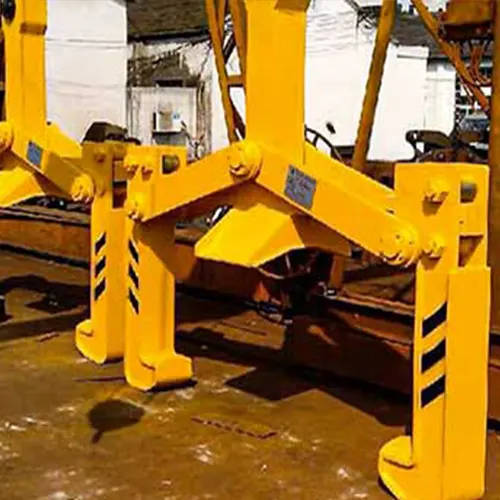
<Vertical coil lifting & flipping tong/ clamp
Vertical coil lifting & flipping tong/ clamp
<Automatic vertical coil tong double grip type
Automatic vertical coil tong double grip type
<Simple vertical coil tong single grip
Simple vertical coil tong single grip

Your Trusted Overhead Crane Manufacturer & Supplier
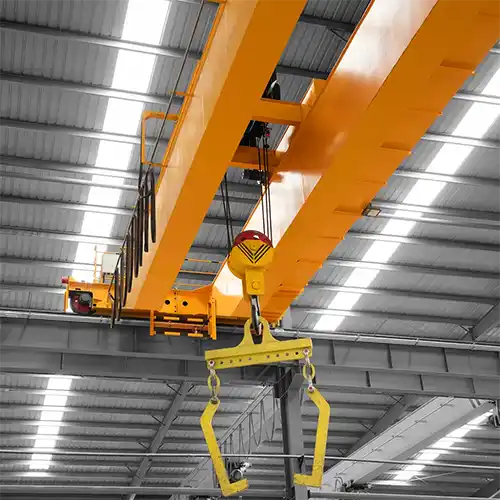
Hot Sale Overhead Coil Handling Equipment & Lifting Devices
Design Coil Handling Crane & Lifting Devices for You

Horizontal Steel Coil Lifting Equipment: C Hook, Clamp, Magnet Crane

Horizontal Steel Coil Lifting Equipment: C Hook, Clamp, Magnet Crane

Overhead steel coil lifting equipment overview , ie. overhead bridge cranes, goliath gantry cranes, c hook crane, clamp cranes & magnet crane,etc. Custom design for you.

C Hook Coil Handling System &C hook Coil Lifting Device

C Hook Coil Handling System &C hook Coil Lifting Device

Coil handling system with for steel coils & metal coil handling in horizontal position. Get your coil handling overhead crane system & device.

Vertical Coil Lifting Equipment | Overhead Crane & Coil Tongs

Vertical Coil Lifting Equipment | Overhead Crane & Coil Tongs

Vertical coil lifting equipment, all types of overhead cranes & gantry cranes with vertical coil lifter, i.e, coil tong, automatic coil clamps, magnets, etc.

Coil Grab & Coil Gripper, Telescopic Grab for Horizontal Eye Coil

Coil Grab & Coil Gripper, Telescopic Grab for Horizontal Eye Coil

Coil Grab & Coil Gripper for sale. Telescoping coil grab for horizontal eye coil lifting. Get custom motorized coil grab & gripper design,your grip tong!

Mechanical Clamp Coil Clamp |Horizontal Eye Steel Coil Clamp & Gripper

Mechanical Clamp Coil Clamp |Horizontal Eye Steel Coil Clamp & Gripper

Mechanical clamp coil clamp for sale. Mechanical clamp for horizontal eye coil handling, ie. steel coil & wire coils, etc. Get mechanical coil grippers !

15T vs 25T vs 32T Coil Handling Cranes: Choosing the Right Capacity

15T vs 25T vs 32T Coil Handling Cranes: Choosing the Right Capacity

Compare 15-ton, 25-ton, and 32-ton coil handling cranes. Learn how to select the right capacity to ensure safety, efficiency, and long-term crane performance.

Heavy Duty C-Hook Crane 5 Ton for  Aluminum Coil Handling

Heavy Duty C-Hook Crane 5 Ton for Aluminum Coil Handling

Heavy Duty C-Hook Crane for Sale. Custom 5 ton crane for handling aluminum coil enable efficient optimizing productivity in aluminum production facilitie.

Heavy Duty 16 Ton C-Hook Crane for Large Roll in Metal Production

Heavy Duty 16 Ton C-Hook Crane for Large Roll in Metal Production

Heavy Duty C-Hook Cranes16 ton expertly handle large roll in demanding metal production facilities for efficient material handling. 16 ton crane for sale.

Coil Handling C-Hook Cranes 5 ton, 10 ton, 16 ton, 25 ton, 32 ton

Coil Handling C-Hook Cranes 5 ton, 10 ton, 16 ton, 25 ton, 32 ton

C hook crane for sale. C-Hook Cranes efficiently handle heavy coils, providing secure lifting, precise control & versatility for industrial applications.

Tailored C Hook : How to Custom C Hook for Steel Coil Handling

Tailored C Hook : How to Custom C Hook for Steel Coil Handling

Steel coil C hook 5 Ton, 10 Ton, 16 Ton, 25 ton, 32 ton for sale. How to select suitable C hook design for steel coil handling? Get your crane C Hook.

25 Ton C hook for Sale Japan, C Hook for Steel Coil Handling

25 Ton C hook for Sale Japan, C Hook for Steel Coil Handling

25 ton c hook for sale, custom c hook 25 ton for steel coil handling in steel mill in Japan, cost-effective overhead crane c hook device from China. Click!

Your Trusted Steel Coil Crane Manufacturer & Supplier
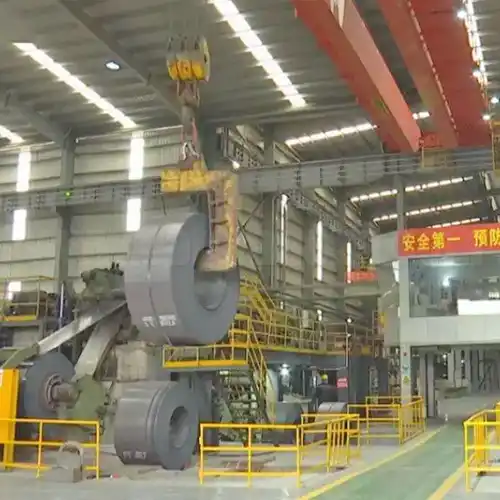
Steel Coil Handling Cranes for Sale
RFQ Checklist for Coil Handling Crane Buyers

Key Takeaway

Crane Capacity & Load Requirements

  • Define maximum coil weight and include a safety margin (10–20%).
  • List typical coil dimensions (width, inner/outer diameter).
  • Determine lift frequency (single vs. multiple daily lifts) and consider dynamic loads.

Workshop & Environmental Conditions

  • Document building height and runway dimensions.
  • Verify floor load capacity.
  • Note environmental conditions: indoor/outdoor, temperature, dust, humidity.
  • Identify special conditions: explosion-proof requirements, corrosive atmosphere, or outdoor use.

Handling Method Preferences

  • Choose lifting method: mechanical hooks, coil clamps, C-hooks, or magnets.
  • Consider safety and material protection requirements.

Technical Specifications

  • Select crane type: single/double girder, top-running or under-running.
  • Specify span, lifting height, and travel length.
  • Include hoist type and speed.
  • Define duty class (ISO/CMAA).
  • Confirm power supply and control method (pendant, radio, cabin).
  • List required safety features: limit switches, overload protection, emergency stop.

Documentation & Compliance

  • Specify certifications: ISO, CE, local standards.
  • Include third-party inspection requirements.
  • Clarify maintenance support, spare parts availability, and warranty terms.

Budget & Cost Considerations

  • Provide breakdown of costs: equipment, installation, commissioning.
  • Include optional features: remote monitoring, automation, advanced clamps.
  • Compare total cost of ownership vs. initial purchase price.

RFQ Submission Best Practices

  • Prepare clear, detailed scope of supply.
  • Use a standardized format for vendor comparison.
  • Communicate timeline expectations and site visit requirements.
  • Ask vendors key questions: references, customization experience, lead times, and compatibility with existing equipment.

Overview

Coil handling cranes are a vital part of any steel service center, processing plant, or mill. These cranes are designed specifically to lift, move, and position heavy steel coils safely and efficiently. Unlike general-purpose overhead cranes, coil handling cranes come with specialized clamps, C-hooks, or even magnet systems that prevent damage to the material during transport. Choosing the right crane isn’t just about picking a model with the right tonnage—it’s about understanding how the crane will fit into your workflow, protect your materials, and maintain safety standards for operators.

Even experienced buyers often run into common challenges when requesting quotations for coil handling cranes. For example:

  • Incomplete quotes: Some suppliers may provide basic pricing without including essential items like installation, commissioning, or control systems.
  • Misaligned specifications: The quoted crane may not match your actual workshop dimensions, load requirements, or duty cycles.
  • Hidden costs: Accessories, spare parts, or specialized lifting attachments are sometimes not included in the initial price, leading to unexpected expenses later.

This is where a practical RFQ checklist comes into play. By having a clear, step-by-step list of requirements before contacting suppliers, buyers can:

  • Ensure procurement readiness: Know exactly what your plant needs and communicate it clearly to suppliers.
  • Reduce errors: Avoid mistakes caused by miscommunication or assumptions about specifications.
  • Compare vendors reliably: Standardize responses so quotes are easier to evaluate side by side.

A well-prepared RFQ saves time, prevents misunderstandings, and ultimately helps you select a coil handling crane that fits your facility and protects your investment. Using a checklist is not just a convenience—it’s a practical step that every serious buyer should take before making a purchase decision.

Your Material Handling Requirements

Before sending out an RFQ for a coil handling crane, it's crucial to have a clear understanding of what your facility really needs. Without this step, even the most detailed quote can miss the mark, leading to costly adjustments or delays. Let's break down the key aspects you need to consider.

Crane Capacity and Load Details

The starting point for any coil handling crane selection is knowing exactly what you need to lift and how often. Buyers often focus only on the maximum coil weight, but there's more to consider.

  • Maximum coil weight: Always base crane capacity on the heaviest coil you expect to lift. Remember to add a safety margin—usually 10–20%—to account for unexpected weight variations or dynamic forces.
  • Typical coil dimensions: Width, inner diameter, and outer diameter all affect the choice of clamp or lifting device. The crane must handle the full range of sizes safely.
  • Frequency of lifts: Lifting once a day is different from continuous operation. High-frequency lifts may require faster hoists or more robust duty cycles to prevent wear and downtime.
  • Dynamic load considerations: Moving a coil quickly or stopping suddenly increases the effective load on the crane. Factor in acceleration, deceleration, and any potential swinging of the load.

Taking time to document these details ensures the RFQ is precise and that suppliers propose solutions that are safe and practical.

Workshop or Plant Conditions

Even the best crane will perform poorly if your facility isn't ready for it. Buyers should evaluate physical and environmental conditions before requesting quotes.

  • Building height and runway dimensions: Know the maximum lifting height required and the crane's travel span. Check clearances, including roof beams, lighting, or ventilation equipment.
  • Floor load capacity: Ensure your floor or crane runway can support the combined weight of the crane, trolley, and fully loaded coils. Structural reinforcement may be needed.
  • Environmental conditions: Determine whether the crane will operate indoors or outdoors. Factors like extreme temperatures, dust, moisture, or humidity affect crane design and maintenance schedules.
  • Special conditions: Some plants may require explosion-proof equipment, corrosion-resistant components, or other modifications to meet safety regulations. These conditions should be noted in the RFQ.

Addressing these points in advance reduces surprises during installation and ensures the crane will work reliably in your specific environment.

Handling Method Preference

The way you lift and move coils affects both safety and efficiency. Your choice of handling method should balance protection of the material, ease of use, and operator safety.

  • Mechanical hooks, coil clamps, or C-hooks: Traditional and widely used, suitable for standard coils, but may require careful alignment to avoid damage.
  • Magnet systems: Useful for quick handling of steel coils without physical contact, but they need reliable power supply and careful operator control.
  • Safety and material protection considerations: Evaluate the risk of scratches, deformation, or dropping during handling. The right method minimizes material loss and reduces operational risk.

Selecting the correct handling method is just as important as choosing the right crane capacity. Including these preferences in your RFQ helps suppliers propose solutions that match your workflow and material protection requirements.

Essential Technical Specifications for RFQ

When preparing an RFQ for a coil handling crane, providing clear technical specifications is essential. These details help suppliers give accurate quotes and prevent misunderstandings that could delay procurement or increase costs. The more precise your specifications, the better the supplier can tailor a solution to your needs.

Crane Type

The type of crane determines how it moves, supports loads, and fits into your facility. Buyers should specify:

  • Single vs. double girder: Single girder cranes are generally simpler and cost-effective for lighter loads, shorter spans, or lower lifting heights. Double girder cranes handle heavier loads, longer spans, and higher lifts with more stability.
  • Top-running vs. under-running: Top-running cranes run on rails mounted above the workshop floor, suitable for heavy loads and long spans. Under-running cranes attach to the building structure or runway below, often used in smaller workshops with limited headroom.

Clarifying the crane type upfront ensures the quote matches your facility layout and lifting requirements.

Span, Lifting Height, and Travel Length

These dimensions define the operational envelope of the crane:

  • Span: The distance between runway rails or beams. This affects beam design and the overall crane structure.
  • Lifting height: Maximum vertical distance the hoist must reach. Consider the tallest coil plus any space for hooks, clamps, or spreaders.
  • Travel length: The distance the crane moves along the runway. Longer travel may require additional end stops, intermediate supports, or increased motor power.

Providing these measurements ensures the crane will operate safely and efficiently within your facility.

Hoist Type and Speed

The hoist is the core of a coil handling crane. Buyers need to specify:

  • Hoist type: Wire rope or chain hoist. Wire rope hoists are preferred for heavy, high-frequency lifting, while chain hoists are suitable for lighter loads or slower operations.
  • Hoist speed: Lifting speed affects cycle time and productivity. Some facilities may require dual-speed or variable-speed hoists for precision handling of delicate coils.

Including hoist details helps suppliers propose a solution that balances speed, safety, and longevity.

Duty Class (ISO/CMAA Classification)

Duty class indicates how often the crane will operate and under what load conditions:

  • ISO/CMAA standards classify cranes based on usage, frequency, and load weight.
  • Choosing the correct duty class ensures components like motors, brakes, and gears are rated for your operation, preventing premature wear or failure.

A misclassified duty rating can lead to maintenance issues, downtime, or unsafe operation.

Power Supply and Control Method

The crane's electrical requirements and control options must match your facility's infrastructure:

  • Power supply: Voltage, phase, and frequency. Make sure your facility's electrical system supports the crane without modifications.
  • Control method: Pendant, radio remote, or cabin. Each has pros and cons in terms of operator visibility, safety, and ease of use.

Clear specification of power and controls avoids compatibility problems and ensures smooth commissioning.

Safety Features

Safety is non-negotiable when lifting heavy coils. Include the following in your RFQ:

  • Limit switches: Prevent the crane or hoist from exceeding safe travel or lift limits.
  • Overload protection: Ensures the crane does not lift beyond its rated capacity.
  • Emergency stop: Immediately halts crane operation in hazardous situations.

Specifying safety features upfront ensures compliance with industry standards and protects both personnel and materials.

Documentation and Compliance

When buying a coil handling crane, technical specifications alone aren't enough. Proper documentation and compliance details ensure that the crane meets safety standards, operates reliably, and can be serviced efficiently throughout its life. Including these in your RFQ helps you compare vendors fairly and avoid surprises after delivery.

Required Certifications

Certifications verify that the crane meets recognized quality and safety standards. Buyers should specify:

  • ISO certification: Confirms that the manufacturer follows international quality management standards.
  • CE marking: Required for equipment entering the European market, indicating compliance with safety directives.
  • Local or national standards: Depending on your location, additional certifications may be required, such as CMAA, JIS, or national electrical and structural safety codes.

Providing these requirements in your RFQ ensures suppliers submit compliant equipment and prevents regulatory issues during operation.

Third-Party Inspection Requirements

Independent inspections provide an extra layer of safety and quality assurance. Buyers should consider:

  • Factory acceptance tests (FAT) before shipment.
  • Inspection by recognized third-party agencies for load testing, structural integrity, and mechanical performance.
  • Documentation of inspection results included in the delivery package.

Requesting third-party inspection in your RFQ ensures that the crane meets specifications and functions safely under real-world conditions.

Maintenance and Spare Parts Support

Reliable service is critical for long-term operation. Your RFQ should ask suppliers to clarify:

  • Availability of spare parts and lead times.
  • Recommended preventive maintenance schedules.
  • Support for troubleshooting, repairs, and technical guidance.

Including these details upfront prevents downtime and ensures that your crane can be maintained without excessive cost or delay.

Warranty Terms and Service Agreements

A clear warranty and service agreement protect your investment. Buyers should specify:

  • Duration and coverage of the warranty (e.g., mechanical, electrical, or full system).
  • Terms for handling defects or component failures.
  • Optional extended service agreements or on-site support.

A well-defined warranty and service plan reduces risks and provides confidence that the supplier stands behind their equipment.

Budget and Cost Considerations

Budget is often the first thing buyers think about, but it's important to look beyond the initial price tag. A coil handling crane is a long-term investment, and understanding all costs upfront helps prevent unexpected expenses and ensures the crane fits your operational needs.

Breakdown of Costs

When requesting a quotation, ask suppliers to provide a detailed cost breakdown. This helps you compare quotes accurately and see where your money is going:

  • Equipment cost: The base price for the crane, hoist, and lifting attachments.
  • Installation: Labor, rigging, and any modifications to the building or runway.
  • Commissioning: Testing, adjustments, and operator training before the crane goes into full operation.

Having a clear breakdown allows you to identify hidden costs and ensures there are no surprises during the purchase process.

Optional Features

Some optional features can improve efficiency, safety, or long-term value, but they also add to the cost. Buyers should consider:

  • Remote monitoring: Enables real-time tracking of crane performance and early detection of maintenance needs.
  • Automation: Semi- or fully automated operations can improve precision and reduce manual handling, especially for high-frequency lifts.
  • Advanced clamps or spreaders: Custom lifting devices may reduce coil damage and improve handling efficiency, especially for unusual coil sizes or weights.

Including optional features in your RFQ allows suppliers to quote accurately and helps you decide which upgrades are worth the investment.

Total Cost of Ownership vs. Initial Purchase Price

It's easy to focus on the lowest bid, but the real cost of a crane extends beyond the initial purchase:

  • Energy consumption: Heavier or high-speed cranes may increase electricity costs.
  • Maintenance: Frequent servicing, parts replacement, or downtime can add significant expenses.
  • Operational efficiency: A crane that moves faster or reduces material damage may pay for itself over time.

Encourage suppliers to provide estimated operating costs along with the purchase price. This way, you can compare vendors based on total cost of ownership rather than just the upfront cost.

RFQ Submission Best Practices

Sending out an RFQ is more than just listing your crane requirements. How you structure and submit your request can directly affect the accuracy and comparability of the quotes you receive. Following best practices ensures suppliers understand your needs clearly and respond with useful, actionable proposals.

Clear, Detailed Scope of Supply

A clear scope reduces confusion and ensures every supplier quotes for the same requirements. Include:

  • All equipment items (crane, hoist, clamps, control system, accessories).
  • Installation, commissioning, and operator training requirements.
  • Any special considerations like corrosion protection, explosion-proof components, or outdoor use.

The more specific you are, the less chance there is for misaligned quotes or hidden costs later.

Standardized Format for Comparison

Using a standardized format makes it easier to evaluate multiple suppliers side by side:

  • Request line-item pricing for each component or service.
  • Ask for specifications to be presented in a consistent structure (e.g., crane type, capacity, span, lifting height).
  • Include a simple table or spreadsheet template if possible.

This approach allows you to quickly spot differences, check compliance, and make an informed decision without ambiguity.

Timeline Expectations for Responses

Communicate clear deadlines for submission and any stages of follow-up:

  • Specify a date by which suppliers must respond.
  • Include any milestones for clarification questions, revisions, or additional documentation.
  • Allow sufficient time for suppliers to prepare accurate quotes, especially if site visits or custom designs are involved.

Clear timelines keep your procurement process on track and reduce last-minute surprises.

Site Visit Requirements (If Applicable)

In some cases, suppliers may need to inspect your facility to provide accurate proposals:

  • Include whether a site visit is mandatory or optional.
  • Provide drawings, photos, or measurements to reduce the need for multiple visits.
  • Highlight any safety or access restrictions they should be aware of.

This ensures vendors understand the environment and constraints, leading to more accurate quotes and fewer surprises during installation.

Questions to Ask Vendors

Including key questions in your RFQ helps you evaluate the supplier's experience and capabilities:

  • Have they supplied cranes for similar coil types or weights?
  • Can they provide customization for special lifting devices or unique workshop conditions?
  • What is their track record for on-time delivery and post-sale support?

Asking these questions upfront allows you to assess both the equipment and the vendor, reducing risk and ensuring a smoother procurement process.

Practical Tips for Buyers

Even with a detailed RFQ and specifications, practical considerations can make a big difference in getting the right coil handling crane. These tips are drawn from real-world experience and help ensure your procurement process is smooth, efficient, and cost-effective.

Include Sketches or Photos of Existing Workshop for Reference

Visual references help suppliers understand your facility and propose solutions that fit accurately:

  • Provide floor plans, overhead views, or photos of the crane runway and workshop layout.
  • Highlight obstacles, clearances, and any unique structural elements.
  • Indicate locations for power supply, control panels, and storage areas.

Even a simple sketch can prevent miscommunication and ensure the crane is properly sized and installed.

Ask for References or Case Studies of Similar Installations

Supplier experience matters, especially for specialized coil handling cranes:

  • Request examples of projects with similar coil weights, dimensions, and handling methods.
  • Ask for client references or documented case studies showing crane performance and reliability.
  • Verify any claims regarding customization or handling of unusual coil types.

This helps confirm the supplier can meet your requirements and reduces risk during installation and operation.

Verify Lead Times and Delivery Schedules

Delays can disrupt production schedules and increase costs:

  • Ask for estimated manufacturing and shipping times.
  • Clarify whether delivery includes installation and commissioning or just equipment supply.
  • Check if there are potential bottlenecks due to custom features, optional attachments, or local regulations.

Knowing the timeline in advance allows you to plan installation, training, and production schedules accurately.

Confirm Compatibility with Existing Material Handling Equipment

Your new crane must integrate seamlessly with your existing systems:

  • Ensure runway dimensions, hoist interfaces, and control systems are compatible.
  • Check whether existing storage racks, conveyors, or handling trolleys require modifications.
  • Verify that power supply and control protocols match current infrastructure.

Addressing compatibility upfront prevents costly retrofits or operational interruptions after installation.


Free consultation to Confirm Parameters & Specifications and Get

Latest Crane Price & Crane Rate.

  • Types of overhead cranes : _______?
  • Optional: Overhead travelling crane, goliath gantry crane,Slewing jib crane, Single girder or double girder crane,small portable crane or kbk crane, etc.
  • Capacity of overhead crane: _______?
  • Optional: 0.25ton, 0.5 ton, 1 ton, 2 ton, 3ton, 5 ton, 10 ton,15ton, 20ton, 25 ton, 30ton,35ton, up to 550ton, etc.
  • Crane span & lifting height : _______?
  • Crane travelling length : _____?
  • Control of overhead crane:_______?
  • Optional: pendant/ remote/cabin control
  • Voltage supply of overhead crane:_____?
  • Eg,: 380V50/60HZ,3Phase or others,etc.
  • Application/usage of crane:_______?
  • Eg,: Steel mill, ,injection mold, cement,stone, concrete,granite, general manufacturing, etc.
  • Just leave a message via the contact form and our hoist and crane engineer will contact you with in 24working hours.

Get In Touch

Feel Free
to Contact With us