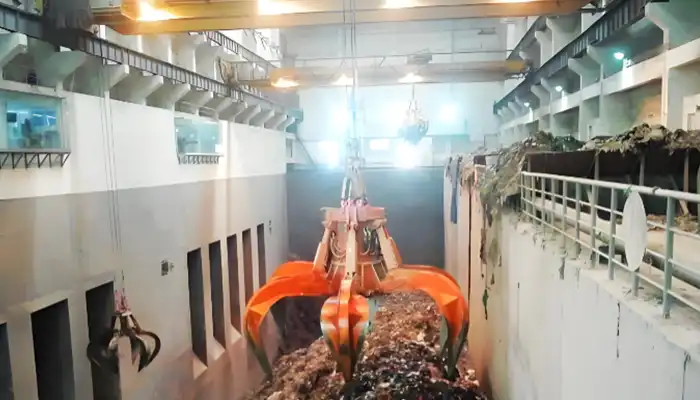
Single Hopper Waste Feeding: Grab Bucket Precision Tips
Content Quick Link
Single Hopper Waste Feeding: Why Grab Bucket Precision Prevents Plant Shutdowns
Introduction
When a municipal solid waste (MSW) plant experiences a shutdown, it's rarely because of the big, obvious things. More often, it's the small details—like a grab bucket missing its mark—that cause a chain reaction. Smooth waste feeding is critical, and the precision of your grab bucket can make or break daily operations.
Why it matters: Modern MSW plants depend on single hopper waste grab cranes for steady, consistent waste intake. These cranes don't just move material—they control flow, protect equipment, and keep the plant running efficiently.
The main takeaway is simple: understanding garbage crane feeding accuracy isn't just technical jargon—it's essential for keeping your plant operational and avoiding unplanned downtime.
Single Hopper Waste Feeding
Single hopper systems are central bins where waste first enters a plant. They are common in waste-to-energy plants and landfill operations. Accuracy in feeding is essential to prevent operational issues.
What is a Single Hopper System?
A single hopper system is a central bin where waste first enters a plant before being processed further. Unlike multi-hopper systems, there is no backup intake, so every bucket counts.
Key Points About Single Hopper Systems
- Receives waste from trucks, conveyors, or other transfer points.
- Requires consistent, controlled input to prevent blockages.
- Feeds downstream equipment like furnaces or conveyors, so accuracy affects the whole operation.
Common Challenges
- Waste bridging: Loose material arches over itself, stopping flow.
- Overfilling: Too much waste at once can strain hopper walls and conveyors.
- Uneven distribution: Improper placement can wear surfaces or damage mechanisms.
These challenges highlight why feeding accuracy is not optional—it's a practical necessity for smooth, continuous operation.
The Role of the Waste Grab Crane
The grab crane is more than a lifting tool—it's the plant's first line of defense against feeding problems. Its precision determines whether waste flows smoothly or causes delays.
Critical Functions of the Grab Crane
- Controlled intake: Scoops a consistent amount of waste per cycle.
- Precise placement: Ensures waste is deposited evenly to prevent bridging.
- Continuous support: Reduces equipment strain and unplanned downtime.
Even small improvements in crane operation—like adjusting the scoop angle or timing—can dramatically reduce maintenance issues. Accurate feeding keeps your hopper and downstream equipment running longer.
Feeding Stability vs Speed
Balancing throughput and precision is essential in waste handling. Faster crane cycles may seem efficient but can create hopper blockages, overfilling, or equipment damage if not controlled properly.
Balancing Throughput and Precision
In waste handling, speed can be tempting. Operators want to get the hopper filled quickly to keep the plant running at full capacity. But moving fast without control often backfires. Rapid crane cycles can dump waste unevenly, causing bridging, overfilling, or even jamming the hopper entirely.
Think of it like pouring cereal into a narrow glass too fast—you end up spilling more than you pour. The same principle applies to single hopper waste grab cranes.
Practical Considerations for Operators
- Fast movement without careful placement increases risk of hopper blockage.
- Sudden drops or uneven distribution can damage the hopper lining and downstream conveyors.
- High-speed cycles require constant operator attention; otherwise, small mistakes multiply.
Example: A municipal waste plant in Europe increased crane cycle speed by 20% to boost throughput. Within days, operators noticed recurring hopper jams, forcing unplanned shutdowns for cleanup and mechanical inspection. The solution wasn't more speed—it was controlled, precise feeding at a sustainable pace.
Controlled Waste Discharge Techniques
Maintaining a steady, predictable feed is more effective than simply moving faster. Operators use a combination of crane control and bucket handling techniques to ensure waste enters the hopper smoothly.
Key Techniques to Minimize Issues
- Gradual dumping: Slowly release waste from the grab bucket instead of dropping it all at once.
- Even placement: Move the crane across the hopper to distribute waste uniformly.
- Bucket sizing: Adjust grab size to match waste density and hopper capacity.
- Monitoring feed rates: Use sensors or operator observation to prevent overfilling.
Why It Works
Proper feed rates and controlled discharge prevent hopper blockages and reduce wear on mechanical components. Smooth feeding also lowers the chance of overflows and keeps downstream equipment operating efficiently.
Anti-Sway and VFD Advantages
Anti-sway systems and variable frequency drives (VFD) are critical for maintaining precise and safe feeding in single hopper waste grab cranes, reducing blockages, spillage, and mechanical wear.
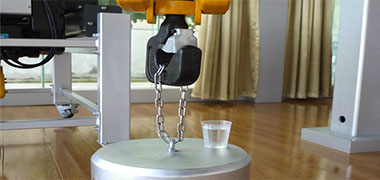
Anti-Sway Systems
One of the most overlooked but crucial features in a single hopper waste grab crane is the anti-sway system. Without it, the grab bucket can swing unpredictably, spilling waste outside the hopper or hitting the hopper walls, which leads to blockages and extra cleanup.
Benefits of Anti-Sway Systems
- Reduced material spillage: Waste lands exactly where it should, keeping the work area cleaner.
- Minimized hopper wall impact: Protects the hopper lining and reduces long-term wear.
- Enhanced operator efficiency: Less need for corrective maneuvers saves time and reduces fatigue.
- Improved plant safety: Fewer accidental swings reduce risk to personnel and equipment.
Even small swings at the top of a filled hopper can compact waste or cause bridging. Anti-sway technology helps the grab move smoothly and precisely, so feeding remains steady and predictable.
Variable Frequency Drives (VFD)
A VFD is another key technology that improves feeding precision. It allows the crane's grab bucket to accelerate and decelerate smoothly rather than jerking abruptly. This smooth motion makes all the difference when placing waste into a single hopper.
Advantages of VFDs
- Smooth acceleration and deceleration: Reduces sudden drops that can compact waste or cause bridging.
- Better feeding accuracy: Operators can place material exactly where it's needed.
- Energy efficiency: Controlled motor speed reduces unnecessary power consumption.
- Extended equipment life: Less mechanical stress on motors, gears, and grab components.
With a VFD, even high-capacity grabs can feed waste consistently without sudden jolts, helping avoid hopper jams and keeping the plant running at its best.
Common Hopper Failure Scenarios
Single hopper systems are prone to recurring issues that can cause unplanned downtime and costly repairs. Understanding these failures helps prevent operational disruptions.
Typical Issues
Even with experienced operators, single hopper systems are prone to certain recurring problems. Understanding these issues can help prevent unplanned downtime and costly repairs.
Common Hopper Failure Scenarios
- Waste bridging: Loose or compacted material forms arches inside the hopper, stopping flow and causing jams. This is the most frequent cause of unexpected stoppages in single hopper systems.
- Compacted material: Overly dense waste can settle unevenly, putting stress on the hopper walls and making discharge difficult.
- Mechanical wear: Repeated impacts from uncontrolled grab bucket swings can damage hopper linings, conveyors, and grab mechanisms.
- Overloading: Dumping too much waste in one cycle can strain the system and increase the risk of blockages or structural damage.
These issues don't just slow down operations—they can create a domino effect, impacting downstream conveyors, shredders, or incinerators.
Preventive Measures
Many hopper failures can be avoided with proper crane operation, regular maintenance, and strategic planning.
Key Preventive Measures
- Proper grab selection: Match the grab size and type to the waste material and hopper design. The right grab reduces compaction and ensures smoother placement.
- Routine maintenance: Inspect grab mechanisms, cables, and hopper linings regularly to catch wear before it causes failure.
- Controlled feed rates: Avoid dumping too much waste at once. Consistent, measured feeding keeps material flow steady.
- Monitoring and adjustment: Use sensors or visual checks to detect bridging or uneven waste distribution early, so operators can intervene before a blockage occurs.
- Operator training: Skilled operators understand the right speed, swing control, and placement techniques to prevent unnecessary hopper stress.
Practical Recommendations for Plant Operators
Running a single hopper waste system smoothly requires the right equipment, skilled operators, and preventive maintenance. Small adjustments and routine checks can save downtime and extend the life of both crane and hopper.
Choose Cranes with Advanced Anti-Sway and VFD Controls
- Anti-sway ensures the grab bucket moves smoothly, reducing spillage and minimizing impact on hopper walls.
- VFDs allow controlled acceleration and deceleration, giving operators precise placement and protecting mechanical components.
- Together, these features improve feeding accuracy and reduce unplanned stoppages.
Train Operators on Precise Bucket Handling and Feed Monitoring
- Proper training helps operators adjust speed, swing, and bucket placement based on waste type and hopper conditions.
- Teaching operators to watch for early signs of bridging or overfilling can prevent blockages before they occur.
- Emphasize the importance of consistent feed rates over rushing to maximize throughput.
Implement Routine Inspections to Identify Early Hopper Blockage Signs
- Inspect hopper linings, grab mechanisms, and conveyor interfaces regularly.
- Look for uneven wear, compacted material, or damage from repeated impacts.
- Early detection allows minor adjustments before small issues become full shutdowns.
Conclusion
High-precision single hopper waste grab cranes are more than just lifting tools—they are critical components that keep your plant running reliably. Accurate bucket placement, controlled feed rates, and smooth crane operation directly prevent unplanned shutdowns and minimize hopper blockages.
For plant managers, the takeaway is clear: investing time and resources into crane feeding accuracy isn't just about efficiency today—it's a long-term strategy for operational reliability. Evaluate your crane systems, train operators, and implement monitoring routines to maintain consistent waste flow. Doing so not only reduces downtime but also extends the life of your equipment and safeguards plant performance over the years.
In short, precise feeding is a small change that makes a big difference. When your crane works accurately, the hopper works smoothly, and the plant keeps moving—without interruption.

Article by Bella ,who has been in the hoist and crane field since 2016. Bella provides overhead crane & gantry crane consultation services for clients who need a customized overhead travelling crane solution.Contact her to get free consultation.
Yuantai Cranes
Overhead Crane Manufacturer with CE, ISO, SGS, CNEX Certificates.
- Main Specifications - Capacity: 0.5–550 tons | Span: up to 40m | Speed: 0.8–12 m/min | Duty: A3–A7 | Power: 380–690V, 50/60Hz | Control: pendant/remote/cabin
- Full engineering: FEA/PLC/VFD + in-house build + global delivery + on-site support, for workshops, factories, EPC contractors, industrial projects, etc.
- Support: design, manufacturing, testing, service – end-to-end, customized lifting solutions worldwide.
How to Get an Accurate Crane Price for Your Application?
Tips: Copy the spec list, fill in your details, and paste it into the form on the right/ down-below for a quick price.
- Crane type:_____ . (e.g., overhead crane, gantry crane, jib crane)
- Max weight to lift:_____ tons. (e.g., 2t, 5t, 10t, 20t, 50t)
- Lifting height:_____ m. (How high does the hook need to reach?
- Workshop width (span):_____ m . (Distance between the two crane rails)
- Travel distance:_____ m . (How long does the crane need to move along the runway?)
- Control type:_____. (Pendant / remote / cabin Control)
- Power supply:_____. (Local voltage & frequency – e.g., 380V, 50Hz, 3-phase)
- What will it be used for?_____ (e.g., steel fabrication, concrete products, mold handling, general manufacturing, etc.)
- Any special requirements?_____ (e.g., extreme temperature, dusty or explosive environment, special paint color, etc.)
Just leave a message via the contact form and our hoist and crane engineer will contact you with in 24working hours.
Get Your Custom Quote–Quick & Easy
Fill in what you know. Skip what you don't – we'll help.Any question will be reply with 24 working hours