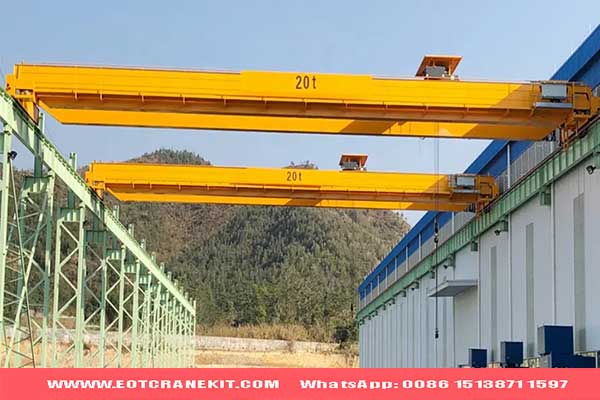
Engineering Checklist for Outdoor Crane Runways
Content Quick Link
Engineering Checklist for Designing Outdoor Runway Systems: Key Takeaways for Crane Buyers and Engineers
Most Important Takeaways:
Designing outdoor crane runway systems for overhead and bridge cranes is critical for safety, operational efficiency, and long-term durability. Proper planning reduces unexpected costs, ensures compliance with engineering standards, and improves crane performance in open-air environments.
Key Takeaways (Bullets):
- Outdoor runway system design is essential for load safety, structural stability, and efficient material flow.
- Site assessment—terrain, soil, wind, and environmental exposure—directly affects runway structure performance.
- Structural considerations include beam type, support column design, expansion gaps, and foundation selection.
- Crane specifications and load calculations determine beam size, support spacing, and dynamic stress handling.
- Safety compliance with local and international standards (ISO, CMAA, DIN, GB) is mandatory.
- Corrosion protection—coatings, galvanization, or powder coating—is key to long-term durability.
- Electrical and control systems must be weatherproof and accessible.
- Routine maintenance and inspection prevent downtime, misalignment, or structural failure.
- Construction accuracy, alignment, and commissioning are critical for operational reliability.
- Early collaboration between buyers, engineers, and suppliers ensures cost-effective, scalable, and safe crane runway systems.
Introduction
Outdoor runway systems are the backbone of any overhead or bridge crane operation in open-air environments. They are made up of rails, beams, and supporting structures that provide a stable path for cranes to move heavy loads safely and efficiently. Unlike indoor systems, outdoor runways must handle environmental challenges like wind, rain, temperature fluctuations, and corrosion. That makes their design not just important, but essential for smooth and safe operations.
A well-designed outdoor runway system helps ensure:
- Efficient load handling: Proper beam selection, support spacing, and alignment allow cranes to carry heavy loads without excessive stress or vibration.
- Personnel safety: Correct clearances, rail placement, and structural stability reduce the risk of accidents for workers and operators.
- Durability over time: Materials, coatings, and foundation designs protect the runway from corrosion, wear, and structural fatigue.
- Compliance with engineering standards: Following ISO, CMAA, DIN, or GB standards keeps your system legal and minimizes liability risks.
This checklist is designed for crane buyers, project managers, and industrial engineers who want a practical guide to planning, designing, and maintaining outdoor crane runways. It provides actionable steps to reduce operational risks, avoid unexpected costs, and make sure the system performs reliably for years to come. By considering every detail—from site conditions and beam choice to maintenance schedules—you can prevent small design oversights from turning into major operational headaches.
Outdoor crane runways are not just metal beams in the air—they are part of the production system. When properly designed, they let cranes move efficiently, safely, and reliably, even in challenging environments. This makes early planning and careful assessment critical for both short-term productivity and long-term investment protection.
Site Assessment
Before you start designing an outdoor crane runway, a thorough site assessment is absolutely critical. You can't just assume the land is ready or that a standard design will work. The conditions of the site affect everything—from the type of beams and supports you use to the maintenance schedule you'll need over the years. A proper assessment ensures your runway is safe, durable, and efficient.
Geographical Conditions
Understanding the physical characteristics of your site is the first step. The terrain, soil, and drainage all influence how the runway will perform.
- Terrain type: Is the ground flat, uneven, or sloped? Flat terrain makes installation simpler and cheaper, while slopes or uneven ground may require additional leveling, reinforced foundations, or adjustable supports.
- Soil type and bearing capacity: Different soils handle loads differently. Sandy or loose soils may need deeper piles or reinforced concrete pads, while rock or compacted soil can often support lighter foundations. Getting a geotechnical survey is worth every dollar.
- Flooding or water accumulation risks: Low-lying areas or places with poor drainage can cause corrosion or weaken foundations over time. Consider installing drainage systems or elevating the runway structure to protect it from standing water.
Environmental Conditions
Outdoor runways face forces that indoor systems don't. Wind, weather, and temperature changes all influence design choices.
- Wind load and storm resistance: Strong winds can create lateral forces on beams and cranes. Your design must account for maximum expected wind speeds in the area, including gusts. Bracing and anchor points may need to be reinforced.
- Snow, ice, and rain exposure: Heavy snow or ice can add extra weight to the beams, affecting crane movement and safety. Rainwater can accelerate corrosion. Runway structures should be designed to handle seasonal changes and water runoff.
- Temperature extremes: Steel expands and contracts with temperature. Gaps or expansion joints need to be properly calculated to prevent warping or misalignment.
- Corrosive exposure: Locations near the coast, chemical plants, or polluted industrial zones are more prone to rust. Selecting corrosion-resistant steel and protective coatings will extend the life of your runway.
Space and Layout Constraints
Even if your site looks large, the practical space available for crane operation may be limited by obstacles or operational needs.
- Available length and width for crane operation: Make sure the runway length and width allow the crane to move fully without obstruction. Check the planned lifting radius and turning areas.
- Obstructions: Consider buildings, pipelines, storage racks, or other fixed equipment that could block crane movement. Planning early avoids costly redesigns later.
- Clearance for transport vehicles, personnel, and maintenance access: Workers need safe walkways, vehicles need room for transport, and maintenance crews need access to beams and supports. Failing to plan for these can create safety hazards and operational bottlenecks.
Structural Design Considerations
Designing the structural elements of an outdoor crane runway is one of the most critical steps. The beams, supports, and joints you select directly affect load handling, safety, and long-term durability. A small oversight here can lead to misalignment, excessive wear, or even structural failure over time. Let's break it down into the main components you need to consider.
Runway Beam Selection
The runway beams are the backbone of the entire system. Choosing the right beam material, profile, and size ensures that the crane can operate safely under all expected loads.
- Material: Use corrosion-resistant steel grades for outdoor applications. Galvanized steel or steel with weatherproof coatings can significantly extend lifespan in harsh conditions. Avoid cheap steel that might deform or corrode quickly.
- Beam profiles: Common choices include I-beam, H-beam, or box girder. I-beams are simple and cost-effective, H-beams provide extra strength for heavier loads, and box girders offer excellent torsional rigidity for long spans or heavy-duty cranes.
- Span length between supports: Shorter spans reduce bending stress on beams but require more supports and foundations. Longer spans reduce foundations but may need thicker or reinforced beams. Balance cost, safety, and site limitations carefully.
- Load ratings: Always account for dead load (beam weight), live load (crane plus lifted material), and dynamic impact (forces from crane movement, acceleration, braking, and wind). Overlooking dynamic loads is a common mistake that can lead to fatigue or beam failure.
Support Structures
Support columns and foundations carry the combined weight of the runway and crane. Their design is as important as the beams themselves.
- Column type, height, and lateral bracing: Choose columns that match the beam type and expected load. Taller columns may require diagonal bracing or gussets for lateral stability. Lateral forces from wind or crane movement must be addressed.
- Foundation type: Concrete pads are common for moderate loads and flat terrain. Pile foundations are needed in softer soils or for heavier cranes. Foundation quality and alignment are crucial—uneven settling can misalign rails and cause wear.
- Stability and settlement allowances: Plan for potential soil settlement over time. Even small movements can affect crane alignment, so consider adjustable supports or shims where necessary.
Expansion and Movement
Outdoor structures expand and contract with temperature, and foundations may settle over time. If you don't accommodate this, your runway can warp, misalign, or damage crane wheels.
- Thermal expansion gaps: Include calculated gaps in beams to allow for metal expansion in hot temperatures. This prevents bending or buckling.
- Sliding or expansion joints: Use joints at strategic points to allow controlled movement. This is especially important for long runways or multi-span systems.
- Ground settlement compensation: In areas with softer soil, design foundations and supports to adjust for gradual settlement without affecting crane alignment.
Load and Crane Specifications
Understanding the loads your crane will handle and the type of crane you need is central to designing a reliable outdoor runway. The wrong crane choice or miscalculated load can quickly cause rail wear, structural stress, or even operational hazards. Let's look at the key considerations.
Crane Types
Choosing the right crane type depends on your operational needs, site layout, and load requirements.
- Single girder vs double girder overhead cranes: Single girder cranes are lighter, simpler, and often more cost-effective for moderate loads. Double girder cranes carry heavier loads and span longer distances, offering better stability and lower deflection. For outdoor installations with long runways or frequent heavy lifting, double girder designs are usually safer.
- Gantry or bridge cranes for open-air use: Gantry cranes are freestanding with legs that support the runway, making them flexible for yards or temporary setups. Bridge cranes, running on elevated rails or beams, integrate more easily into production systems and keep the workspace below clear. The choice depends on available space, mobility needs, and long-term use.
Load Calculations
Accurate load calculations are crucial to prevent structural damage and maintain safe operations.
- Maximum lifting capacity and dynamic factors: Calculate not just the heaviest expected load, but also dynamic forces caused by acceleration, deceleration, or sudden stops. Adding a safety margin of 10–25% is common practice to account for unexpected stresses.
- Wheel load distribution along the runway: Each crane wheel exerts concentrated forces on the runway. These must be calculated to ensure beams, columns, and foundations can handle peak loads without bending or excessive wear. Uneven distribution can shorten the life of your runway or damage crane wheels.
- Operational frequency and crane speed impact: High-frequency lifting and fast crane travel increase stress on beams and wheels. If your crane will be moving quickly or lifting repeatedly, you need stronger beams, reinforced supports, and more frequent maintenance checks.
Safety and Compliance
Safety is not optional when it comes to outdoor crane runways. The system must protect personnel, equipment, and the structure itself. Compliance with recognized standards ensures the crane operates safely while meeting legal and industry requirements. Overlooking safety details can lead to accidents, downtime, or regulatory penalties.
Design Codes and Standards
Following established design codes is the foundation of safe crane runway engineering.
- ISO, CMAA, DIN, GB standards: These codes provide guidance on design, material selection, load calculations, and inspection practices. ISO and CMAA are widely recognized internationally, while DIN and GB may be more relevant depending on your location. Make sure your design references the standards that apply to your site.
- Load safety factors and redundancy: Always include safety margins in calculations. Beams, supports, and foundations should handle more than the maximum expected load to account for unexpected stresses, miscalculations, or environmental impacts. Redundancy in supports can prevent catastrophic failure if one element is compromised.
Clearances and Walkways
Safe crane operation requires enough space for personnel and equipment movement.
- Safe distances from buildings, equipment, and personnel: Maintain clearances to prevent collisions and protect workers from moving loads. Consider the maximum reach of the crane and swinging loads.
- Access for maintenance and inspections: Include walkways, ladders, or platforms so maintenance teams can safely check beams, rails, and crane components. Neglecting access often leads to deferred maintenance and faster wear.
Fall Protection and Barriers
Preventing accidents isn't just about structure—it's about protecting people on and around the runway.
- Rail guards and fencing: Install barriers to prevent unauthorized access to the crane path or areas under the crane.
- Lightning protection: Outdoor cranes are exposed to storms. Proper grounding and lightning protection reduce risk to both the structure and operators.
Material and Corrosion Protection
Outdoor crane runways are exposed to wind, rain, humidity, and sometimes chemical or salt-laden environments. Without proper material selection and protective measures, beams and supports can corrode, weaken, and fail long before their expected lifespan. Material and corrosion protection is not just about choosing the right steel—it's about planning for long-term durability and minimizing maintenance downtime.
Protective Coatings
Applying the right coating to beams and supports protects them from corrosion and wear.
- Galvanization: Hot-dip galvanizing adds a thick zinc layer to steel, providing long-lasting rust protection. This is especially useful in coastal areas or industrial environments with moisture or chemicals.
- Powder coating: Powder-coated steel offers a durable, uniform finish that resists scratches and corrosion. It's ideal for visible structures where aesthetics and durability matter.
- Anti-rust paint: Specialized industrial paints provide a cost-effective layer of protection. Regular touch-ups may be required, especially in high-wear areas.
Corrosion-Resistant Steel Selection
Choosing the right material for beams and supports reduces reliance on coatings and improves structural life.
- Stainless steel or weathering steel (like Corten) can resist corrosion naturally.
- Consider environmental exposure: coastal, chemical, or high-humidity sites require higher-grade steel.
- Combining corrosion-resistant steel with coatings often gives the best long-term protection.
Regular Inspections and Maintenance
Even with high-quality steel and coatings, regular inspections are critical to catch early signs of rust, wear, or structural damage.
- Check for surface rust, pitting, or coating damage at least once per year—or more frequently in harsh environments.
- Inspect welds, bolts, and connections for corrosion or loosening.
- Replace or repair damaged sections promptly to prevent small issues from becoming serious structural problems.
Electrical and Control Systems
For outdoor crane runways, electrical and control systems are just as important as the structural components. Power must reach the crane reliably, and controls must remain functional even in harsh weather. Poorly planned wiring or unprotected control panels can lead to downtime, unsafe conditions, or costly repairs.
Power Supply Routing Along the Runway
Power supply design ensures that cranes have consistent electricity without interruptions or hazards.
- Route cables along the runway to minimize interference with crane movement and other equipment.
- Ensure the voltage and current capacity matches the crane's operational requirements. Undersized wiring can cause overheating or trip breakers.
- Protect cables from physical damage, water, and UV exposure using conduits or cable trays.
- Plan access points for emergency shut-offs and maintenance to improve safety.
Cable Festoons and Conductor Rails
These systems allow the crane to move freely while maintaining continuous power supply.
- Cable festoons: Flexible cables supported by trolleys or hangers allow smooth crane movement along the runway. Regular inspection prevents tangling, wear, or snapping.
- Conductor rails: Provide a more rigid, durable solution for heavy-duty cranes or long runways. They reduce cable wear but require careful alignment and grounding.
Weatherproof Enclosures for Control Panels and Sensors
Outdoor cranes are exposed to rain, dust, extreme temperatures, and sometimes corrosive environments. Protecting electronics is essential.
- Use enclosures rated for outdoor conditions (IP65 or higher) to keep moisture and dust out.
- Ensure panels and sensors are mounted in accessible locations for maintenance without disrupting crane operations.
- Regularly inspect enclosures for cracks, rust, or loose seals to maintain protection.
Maintenance and Inspection
Regular maintenance and inspection are essential for outdoor crane runways. Even the best-designed system will wear over time, especially when exposed to weather, heavy loads, and frequent crane movements. Skipping inspections can lead to misalignment, structural damage, or unexpected downtime. A solid maintenance plan keeps your runway safe, reliable, and cost-effective over the long term.
Routine Visual Inspections
Start with simple, regular checks that can identify early signs of wear or damage before they become serious problems.
- Inspect beams, rails, and support columns for visible cracks, rust, or deformation.
- Check welds, bolts, and joints for looseness or corrosion.
- Examine crane wheel flanges and treads for uneven wear that could affect alignment.
- Look for signs of water accumulation, debris, or vegetation that could interfere with crane movement.
Crane Wheel Alignment and Rail Wear Measurement
The way crane wheels interact with the runway has a big impact on structural integrity and operational efficiency.
- Measure wheel-to-rail contact and ensure proper alignment to avoid uneven load distribution.
- Monitor rail wear over time, particularly in high-traffic areas or curves where stress is concentrated.
- Adjust or replace rails, wheels, or supports as needed to maintain smooth and safe operation.
Structural Fatigue Assessment
Outdoor runways experience constant stress from loads, wind, and temperature changes. Monitoring structural fatigue helps prevent major failures.
- Conduct periodic inspections using visual checks and, when necessary, non-destructive testing (NDT) techniques like ultrasonic or magnetic particle inspection.
- Pay attention to areas with repeated high stress, such as mid-span of beams or column connections.
- Track signs of bending, cracking, or deformation and address them promptly.
Lubrication and Corrosion Prevention
Routine lubrication and corrosion control keep moving parts functioning and reduce material degradation.
- Lubricate crane wheels, bearings, and other moving components according to manufacturer recommendations.
- Apply touch-up coatings or anti-rust sprays to exposed metal surfaces.
- Maintain a documented schedule to ensure inspections and maintenance are performed consistently.
Construction and Installation
Building an outdoor crane runway is more than just putting beams and supports together. Precision, alignment, and proper assembly are crucial for safe and reliable crane operation. Even small errors during construction can lead to misalignment, excessive wear, or operational issues down the line. This section focuses on practical considerations for installing an outdoor crane runway.
Prefabrication vs On-Site Assembly
Deciding whether to prefabricate components or assemble them on-site depends on site conditions, crane size, and project timeline.
- Prefabrication: Beams and columns are manufactured off-site and delivered ready to install. This method reduces on-site labor, speeds up construction, and ensures higher quality control. However, transportation of large components can be costly and may require special permits.
- On-site assembly: Components are built and welded at the site. This method is flexible for hard-to-access areas or custom layouts but may take longer and requires skilled labor to maintain precision.
Alignment Verification and Tolerance Checks
Proper alignment is essential for smooth crane operation and to prevent excessive stress on beams, wheels, and supports.
- Verify that runway rails are perfectly straight and level along the entire length.
- Check lateral alignment to ensure the crane does not sway or bind during movement.
- Measure tolerances between spans and supports; even small deviations can lead to uneven wheel loading and accelerated wear.
Beam Straightness, Levelness, and Foundation Accuracy
Structural accuracy affects both crane performance and long-term durability.
- Ensure beams are free from bends or twists during installation.
- Confirm the levelness of each span using precision instruments or laser alignment tools.
- Verify foundation placement and depth; misaligned foundations can compromise the entire runway structure.
Commissioning, Test Runs, and Operational Handover
Before handing over the system for regular use, perform thorough testing to confirm everything functions as designed.
- Conduct initial test runs with light loads to check smooth movement and proper alignment.
- Gradually increase to full load capacity while monitoring for unusual vibrations, noise, or stress.
- Document the commissioning process, including measurements, adjustments, and any corrections made, to serve as a reference for future maintenance.
Practical Tips for Buyers and Engineers
Designing and purchasing an outdoor crane runway isn't just about meeting today's operational needs. It's also about planning for the future, ensuring safety, and making smart decisions that reduce long-term costs. Here are some practical tips for both buyers and engineers to keep in mind.
Plan for Future Expansion or Additional Cranes
Many industrial sites grow over time. Your runway should be designed with flexibility in mind.
- Consider extra load capacity or wider spans to accommodate additional cranes in the future.
- Leave space in the layout for potential extensions or upgrades without major reconstruction.
- Think about crane types and lifting requirements you might need in 5–10 years, not just immediately.
Balance Cost-Saving Measures with Safety and Durability
It's tempting to cut costs upfront, but skimping on materials or design can backfire.
- Avoid under-sizing beams, supports, or foundations. Cheaper components may fail sooner, leading to expensive repairs.
- Evaluate protective coatings and corrosion-resistant materials as long-term investments.
- Optimize design for cost efficiency, but never compromise on safety or operational reliability.
Engage Certified Structural Engineers
Professional expertise makes a big difference in crane runway design and construction.
- Certified structural engineers ensure load calculations, beam selection, and foundation designs meet safety codes.
- They can provide practical advice on environmental factors, expansion allowances, and maintenance planning.
- Involving engineers early avoids costly redesigns and construction delays.
Document All Specifications for Maintenance and Compliance
Clear documentation keeps your system safe and reliable over time.
- Record beam sizes, material grades, foundation types, and alignment tolerances.
- Include maintenance schedules, inspection reports, and any adjustments made during commissioning.
- Proper documentation ensures compliance with local and international standards and helps future teams maintain the system effectively.
Conclusion
Designing and installing an outdoor crane runway is more than just placing beams and rails—it's about creating a system that works safely, efficiently, and reliably for years. Proper engineering ensures that cranes can handle heavy loads without excessive wear, protects personnel, and reduces unexpected downtime.
Using a structured checklist throughout the planning, design, and construction phases helps minimize risks, control costs, and optimize overall system performance. It also ensures that all critical factors—from site conditions and load calculations to corrosion protection and electrical systems—are carefully considered.
Collaboration is key. Early coordination between buyers, engineers, and suppliers ensures the runway meets operational needs, adheres to safety standards, and can be scaled or upgraded in the future. By planning carefully and following best practices, industrial facilities can achieve outdoor crane operations that are safe, durable, and cost-effective for decades.
Key Takeaways
- Proper engineering maximizes crane safety and efficiency.
- Checklists help reduce operational risks and control costs.
- Early collaboration ensures reliable and scalable outdoor crane operations.
- Attention to site assessment, structural design, materials, and maintenance extends the life of the system.
Frequently Asked Questions (FAQs)
1. How do I assess site conditions for outdoor crane runways?
Start by evaluating the terrain, soil type, and drainage. Check for slopes, uneven ground, or areas prone to flooding. Consider environmental factors like wind, snow, ice, temperature changes, and corrosive exposure. Also, measure available space, clearances, and potential obstructions to ensure the crane can move safely and efficiently.
2. Which materials and beam types are best for outdoor runway structures?
Corrosion-resistant steel is essential for outdoor environments. Common beam profiles include I-beams, H-beams, and box girders. Protective coatings like galvanization, powder coating, or anti-rust paint help extend lifespan. Combine high-quality materials with proper foundation design to ensure durability and stability.
3. How do I calculate load capacities and crane wheel stress?
Consider the maximum lifting load, including dead load, live load, and dynamic impact factors. Analyze crane wheel load distribution along the runway to prevent uneven stress on beams and supports. Factor in operational frequency and crane speed, as repeated or fast movements increase structural stress.
4. What safety and compliance standards must be followed?
Follow local and international standards such as ISO, CMAA, DIN, or GB. Include proper load safety factors and design redundancy. Maintain safe clearances from equipment and personnel, provide access for maintenance, and implement fall protection and barriers like rail guards and lightning grounding.
5. How can I protect runway structures from corrosion and weather effects?
Use corrosion-resistant steel and protective coatings. Apply galvanization, powder coating, or industrial anti-rust paints. Regularly inspect for rust, wear, and structural damage. In harsh environments, combine coated steel with corrosion-resistant materials for maximum protection.
6. How do I maintain and inspect outdoor crane runways for long-term use?
Perform routine visual inspections of beams, rails, supports, and welds. Check crane wheel alignment and rail wear, and assess structural fatigue using visual or non-destructive testing methods. Maintain lubrication and corrosion prevention schedules. Document inspections and repairs for ongoing maintenance.

Article by Bella ,who has been in the hoist and crane field since 2016. Bella provides overhead crane & gantry crane consultation services for clients who need a customized overhead travelling crane solution.Contact her to get free consultation.
Yuantai Cranes
Overhead Crane Manufacturer with CE, ISO, SGS, CNEX Certificates.
- Main Specifications - Capacity: 0.5–550 tons | Span: up to 40m | Speed: 0.8–12 m/min | Duty: A3–A7 | Power: 380–690V, 50/60Hz | Control: pendant/remote/cabin
- Full engineering: FEA/PLC/VFD + in-house build + global delivery + on-site support, for workshops, factories, EPC contractors, industrial projects, etc.
- Support: design, manufacturing, testing, service – end-to-end, customized lifting solutions worldwide.
How to Get an Accurate Crane Price for Your Application?
Tips: Copy the spec list, fill in your details, and paste it into the form on the right/ down-below for a quick price.
- Crane type:_____ . (e.g., overhead crane, gantry crane, jib crane)
- Max weight to lift:_____ tons. (e.g., 2t, 5t, 10t, 20t, 50t)
- Lifting height:_____ m. (How high does the hook need to reach?
- Workshop width (span):_____ m . (Distance between the two crane rails)
- Travel distance:_____ m . (How long does the crane need to move along the runway?)
- Control type:_____. (Pendant / remote / cabin Control)
- Power supply:_____. (Local voltage & frequency – e.g., 380V, 50Hz, 3-phase)
- What will it be used for?_____ (e.g., steel fabrication, concrete products, mold handling, general manufacturing, etc.)
- Any special requirements?_____ (e.g., extreme temperature, dusty or explosive environment, special paint color, etc.)
Just leave a message via the contact form and our hoist and crane engineer will contact you with in 24working hours.
Get Your Custom Quote–Quick & Easy
Fill in what you know. Skip what you don't – we'll help.Any question will be reply with 24 working hours