How to Customize Remote Grab Buckets for Any Waste Type
Content Quick Link
Introduction
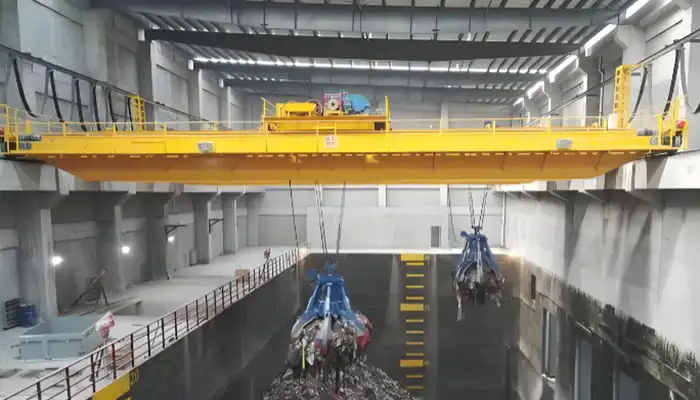
Remote grab buckets are essential tools for handling different types of waste in scrap yards, waste transfer stations, recycling plants, and industrial sites. These buckets are typically attached to cranes—overhead, gantry, or jib types—and are used to pick up, carry, and release materials using hydraulics or electro-hydraulic systems controlled from a distance. Unlike traditional buckets, remote grab buckets can be operated wirelessly, making them especially useful in areas where direct operator access is unsafe or impractical.
When it comes to waste handling, not all grab buckets work the same way. The type of waste—bulky, mixed, or hazardous—matters a lot. Using the wrong bucket for the job can lead to inefficiency, excessive wear, safety hazards, or even damage to your crane. That’s why it's important to match the grab bucket’s design to the material it's meant to handle. Sounds simple, but there's more to it than just size and weight.
Here’s why a customized remote grab bucket can make a real difference for your operation:
- Waste types vary widely, and each has different requirements for grip strength, bucket shape, and opening range.
- Facility conditions affect performance, such as ceiling height, power availability, or outdoor exposure.
- Operator needs differ, especially when handling hazardous or unpredictable waste. Remote operation improves safety, but only if the bucket performs reliably.
In short, customization allows the grab bucket to “fit” your waste—not the other way around. Whether it’s oversized scrap metal, uneven demolition debris, or sensitive hazardous material, a one-size-fits-all approach just doesn’t work. A customized grab adapts to the job site, improves material control, and helps extend both crane and bucket lifespan.
Types of Waste Materials
Before choosing or customizing a remote grab bucket, it's essential to understand what kind of waste you're dealing with. Different types of waste don't just vary in size or weight—they behave differently when lifted, shift unpredictably, or require extra safety considerations. Let's take a closer look at the three most common waste categories you'll likely handle.
Bulky Waste
This is the heavy-duty stuff—things that don't fit neatly into containers and can be awkward to lift.
Examples: Discarded appliances, engine blocks, large metal off-cuts, timber beams, old vehicle parts
Characteristics:
- Oversized and often uneven in shape
- Heavy weight, especially with solid metal or wood
- Sharp edges and rough surfaces can wear out standard tines quickly
- May require extra opening width and gripping power
Bulky waste puts a lot of strain on the grab bucket, especially during lifting and releasing. Tine strength and structural reinforcements are a must here.
Mixed Waste
If you've seen a municipal dump or a construction site bin, you know what mixed waste looks like—pretty much everything thrown in together.
Examples: Household garbage, drywall scraps, plastics, rebar, concrete chunks
Characteristics:
- Highly variable in weight and shape from one scoop to the next
- Materials can shift mid-lift, affecting balance
- Dusty, dirty, and sometimes tangled (think wires, plastic wraps)
- May need a versatile grab with medium capacity and good closing control
Mixed waste requires flexibility. A general-purpose grab with adaptive tines can help reduce material slippage and increase loading efficiency.
Hazardous Waste
Now we're talking about dangerous materials that aren't just messy—they pose real health or safety risks if mishandled.
Examples: Chemical-contaminated debris, medical waste, oily scrap, pressurized canisters
Characteristics:
- Needs secure containment to avoid leaks or spills
- Often corrosive or temperature-sensitive
- Safety is a priority—must avoid direct exposure
- May involve legal or compliance requirements (e.g., ATEX-rated equipment)
For hazardous waste, customization isn't optional—it's essential. Grab buckets for this category often include sealing mechanisms, corrosion-resistant coatings, and sometimes full enclosures to contain dust or fluid leaks.
Key Customization Parameters for Remote Grab Buckets
When you're buying a remote grab bucket for waste handling, one of the smartest moves you can make is to customize it for your specific operation. Not every job needs the biggest bucket or the strongest grip—what you really need is balance: between performance, safety, and wear resistance. Below are two of the most important areas you should focus on when customizing: tine configuration and bucket capacity.
Tine Configuration and Shape
The tines—or "claws"—are what make contact with the waste. Their number, shape, and structure play a big role in how the bucket grabs, holds, and releases different types of material.
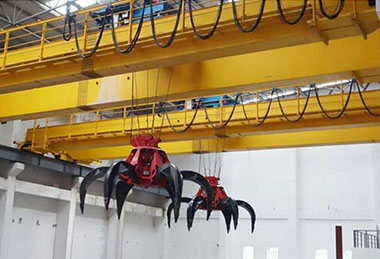
4, 5, or 6 Tine Designs
- 4-tine grabs: Good for bulky and large-sized materials like metal beams or timber.
- 5-tine grabs: The most versatile and commonly used setup.
- 6-tine grabs: Better for fine-grained, loose, or mixed debris.
Tine Shape: Curved vs. Pointed
- Curved tines: Better for scooping and cradling soft or tangled materials.
- Pointed tines: Suitable for penetrating tightly packed or solid waste.
Reinforced Tine Tips
- Ideal for abrasive or sharp-edged waste.
- Hardfacing or bolt-on tips reduce wear and extend service life.
If your operation handles more than one waste type, ask your supplier about modular or interchangeable tines.
Grab Capacity and Volume
Size matters—but not always in the way you think. The right capacity depends on your crane's lifting ability, the density of your waste, and how often you operate.
Custom Bucket Sizing
- Small grabs (0.3–0.6 m³): Better control and precision.
- Medium grabs (0.6–0 m³): Balanced option for general waste yards.
- Large grabs (0 m³ and above): Best for bulk loading.
Balancing Weight and Speed
- Heavier buckets slow down crane movement and increase wear.
- Lighter buckets cycle faster but may underperform with dense waste.
Always calculate the total grab weight (including waste) against your crane's safe working load. Include a safety buffer of at least 20 percent.
Material and Coating Selection
The materials used to build the grab bucket and its surface treatments determine durability and resistance to harsh waste environments.
- High-strength steel is best for heavy or abrasive waste.
- Stainless steel or anti-corrosive coatings are essential for hazardous or chemical-laden materials.
Choosing the right material and coating can significantly reduce maintenance costs and downtime.
Hydraulic vs. Electro-Hydraulic Control
How the grab bucket is powered and controlled affects both efficiency and safety.
- Hydraulic systems are common and reliable.
- Electro-hydraulic control offers more precise control and easier integration.
- Remote-controlled buckets improve operator safety.
Matching the control system to your facility's setup ensures smoother, safer operation.
Sealing and Leakage Protection (for Hazardous Waste)
When handling hazardous waste, preventing leaks and containing materials is critical.
- Sealed hydraulic systems prevent oil leaks.
- Fully enclosed buckets help contain toxic dust and liquids.
Proper sealing and leakage protection protect both workers and the environment.
Waste Type-Specific Customization Examples
Different types of waste need different approaches when it comes to grab buckets. Here's a straightforward look at how you can customize grabs to fit the kind of waste you handle every day.
For Bulky Waste
Bulky stuff like big metal parts or thick pieces of timber can be tricky to handle, so the grab needs to be tough and roomy.
- The tines should open wider to easily grab those oversized pieces without getting stuck.
- You'll want plenty of lifting power to make sure the grab holds heavy loads without dropping anything.
- The whole bucket should be built strong and tough, with wear-resistant parts that can take the beating from heavy, rough materials.
These features mean fewer headaches and less downtime fixing broken equipment.
For Mixed Waste
When you're dealing with all sorts of waste thrown together—like at a construction site or recycling yard—you need a grab that's flexible and reliable.
- Medium-sized buckets with flexible tines work well because they can adjust to grab different shapes and sizes.
- The grip needs to be versatile to keep everything from slipping out, especially loose or irregular items.
- Some grabs even have self-centering parts that help the bucket close evenly, so the load stays balanced and doesn't swing around too much.
This kind of setup saves time and makes handling mixed waste less of a juggling act.
For Hazardous Waste
Handling hazardous waste means safety is the top priority, both for the workers and the environment.
- Grab buckets with enclosed tines or sealing skirts keep dust, liquids, and harmful particles from escaping during lifts.
- Hydraulic systems are built to prevent leaks, so you don't have to worry about oils or fluids contaminating the site.
- If you're working in areas where explosions are a risk, explosion-proof controls are a must-have.
These features help keep your operation safe and compliant with regulations, reducing the risk of accidents or spills.
Integration with Crane and Facility Operations
Customizing a grab bucket isn't just about the bucket itself—it's also about how well it works with your crane and fits into your facility's setup. If the grab doesn't match your crane or control system, it can cause delays, safety issues, or even equipment damage.
Compatibility with Existing Crane Systems
- Make sure the grab bucket is designed to fit the type of crane you have—whether it's an overhead crane, gantry crane, or jib crane.
- The bucket's weight and dimensions need to work within your crane's safe working load and operational limits.
Remote Control System Integration
- Grab buckets often use remote control to keep operators safe.
- Decide between wired or wireless control systems.
- Your facility's layout, safety requirements, and operator preferences will help determine the best option.
Smart Features
- Modern grab buckets can include smart technologies.
- Load sensors help prevent overloading.
- Open/close feedback systems provide real-time position updates.
- These features can be linked to your facility's control system.
Case Studies for Your Reference
Understanding how customized grab buckets perform in real operations can be very helpful. Below are three practical examples that show different customization approaches based on waste type and working conditions.
Example 1: E-Waste Recycling Facility
Challenge: Handling a mix of fragile electronic parts and bulky metal casings without causing damage.
Solution:
- Medium-capacity grab with six curved tines for gentle scooping and better control.
- Stainless steel construction with anti-corrosion coating to withstand chemicals and moisture.
- Electro-hydraulic remote controls for precise operation, reducing the risk of dropping sensitive items.
Example 2: Offshore Hazardous Waste Handling
Challenge: Safely lifting toxic and oily waste on an offshore platform with strict safety requirements.
Solution:
- Fully enclosed grab bucket with sealing skirts to prevent leakage during lifts.
- Leak-proof hydraulic system components to avoid fluid spills.
- Explosion-proof control system compliant with platform safety regulations.
- Reinforced, corrosion-resistant tines for harsh saltwater exposure.
Example 3: Construction and Demolition Site Cleanup
Challenge: Handling mixed debris including concrete rubble, scrap metal, and loose waste efficiently.
Solution:
- Medium-sized grab with five strong, pointed tines to grip uneven, heavy materials securely.
- Self-centering mechanism to keep the load balanced during irregular lifts.
- Reinforced wear-resistant steel plates to reduce damage from abrasive materials.
Conclusion: Why Customization Matters
Tailoring your remote grab bucket to fit your specific waste handling needs can transform your operation. Here’s why customization is important:
- Boosts efficiency: A grab designed for your exact waste type moves materials faster and with fewer errors.
- Enhances safety: Properly matched grabs reduce risks like dropped loads and equipment failures.
- Improves handling accuracy: When the bucket fits the material and site conditions, operators work more confidently and smoothly.
To achieve this, it’s crucial to collaborate closely with your supplier. Be clear about the waste you handle, your facility’s setup, and crane specifications. This helps create a grab bucket that truly fits your operation.
Remember, don’t just accept standard models. Always inquire about customization options to ensure you get the best possible tool for the job.
Looking for a grab bucket perfectly suited to your waste handling challenges? Our expert engineers can help. Reach out now for a free consultation and customized solution tailored to your needs.

Article by Bella ,who has been in the hoist and crane field since 2016. Bella provides overhead crane & gantry crane consultation services for clients who need a customized overhead travelling crane solution.Contact her to get free consultation.
Yuantai Cranes
Overhead Crane Manufacturer with CE, ISO, SGS, CNEX Certificates.
- Main Specifications - Capacity: 0.5–550 tons | Span: up to 40m | Speed: 0.8–12 m/min | Duty: A3–A7 | Power: 380–690V, 50/60Hz | Control: pendant/remote/cabin
- Full engineering: FEA/PLC/VFD + in-house build + global delivery + on-site support, for workshops, factories, EPC contractors, industrial projects, etc.
- Support: design, manufacturing, testing, service – end-to-end, customized lifting solutions worldwide.
How to Get an Accurate Crane Price for Your Application?
Tips: Copy the spec list, fill in your details, and paste it into the form on the right/ down-below for a quick price.
- Crane type:_____ . (e.g., overhead crane, gantry crane, jib crane)
- Max weight to lift:_____ tons. (e.g., 2t, 5t, 10t, 20t, 50t)
- Lifting height:_____ m. (How high does the hook need to reach?
- Workshop width (span):_____ m . (Distance between the two crane rails)
- Travel distance:_____ m . (How long does the crane need to move along the runway?)
- Control type:_____. (Pendant / remote / cabin Control)
- Power supply:_____. (Local voltage & frequency – e.g., 380V, 50Hz, 3-phase)
- What will it be used for?_____ (e.g., steel fabrication, concrete products, mold handling, general manufacturing, etc.)
- Any special requirements?_____ (e.g., extreme temperature, dusty or explosive environment, special paint color, etc.)
Just leave a message via the contact form and our hoist and crane engineer will contact you with in 24working hours.
Get Your Custom Quote–Quick & Easy
Fill in what you know. Skip what you don't – we'll help.Any question will be reply with 24 working hours