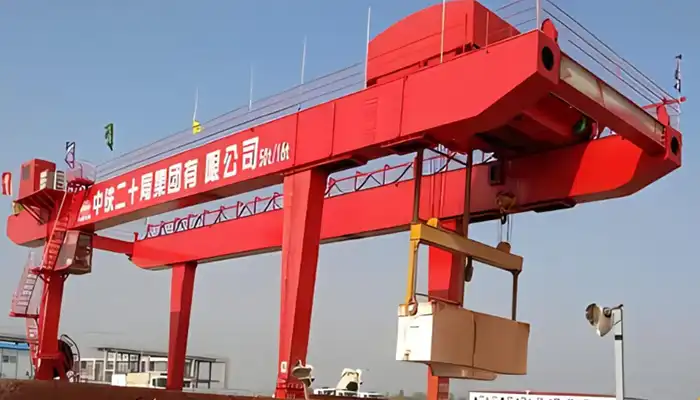
Anti-Corrosion, Waterproof, and Dustproof Tunnel Gantry Cranes
Content Quick Link
Most Important Takeaway on Anti-Corrosion, Waterproof, and Dustproof Design for Tunnel Gantry Cranes
Properly designed anti-corrosion, waterproof, and dustproof tunnel gantry cranes prevent electrical failures, reduce maintenance, and extend crane lifespan in harsh underground environments.
- Protect cranes from high humidity, water infiltration, and dust exposure.
- Extend crane service life and reduce downtime in underground projects.
- Optimize crane performance in subway, TBM, mining, and hydropower tunnels.
- Reduce maintenance frequency and lifecycle costs with sealed components.
- Select the right crane capacity and configuration for specific tunnel conditions.
Short FAQs: Tunnel Gantry Crane Protection and Reliability
Quick answers about tunnel gantry crane corrosion protection, dust prevention, electrical reliability, maintenance reduction, and crane design strategies for harsh underground environments.
Q: How can tunnel cranes be protected from corrosion, water, and dust?
A: By using combined surface coatings, sealed enclosures, and protective mechanical designs.
- Epoxy-coated steel and galvanized components shield structural parts from moisture and abrasion.
- Fully enclosed hoists and IP-rated electrical cabinets prevent dust and water from reaching critical systems.
Q: Which protective features reduce electrical failures underground?
A: Sealed electrical cabinets, anti-condensation heaters, and motor protection prevent moisture and dust-related failures.
- Drainage systems and ventilation reduce condensation inside control panels.
- Regular sealing and humidity-resistant gantry crane design improve operational continuity.
Q: What capacities and crane configurations suit different tunnel applications?
A: Capacity and configuration should match tunnel size, lifting demand, and environmental exposure.
- 10–16 ton cranes are common in subway tunnels, while 16–20 ton suits TBM excavation zones, and 20–32 ton is ideal for mining or hydropower tunnels.
- Enclosed hoist systems and double girder cranes enhance stability and protect components in wet or dusty conditions.
Q: How can maintenance frequency be lowered without compromising safety?
A: Proper protection reduces wear, so inspections become predictable rather than reactive.
- Anti-corrosion coatings, sealed motors, and dustproof enclosures slow component degradation.
- Early detection of minor issues keeps cranes running reliably and prevents costly downtime.
Q: What design strategies improve crane reliability in harsh environments?
A: Reliability comes from matching crane design to tunnel conditions with protective and functional features.
- Humidity-resistant gantry cranes, IP-rated electrical protection, and drainage systems maintain stable performance underground.
- Correct capacity selection and enclosed hoists ensure continuous operation in mud, slurry, dust, and wet conditions.
Introduction
Underground crane operations always come with a set of working conditions that are not easy to ignore. In subway tunnels, TBM drives, mining drifts, or hydropower tunnels, the environment is rarely stable. There is constant humidity in the air, water often drips from tunnel walls, and fine dust or slurry can be present almost all the time. For a gantry crane working inside these conditions, normal protection is usually not enough.
This is why anti-corrosion, waterproof, and dustproof design becomes a basic requirement rather than an optional upgrade. Without proper protection, moisture slowly enters electrical components, dust accumulates in control cabinets, and metal structures begin to corrode over time. Once these issues start, the crane does not fail suddenly, but it becomes less stable, more difficult to maintain, and more likely to stop during critical lifting tasks.
A properly designed system focuses on practical protection at every key point. Sealed electrical cabinets reduce exposure to humidity and dust. Motor protection systems are designed to prevent water ingress during condensation cycles. In many tunnel projects, engineers also rely on IP55 gantry crane configurations or higher protection levels to maintain stable operation under wet and dusty conditions.
When these elements are correctly combined, the crane maintains consistent performance even in long-term underground work. It supports reliable operation, reduces unexpected stoppages, and keeps maintenance work predictable instead of reactive. In real tunnel projects, this is often what determines whether lifting operations stay aligned with excavation progress or become a bottleneck.
From a design perspective, the goal is straightforward. A humidity resistant gantry crane should not only survive the tunnel environment but operate continuously with controlled risk. This is especially important in systems such as a waterproof gantry crane for subway construction, where daily cycles of condensation, dust exposure, and vibration are unavoidable.
Key technical focus points in this section:
- tunnel crane electrical protection against moisture and dust intrusion
- humidity resistant gantry crane performance in continuous tunnel operations
- waterproof gantry crane for subway construction under condensation-heavy environments
- sealed electrical cabinet design for underground reliability
- IP55 gantry crane protection level used in practical tunnel projects
Environmental Challenges in Underground Projects
Harsh Tunnel Conditions
Overview of environmental challenges in subway, TBM, mining, and hydropower tunnels that affect crane operation, protection, and reliability.
Subway tunnels: high humidity and concrete dust exposure
In subway tunnel construction, the air is usually heavy with moisture. It stays like that for long periods, especially in closed sections with limited ventilation. At the same time, fine concrete dust spreads during segment handling, lining work, and finishing stages.
It sounds manageable at first, but in real operation, this mix of humidity and dust slowly works into crane systems. Electrical enclosures, control panels, and even exposed mechanical joints are constantly under stress. That is why a humidity resistant gantry crane is often required in subway projects, not just a standard indoor crane.
- High humidity accelerates condensation inside electrical cabinets
- Concrete dust accumulates in ventilation gaps and moving parts
- Frequent stop-start cycles increase exposure risk for components
TBM excavation zones: continuous mud, slurry, and spoil contact
In TBM-driven tunnels, the working environment changes quickly but stays consistently harsh. Spoil handling areas are filled with wet soil, slurry, and abrasive materials. Cranes working in these zones are often exposed to splash, dripping water, and direct contact with contaminated surfaces.
Over time, this environment challenges sealing performance. Even small gaps in protection can allow slurry or moisture to enter sensitive components. That is where waterproof gantry crane design becomes essential, especially for continuous excavation cycles.
- Constant exposure to slurry splash and wet spoil handling
- High risk of sealing fatigue in moving electrical parts
- Abrasive particles accelerate wear on exposed mechanisms
Mining tunnels: severe abrasive dust and dirt
Mining tunnels introduce a different kind of stress. The environment is dry in some areas but filled with abrasive dust that behaves almost like sandblasting over time. Cranes operating here must deal with continuous particle impact during lifting, travel, and idle periods.
This is where dustproof gantry crane for tunnels design becomes important. Without proper sealing, dust enters bearings, motors, and control systems, leading to unstable performance.
- Fine abrasive dust penetrates mechanical gaps over time
- Electrical systems are affected by dust accumulation and overheating risk
- Moving parts require more frequent inspection and cleaning
Hydropower tunnels: condensation and water infiltration
Hydropower tunnel projects usually involve long enclosed spaces with strong temperature differences between water and air. This creates constant condensation on steel structures and electrical housings. In some sections, water seepage is continuous and unavoidable.
In these conditions, tunnel crane electrical protection becomes the core requirement, not just structural strength.
- Continuous condensation on metal surfaces
- Water seepage from tunnel walls and ceilings
- High moisture load inside enclosed crane systems
Risks of Inadequate Protection
Consequences of insufficient environmental protection for tunnel gantry cranes, including electrical failure, corrosion, and shortened service life.
Electrical failures from water ingress or condensation
When sealing is not sufficient, moisture becomes the first problem. It does not always cause immediate failure, but it slowly affects insulation resistance, control stability, and sensor accuracy. Over time, this leads to unexpected shutdowns during lifting operations.
In practical projects, this is often one of the most common causes of downtime in underground crane systems.
Corrosion on steel structures causing downtime
Steel structures in tunnels are constantly exposed to moisture and dust. Without proper anti-corrosion treatment, rust begins at joints, welds, and surface edges. Once corrosion spreads, it affects structural reliability and increases maintenance workload.
An anti-corrosion tunnel crane with epoxy coating protection is often used to slow this process in long-term underground operations.
- Corrosion reduces structural integrity over time
- Maintenance intervals become shorter and more frequent
- Surface degradation affects long-term lifting stability
Increased maintenance and reduced crane lifespan
When environmental protection is insufficient, maintenance becomes reactive instead of planned. Operators spend more time fixing issues rather than running operations.
Eventually, the service life of the crane shortens, not because of overload, but because of continuous exposure damage. In underground projects, this directly affects project scheduling and cost control.
- More frequent unplanned maintenance stops
- Higher component replacement rate
- Shortened operational lifespan under harsh conditions
Core Protective Design Features
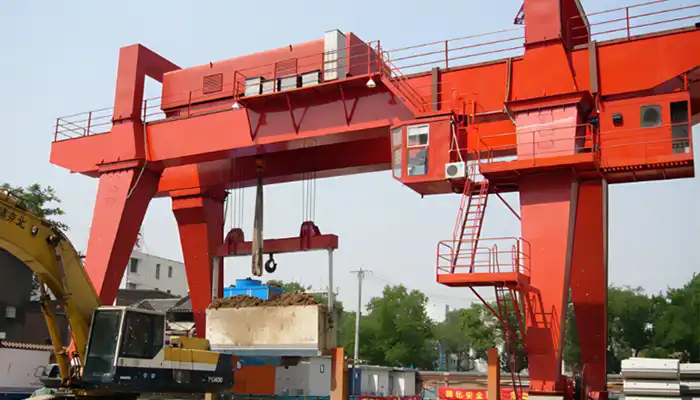
Tunnel Gantry Crane Guide: Types, TBM Uses & Design Roles--- 45/16 Ton Gantry Cranes for Subway & Tunnel Construction Soil Handling
Anti-Corrosion Measures
Methods to protect tunnel gantry cranes from corrosion and extend operational life in harsh underground environments.
Epoxy coating systems and galvanized components extend service life
In underground tunnel environments, steel structures are constantly exposed to moisture, dust, and occasional chemical contamination from construction materials. Over time, this combination creates a steady corrosion process that is difficult to stop once it begins.
That is why most anti-corrosion tunnel crane designs rely on epoxy coating systems applied in multiple protective layers. These coatings form a barrier between steel surfaces and the external environment, slowing down oxidation and surface degradation. Galvanized components are also commonly used for key structural parts, especially in joints and high-contact areas.
- Epoxy coating helps isolate steel from moisture and tunnel atmosphere
- Galvanized parts provide long-term resistance at critical load points
- Multi-layer surface treatment improves durability in continuous operation
Corrosion-resistant steel and protective finishes for harsh underground exposure
In more demanding underground projects, standard steel is not enough. Corrosion-resistant steel grades and specially treated surfaces are used to handle long-term exposure in wet or dusty tunnels. This is especially important in hydropower tunnels and subway construction zones where humidity levels remain high for extended periods.
Protective finishes are not only about appearance. They directly affect how long the crane can operate without structural degradation or frequent repainting work.
- Specialized steel materials reduce long-term oxidation risk
- Surface finishing improves resistance to water and chemical exposure
- Reduces maintenance cycles in underground projects
Waterproofing Strategies
Methods to protect tunnel gantry cranes from water ingress, condensation, and short-circuits in underground environments.
Sealed motor protection and electrical cabinets prevent short-circuits
Water ingress is one of the most common causes of electrical failure in tunnel gantry cranes. Even small amounts of condensation can affect control systems and motor performance. To address this, sealed motor housings and tightly constructed electrical cabinets are used as a primary protection method.
In waterproof gantry crane systems, sealing is designed to work under continuous humidity, not just occasional exposure.
- Sealed motor units reduce risk of internal moisture damage
- Electrical cabinets are designed to block water and dust entry
- Improves tunnel crane electrical protection in long-term operation
Drainage systems remove infiltrated water
In real tunnel environments, complete water isolation is not always possible. Dripping water, seepage, and condensation will still occur. This is where drainage design becomes important.
Drainage channels and discharge paths help guide water away from sensitive components instead of allowing accumulation inside structural areas.
- Prevents water pooling inside crane structures
- Reduces corrosion risk in enclosed sections
- Supports stable operation in wet tunnel environments
Anti-condensation heaters maintain internal equipment integrity
Temperature differences inside tunnels often lead to condensation inside control cabinets and motor housings. Anti-condensation heaters are used to maintain a stable internal environment, especially during shutdown periods or low-load operation.
This is a small component, but in practice, it plays an important role in maintaining reliability.
- Prevents moisture buildup during temperature fluctuations
- Protects electrical insulation performance
- Improves long-term stability of sealed systems
Dustproof Design
Strategies to protect tunnel gantry cranes from fine dust and abrasive particles in mining and TBM excavation zones.
Fully enclosed hoists and air-filtered cabinets protect against dust
Dust in mining tunnels and TBM excavation zones is not just surface-level contamination. Fine particles can enter mechanical and electrical systems, causing wear and overheating over time. Fully enclosed hoist structures are used to reduce direct exposure.
Electrical cabinets often include air filtration systems to maintain clean internal airflow while still allowing heat dissipation.
- Enclosed hoists reduce dust penetration into moving parts
- Filtered cabinets protect sensitive control systems
- Improves operational stability in abrasive environments
IP55-rated cranes suitable for dusty and humid environments
In many underground projects, IP55 gantry crane protection level is selected as a practical standard. It provides a balanced level of sealing against dust and water jets, making it suitable for combined humidity and dust conditions found in tunnels.
This level of protection is widely used in subway construction and TBM support systems where environmental conditions change daily.
- IP55 protection reduces dust ingress into electrical systems
- Suitable for moderate water exposure in tunnels
- Common specification in waterproof gantry crane applications
Enclosures prevent abrasive particles from compromising operation
Even with basic protection, abrasive particles can still affect exposed mechanical parts. Additional enclosures and shielding structures are used around critical components such as drives, brakes, and cable systems.
This reduces long-term wear and keeps crane movement stable during repeated operations.
- Shields mechanical components from direct dust impact
- Reduces wear on moving assemblies
- Supports consistent performance in mining and tunnel environments
Typical Tunnel Crane Configurations
Heavy-duty double girder cranes for continuous operations
In tunnel construction projects with frequent lifting cycles and heavy material handling, heavy-duty double girder gantry cranes are commonly used. These cranes provide better structural stability and stronger load distribution compared with single girder designs, especially when handling tunnel segments, TBM components, spoil containers, or heavy steel structures.
For long tunnel projects running day and night, continuous operation capability becomes more important than simple lifting capacity alone. Double girder configurations also provide more space for maintenance platforms, enclosed electrical systems, and larger hoisting mechanisms.
- Suitable for 20 ton and 32 ton tunnel lifting applications
- Better stability for long-span underground operations
- Supports continuous duty cycles in TBM and subway projects
- Easier integration of sealed electrical cabinet systems and maintenance walkways
Enclosed hoist cranes for mud, slurry, and dust protection
In TBM excavation zones and mining tunnels, hoisting systems are constantly exposed to slurry splash, wet spoil, and abrasive dust. Standard open hoist arrangements often experience faster wear under these conditions.
To improve reliability, many underground projects use enclosed hoist gantry crane configurations. The hoist, motor, brake, and transmission components are protected inside partially or fully enclosed housings. This helps reduce direct contamination from water, mud, and fine particles.
A fully enclosed arrangement also improves tunnel crane electrical protection by limiting exposure around cable systems and motor connections.
- Reduces contamination from slurry and concrete dust
- Protects hoist mechanisms in high-humidity tunnel environments
- Improves reliability during continuous excavation support work
- Common in waterproof gantry crane for subway construction systems
Dustproof and waterproof gantry cranes for subway and mining tunnels
Tunnel conditions are rarely consistent. Some sections are wet with condensation and seepage, while others are filled with abrasive dust. Because of this, many underground projects require a combined dustproof and waterproof gantry crane design instead of focusing on only one type of protection.
These cranes are typically equipped with IP55 gantry crane protection or higher, sealed motors, anti-condensation heaters, and protected cable routing systems. In mining tunnels, additional shielding may also be installed around moving mechanical parts.
For subway tunnel construction, humidity resistant gantry crane configurations are widely used to handle both concrete dust and long-term moisture exposure.
- Designed for combined water and dust exposure conditions
- Suitable for mining tunnels, subway construction, and TBM support zones
- Reduces electrical failures caused by condensation and contamination
- Supports lower maintenance frequency in underground operations
Configuration selection based on capacity and tunnel dimensions
Selecting the correct tunnel gantry crane configuration is not only about lifting capacity. Tunnel width, height restrictions, rail layout, lifting frequency, and environmental exposure all affect the final crane design.
For smaller subway tunnels, compact 10 ton or 16 ton cranes are often preferred to fit limited working space while still handling segment lifting and material transport. Larger TBM excavation or hydropower projects may require 20 ton or 32 ton double girder cranes with reinforced structures and higher protection levels.
The tunnel environment also affects configuration decisions. Wet tunnels may require stronger waterproofing systems, while mining projects may prioritize dustproof enclosures and abrasion-resistant protection.
- Narrow tunnels often require compact low-headroom crane layouts
- Larger tunnel sections allow heavy-duty double girder designs
- Protection level selection depends on humidity, dust, and water exposure
- Crane configuration should match both lifting demand and environmental conditions
Typical Capacities and Application Fit
Guidance on selecting appropriate tunnel gantry crane capacities based on tunnel type, load characteristics, and operational requirements in underground construction projects.
Capacities Overview
- 10 ton: Suitable for light loads, short-span operations, or confined subway tunnels.
- 16 ton: Ideal for medium loads, standard subway segments, and moderate TBM support work.
- 20 ton: Used in heavy TBM operations, large mining loads, or hydropower tunnel segments.
- 32 ton: For very heavy materials, multiple tandem lifts, or continuous operation in wide tunnels with reinforced infrastructure.
Mapping Capacities to Tunnel Applications
Subway Tunnels
- 10–16 ton is usually sufficient.
- Lifts typically involve pre-cast tunnel segments, equipment transfer, and support materials.
- Compact crane designs help navigate limited space without sacrificing reliability.
TBM Excavation Zones
- 16–20 ton cranes are often selected.
- Continuous handling of spoil, slurry, and TBM components demands a balance of lifting capacity and durability.
- Enclosed hoist and waterproof systems reduce failures in wet or muddy conditions.
Mining and Hydropower Tunnels
- 20–32 ton cranes handle heavier equipment, rock segments, and high-volume material transport.
- These projects benefit from heavy-duty double girder cranes with enhanced anti-corrosion, dustproof, and waterproof protection.
- Proper sizing ensures reliable operation even under abrasive dust or high condensation conditions.
Practical Takeaways
- Correct capacity reduces overload risk and mechanical stress.
- Improves crane reliability and lifespan in harsh underground environments.
- Helps match crane configuration with tunnel width, height, and environmental exposure.
- Supports operational efficiency by aligning crane capability with real material handling requirements.
Who Benefits / Readers and Buyers
Readers / Audience
Tunnel projects are complex, and the people responsible for crane operations need solutions that address both environment and equipment. This guide is especially useful for professionals dealing with challenging underground conditions:
- Tunnel engineers managing high-humidity or dusty conditions
Engineers need practical solutions for preventing electrical failures and structural corrosion. Understanding how anti-corrosion, waterproof, and dustproof designs work helps them specify reliable cranes for ongoing projects. - Maintenance supervisors troubleshooting crane failures
Supervisors gain insight into which design features reduce downtime, how to inspect sealed cabinets, and the role of IP55 gantry crane protection in daily operations. - Technical managers seeking reliability solutions
Managers responsible for operational continuity benefit from guidance on matching crane capacity, environmental exposure, and protective features to minimize maintenance frequency. - Project planners evaluating underground environmental challenges
Planners can use this knowledge to forecast crane performance, plan for maintenance intervals, and select configurations that fit tunnel dimensions, material handling needs, and environmental conditions.
Potential Buyers / Customers
Understanding who typically invests in these specialized cranes helps frame the content for practical purchasing decisions:
- Metro/subway construction companies
Require compact, waterproof, and dustproof gantry cranes to handle segments, equipment, and supplies in confined, high-humidity tunnels. - Mining tunnel operators
Need durable, dustproof cranes for abrasive environments and continuous heavy-duty lifting. - Hydropower tunnel contractors
Operate cranes in tunnels with high condensation and water infiltration, requiring waterproof and corrosion-resistant solutions. - Any underground projects exposed to water, mud, or dust
Includes TBM excavation zones, service tunnels, and industrial underground construction where material handling must remain reliable despite harsh environmental conditions.
Benefits for Buyers and Operators
Choosing anti-corrosion, waterproof, and dustproof tunnel gantry cranes delivers measurable advantages in reliability, safety, and project efficiency for underground construction operations.
Reduced electrical failures and corrosion-related downtime
- Minimizes unexpected crane shutdowns
- Protects control panels and motor systems from moisture and dust
- Supports continuous operation in subway, TBM, or mining tunnels
Extended crane lifespan in wet and dusty tunnels
- Steel structures resist oxidation and wear
- Critical components like hoists and rails last longer
- Reduces premature replacement costs
Lower maintenance frequency and operational cost savings
- Fewer component replacements due to dust or moisture damage
- Maintenance becomes planned and predictable
- Operational budgets are more manageable
Optimized crane performance for harsh underground conditions
- Consistent hoisting and trolley movement in wet or dusty conditions
- Reliable performance during long-term TBM or subway operations
- Supports safer, more efficient material handling
Maintenance Optimization Tips
Proper maintenance is critical to ensure that anti-corrosion, waterproof, and dustproof tunnel gantry cranes continue operating reliably in harsh underground conditions. Routine checks prevent small issues from turning into expensive downtime, and they help extend the crane's service life.
Inspect sealed electrical cabinets and drainage systems regularly
Sealed electrical cabinets are the heart of tunnel crane electrical protection. Regular inspection ensures that no water, dust, or debris has penetrated the enclosure. Drainage systems should also be checked for blockages or sediment buildup, which can allow water to accumulate near critical components.
- Look for signs of moisture or corrosion inside cabinets
- Clean and clear drainage channels to prevent water pooling
- Verify that sealing gaskets are intact and functioning
Check epoxy coating and steel surface protection
Even the best anti-corrosion coatings can degrade over time, especially in wet or abrasive tunnel environments. Regular inspection identifies scratches, chips, or rust spots before they affect structural integrity. Touch-up coating or surface treatment may be required to maintain long-term reliability.
- Examine load-bearing beams, welds, and joints for corrosion
- Address small surface damages early to prevent spread
- Ensure protective coatings maintain uniform coverage
Test anti-condensation heaters and motor seals periodically
Temperature variations inside tunnels can cause condensation inside motors and electrical housings. Anti-condensation heaters prevent this, but their performance should be verified regularly. Motor seals should also be checked to prevent moisture ingress.
- Test heaters during different temperature conditions
- Check motor seals for wear or leakage
- Confirm that internal components remain dry and operational
Early detection prevents downtime and extends operational reliability
Routine maintenance in these areas allows operators to catch potential problems early. This proactive approach ensures that cranes continue lifting safely and reliably, reduces emergency repair costs, and extends the operational lifespan of the equipment.
- Schedule inspections based on environmental conditions and load cycles
- Keep maintenance logs for preventive tracking
- Reduce unplanned downtime and maintain project schedules
Conclusion
Reliable Tunnel Gantry Cranes Are About Practical Protection
In underground projects, cranes are exposed to tough conditions—humidity, condensation, mud, and fine dust are everyday challenges. Without the right protection, electrical failures, corrosion, and mechanical wear quickly become a routine problem rather than an occasional issue. That's why anti-corrosion, waterproof, and dustproof design is essential. These measures aren't just features—they are the baseline for reliable tunnel crane operation.
Proper Design and Capacity Make a Difference
Choosing the right capacity and crane configuration is just as important as protective features. A 10-ton crane may be enough for a narrow subway tunnel, while a 32-ton double girder crane suits hydropower tunnels or heavy TBM excavation zones. Enclosed hoists, sealed motor protection, and IP55 gantry crane standards reduce the risk of downtime and help cranes last longer in wet and dusty environments.
- Proper capacity prevents overload and extends component life
- Double girder and enclosed hoist cranes offer better stability and protection
- Sealed electrical cabinets and anti-condensation heaters reduce failures in humid tunnels
Operational Benefits in Real Projects
When the crane is designed for the environment it works in, maintenance becomes predictable rather than reactive. Operators spend less time fixing electrical issues or replacing corroded parts, and more time keeping materials moving efficiently. Over time, this improves project reliability, reduces operational costs, and maximizes the crane's lifespan.
- Reduced electrical failures and corrosion-related downtime
- Lower maintenance frequency and cost savings
- Consistent crane performance even in mud, dust, or wet conditions
Buyer Takeaways
Before purchasing, consider the tunnel conditions carefully. Match the crane's capacity, configuration, and protection features to the real-world environment. A properly designed waterproof gantry crane, dustproof gantry crane for tunnels, or anti-corrosion tunnel crane will deliver long-term reliability and smoother operations in underground construction.
- Evaluate environmental exposure: humidity, water, dust, slurry
- Select protective measures appropriate for operating conditions
- Ensure crane design supports continuous, reliable lifting in tunnels

Article by Bella ,who has been in the hoist and crane field since 2016. Bella provides overhead crane & gantry crane consultation services for clients who need a customized overhead travelling crane solution.Contact her to get free consultation.
Yuantai Cranes
Overhead Crane Manufacturer with CE, ISO, SGS, CNEX Certificates.
- Main Specifications - Capacity: 0.5–550 tons | Span: up to 40m | Speed: 0.8–12 m/min | Duty: A3–A7 | Power: 380–690V, 50/60Hz | Control: pendant/remote/cabin
- Full engineering: FEA/PLC/VFD + in-house build + global delivery + on-site support, for workshops, factories, EPC contractors, industrial projects, etc.
- Support: design, manufacturing, testing, service – end-to-end, customized lifting solutions worldwide.
How to Get an Accurate Crane Price for Your Application?
Tips: Copy the spec list, fill in your details, and paste it into the form on the right/ down-below for a quick price.
- Crane type:_____ . (e.g., overhead crane, gantry crane, jib crane)
- Max weight to lift:_____ tons. (e.g., 2t, 5t, 10t, 20t, 50t)
- Lifting height:_____ m. (How high does the hook need to reach?
- Workshop width (span):_____ m . (Distance between the two crane rails)
- Travel distance:_____ m . (How long does the crane need to move along the runway?)
- Control type:_____. (Pendant / remote / cabin Control)
- Power supply:_____. (Local voltage & frequency – e.g., 380V, 50Hz, 3-phase)
- What will it be used for?_____ (e.g., steel fabrication, concrete products, mold handling, general manufacturing, etc.)
- Any special requirements?_____ (e.g., extreme temperature, dusty or explosive environment, special paint color, etc.)
Just leave a message via the contact form and our hoist and crane engineer will contact you with in 24working hours.
Get Your Custom Quote–Quick & Easy
Fill in what you know. Skip what you don't – we'll help.Any question will be reply with 24 working hours