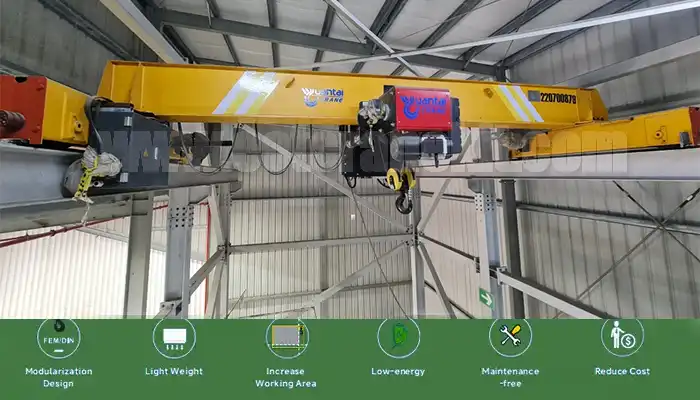
Lifting Solutions for CNC Plastic Workshops and Production Needs
Content Quick Link
Introduction
CNC plastic manufacturing requires precise machining of plastic parts and molds. These processes involve handling heavy and bulky materials that need careful movement throughout the workshop.
The Importance of Material Handling
Handling large molds and plastic blocks is a common and critical task in plastic CNC workshops. Proper material handling not only protects valuable equipment but also ensures the production process runs smoothly. Here are some reasons why it matters:
- Moving large molds and plastic blocks is a daily task.
- Proper handling protects expensive molds and machinery.
- Efficient material movement supports smooth production flow.
Common Challenges in Lifting
Lifting heavy molds and raw plastic materials poses several challenges. These challenges must be addressed to keep workers safe and avoid damage or delays:
- Molds and raw materials can weigh from hundreds to thousands of kilograms.
- Manual lifting is unsafe and often impossible.
- Improper handling risks worker injury and damage to parts.
- Delays caused by inefficient lifting slow down the entire production line.
Why Choosing the Right Crane or Hoist Matters
Selecting the right crane or hoist is a key factor in improving safety and productivity. The equipment needs to fit the specific lifting demands and workshop layout. Here's why this choice is important:
- The right equipment improves safety for workers.
- It speeds up loading, unloading, and transferring materials.
- Reduces risk of damage to costly molds and components.
- Helps maintain consistent production schedules.
- Matches lifting capacity and workspace requirements to your specific needs.
Common Lifting Equipment in CNC Plastic Workshops
In CNC plastic manufacturing, having the right lifting equipment is essential. Different types of cranes and hoists serve different purposes, depending on the size, weight, and shape of the molds or plastic materials you need to move.
Overview of Crane and Hoist Types
It's important to know the main types of lifting equipment you might use in your workshop. Here is a simple introduction to the common options:
- Overhead Cranes: These cranes are installed on strong beams running across the workshop. They are used to lift heavy molds and materials and can move loads over large distances inside the facility.
- Gantry Cranes: These have their own supporting frame and do not need fixed beams. They are good for open or partially covered spaces where flexibility is important.
- Jib Cranes: Smaller cranes that are fixed on a wall or pillar. They handle lighter loads and are used close to CNC machines or workstations.
- Electric Hoists: These motorized lifting devices can work on their own or be attached to cranes. They help lift molds and parts vertically with ease.
Differences and Typical Uses
Each type of lifting equipment fits certain needs better than others. Understanding these differences will help you choose the right one for your workshop:
- Overhead cranes are best for moving heavy loads over a wide area inside the workshop.
- Gantry cranes offer flexibility and can be moved or set up where needed, especially in open spaces.
- Jib cranes save space and are ideal for frequent lifting tasks near machines.
- Electric hoists are versatile and can be combined with cranes or used separately for lighter lifting.
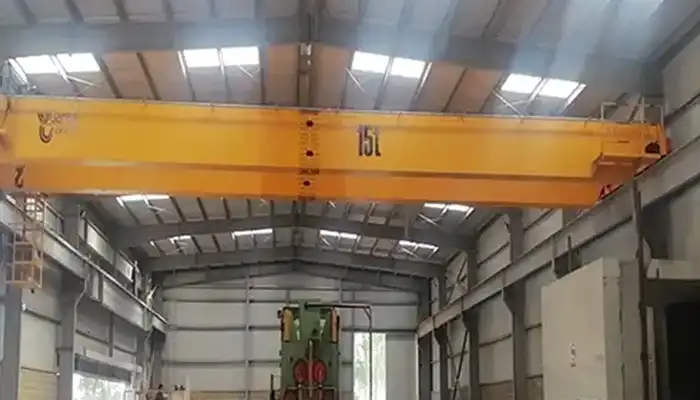
15 ton overhead crane for referencce
5 to 30 tons Overhead Cranes: Heavy-Duty Lifting for Large Molds and Materials
Overhead cranes are a common choice in plastic manufacturing workshops where heavy molds and large plastic materials need to be moved safely and efficiently. They are designed to cover a wide working area and handle heavy loads with precision.
Typical Designs and Configurations
Overhead cranes usually consist of a bridge beam that runs along two parallel runway beams installed on the workshop walls or columns. A hoist travels along the bridge to lift and move loads. Common types include:
- Single girder overhead cranes: Suitable for lighter loads and smaller spans.
- Double girder overhead cranes: Designed for heavier loads and longer spans, providing greater strength and stability.
These cranes are customized based on the workshop's size and the weight of materials handled.
Capacity Range and Applications
In plastic workshops, overhead cranes typically have a lifting capacity ranging from 5 to 30 tons. They are mainly used for:
- Lifting heavy injection molds that can weigh several tons.
- Moving large plastic sheets or blocks between machining stations.
- Loading and unloading molds from CNC machines.
Installation and Operational Considerations
Installing an overhead crane requires careful planning to ensure the structure can support the weight and provide the necessary coverage. Some points to keep in mind:
- The building must have strong runway beams or columns to support the crane system.
- Electrical supply and control systems should match crane requirements.
- Operators need proper training to ensure safe handling.
- Regular maintenance is essential to keep the crane in good working condition and avoid downtime.
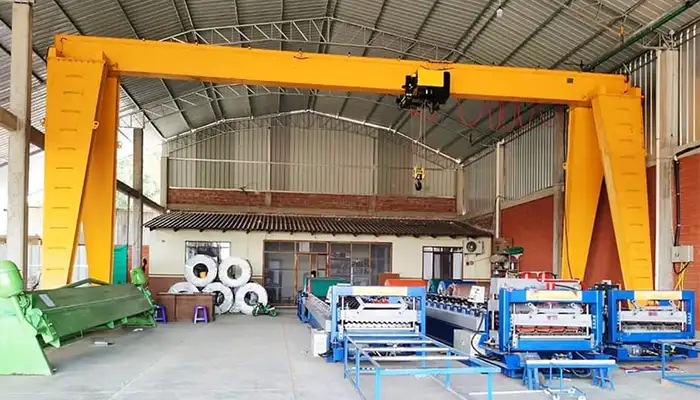
Single grider gantry crane for your reference
3 and 20 tons Gantry Cranes: Flexible and Mobile Solutions for Open and Semi-Open Spaces
Gantry cranes are an excellent option when overhead cranes are not practical or possible. They provide flexible lifting solutions, especially in workshops that have open or partially covered spaces, or where installing fixed runway beams is difficult.
When Gantry Cranes Are Preferred Over Overhead Cranes
Gantry cranes are often chosen in situations such as:
- Workshops or yards without strong building structures to support overhead cranes.
- Outdoor or semi-covered areas where materials need to be moved over short to medium distances.
- Facilities that require the crane to be moved to different locations rather than fixed in one place.
Capacity Ranges and Typical Workflows
Gantry cranes used in plastic manufacturing typically handle loads between 3 and 20 tons. They are suited for:
- Lifting and transferring molds between storage areas and CNC machines.
- Loading and unloading plastic raw materials from trucks or containers.
- Supporting assembly or repair work by providing easy access to heavy parts.
Advantages in Workshop Layout Flexibility
One of the main benefits of gantry cranes is their adaptability:
- They do not require permanent structural supports, so they can be set up where needed.
- Mobile gantry cranes can be moved around the workshop or yard to serve multiple areas.
- They allow workshops to optimize space without heavy construction work.
- Gantry cranes can be designed to cover wide spans or fit into narrow spaces, depending on the need.
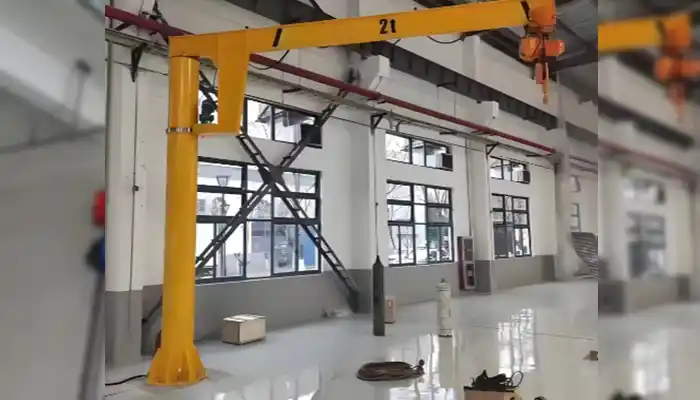
2 ton jib crane for your reference
0.5 to 5 tons Jib Cranes: Space-Saving and Localized Lifting for Smaller Loads
Jib cranes are ideal for lifting lighter loads in areas where space is limited. They are usually installed near CNC machines or assembly stations to assist operators with frequent lifting tasks without taking up much floor space.
Use Cases Near CNC Machines and Assembly Areas
Jib cranes are often used for:
- Lifting smaller molds or tooling components directly at the workstation.
- Assisting in loading and unloading parts from CNC machines.
- Positioning plastic blocks or smaller assemblies during manufacturing or inspection.
- Supporting maintenance tasks where localized lifting is required.
Capacity and Range Considerations
Jib cranes typically handle loads ranging from 0.5 to 5 tons. Their lifting radius usually covers the immediate area around the installation point, providing easy and quick access to materials without moving them far.
- They have limited horizontal reach but excel in repetitive tasks within a defined space.
- Suitable for workshops that need precise, frequent lifting close to operators.
Enhancing Operator Efficiency and Safety
By providing lifting support right at the workstation, jib cranes help:
- Reduce the physical strain on workers, lowering the risk of injury.
- Speed up handling times, improving overall workflow.
- Keep the workspace organized by minimizing the need to transport loads across the shop floor.
- Improve safety by offering controlled and stable lifting within a small area.
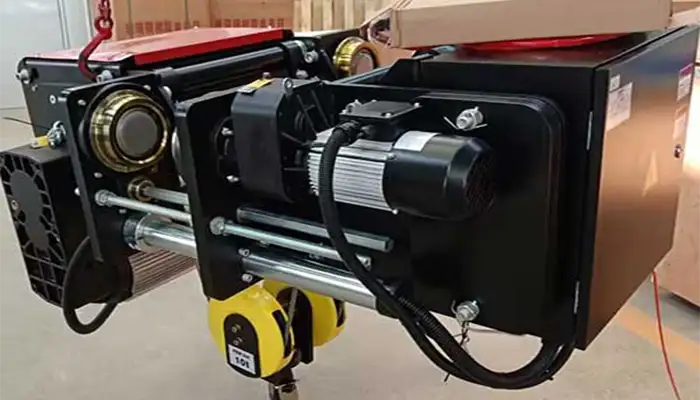
European style electric wire rope hoist
0.5 up to 10 tons Electric Hoists: Versatile and Cost-Effective Lifting Options
Electric hoists are widely used in CNC plastic workshops because of their flexibility and affordability. They can work on their own or be mounted on different types of cranes, making them suitable for a range of lifting tasks.
Integration with Different Crane Types or Standalone Use
- Electric hoists can be attached to overhead cranes, gantry cranes, or jib cranes to provide motorized lifting.
- They can also be used as standalone units for vertical lifting in places without crane systems.
- This flexibility makes electric hoists a popular choice for many workshops with varying lifting needs.
Capacity and Operational Flexibility
- Electric hoists typically handle loads from 0.5 up to 10 tons, covering most common lifting requirements in plastic machining.
- They allow smooth lifting, lowering, and precise positioning of molds and parts.
- Their compact size makes them suitable for both small workshops and larger production areas.
Maintenance and Safety Best Practices
- Regular inspection of the hoist's wire rope, hooks, and brakes is important to prevent accidents.
- Lubrication and cleaning help extend the hoist's service life and maintain performance.
- Operators should be trained on proper use to avoid overloading and unsafe handling.
- Following manufacturer guidelines and scheduling routine maintenance will keep hoists safe and reliable.
Choosing the Right Crane Type and Capacity for Your CNC Plastic Facility
Selecting the proper crane or hoist for your plastic CNC workshop is crucial. The right choice depends on several factors that affect both day-to-day operations and long-term efficiency.
Assessing Production Requirements
Start by understanding your specific lifting needs:
- Load weight: Know the heaviest molds, plastic blocks, or components you will handle regularly. This determines the minimum lifting capacity required.
- Frequency of use: Consider how often loads need to be lifted. For frequent use, durable and easy-to-operate cranes are important.
- Workspace layout: Measure your available space, ceiling height, and any structural limitations. This affects which crane types will fit and operate effectively.
- Budget: Balance initial investment with expected benefits. Sometimes a slightly higher upfront cost means better reliability and lower maintenance down the line.
Safety Standards and Compliance
- Ensure that the chosen crane and hoist systems meet all relevant safety regulations and industry standards.
- Proper installation, regular inspections, and operator training are essential for safe operation.
- Using certified equipment reduces risks and helps avoid costly fines or downtime due to accidents.
Future-Proofing with Scalable Lifting Solutions
- Choose equipment that can adapt to future changes, such as increased load sizes or expanded workshop space.
- Modular cranes or systems with upgrade options help avoid full replacements later.
- Planning for growth ensures your investment remains valuable and supports long-term productivity.
Case Studies and Real-World Applications
Understanding how other plastic CNC workshops use cranes and hoists can give valuable insight. Here are a few examples that show how the right lifting equipment improves daily operations.
Examples of Successful Crane Implementations in Plastic CNC Workshops
These real-life cases show how businesses selected lifting systems based on their specific needs:
- A medium-sized injection molding plant installed a 10-ton double girder overhead crane to handle large steel molds. The crane now supports daily mold changes across three production lines.
- A workshop producing plastic pipe fittings uses two jib cranes (1 ton each) near CNC turning centers. This allows one operator to handle and position parts safely without assistance.
- A factory working on outdoor mold repair installed a mobile gantry crane with a 5-ton capacity. It offers flexibility to work on large tools without being limited to one location.
- A startup plant chose electric wire rope hoists mounted on I-beams for mold handling. It was a cost-effective choice that matched their budget and floor layout.
Benefits Realized in Efficiency, Safety, and Cost Savings
These implementations delivered real improvements to operations:
- Efficiency: Reduced mold change times and minimized machine idle time.
- Safety: Lower risk of injury from manual lifting or makeshift handling methods.
- Cost savings: Less damage to expensive molds and reduced need for extra labor.
- Flexibility: Ability to grow or adjust production layout without major structural changes.
Conclusion
In CNC plastic production, choosing the right lifting equipment isn't just a matter of convenience—it directly impacts safety, efficiency, and overall workflow. Whether you're handling heavy molds or smaller plastic components, having the proper crane or hoist in place helps your team work faster and with greater confidence.
Every workshop is different. That's why it's important to take the time to evaluate your specific lifting needs. Consider the weight and size of your materials, the frequency of lifting, available space, and your long-term production goals. Matching your equipment to your real-world operations will always pay off in the long run.
If you're planning to upgrade or install a lifting system, it's a good idea to speak with a supplier or technical expert. They can help you choose the right type of crane or hoist, recommend a suitable capacity, and offer a layout that fits your workshop setup.
Now is the time to improve your workflow—get in touch with a crane specialist and request a tailored quote and professional guidance that fits your operation.

Article by Bella ,who has been in the hoist and crane field since 2016. Bella provides overhead crane & gantry crane consultation services for clients who need a customized overhead travelling crane solution.Contact her to get free consultation.
Yuantai Cranes
Overhead Crane Manufacturer with CE, ISO, SGS, CNEX Certificates.
- Main Specifications - Capacity: 0.5–550 tons | Span: up to 40m | Speed: 0.8–12 m/min | Duty: A3–A7 | Power: 380–690V, 50/60Hz | Control: pendant/remote/cabin
- Full engineering: FEA/PLC/VFD + in-house build + global delivery + on-site support, for workshops, factories, EPC contractors, industrial projects, etc.
- Support: design, manufacturing, testing, service – end-to-end, customized lifting solutions worldwide.
How to Get an Accurate Crane Price for Your Application?
Tips: Copy the spec list, fill in your details, and paste it into the form on the right/ down-below for a quick price.
- Crane type:_____ . (e.g., overhead crane, gantry crane, jib crane)
- Max weight to lift:_____ tons. (e.g., 2t, 5t, 10t, 20t, 50t)
- Lifting height:_____ m. (How high does the hook need to reach?
- Workshop width (span):_____ m . (Distance between the two crane rails)
- Travel distance:_____ m . (How long does the crane need to move along the runway?)
- Control type:_____. (Pendant / remote / cabin Control)
- Power supply:_____. (Local voltage & frequency – e.g., 380V, 50Hz, 3-phase)
- What will it be used for?_____ (e.g., steel fabrication, concrete products, mold handling, general manufacturing, etc.)
- Any special requirements?_____ (e.g., extreme temperature, dusty or explosive environment, special paint color, etc.)
Just leave a message via the contact form and our hoist and crane engineer will contact you with in 24working hours.
Get Your Custom Quote–Quick & Easy
Fill in what you know. Skip what you don't – we'll help.Any question will be reply with 24 working hours